

“Is Paris worth visiting?” It’s a question I’ve heard more times than I can count, usually from someone planning their first trip to Europe and unsure if the city lives up to the hype.
After 12 visits, I can tell you: it depends.
For some, Paris is everything they dreamed of, mornings with flaky pastries, long walks by the Seine, and art that stirs something deep. For others, it feels overrated, crowded, overpriced, and, at times, a little too posh for its own good.
This is a real take. My take, based on returning to this city so often that it feels like my second home.
But I’ll be honest, Paris is my favourite city. And while I understand why it isn’t everyone’s favourite city, I think the city deserves a second look, maybe even a slower one.
I’ll share both sides of the story: the beauty, the struggles, and why I keep coming back. Maybe you’ll see something in Paris that speaks to you, too.
This post may contain affiliate links, meaning I get a commission if you decide to purchase something through the links, at no additional cost to you. Read my Affiliate Disclosure.
Why Paris Is Worth Visiting for Slow Travellers

Why Paris Makes Such a Strong First Impression
I’ll never forget standing on Pont Alexandre III, the Eiffel Tower in the distance. It didn’t feel real, like I had wandered into someone else’s dream.
That moment taught me something I’ve felt every visit since: Paris knows how to make a first impression. But unlike some other European cities, that first impression never fades.
Paris is one of those cities where the atmosphere often stays with you more than the landmarks themselves. Long after I’ve forgotten ticket lines or museum routes, I still remember the feeling of walking across the Seine early in the morning or turning onto a beautiful street with no destination in mind.
Paris Is Best Experienced Slowly
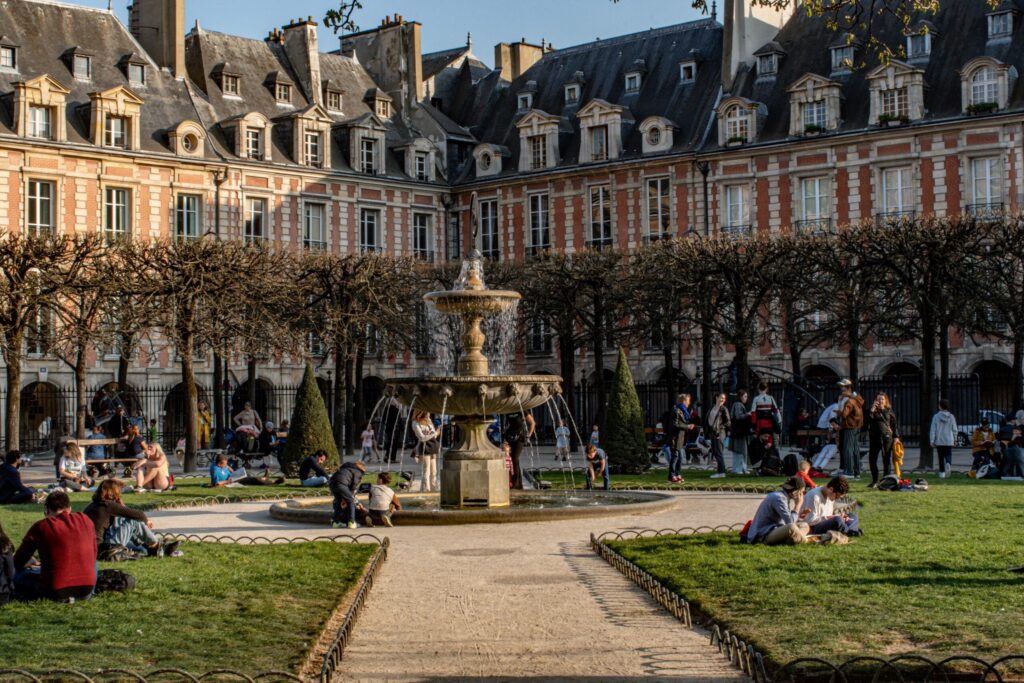
There’s something about sitting in a café with nowhere to be. You sip slowly, watch the world pass by, and realize you’ve forgotten to check the time. These small, unhurried moments are what slow travellers live for.
Wandering through, the historic Le Marais or the tres chic Saint-Germain without an itinerary has become one of my favourite ways to experience Paris.
Paris also becomes easier to enjoy when you choose a neighbourhood that matches your travel style. I usually recommend the historic Le Marais for travellers who enjoy cafés, smaller museums, boutiques, and walking everywhere easily.
I think Saint-Germain works well for travellers drawn to classic Paris cafés, bookstores, and a posh Left Bank atmosphere, while the Latin Quarter tends to appeal more to travellers who enjoy lively streets, history, and a slightly lived-in feel.
I’d recommend spending time wandering through the tiny island behind the Notre Dame called Ile Saint-Louis for its history, architecture and a real slice of Parisian life.
What I’ve learned is that for travellers who only stay in the most crowded parts of Paris, it’s harder to slow down and see a different version of the city.
Smaller Paris Museums Are Better for Slowing Down

If slowing down matters to you, I’d recommend balancing the famous museums with some of Paris’s smaller ones. What I’ve learned after many visits is that museum fatigue in Paris is very real. Most travellers underestimate how exhausting it can be to spend hours moving through enormous museums while also trying to keep up with a packed sightseeing schedule.
I still visit the Louvre, but I no longer try to experience it all in one day. These days, I’d rather spend a couple of hours focusing on one section, like Napoleon’s Apartments, than rushing to see the Mona Lisa simply to say I’ve seen it.
Some of my most memorable afternoons in Paris have actually happened in smaller museums like Musée Carnavalet or Musée Cognacq-Jay in Le Marais. They feel calmer, more personal, and much easier to absorb at a slower pace. Instead of navigating crowds all afternoon, you have room to notice details, sit longer, and enjoy the experience without constantly watching the clock.
I also think smaller museums work especially well for travellers who enjoy understanding the personality of a city beyond its headline attractions. They often reveal more about Parisian history, culture, and daily life than the major museums travellers feel obligated to visit.
The Small Everyday Moments That Make Paris Special

It’s the little things: a local carrying a baguette tucked under one arm, a tiny dog trotting behind them, a kiss on each cheek, and always a book in hand.
I like to walk early, before the city fully wakes up. Along the Seine or through Jardin du Luxembourg, the stillness is soft and golden.
What I’ve learned over time is that some of the best moments in Paris happen when nothing is scheduled at all. Fewer reservations leave room to notice the city as it actually is — waiters setting up café terraces in the morning and people lingering over lunch long after the plates are empty.
I think many travellers accidentally consume Paris instead of inhabiting it for a few days. They move from reservation to reservation so quickly that they experience the city mostly through tickets, queues, and photographs instead of daily life unfolding around them.
That’s when it happens. When the city isn’t trying to impress you, and you’re not trying to tick off a list, you begin to fall for Paris.
Not for what it is, but for how it makes you feel.
Why Some Travellers Find Paris Overrated
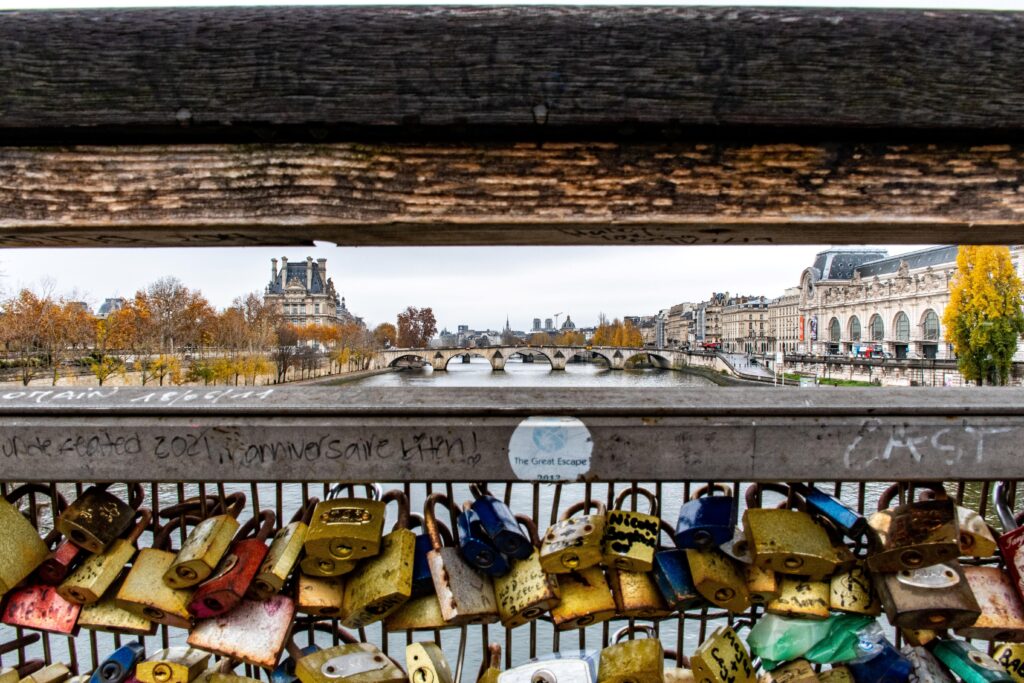
Crowds, Prices, and Unrealistic Expectations
I get it. Some travellers arrive in Paris and feel… underwhelmed. The Eiffel Tower? Beautiful, but surrounded by crowds. The Louvre? Majestic, yet exhausting. Long lines, packed metros, and overpriced coffee near the monuments can chip away at that dreamy image many arrive with.
And if you visit during peak season, it can feel more like navigating a theme park than exploring a city. Paris is romanticized so heavily in film and on social media that the real thing sometimes falls short, especially if your experience is limited to only the “must-sees.”
Paris becomes much easier to love when you stop trying to cross the city five times a day. I usually choose one area to focus on each morning instead of building rigid sightseeing routes across multiple arrondissements.
Paris is one of the clearest examples of why I created The Unrushed Itinerary Method. People often underestimate how exhausting overplanning becomes in dense European cities. The more tightly scheduled the trip, the less room there is for the moments people later remember most.
The Difference Between Tourist Paris and Real Paris
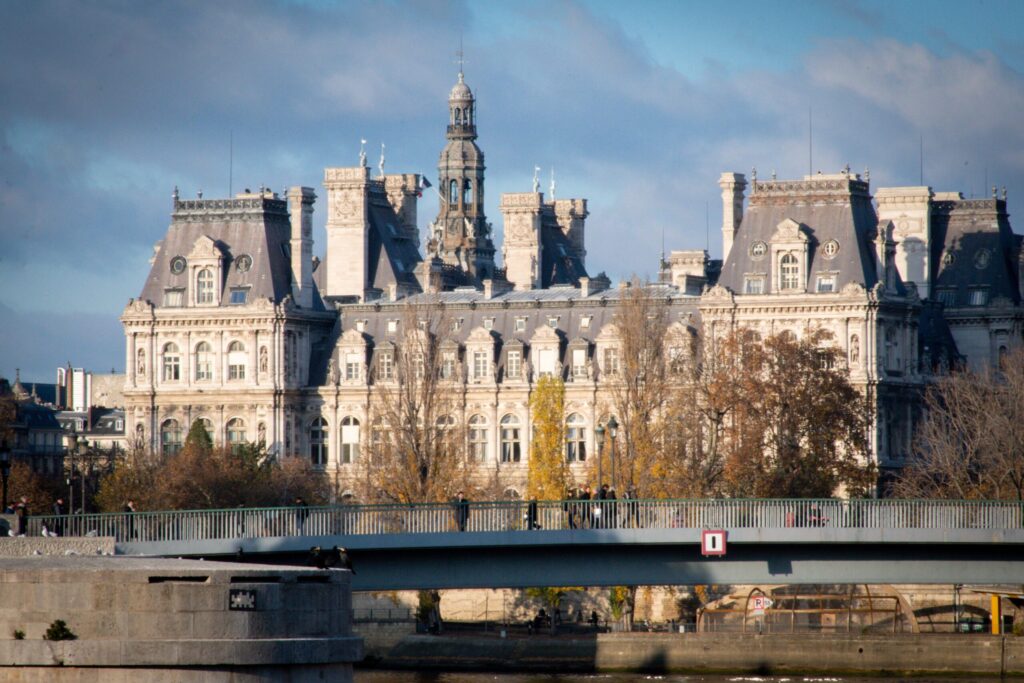
I’ve learned that the secret to loving Paris is not to expect it to entertain you. If you spend your entire trip moving from landmark to landmark, you’ll likely find yourself surrounded by other tourists doing the same thing. And that’s when the city starts to feel like a postcard instead of a place.
Instead, balance the highlights with places that aren’t on every list. That’s when you start to notice the heartbeat of the city, the rhythm of Parisian daily life.
The truth is, Paris isn’t a city to conquer. It’s a city to simply be in.
Is Paris Rude? What Travellers Often Misunderstand
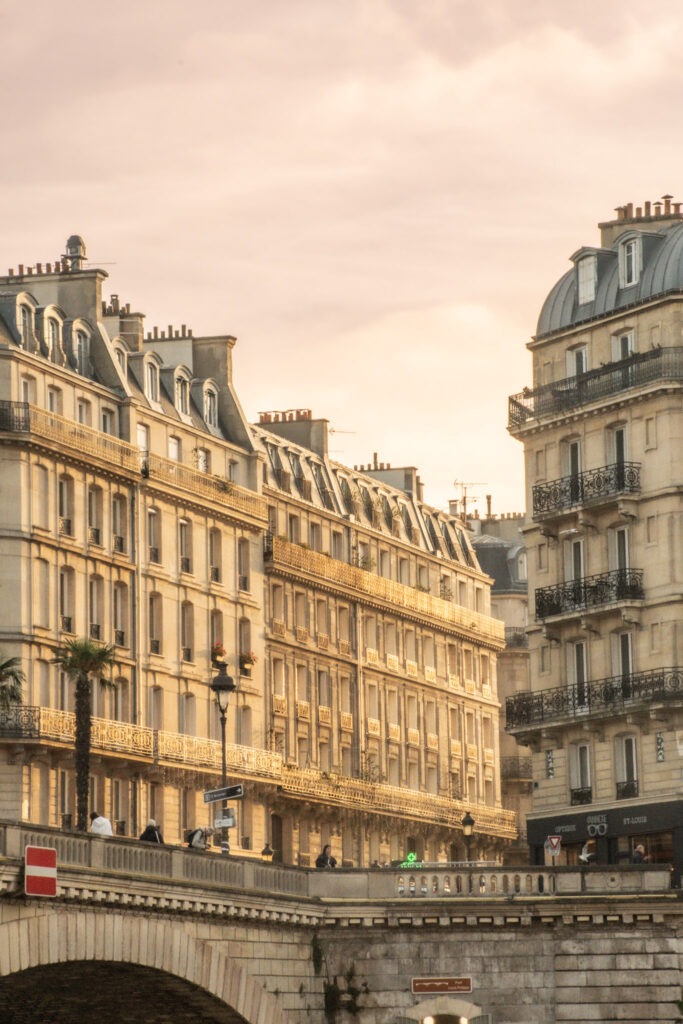
Then there’s the stereotype of “Parisian rudeness.” I’ve experienced the occasional brisk waiter or curt shopkeeper, but I’ve also had heartfelt conversations, kind smiles, and thoughtful gestures from locals.
What helped? Starting every interaction with “Bonjour.” It’s small, but it matters. It signals respect, and it changes the tone instantly.
Cultural differences are part of the experience. What may feel cold to some is simply a different pace of service and interaction. The best thing I’ve learned is to let go of my own expectations and adapt to the place I’m in.
We travel not to bring our world with us, but to step into someone else’s, and sometimes, that means shifting our perspective.
Paris will meet you where you are, if you let it.
Is Paris Worth Visiting More Than Once?
Why Paris Gets Better on Repeat Visits
I also think Paris works particularly well for repeat travellers to Europe. Once you stop feeling pressure to “see everything,” the city becomes much more enjoyable. Some of my favourite Paris memories came from mornings when I had absolutely nothing scheduled.
I’ve lost count of how many corners of Paris I’ve walked, and yet, with each visit, the city somehow feels new again. That’s one of the reasons I keep coming back: there is always something new to discover in Paris. Some of my favourite places appear in my e-book: “Experience Paris: Finding the Joy Slow Travel.”
Every time, I choose a different neighbourhood to get to know. I let myself wander side streets, linger at cafés I’ve never noticed before, and revisit familiar places with fresh eyes.
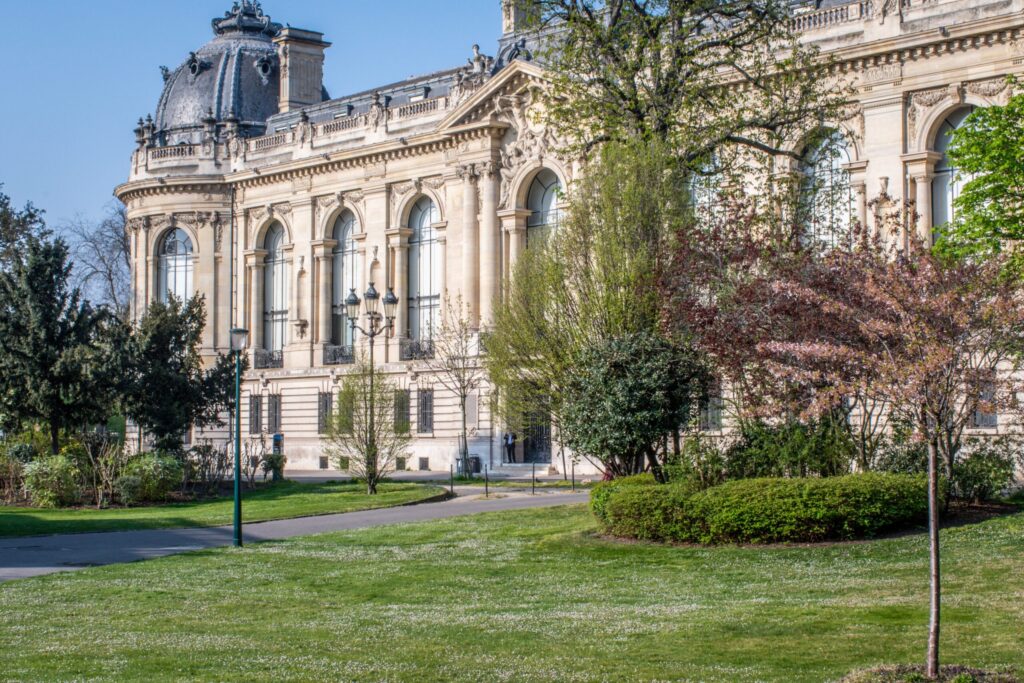
I’ve been in spring, when cherry blossoms scatter petals through the Jardin des Plantes. In autumn, I’ve found warmth in the golden tones of the city’s trees and café windows. And I’ve returned twice during the Christmas season, when the lights, markets, and quiet hush over the city bring a kind of stillness I love.
The more slowly I travel through Paris, the more deeply I connect with it. Beyond the big sights, there’s always more to discover, if you’re willing to look closer.
Why Some People Appreciate Paris More the Second Time Around
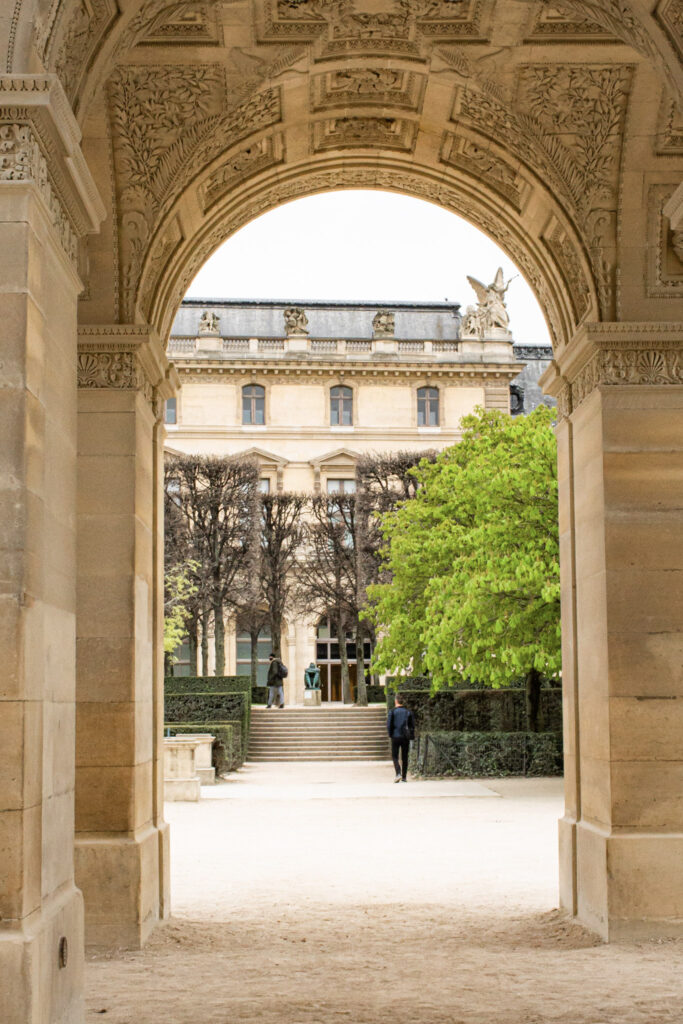
If your first visit left you uncertain, you’re not alone. Paris doesn’t always make it easy. It can feel a bit distant at first, like someone who doesn’t smile right away.
But when you slow down, do a little less, and stop trying to fit the whole city into one trip, something shifts.
For me, it happened in the quiet of a weekday morning at Place des Vosges, with nothing planned and nowhere to be. Or while chatting with the owner of a tiny bookshop in the Latin Quarter. These were the moments that softened my heart toward the city—and always makes me fall a little deeper in love.
Sometimes, Paris isn’t love at first sight. But it might just be a love that lasts.
So, Is Paris Worth Visiting?
Paris is perfect for travellers who crave beauty, who prefer wandering over rushing, and moments over checklists.
I think people struggle with Paris when they expect it to perform for them constantly. The city reveals itself more slowly than that. Some places impress immediately. Paris becomes more rewarding the longer you pay attention to it.
To me, Paris isn’t just a destination, it’s a mood, and a way of being. And that’s why it will always have a place in my heart.
If you’re planning a Paris trip and want a slower, more intentional experience, I offer personalized trip planning services designed around your travel style.


