
One of my favourite countries to return to is France, and discovering places I hadn’t originally planned to visit. That curiosity has taken me through small villages in the Luberon, into the hills above Nice, and back to corners of Provence I never seem to tire of exploring. I’ve spent weeks at a time exploring these areas when most travellers might spend a couple of days. I’ve also gone without a car and ventured into villages with a bit of luck, but I really think having a car makes all the difference.
Over the years, I’ve also learned to be selective. A village might look wonderful in photographs, but that doesn’t necessarily mean it’s worth going out of your way to visit. Sometimes the journey takes longer than the time you’ll want to spend there.
If you’re interested in exploring France off the beaten path, I’ll share how I find lesser-known places, what makes them worth visiting, and how to work them into an itinerary that makes sense.
This post may contain affiliate links, meaning I get a commission if you decide to purchase something through the links, at no additional cost to you. Read my Affiliate Disclosure.
What Does Off the Beaten Path Mean in France?
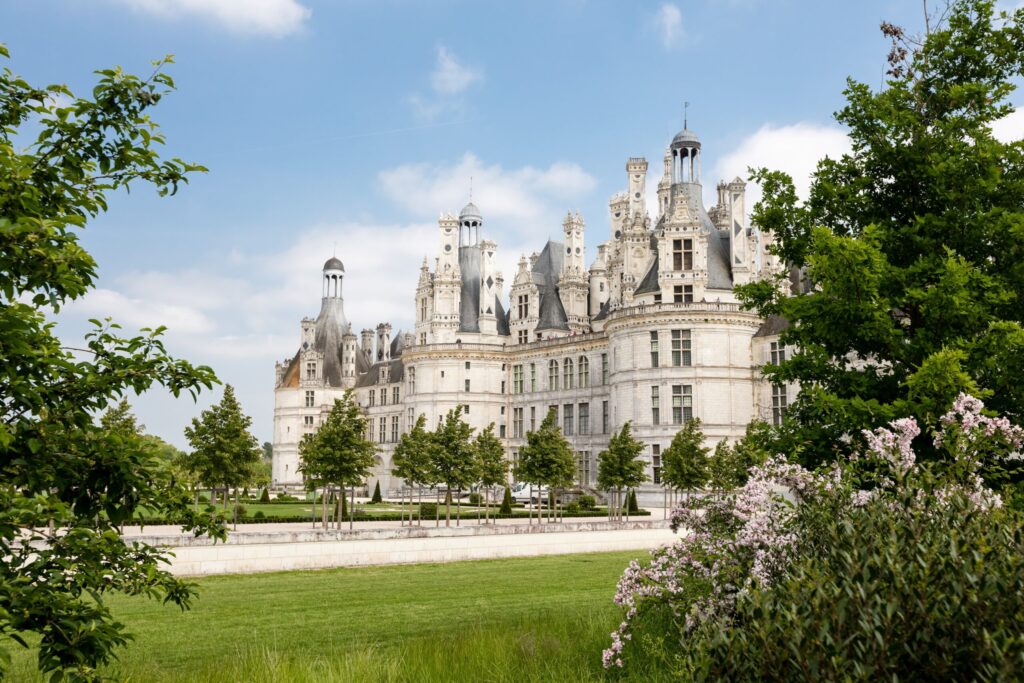
Travelling off the beaten path in France means different things depending on where you’re going and how familiar you are with the country. For a first-time visitor, a UNESCO-listed medieval town like Provins might feel like an unexpected discovery, even though it’s well known to Parisians. In Provence, you can leave a popular Luberon village such as Gordes and find somewhere considerably quieter just a short drive away.
I don’t think a destination needs to be remote or undiscovered to qualify. Some of the most interesting places are simply overlooked because they sit outside the usual tourist routes. Others are well known within France but receive relatively few international visitors.
And there’s an important distinction between somewhere being less visited and somewhere being worth visiting. A sleepy village might have beautiful architecture and wonderful views, but little else to occupy you. Another might be busy on market day yet offer exactly the kind of visit you’re looking for.
For me, the appeal is discovering places that add something to the trip, whether that’s a different perspective on a region, an interesting local tradition, or somewhere I’d happily return to.
How to Find Off-the-Beaten-Path Places in France

Finding lesser-known places in France takes a little more research than following the usual recommendations. I suggest starting with the region you’re already planning to visit and gradually widening your search. You might be surprised by how many interesting towns and villages are within a short distance of somewhere famous.
Look Beyond the Famous Towns and Tourist Routes
Start with a place you already know you want to visit, then open Google Maps and explore the surrounding area. Look beyond the towns that appear on every travel itinerary, paying particular attention to smaller villages, historical sites and neighbouring countryside.
When I spent a week in Nice, I wanted to explore beyond the coastline. That took me into the hills, where I discovered villages such as Peille and Peillon. Peillon wasn’t even on my original list. A local recommended it, and it turned out to be one of the most interesting villages I visited.
The contrast between these smaller communities and the more popular Èze or Saint-Paul-de-Vence was noticeable. They offered a different visit, with fewer shops and tourist facilities, but plenty to explore.
When I was in the Luberon area of Provence, I purposely chose to stay in a village that wasn’t one of the well-known ones. It was my host at my rented townhouse who told me about nearby villages such as Goult, Joucas and Oppède-le-Vieux. Sure, Gordes and Roussillon are beautiful places to visit, but it’s those places under the radar that I almost enjoyed even more.
Use Local Tourism Resources and French Heritage Designations
Regional tourism websites and local tourist offices are some of the most useful resources for discovering places that don’t appear in mainstream travel guides.
Since I started writing on Substack, I’ve discovered so many wonderful writers who have made their homes in small French towns and villages. I particularly enjoy following their everyday lives and the little excursions they take, whether it’s a neighbouring village or a weekend away. I’ve found their firsthand stories to be a great source of inspiration for places I might never have come across otherwise.
France also has several heritage designations worth researching. One of the best known is Les Plus Beaux Villages de France, an association that recognizes villages for their architectural heritage, preservation and overall character. That’s how I discovered Gassin, a little gem of a village that sits high above St. Tropez.
It’s a useful starting point, especially when exploring an unfamiliar region. However, I’ve visited enough of these designated villages to know that some attract considerable crowds, especially in popular regions in France.
Look for Local Markets, Traditions and Cultural Attractions
Another way to discover lesser-known places is to research what makes a particular town or region interesting.
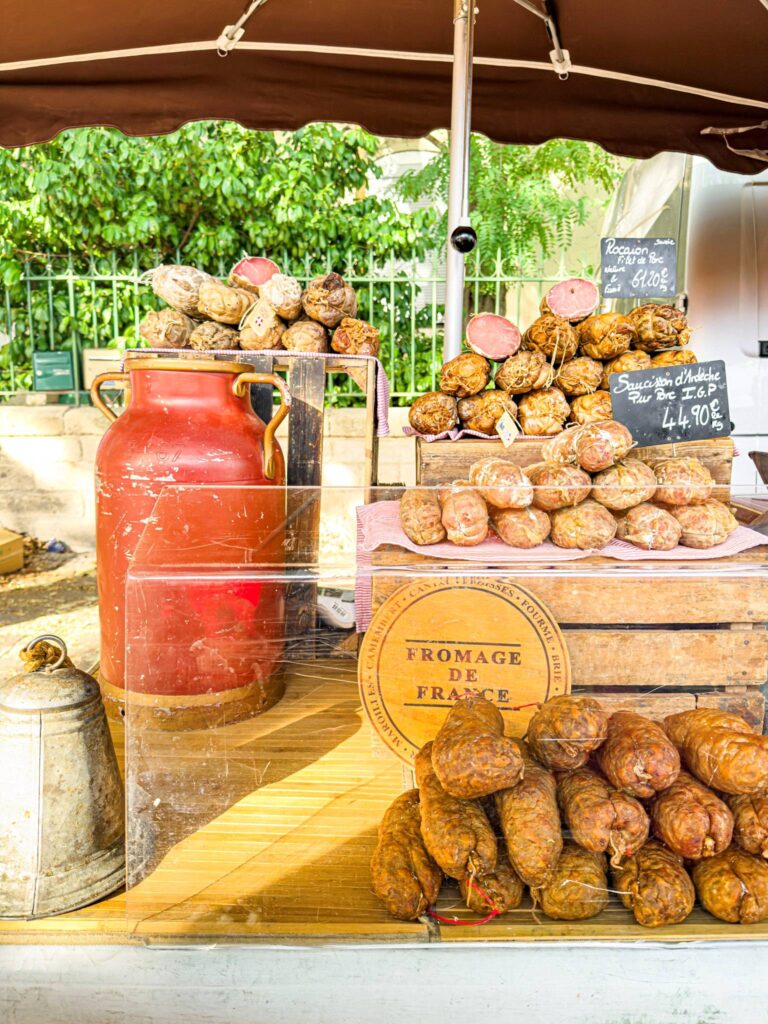
Weekly markets are a great starting point, especially in Provence, where different villages host markets throughout the week. When I spent a week exploring the Luberon, I visited a different market almost every day. It introduced me to places I might otherwise have passed through and gave me a reason to explore beyond the main attractions.
Your own interests can be a much better starting point than a list of pretty villages. If you love art, you might follow Van Gogh’s footsteps in Arles or explore the Art Nouveau architecture of Nancy. History enthusiasts could visit Arromanches-les-Bains to learn about the D-Day landings in Normandy, while wine lovers might plan a visit to the Champagne houses in Reims and Épernay. If traditional craftsmanship interests you, there’s the famous faïence pottery of Moustiers-Sainte-Marie, or you could explore the oyster-farming traditions around Arcachon if regional food is your passion.
How to Decide if a Place Is Worth the Detour

Once you’ve found a few interesting places, the next step is deciding which ones deserve a place on your itinerary. This is where I become more selective. I’ve travelled through enough French villages to know that some are worth planning a day around, while others are lovely for a short stop if you’re already passing through.
Before adding somewhere to my itinerary, I consider what draws me there, how much time the visit will take and whether it makes sense alongside the other places I want to see.
What Makes the Destination Worth Visiting?
I usually look for at least one compelling reason to visit beyond the scenery. It might be a particular historical site, a market I’ve wanted to explore, an interesting restaurant or a village with architecture quite different from others in the region.
I also consider what I’ve already included in the itinerary. If I’m spending several days exploring the Luberon, I don’t necessarily need to visit six hilltop villages, especially when some offer similar experiences. I’d rather choose a few with distinct characteristics and give myself enough time to appreciate them.
How Much Time Should You Allow?
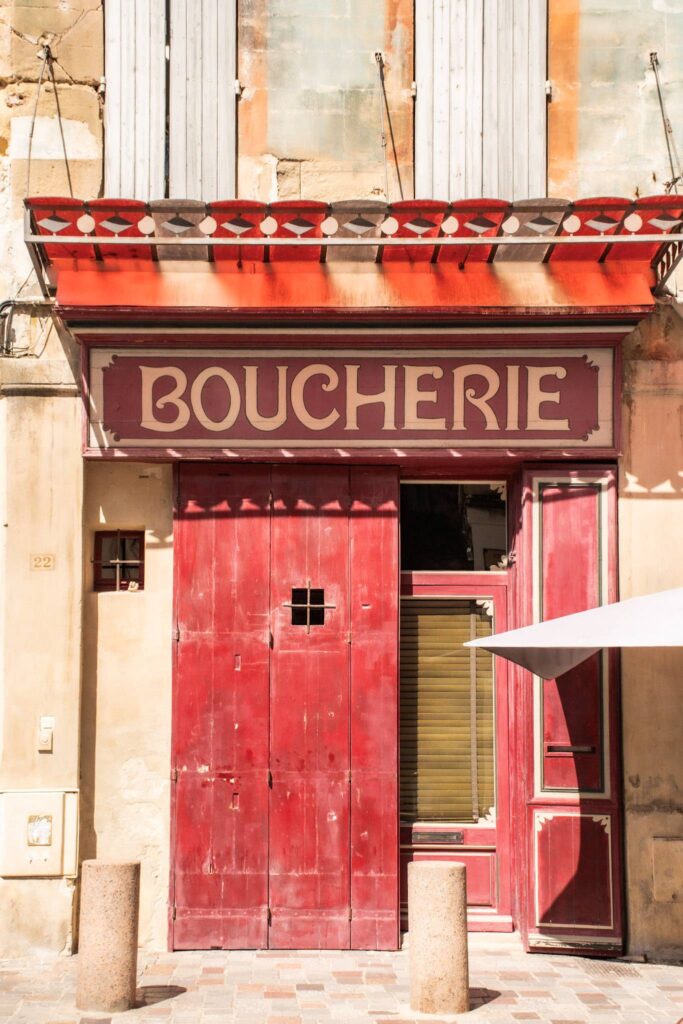
This is one of the most important considerations when planning detours. A village might be only 30 kilometres away, but if you’re navigating narrow country roads, finding parking and walking uphill to reach the historic centre, the visit can take considerably longer than expected.
I try to match the effort of getting somewhere with what I want to do once I arrive. If it’s a small village with a viewpoint and a handful of streets, an hour or two might be sufficient. If there’s a market, museum, walking trail or somewhere I’d like to stop for lunch, I’ll allow a half day or longer.
I’ve found that some places become much more enjoyable when you stay overnight. Gassin, for example, is small enough to explore in a few hours, but staying in the village gave me time to enjoy it beyond a quick sightseeing stop.
I also pay attention to how much time I’ll spend travelling compared with actually visiting. If reaching a village involves two hours of driving each way for a one-hour visit, I’d question whether it’s the best use of the day.
When Is the Best Time to Visit?
Sometimes, travelling off the beaten path has less to do with where you go and more to do with when you visit. Even some of France’s most popular destinations can feel surprisingly quiet outside the peak tourist season. A village like Èze, which attracts crowds throughout the summer, offers a very different experience in late autumn through to early spring.
The same applies to the day of the week. Having visited L’Isle-sur-la-Sorgue several times, including spending a week there, I’ve seen how much the atmosphere changes between market days and quieter weekdays.
If avoiding crowds is your main reason for seeking lesser-known places, consider visiting a more familiar destination outside its busiest periods before adding a remote village to your itinerary. You may get exactly the experience you’re looking for without travelling further.
There are trade-offs, of course. During the off-season, some restaurants, shops and attractions close or operate reduced hours. I always check what’s open before planning a visit, particularly in smaller villages where there may be limited alternatives.
The Downsides of Travelling Off the Beaten Path in France
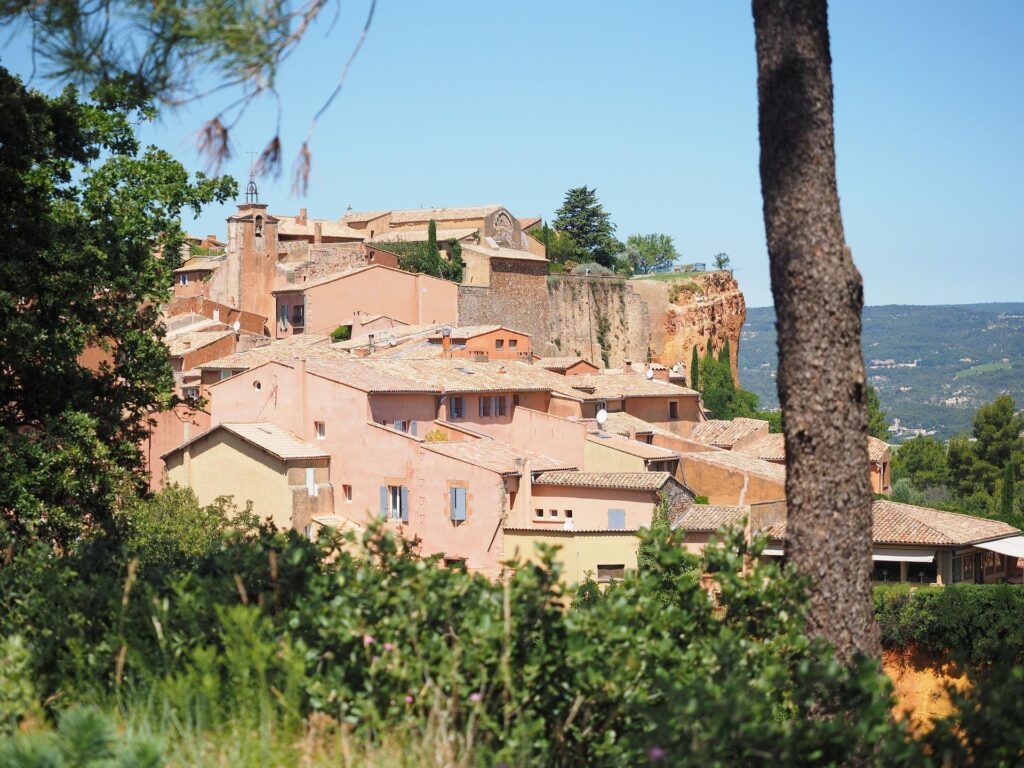
One of the biggest challenges of exploring lesser-known places in France is getting there. While the train network makes travelling between cities and larger towns relatively easy, many smaller villages have limited public transport or none at all. Renting a car for just a few days can open up places that would otherwise be difficult to include in your itinerary.
There’s also the question of what you’ll find when you arrive. Smaller villages often have fewer restaurants, shops and accommodation choices, and some businesses close for several days during the week or for extended periods outside the main tourist season. You may also encounter less English spoken. None of these are necessarily reasons to avoid visiting, but you’ll want to consider this.
I also wouldn’t assume that every village will have enough to occupy you for several hours. Some are wonderful for a short wander and a coffee, but there’s little reason to spend an entire day there. Others may be unexpectedly busy, particularly during local festivals, markets or summer weekends, despite their reputation as hidden gems.
The way I approach this is to build an itinerary around a region rather than individual villages. I choose a convenient base, identify places within a reasonable travelling distance and group nearby destinations together. For example, if I’m exploring the Luberon, I’d rather spend a day visiting two or three villages in the same area than drive back and forth across Provence to see places that are scattered throughout the region.
Exploring France Off the Beaten Path
After years of returning to France over a dozen times, I’ve come to appreciate just how much there is to discover beyond its most famous destinations. Some of my favourite places have been small villages I hadn’t initially planned to visit, while others have been familiar towns I’ve returned to and enjoyed under different circumstances.
My advice is to start with what interests you, research the surrounding area and be selective about the places you add to your itinerary. You don’t need to seek out the most remote village or avoid well-known destinations altogether. Sometimes the most rewarding discoveries are surprisingly close to places you’re already planning to visit.
If you’re planning a trip to France and would like help finding places that suit your interests while making the most of your time, my custom Europe trip-planning services can help you build an itinerary that brings together the places you want to see and those you might not have discovered on your own.