

Planning a trip to Paris sounds romantic until you start trying to piece everything together. Which arrondissement should you stay in? How many days do you really need? What should you book ahead of time? And how do you experience Paris without spending the entire trip rushing from one landmark to the next?
After over a dozen visits to Paris over several decades, I’ve learned that the city rewards thoughtful planning. The travellers who enjoy Paris most are rarely the ones trying to see everything. They’re the ones who stay central, pace their days well, book a few key things ahead, and leave room to simply wander.
I’ll share the practical Paris travel tips I return to myself: when to visit, where to stay, mistakes to avoid, how to structure your days, and the small decisions that make a trip to Paris feel far less overwhelming and far more rewarding.
This post may contain affiliate links, meaning I get a commission if you decide to purchase something through the links, at no additional cost to you. Read my Affiliate Disclosure.
What First-Time Visitors Planning a Trip to Paris Often Get Wrong

Most first-time visitors don’t make major mistakes in Paris. They make small planning decisions that slowly wear them down over the course of the trip.
They try to see too much. They underestimate how large Paris feels when moving between neighbourhoods. They stay too far from where they actually want to spend time. And they fill every day so tightly that there’s no room left for the version of Paris they imagined in the first place. That said, if there is something you really want to see or do, tickets sell out weeks in advance for top sites, even including visiting the Catacombs.
One of the biggest surprises is how physically tiring Paris can be. You walk constantly. Metro stations often involve stairs. Museum days are long. Crossing the city several times in a day may seem productive, but after a few days, it becomes exhausting.
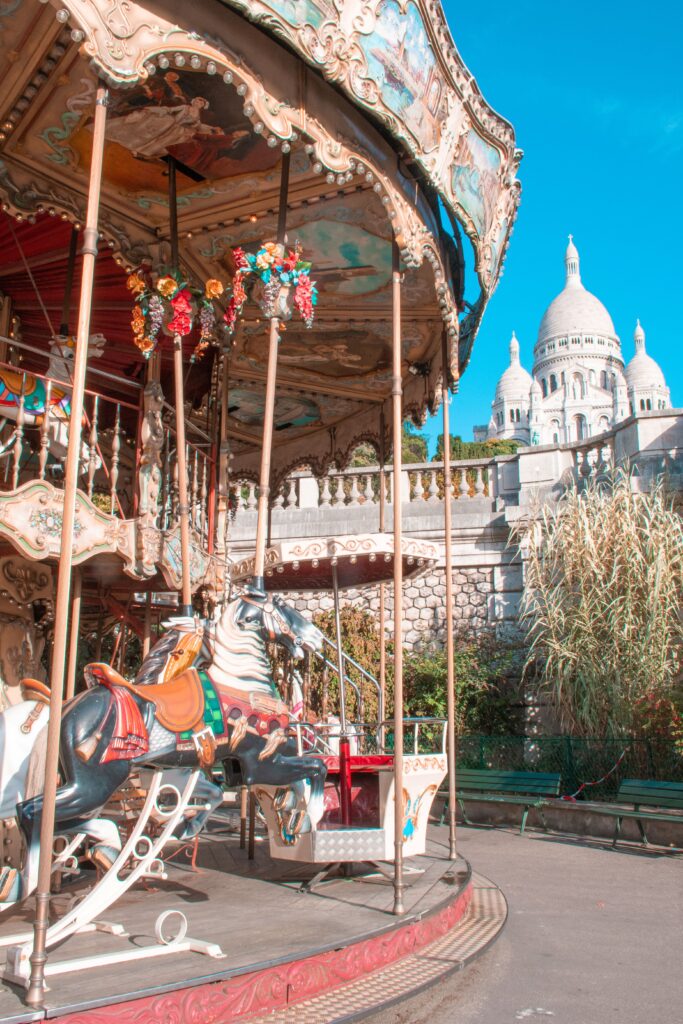
This is why I always recommend grouping your days by area instead of zig-zagging across the city. Spend one day around the Left Bank, perhaps around Saint Germain in the 6th arrondissement. Another day in Le Marais on the Right Bank. Visit the streets of Montmartre early in the morning to avoid the crowds.
If you only chase landmarks, Paris will feel crowded, overly touristy and exhausting. This is why some leave disappointed, saying they “didn’t get Paris.”
Another mistake is choosing accommodations based only on price. Saving a little money by staying farther out often means spending more time commuting and less time actually enjoying Paris. For a first trip, staying central matters more than you think. I recommend the arrondissements closest to the Seine River.
Many travellers also overbook museums and landmarks, thinking they need to “see Paris properly.” In reality, museum fatigue happens quickly here. I would rather spend a slower afternoon wandering Île Saint-Louis or sitting at a café terrace than rushing through a second museum simply because it was on a list.
Paris also rewards slower pacing in ways many travellers do not expect. Meals take longer. Cafés are meant for lingering. Spending time in the gardens of Paris takes time because the details constantly pull your attention elsewhere.
That Paris rhythm impacts other aspects, too. Dinner often starts later than North Americans are used to, especially in neighbourhood restaurants where locals eat later into the evening. Sundays feel noticeably quieter, while Mondays and Tuesdays can catch travellers off guard, with some museums closed. These small details matter when planning your days.
The travellers who enjoy Paris most are usually not the ones trying to conquer the city. They are the ones who leave space in their itinerary for the unexpected.
If you want to experience Paris beyond the major sights, my eBook Experience Paris: Finding the Joy of Slow Travel shares the slower rituals, neighbourhood rhythms, and small moments that changed how I experience the city after years of returning.
Not every meal needs a reservation, either. Some of my favourite moments in Paris have come from stumbling into a small neighbourhood café or bistro after wandering for hours. I usually reserve only a few places I truly care about and leave the rest flexible. Paris rewards that kind of spontaneity far more than an overplanned itinerary.
How to Plan a Paris Trip Without Burning Out
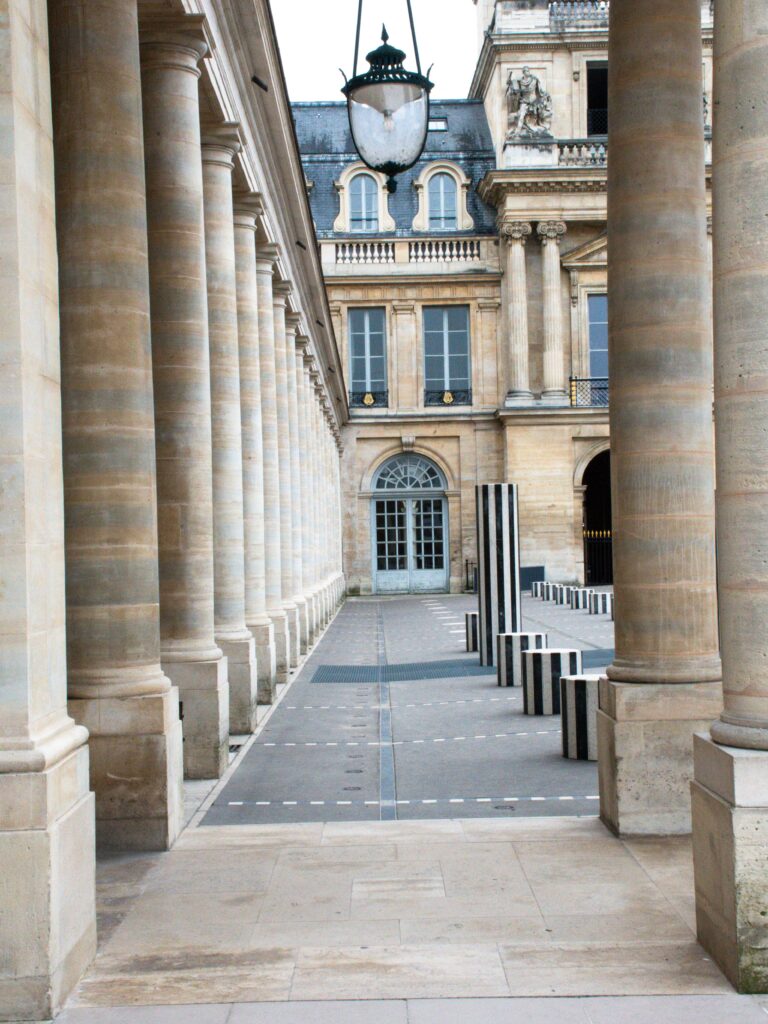
One of the biggest mistakes first-time visitors make in Paris is trying to do too much in a single day. The city may look compact on a map, but moving around Paris takes more time and energy than many travellers expect.
After several trips, I’ve learned that Paris works best when your days have a loose structure rather than a packed checklist.
I usually plan around one major sight or museum per day. That might mean visiting the Louvre in the morning, then spending the rest of the day slowly exploring the surrounding neighbourhood rather than rushing across the city to fit in three more landmarks.
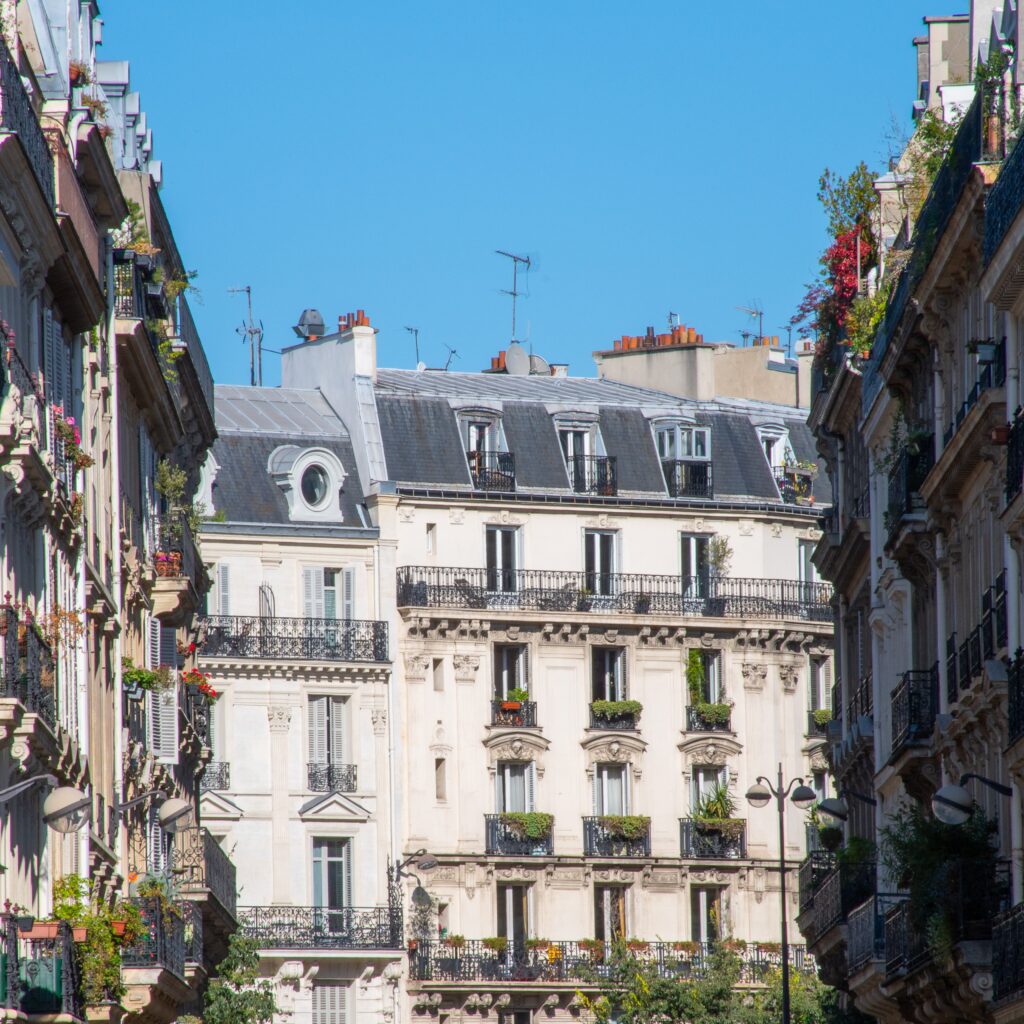
Arrival days deserve special attention. Many travellers land overnight from North America and try to immediately begin sightseeing. I never recommend scheduling anything major for that first day. Instead, keep it light. Walk your neighbourhood, have a long lunch, sit at a café terrace, or take a relaxed Seine cruise. Paris is far more enjoyable once you settle into its pace rather than fighting against it.
I also leave open space in every itinerary. Some of my favourite moments in Paris were never planned: discovering a quiet covered passage, wandering into a small church, finding a neighbourhood market, or sitting in one of those iconic green metal chairs in Jardin du Luxembourg.
This is also why I encourage travellers not to overbook museums. Paris has an incredible concentration of world-class museums, but trying to visit too many back-to-back can quickly become overwhelming. I would rather fully enjoy one museum and one neighbourhood than rush through four major attractions in a single day.
Evenings matter in Paris, too. Some of my favourite memories are not from major landmarks, but from slowing down at the end of the day: walking along the Seine at sunset, attending a candlelight concert at Sainte-Chapelle, or lingering over dinner in a neighbourhood bistro.
For travellers wanting to experience more than the major landmarks, Airbnb Experiences can add a more personal side to Paris. From market visits and pastry walks to photography sessions and neighbourhood explorations, these small host-led experiences often introduce parts of the city you might otherwise overlook.
Paris is one of the reasons I created The Unrushed Itinerary Method. The city rewards travellers who plan thoughtfully, group their days well, and leave enough flexibility for the unexpected moments that often become the most memorable.
How Many Days in Paris Do You Really Need?
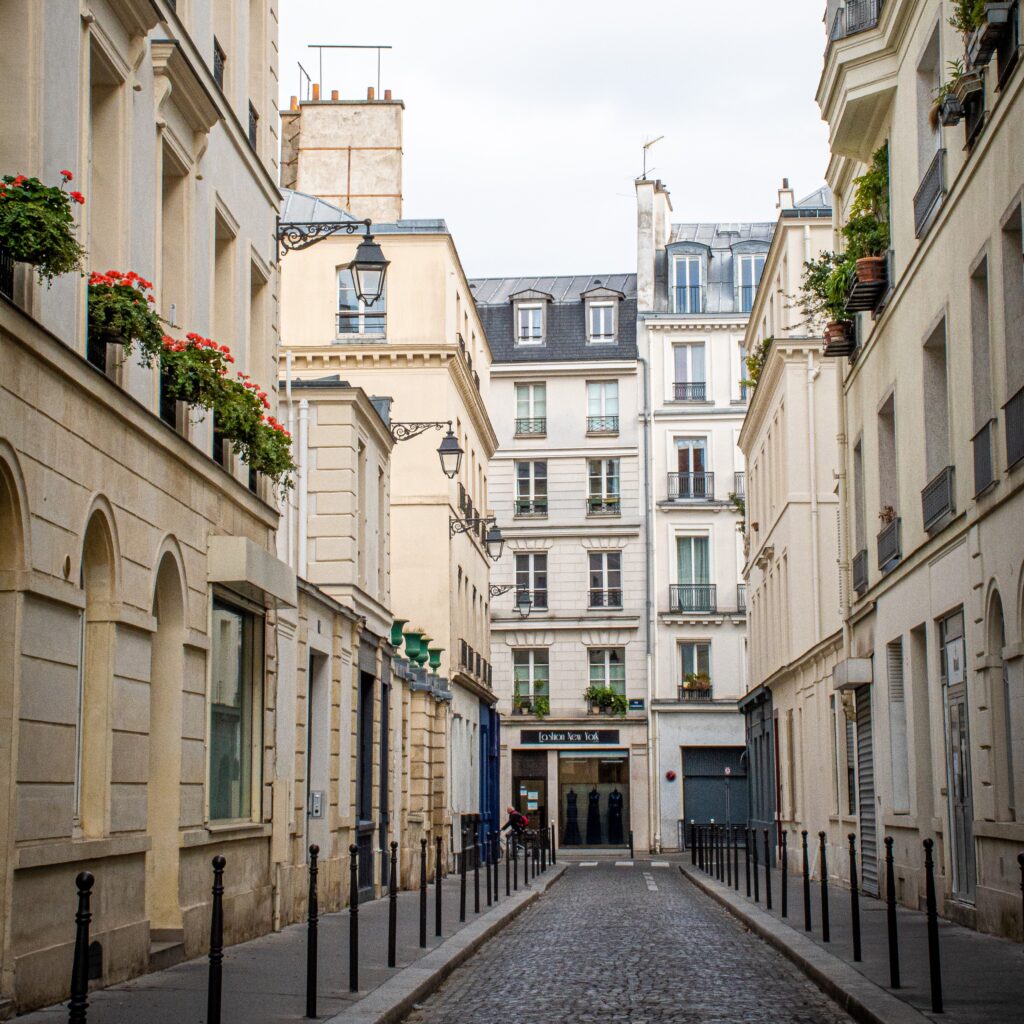
One of the most common mistakes first-time visitors make is underestimating how much time Paris needs. The city is not difficult to see quickly, but it is difficult to experience quickly.
If this is your first trip, I think four to five days is the sweet spot for most travellers. That gives you enough time to visit a few major sights, explore different neighbourhoods, maybe take a day trip to Versailles and still leave room for slower moments in between.
A shorter trip can absolutely work, especially if Paris is one stop within a larger France or Europe itinerary. But with only two or three days, it becomes even more important to pace yourself well and avoid trying to see everything.
A week in Paris allows the city to unfold differently. You begin revisiting cafés, recognizing streets, slowing down in the evenings, and experiencing more of the everyday that many travellers miss on shorter stays.
The right amount of time also depends on your travel style. If you enjoy museums, slower mornings, neighbourhood wandering, and long dinners, Paris rewards extra days far more than tightly packed sightseeing schedules.
If you’re still deciding how long to stay, I share a more detailed breakdown in my guide to exactly how many days in Paris is enough for different travel styles and itineraries.
Where to Stay in Paris Without Regretting It

Where you stay in Paris shapes your entire experience of the city. A good location makes Paris feel walkable, relaxed, and easy to settle into. A poor one can leave you spending too much time commuting and too little time actually enjoying the neighbourhoods you came to experience.
For a first trip, I always recommend staying central, ideally within the 1st through 6th arrondissements. You will spend less time on the Metro, more time walking, and it becomes much easier to return to your accommodations for a break during the day.
Many first-time visitors instinctively look near the Eiffel Tower in the 7th arrondissement, but I don’t recommend it. It’s a bit farther removed than what you think, and you can see the Eiffel Tower from many parts of Paris without basing your entire trip around it, and the surrounding area can feel surprisingly quiet at night. Avoid Montmartre as it is too touristy, hilly, and removed from the rest of Paris.
I also would not recommend staying too far outside the centre simply to save money, especially on a shorter trip. Paris is a city best experienced between plans: walking to dinner, wandering side streets, stopping spontaneously at a café, or crossing the Seine at night. Staying central makes those moments much easier.
The right neighbourhood depends heavily on your travel style. Some travellers want classic Left Bank atmosphere and quieter evenings. Others prefer the energy of Le Marais, with its cafés, boutiques, and busier streets. After multiple visits, I’ve found myself returning again and again to Saint-Germain and the streets around Rue du Bac because they feel lived-in, walkable, and well-connected without feeling overly touristy.

I share much more detailed neighbourhood breakdowns, boutique hotel recommendations, and apartment rental advice in my full guides on where to stay in Paris.
- My stay at Pavillion de la Reine in Le Marais
- My experience staying with Paris Vacation Apartments
- My experience staying in this Le Marais vacation apartment
- My special offer for these chic Paris apartments in Saint Germain
For repeat trips to Paris, I recommend staying in a neighbourhood you love. But it’s also about exploring more of Paris, and the 9th, 10th and 11th arrondissements offer more nuanced experiences. You’ll find lively streets, cafés, and a more local feel to these arrondissements.
Practical Planning Paris Travel Tips That Make a Big Difference
A few small planning decisions can make a surprisingly big difference in Paris, especially on a first trip.
For major sights like the Eiffel Tower, the Louvre, Sainte-Chapelle, and the Catacombs, I strongly recommend booking ahead with either Viator or Get Your Guide. Paris has become far more reservation-based than it once was, and waiting until arrival can leave you with limited times or sold-out days.
For transportation from Charles de Gaulle Airport, I usually recommend a taxi after a long overnight flight, especially if it’s your first time in Paris or you’re arriving with luggage. The flat-rate fares for the right bank and left bank make the process straightforward, and after an overnight flight, simplicity often matters more than saving a little money. The RER B is reliable and inexpensive, but navigating stairs, connections, and crowded train cars while jet-lagged is not always the ideal introduction to the city.
The Metro itself is easy to use once you understand the system, but many stations involve stairs and long corridors. Comfortable walking shoes matter far more in Paris than most travellers expect.
Restaurant reservations are worth making for places you genuinely care about, especially for dinner. But I would not overbook every meal. Some of the best experiences in Paris come from choosing a neighbourhood, wandering a little, and settling into a café or bistro that feels right in the moment. Tipping in Paris is simple. Always round up your bill, and for exceptional service, leave 10%.
I also recommend being realistic about how much you can comfortably accomplish in a day. Museum visits often take longer than expected, lunches stretch naturally, and Paris rewards travellers who leave room for unplanned moments between reservations. It also depends on the time of year you are travelling. Peak travel times will add extra time to everything that you do.
Basic etiquette matters here, too. Always begin interactions with bonjour before asking a question or ordering. It changes the tone of the interaction immediately.
Pickpocketing happens in crowded areas, especially near the Eiffel Tower, Sacré-Cœur, and on the Metro. Be cautious of “friendship bracelets,” petitions, or people asking for signatures; they often lead to harassment or requests for money. Keep your wallet in a front pocket or a secure crossbody bag.
And finally, I would skip the expensive Paris city passes unless you have carefully calculated the value against your actual itinerary. Most travellers do not end up using them enough to justify the cost.
Your Vacation to Paris Will be Better Once You Stop Trying to See Everything
Paris is one of those cities that changes depending on how you approach it. The more thoughtfully you plan, the more space you create for the version of Paris most travellers hope to find: slower mornings, neighbourhood cafés, evenings along the Seine, and the small moments that rarely appear on an itinerary.
After more than a decade of returning to Paris, I’ve found the city is best experienced with realistic pacing, a central base, and enough flexibility to let the day unfold naturally. You do not need to see everything to have an unforgettable trip to Paris. In fact, I always recommend people do as little as possible in Paris.
If you would like help planning a well-paced Paris itinerary tailored to your travel style, interests, and pace, I offer custom Europe trip planning services designed to help you experience Paris more thoughtfully and less rushed.


