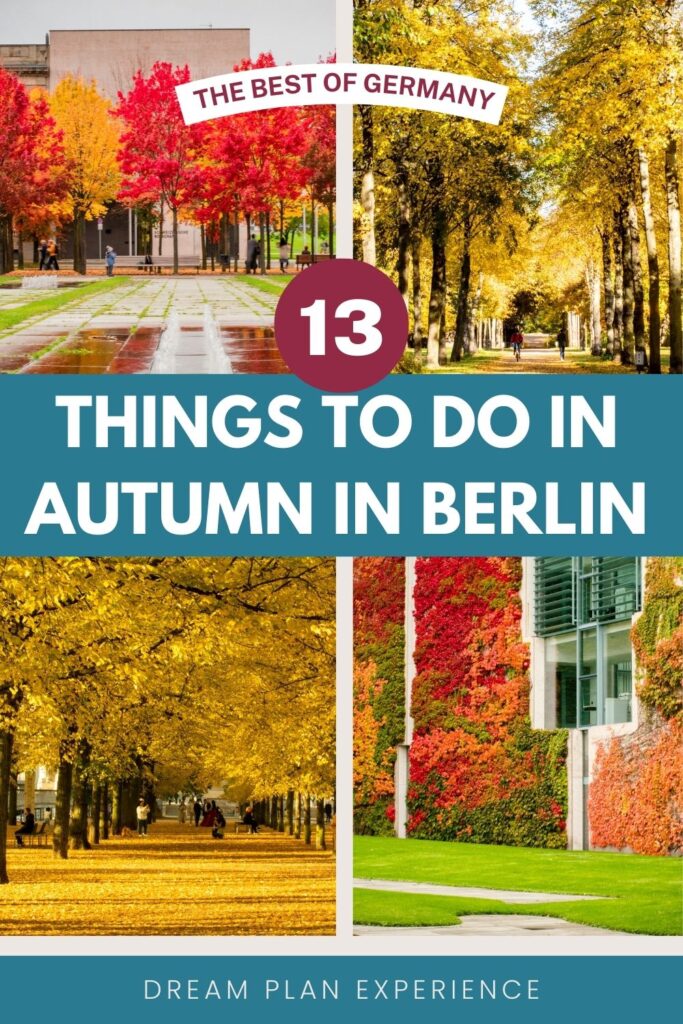
Berlin in autumn is one of the best times to visit the city.
I got to experience the full autumn season firsthand as I lived in the city from September to December. I saw the differences in weather, in crowds and in its fall festivals each of the three months.
This is when I found the city most livable. Tourists left the city, and were replaced by the everyday life of school drop-offs, business lunches, and weekend rituals. As a slow traveller, this is how you get to know a city like Berlin.
I’ll show you what’s actually worth doing at this time of year, how to group your days so they flow, and where autumn shows up in a way that feels specific to Berlin.
This post may contain affiliate links, meaning I get a commission if you decide to purchase something through the links, at no additional cost to you. Read my Affiliate Disclosure.
Quick Answer: Is Berlin Worth It in Autumn?

Yes. This is one of the best times to visit Berlin.
I lived in the city from September through December, and the shift after summer is noticeable. By September, the pace changes. The crowds drop in a way that feels different from other European capitals.
In cities like Rome, Paris, Lisbon, or Madrid, early autumn still feels busy. September and even October hold onto peak-season energy. Berlin doesn’t work that way.
Here, the summer months feel full. But by the second week in September, the city feels local.
The city belongs to residents, not visitors. It becomes easier to move through the must-see places without constantly adjusting your pace.
This makes visiting Berlin easier to plan well. You don’t need to rush between sites like CheckPoint Charlie to Alexanderplatz. You can group your days by area, spend longer in one place, and let the day unfold a bit more naturally.
If you’re looking for a version of Berlin that feels more lived-in than visited, autumn is when it shows up.
When to Go to Berlin in the Fall Season
Mid-September to early October
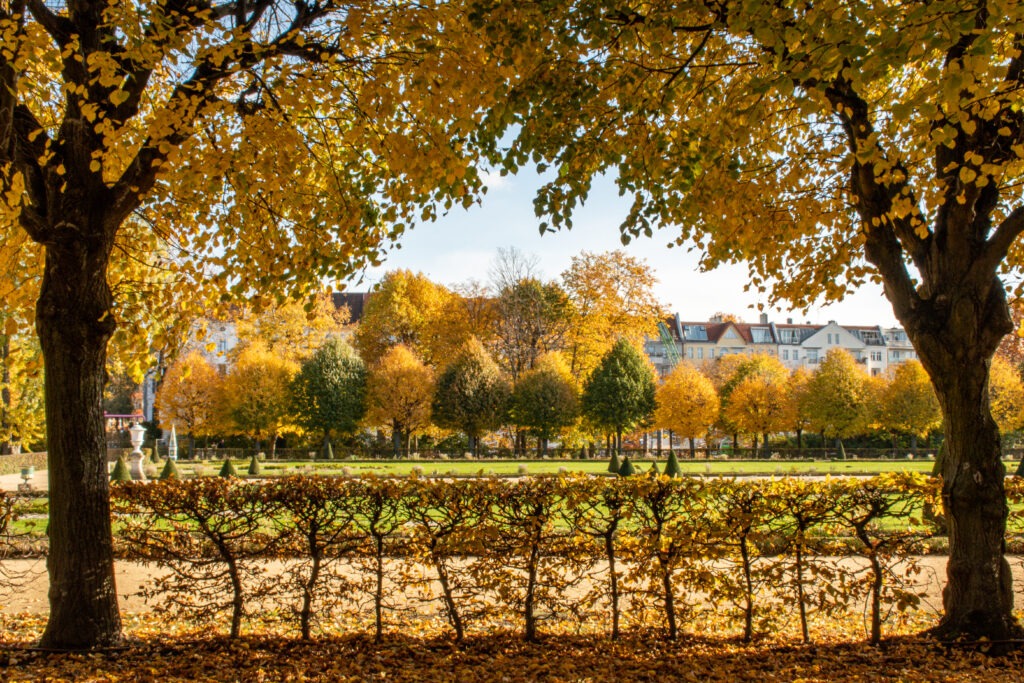
This is the easiest time to get the balance right. The leaves start to turn, but the city still holds onto late summer. You can stay outside longer. River cruises still feel comfortable. Cafés and terrace restaurants are still in full swing, and biergartens are open. If you want Berlin with some autumn feel, but without giving up the outdoors, this is the window.
Mid to late October
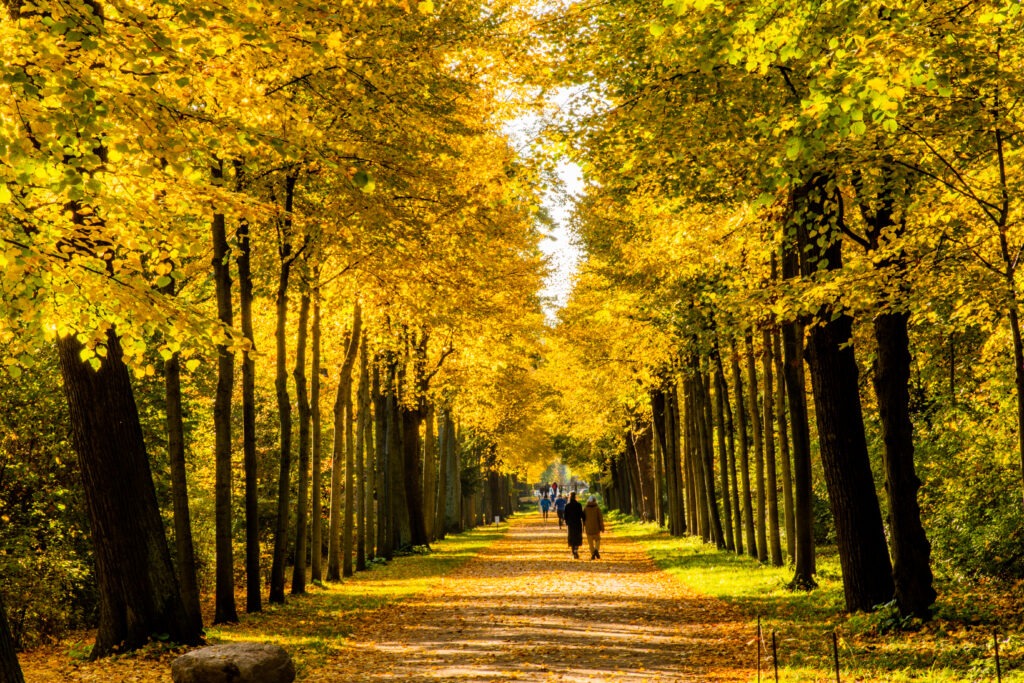
This is peak autumn. The colour is there, but the days shorten quickly. Berlin undergoes a mesmerizing transformation as the leaves turn to fiery shades of red, orange, and gold, creating a picturesque backdrop as you explore the city. This is where I started pairing my days. A walk through a park, then inside to a museum or café. Most outdoor biergartens close around this time, and the shift to indoor dining becomes noticeable.
November
This is where people get it wrong. It’s colder, darker, and often damp. But it’s also quieter; you even see fewer of the locals in the streets. This is when I slowed everything down. Cafés, museums, longer meals. Menus change, too. You start to see more of the heavier, traditional dishes at traditional German restaurants, focusing on slowly roasted meats, rich gravies, potatoes, and red cabbage.
December
At this point, you’re no longer in autumn. You’ve moved straight into the Christmas market season. Berlin doesn’t decorate the entire city in the way some capitals do, especially Paris. You won’t find lights and decorations everywhere. Most of the atmosphere is concentrated in the markets themselves. If you’re coming for that experience, plan around the markets, not the streets.
Where Autumn Actually Shows Up in Berlin

Autumn isn’t something you go see in one place. You notice it as you move through the city.
It shows up in parks first. Then along the river. Then, in the quieter residential streets where you’re not rushing to the next landmark.
If you’re expecting one standout viewpoint, you won’t find it here. Berlin’s autumn is more subtle than that. You have to place yourself in it.
Here’s where it consistently shows up, and how I’d use each.
Tiergarten (start here if it’s your first time)
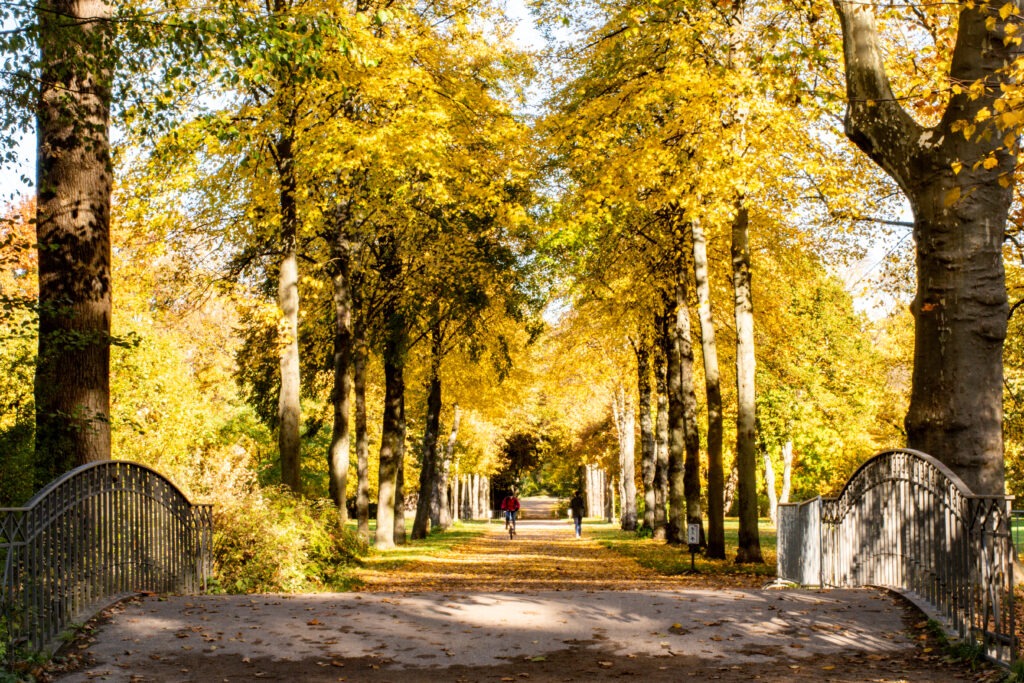
This is where autumn feels most prevalent. It’s central, easy to pass through, and large enough that you don’t feel confined to a single path.
Go in the morning if you can or late afternoon, when the lighting shines softly through the leaves, casting a contrast of light and shadows. I also recommend you visit the Victory Column if you want to see Tiergarten Park from above. This is one of my favourite vantage points, especially this time of year.
If your itinerary is tight, this is the one park I wouldn’t skip.
If you have unlimited time, stroll through these other Berlin parks where you will find locals doing the same.
Along the Spree
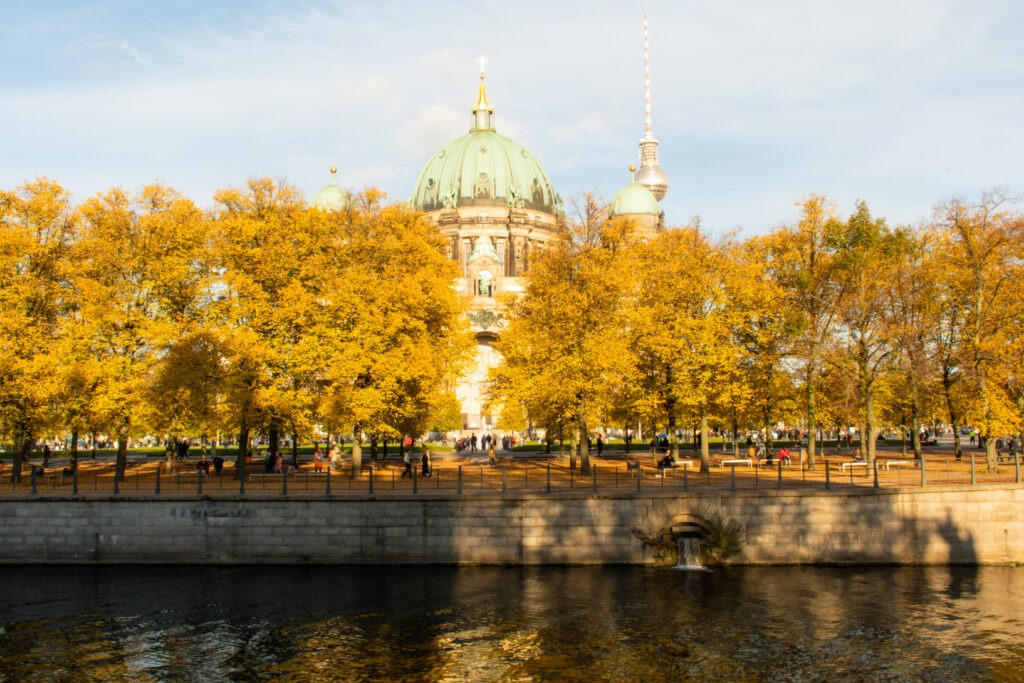
The stretch from James Simon Park to Monbijoupark and up toward Ebertsbrücke works well for a walk between areas.
This is one of the peak foliage areas. The ivy vines turn red, and there’s something magical about how the city feels when you’re moving alongside the water with trees lining the path.
I used this as a connector, not something I planned separately.
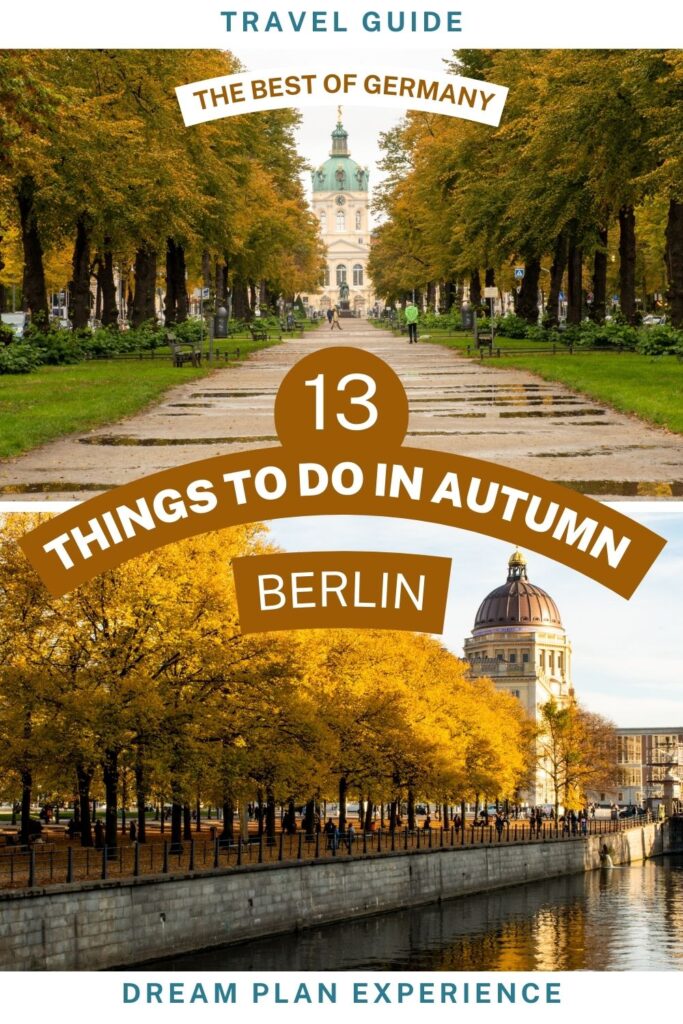
Charlottenburg Palace Gardens
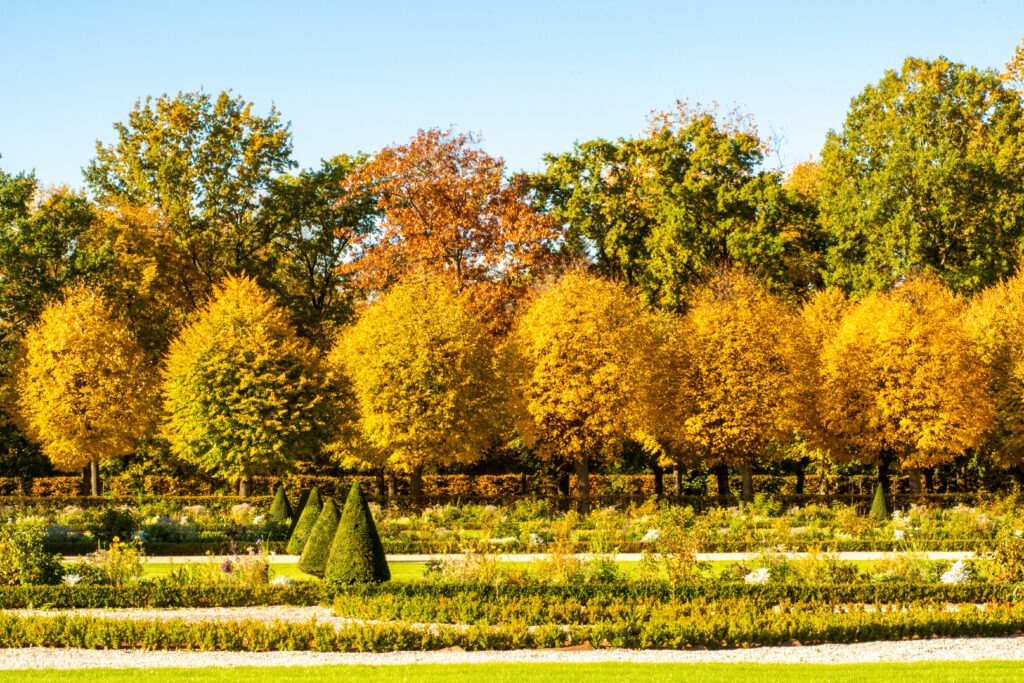
If you want something more elegant and composed, this is where to go.
The gardens are wider, more formal, and far more beautiful than Tiergarten. It feels slower out here, but you do need to commit time to getting there.
I’d only include this if you’re already planning time in the west of the city, and perhaps if you wanted to visit the Palace itself.
Residential streets in Prenzlauer Berg (this is where it feels local)

This is where autumn felt the most lived-in to me, perhaps because this is where I lived.
Tree-lined streets, quieter mornings, cafés opening for the day. It’s very subtle, but one of my favourite neighbourhoods to visit.
I’d build a morning around this. Walk without a fixed route, stop for coffee, and let the area set the pace. Visit some of the independent shops in and around Rykestraße.
Courtyard of the State Library
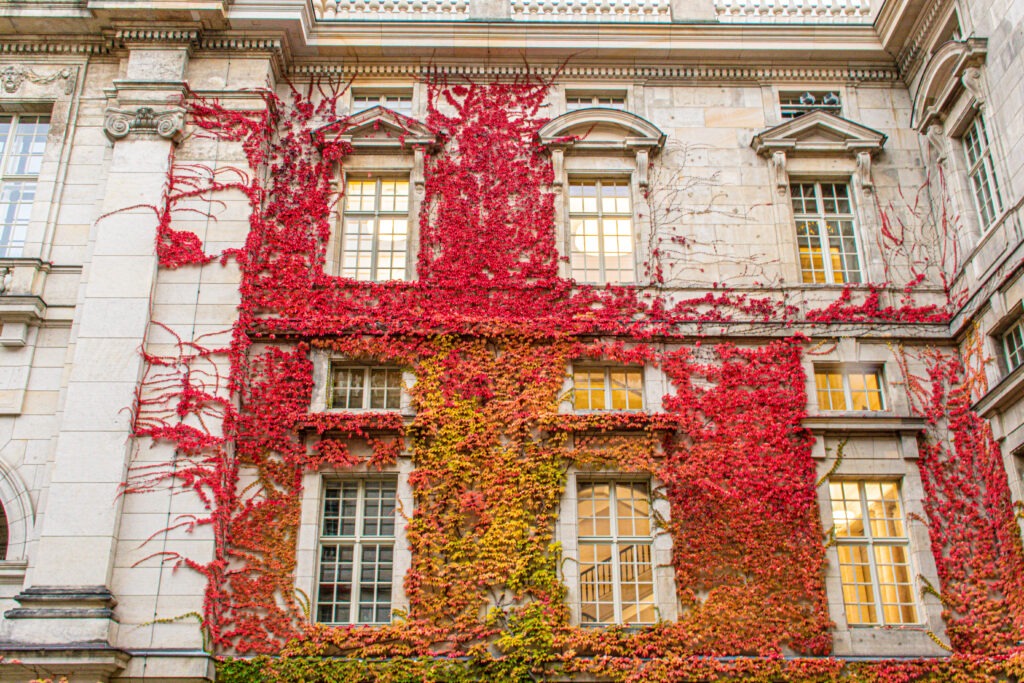
This is easy to miss, even if you’re nearby.
Just off Unter den Linden, the courtyard of the Staatsbibliothek is enclosed and quiet, with ivy that turns deep orange and red in autumn. It stands out because everything else around it feels so open and busy.
I’d step in here briefly if you’re already walking between Museum Island and Brandenburg Gate. It’s not a destination, but it’s a pause that feels different from the street.
Spreebogenpark

This area, which sits in front of the Reichstag, is often never visited, as most people focus on going inside.
But the Platz der Republik has wide paths, fountains, open space, and rows of trees that turn yellow and bright red.
I used this more in the afternoon, perhaps as you walk through the modern government buildings that line the curved Spree River.
What to Do in Berlin during the Autumn Season
Experience a Fun Fall Festival
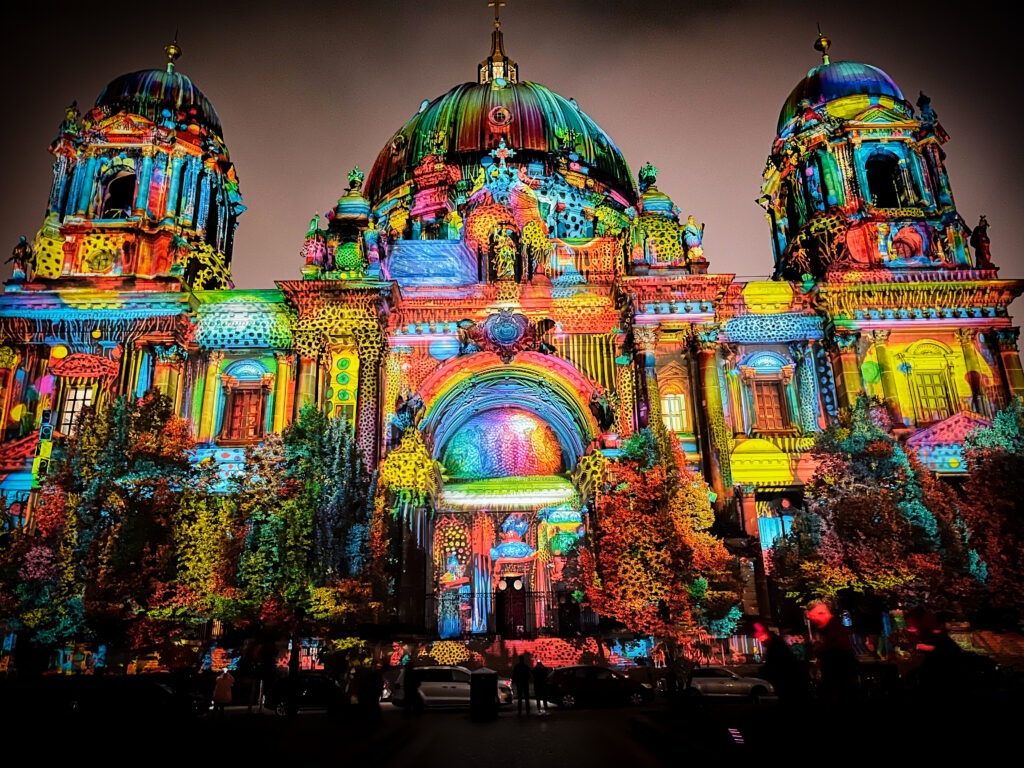
Berlin comes alive with unique festivals and events throughout autumn, offering everything from cultural celebrations to seasonal markets.
Here are the events and festivals I attended and highly recommend:
September
- Berlin Art Week: A must for art lovers, featuring exhibitions, installations, and gallery openings across the city. (11—15 SEP 2024)
- Oktoberfest Berlin: While not as large as Munich’s, Berlin’s Oktoberfest brings Bavarian beer, food, and lively music to the capital. (Friday and Saturday 13 SEP to 26 OCT 2024)
October
- Festival of Lights: Famous landmarks are illuminated with stunning light displays. (4—13 OCT 2024)
- Day of German Unity: Celebrations take place across Berlin to mark the reunification of Germany, with concerts, and it’s a public holiday. (3 OCT 2024)
November
- Jazzfest Berlin: A renowned international jazz festival bringing talented musicians from around the world. (31 OCT—3 NOV 2024)
- Cheese Berlin: An annual festival showcases a wide range of artisanal cheeses from local and international producers, offering tastings and workshops at Markthalle Neun (3 NOV 2024)
December
- Christmas Markets: Berlin’s many Christmas markets offer handmade crafts, mulled wine, and festive foods that start mid to late November and continue into December.
Tour Berlin Museums
Berlin is one big museum, with over 170 of them, and many of them being free, you’ll never fall short of what to visit.
There are information plaques all over the city marking historically significant events and memorials that you don’t even need to set foot in an actual museum.
But if the weather is not cooperating, it’s the perfect way to spend your time in the city. Find out if a Museum Pass and Berlin Welcome Card are worth it for your visit.
Here are my top 3 favourite museums that I recommend:
- Berlin Dom is a stunning architectural gem that is a cathedral, museum and viewing platform all in one place
- Jewish Museum Berlin is a thought-provoking museum that explores the history and culture of Jewish life in Germany
- The UNESCO World Heritage site of Museum Island is home to world-class museums such as the Altes Museum and the Neues Museum.
Take a Boat and Bike Ride
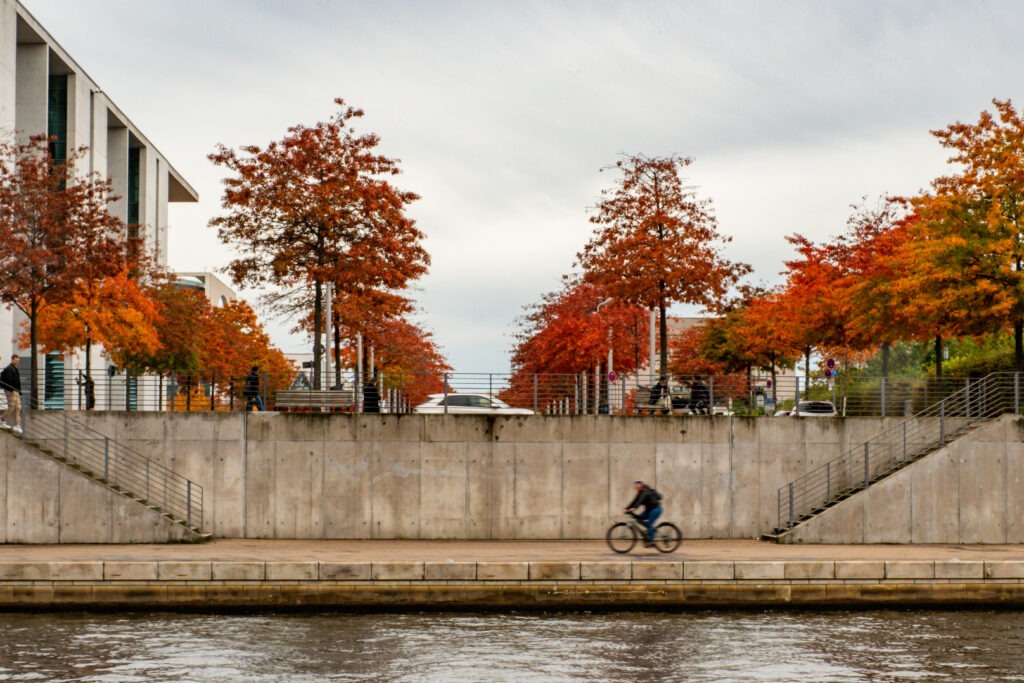
Take a boat cruise along the Spree River to see Berlin’s iconic landmarks from a different perspective while sipping on hot mulled wine or hot chocolate.
I saved this somewhat touristy experience to early November and couldn’t have timed it more perfectly to see the stunning cityscape architecture views against the backdrop of the fall foliage.
Another fun thing to do is to rent a bike and pedal along the Spree River’s Berlin Wall Trail, tracing the former path of the wall that once divided the city. It’s a great way to take in the beautiful scenery and stop for traditional Kaffee und Kuchen at a riverside cafe.
Attend Oktoberfest or Visit a Biergarten
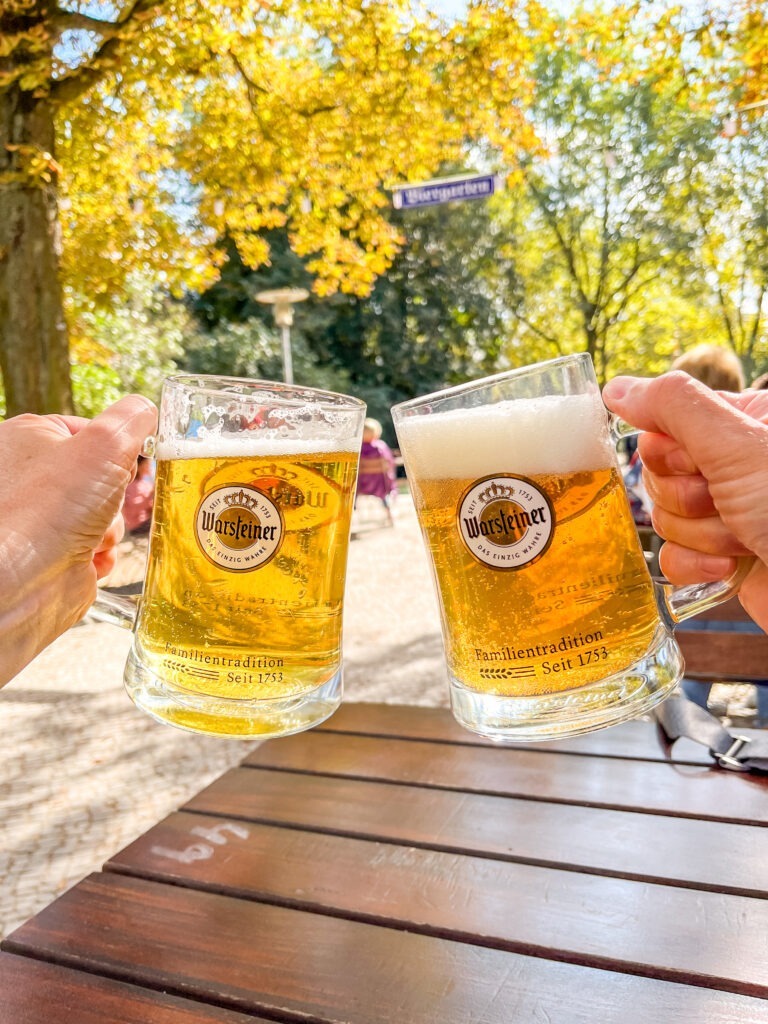
One of the fun things to do is to attend Oktoberfest celebrations in late September (if you can get a ticket). If not, visit one of Berlin’s outdoor biergartens to sample local beers under a canopy of trees.
Here are my top 3 favourite beer gardens that I recommend:
- Prater Garten: Berlin’s oldest beer garden, oozes charm with its leafy chestnut trees and traditional German brews
- Café am Neuen See: nestled in the idyllic Tiergarten park, this beer garden boasts a serene lake, rowboats, and an extensive beer menu with a view
- Zollpackhof: located riverside by the Spree River, it offers a picturesque setting near the Reichstag
Wander the Flea Markets
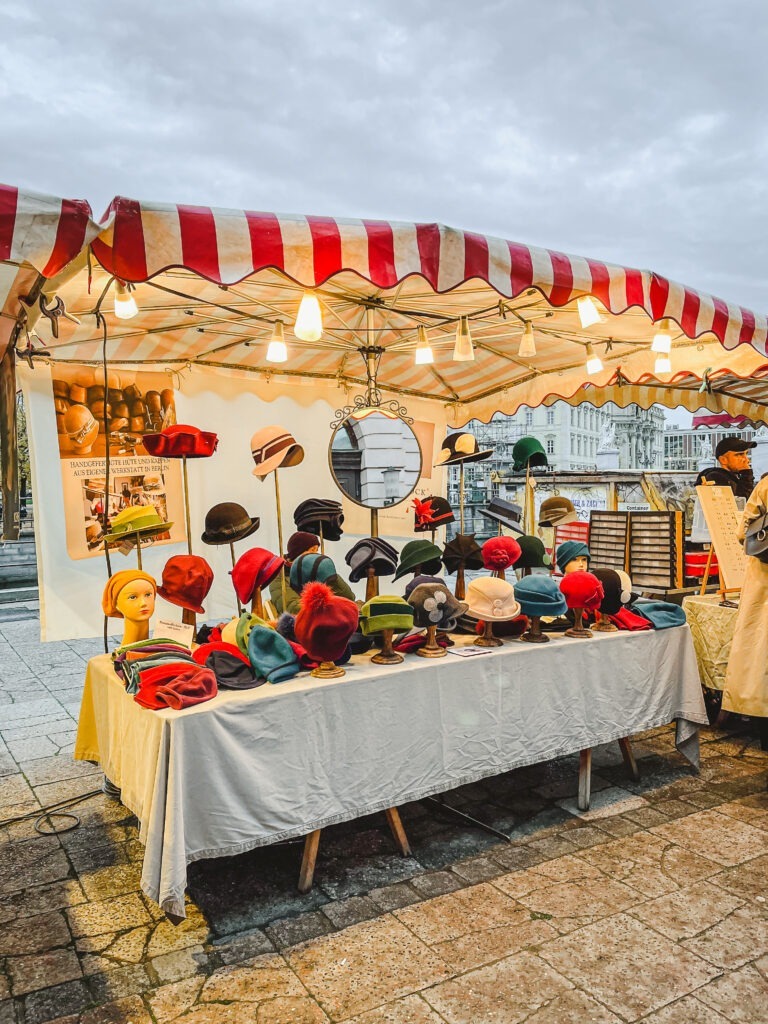
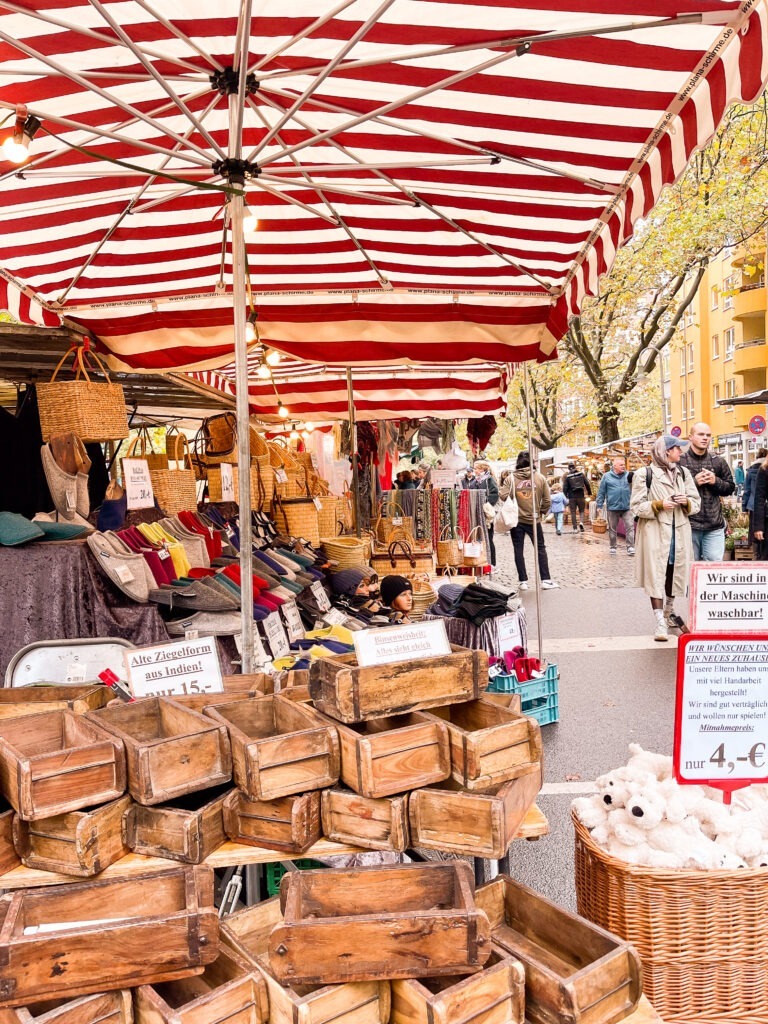
Berliners love their weekend markets!
A favourite weekend ritual of mine as a local was going to brunch, followed by visiting the farmer’s market (on Saturdays) and a flea market (on Sundays).
Wandering around weekend flea markets is the perfect way to feel like a local. They are held in every district, and you can shop for unique vintage treasures to take home as your Berlin souvenir. The Saturday neighbourhood farmers’ markets are where I would pick up some fresh produce, cheese, bread and other local specialties.
Here are my top 3 favourite Flea Markets that I recommend:
- Mauerpark Flea Market: Berlin’s iconic flea market is held every Sunday, where you can find everything from vintage clothing and antiques to delicious street food and live music performances
- Arkonaplatz Flea Market: located in the trendy Prenzlauer Berg district, this Sunday market is on the smaller side, but offers antiques, furniture and unique collectibles
- Kunstmarkt Straße des 17. Juni: is the largest antique market found in the Charlottenburg-Wilmersdorf neighbourhood
FAQs: Berlin in Autumn
Is September or October better for Berlin?
If you want to stay outside longer, choose late September. If you care more about autumn colour and don’t mind shorter days, go mid-October. September feels more flexible. October requires a bit more planning around daylight.
Is November a bad time to visit Berlin?
Not if you adjust your expectations. It’s quieter and slower, but also darker and wetter. If you lean into indoor spaces and shorter days, it can feel more local than crowded.
Does Berlin feel empty after summer?
Not empty, just different. The tourist crowds drop noticeably after August, especially compared to cities like Paris or Rome. You’ll still see visitors, but the city feels more local and easier to move through.
Are biergartens still open in autumn?
Some stay open into early October, depending on the weather. By mid-October, most close or shift fully indoors. If this matters to you, plan it early in your trip.
How to Get Berlin Right in Autumn
Berlin in autumn is less about what you add to your itinerary and more about what you leave out.
This is a season where trying to do too much works against you. The shorter days, the shift indoors, the way the city spreads out. It all pushes you toward fewer stops and better pacing.
If you plan for that, the experience changes. Parks fit naturally between neighbourhoods. Museums don’t feel rushed. Meals become part of the day, not something you squeeze in.
That’s where visiting Berlin during the autumn season works.
If you’re not sure how to structure your days this way, this is exactly what I help with inside my trip planning services.