

Berlin doesn’t hide its history. It meets you in the street, in former border crossings, in buildings that still carry what happened inside them. When I first came here at 17, I crossed from West to East Berlin, not fully understanding what I was walking into. Decades later, after returning and living here for long stretches, I’ve learned that the way you experience Berlin’s museums matters as much as which ones you choose.
This isn’t a list of every free museum in Berlin. It’s a curated selection of the ones I would actually recommend, based on time, emotional weight, and how they fit into a real day in the city.
If you’re trying to understand Berlin without overloading your itinerary or yourself, these are the places worth your time, and just as importantly, the ones I would skip depending on your trip.
This post may contain affiliate links, meaning I get a commission if you decide to purchase something through the links, at no additional cost to you. Read my Affiliate Disclosure.
Free Museums in Berlin Focused on History
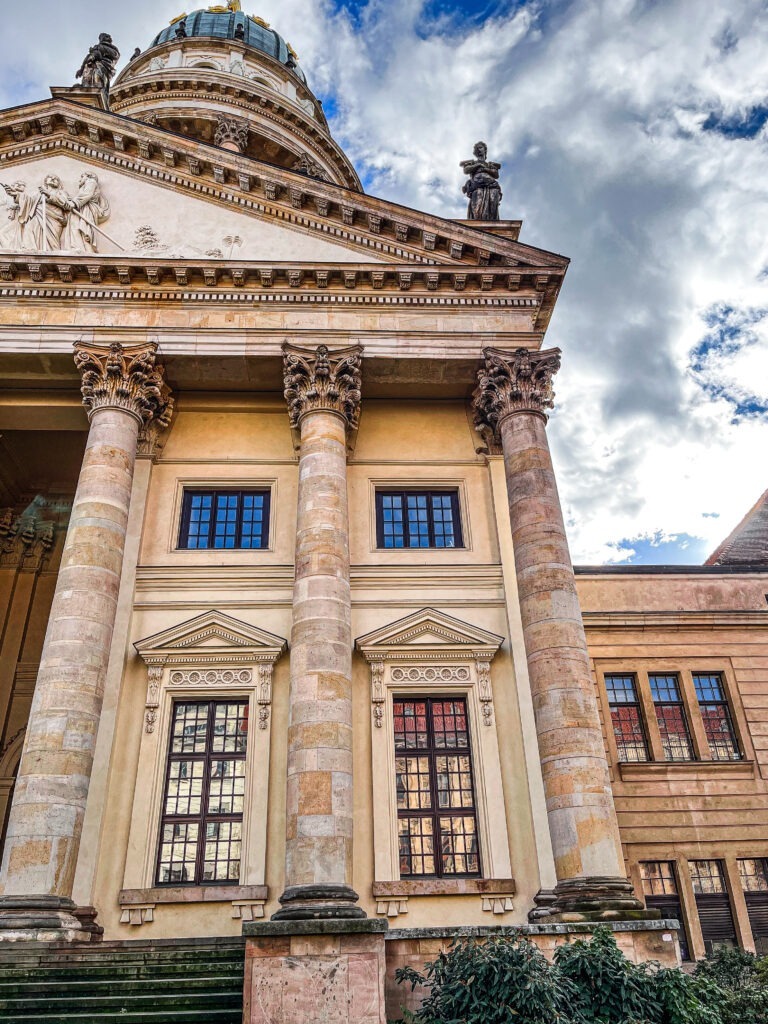
Berlin’s history is everywhere, from streets and squares to the buildings that witnessed it.
I’ve walked these landmarks slowly, uncovering stories that shape the city—museums, memorials, and hidden corners that reveal Berlin’s past in ways a fast tour can’t. If you’re planning your own visit, my 3-day Berlin itinerary can help you experience the top places to visit with an interjection of some of these museums.
Topography of Terror (Topographie des Terrors)
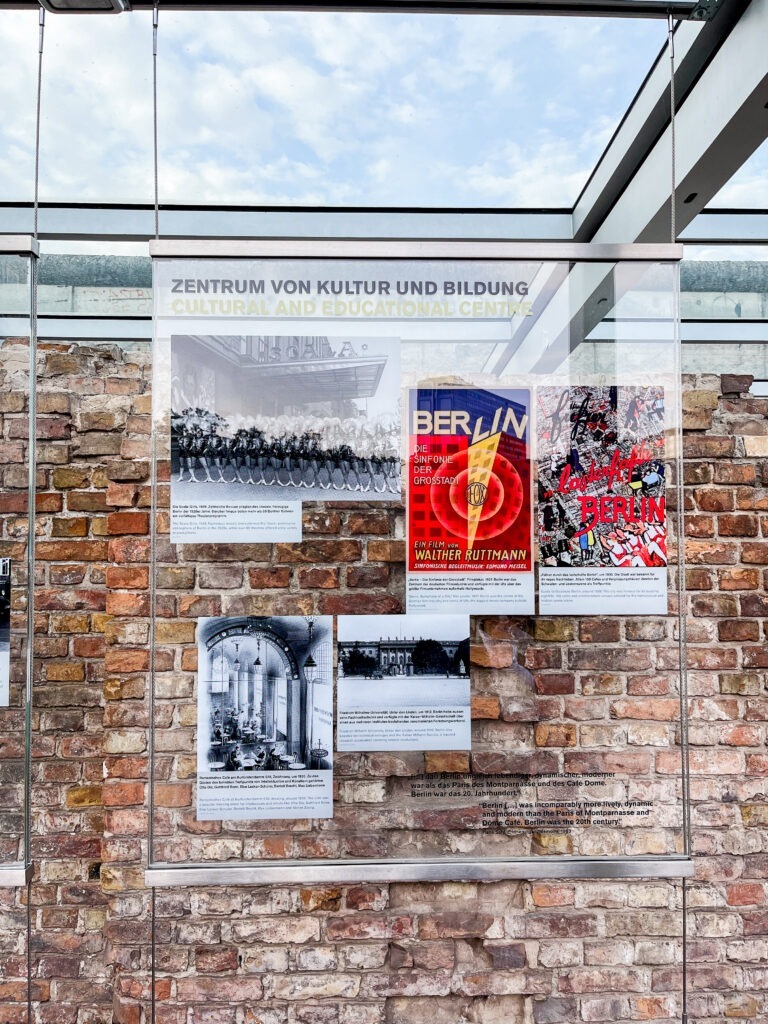
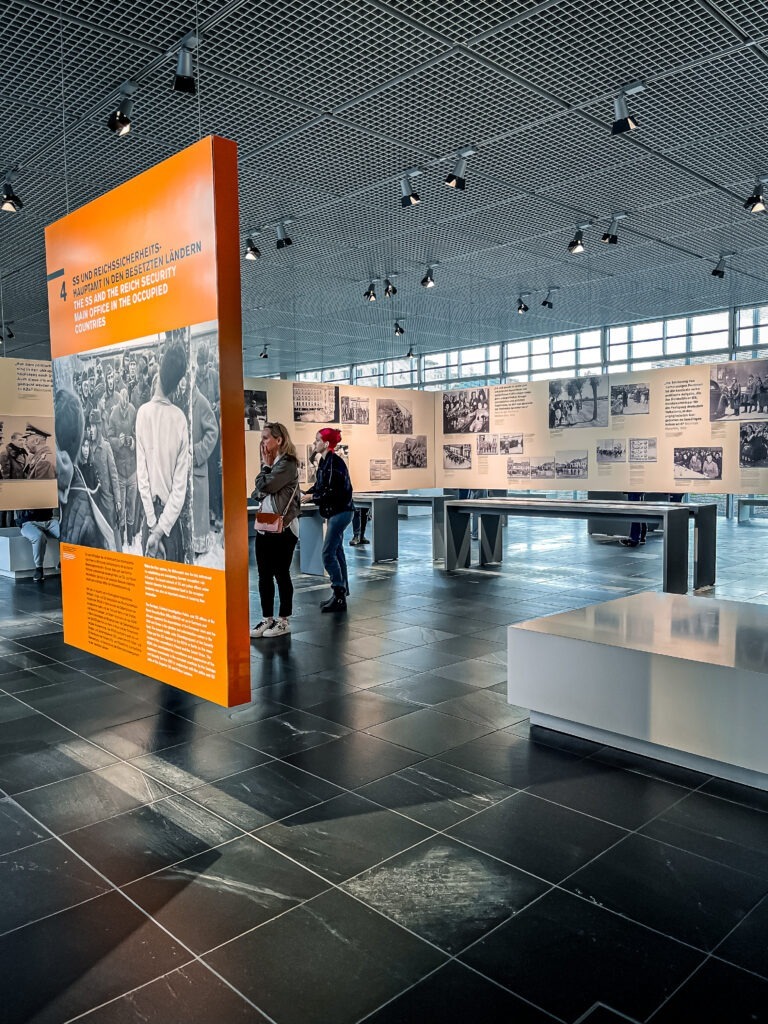
The Topography of Terror sits on the former headquarters of the Gestapo and SS, which already tells you what kind of visit this will be. Both inside and outside, the exhibitions are direct with photographs, documents, and timelines. The outdoor section, set against the remaining Wall, stays with me the most.
This is not a quick stop; expect to spend 3 to 5 hours. I take my time here, or break it out in chunks.
Who This Is For
- Best if you want a clear, factual understanding of Nazi Germany
- Skip if you’re not in the headspace for something heavy
Worth It If
- Worth it if this is your first deep dive into this period
- Not essential if you’ve already visited several WWII-focused sites on this trip
- Ideal to add a visit to the nearby CheckPoint Charlie site
Kulturbrauerei Museum
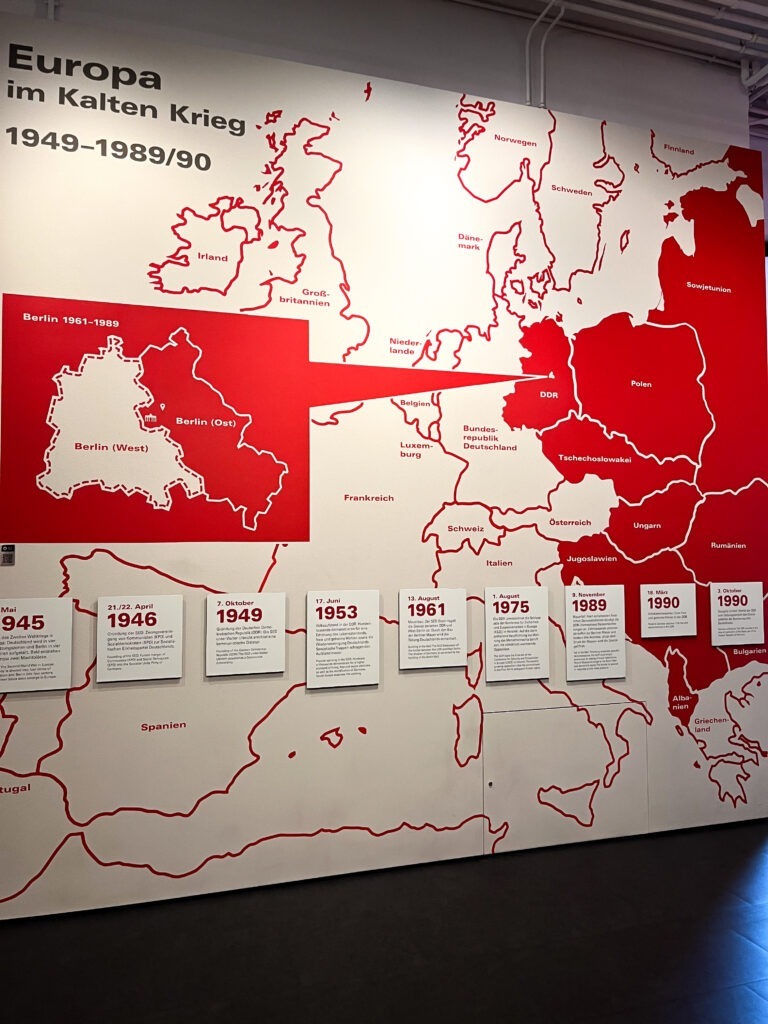
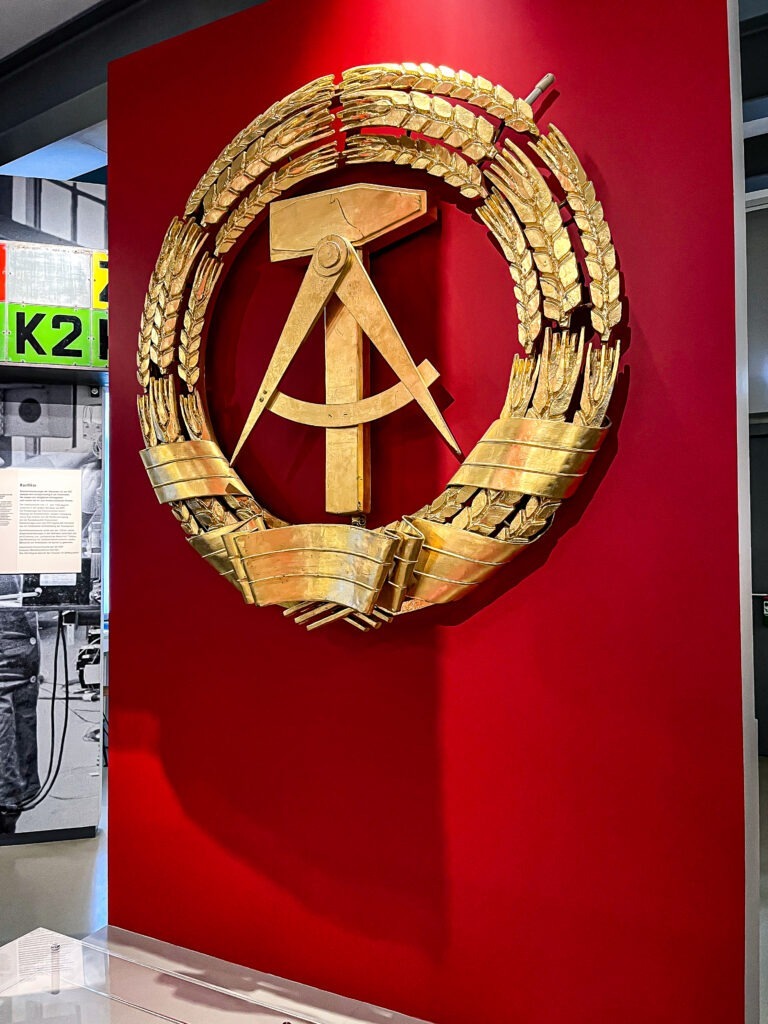
At Kulturbrauerei, I like this one for how personal it feels. It focuses on daily life in East Germany. Not politics at a distance, but how people lived. Apartments, clothing, media. I liked reading about the personal stories and seeing the objects and photographs. You can expect to spend about 1.5 to 2 hours here.
Who This Is For
- Best if you’re curious about everyday life in East Germany during the Cold War
- Skip if you prefer large, traditional museums
Worth It If
- Worth it if you want context beyond the Berlin Wall itself
- Easy to skip if your focus is strictly WWII history
- Consider adding it to your weekend itinerary to enjoy a brunch nearby in Prenzlauer Berg, or visiting a weekend flea market
Jewish Museum
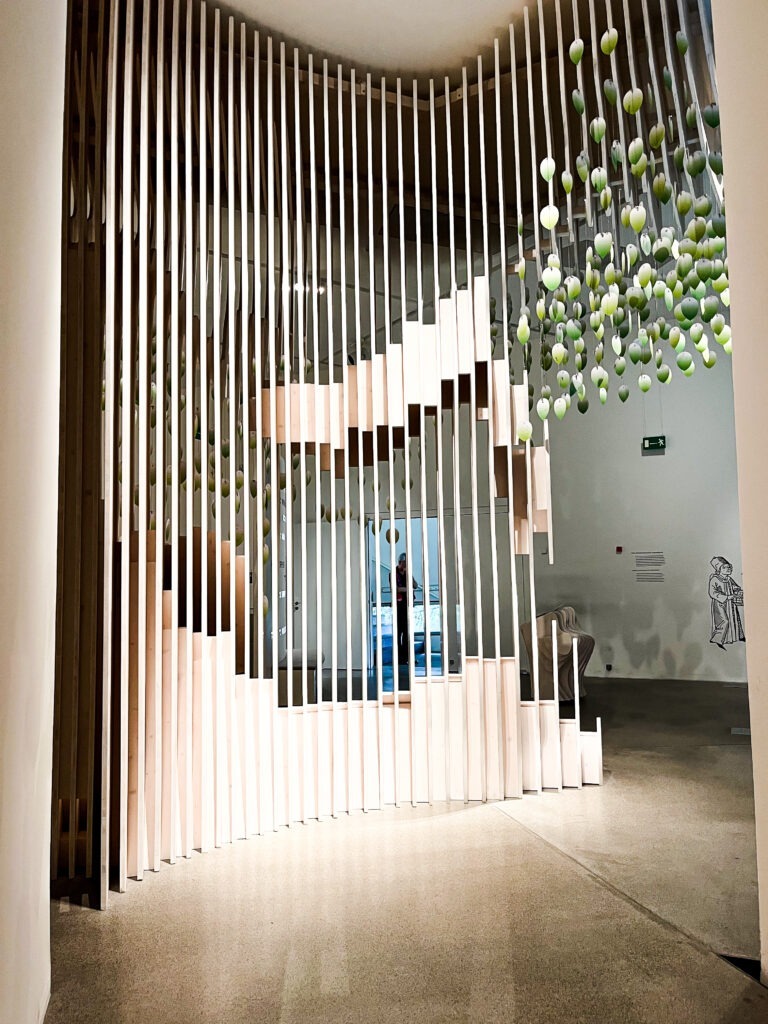
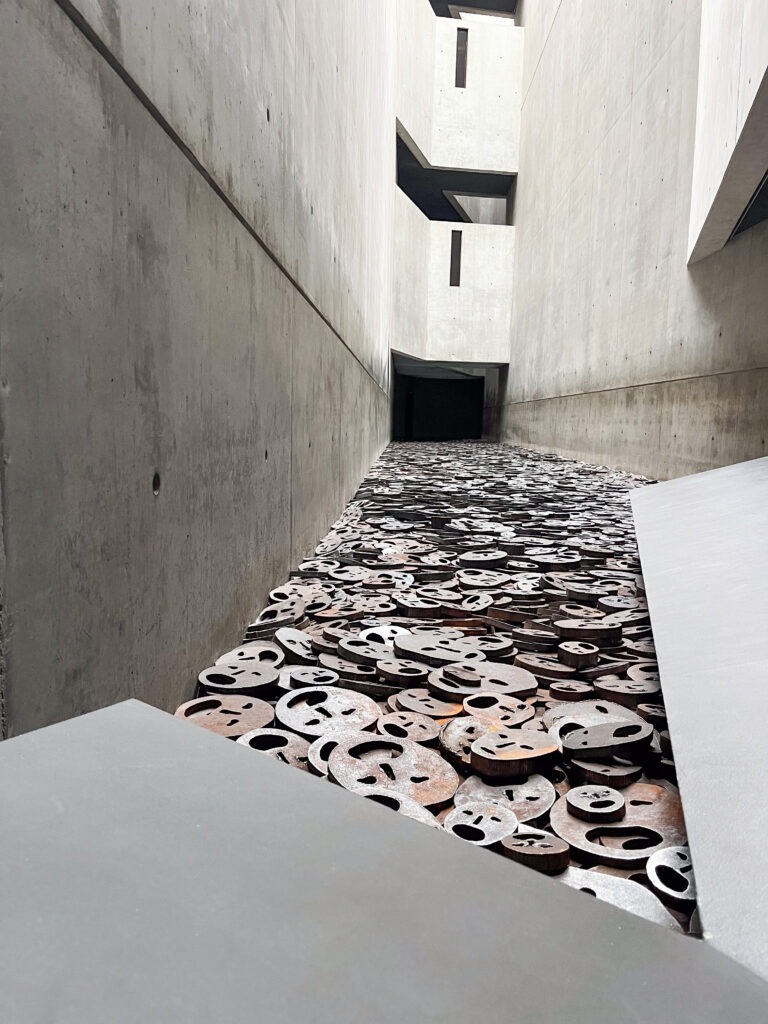
I don’t rush my visit to the Jewish Museum. The architecture alone shifts how I move through the space. The exhibitions move between history, identity, and memory in a way that feels considered rather than overwhelming.
I leave quieter than I arrived.
Who This Is For
- Best if you want a broader understanding of Jewish life in Germany, past and present
- Skip if you’re short on time and already visiting several major museums
Worth It If
- Worth it if you want something reflective, not just informational
- You enjoyed your sombre visit to the Memorial to the Murdered Jews of Europe near Tiergarten Park
Palace of Tears (Tränenpalast)
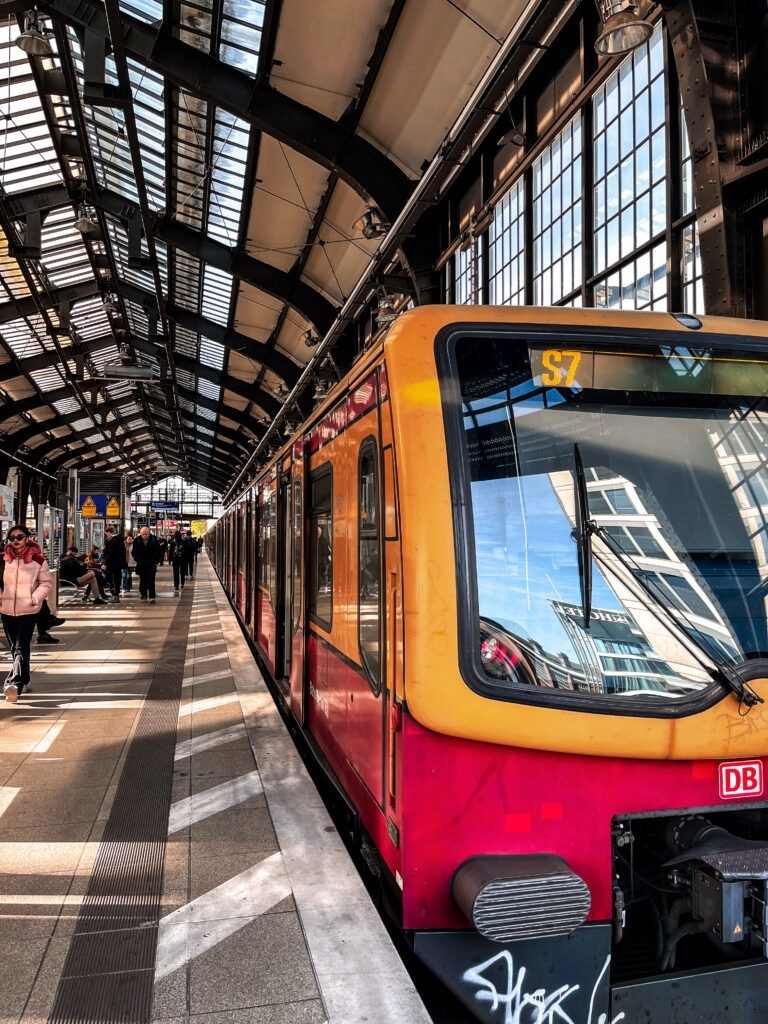
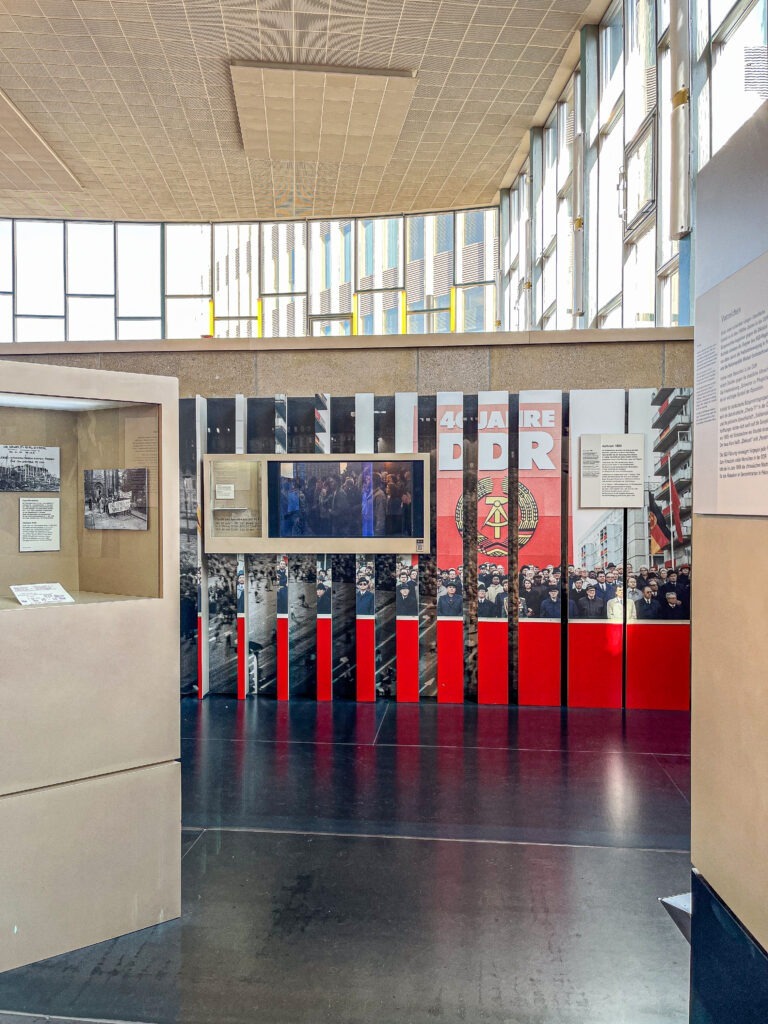
Palace of Tears is a small one that won’t take you longer than an hour. It’s the former border crossing at Friedrichstraße where people said goodbye, often not knowing when they would see each other again.
I crossed here in 1988 as a student crossing from West Berlin into East Berlin on a special student visa for the day. Walking through it now, seeing the booths and signage, brings that moment back in a way I didn’t expect.
Who This Is For
- Best if you’re interested in the human side of the Cold War
- Skip if you’re looking for a large, in-depth museum
Worth It If
- Worth it if you’re already near Friedrichstraße, perhaps timing it with a scenic boat tour
- Easy to pair with other sights along Unter den Linden Boulevard
Sachsenhausen Concentration Camp Memorial
Sachsenhausen is outside Berlin, and it requires intention. The scale is smaller than other camps I’ve visited, like Dachau and Terezín, but it still carries weight.
Who This Is For
- Best if you have not yet visited a concentration camp
- Skip if you’ve recently visited Dachau or Auschwitz and don’t want to repeat the experience
Worth It If
- Worth it if you want to understand this part of history in person
- Not something I would add to an already heavy itinerary
Allied Museum
The Allied Museum depends on your interest. It focuses on the Allied forces in postwar Berlin, with planes, vehicles, and personal stories. I’ll be honest. My husband enjoyed this more than I did. But it doesn’t take you long to visit it, maybe about an hour.
Who This Is For
- Best if you’re interested in military history or Cold War logistics
- Skip if you prefer social history or personal narratives
Worth It If
- Worth it if this topic interests you specifically
- Easy to skip if your time is limited, as this lies outside the city centre
Berlin Karlshorst Museum
Berlin-Karlshorst Museum is where Germany’s surrender was signed. It’s quieter, less visited, and gives a different perspective through German and Soviet narratives. I see artifacts, photographs, and uniforms that reveal both perspectives of the war’s final days. It gives me historical depth often missing from standard WWII tours.
Who This Is For
- Best if you’re interested in WWII from multiple perspectives
- Skip if you’re focusing only on central Berlin
Worth It If
- Worth it if you want something less obvious and without the crowds
Nazi Forced Labour Documentation Center

The Dokumentationszentrum NS-Zwangsarbeit is one of the lesser-known sites, which is exactly why I include it. It focuses on forced labour, a part of history many visitors don’t see elsewhere. I walk through preserved barracks that housed forced labourers and examine original documents and personal stories.
Who This Is For
- Best if you want to go beyond the main WWII narratives
- Skip if you’re already feeling museum fatigue, and not worth it for a first-time visit
Worth It If
- Worth it if you want a more complete picture of this period
Free Galleries in Berlin
Abguss-Sammlung Antiker Plastik
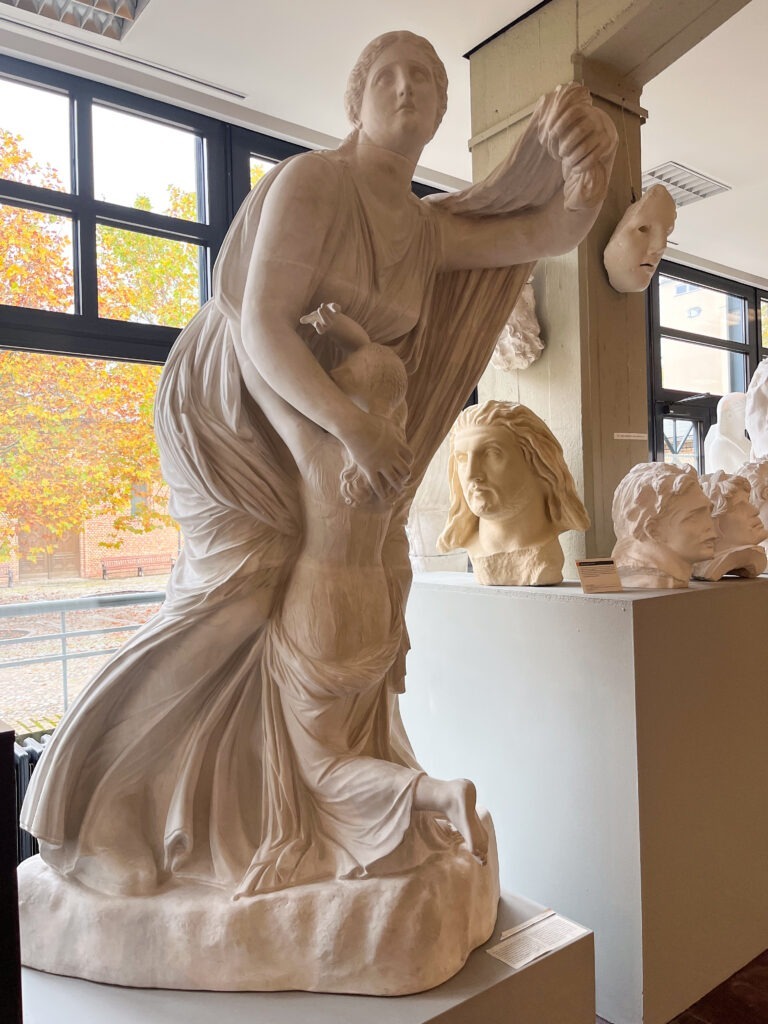
The Abguss-Sammlung Antiker Plastik is small, elegant and quietly rewarding for art lovers. I walk among casts of classical Greek and Roman sculptures, learning about scale, form, and artistry.
I would add this to your itinerary when visiting Charlottenburg Palace, which is right across the street.
Urban Nation Museum for Urban Contemporary Art
The Urban National Museum explores a collection of street art and urban contemporary works by local and international artists. This is a real taste of the creative side of Berlin. If you are a fan of street art, you could extend this into a couple of hours by visiting the large scale street art on the nearby streets of Frobenstraße and Bülowstraße. Follow it up with a schnitzel dinner at Joseph-Roth-Diele restaurant is how I spent an afternoon.
Kunstraum Kreuzberg
Kunstraum Kreuzberg is where you’ll find contemporary art in a contemporary space. I like that they offer rotating exhibits, making popping in whenever I am in the area easy. This is often. I often visit Markthalle Neun, the indoor food market, or dine at 3 Sisters, a cool converted church now a restaurant.
Free Berlin Museums Focused on Culture
Humboldt Forum
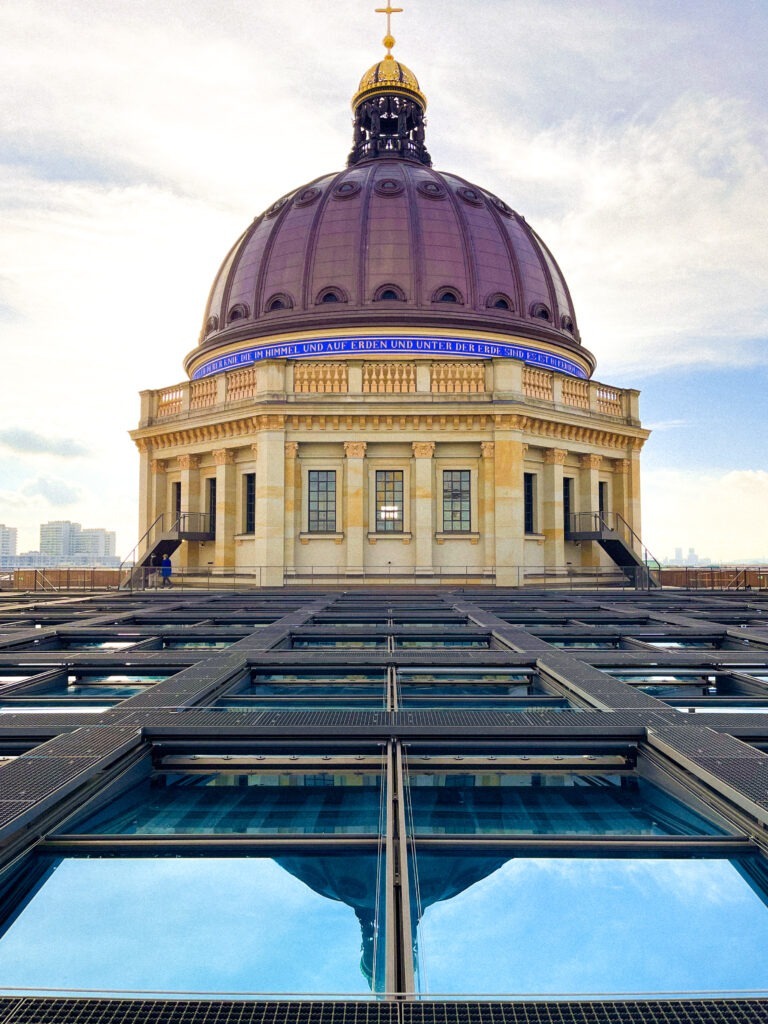
The Humboldt Forum offers paid entry and free public spaces and exhibitions that celebrate global cultures, history, and Berlin’s role as a cultural crossroads. I thoroughly enjoyed the short animated movie of the reconstruction of the Berlin Palace, which gives a great visual overview of Berlin’s history over 800 years.
Traveller’s tip: for 3 euros, you can visit the rooftop deck of the Humboldt Forum, which offers great city views. It also has a large gift shop for those keen on shopping for Berlin souvenirs.
German Cathedral
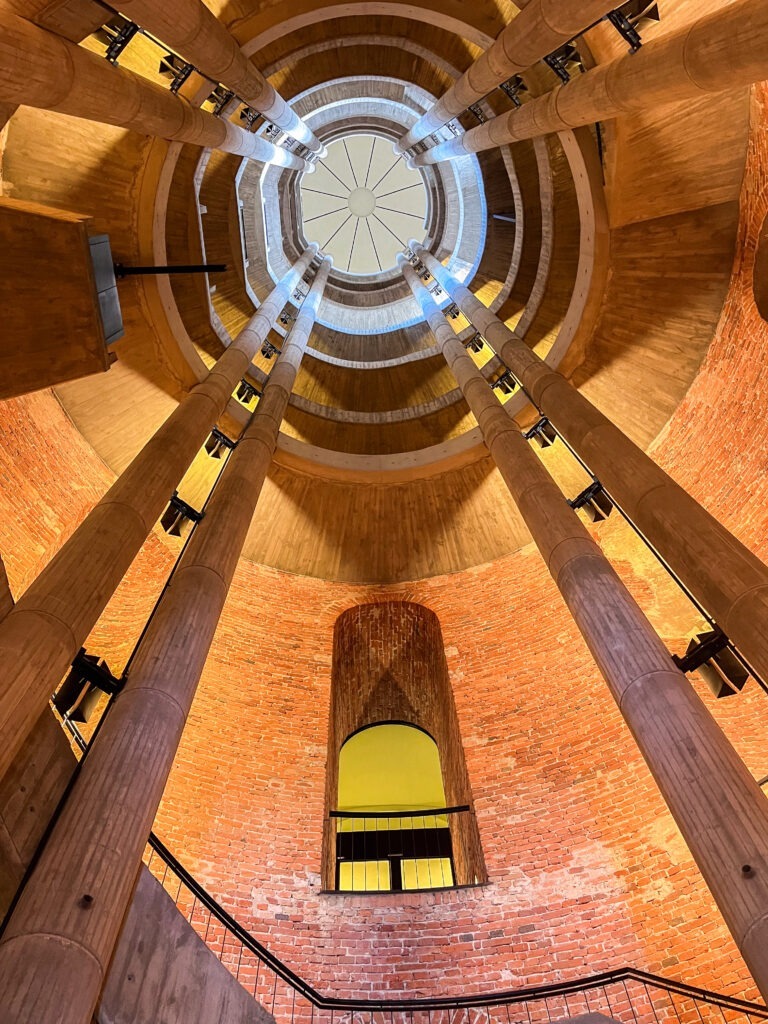
The Deutscher Dom is one of the elegant buildings that sits on the large square called Gendarmenmarkt. This focuses on Germany’s parliamentary history and democratic development inside an interesting domed building. Displays include documents, models, and multimedia presentations, but only in German.
Charlottenburg-Wilmersdorf Museum in Villa Oppenheim
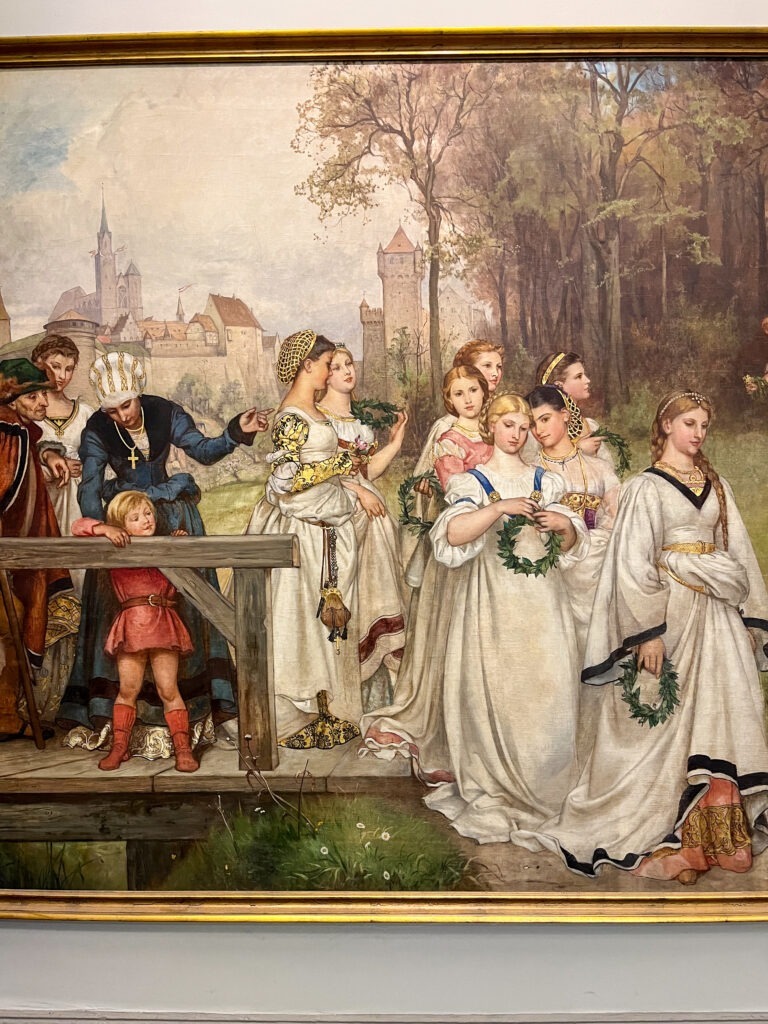
Villa Oppenheim tells the story of the cultural and social evolution of the Charlottenburg district of Berlin. The villa itself adds charm, although I wish more of it was available to see. It’s perfect for visitors who love neighbourhood-level stories. But most of this is in German only, with very little English translation.
Outdoor Free Museums in Berlin
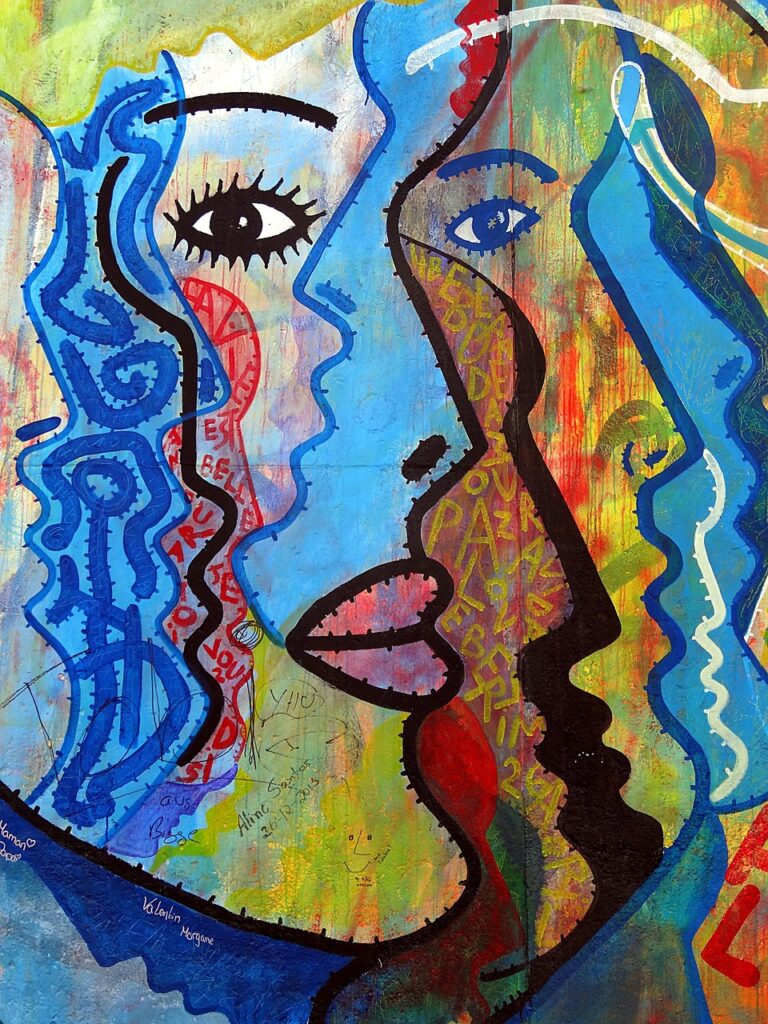
East Side Gallery
I walk along the longest surviving stretch of the Berlin Wall, now covered in murals by artists from around the world. Each piece tells a story of freedom, hope, or political commentary. It’s a must-see for anyone wanting art and history in one outdoor experience.
Berlin Wall Memorial
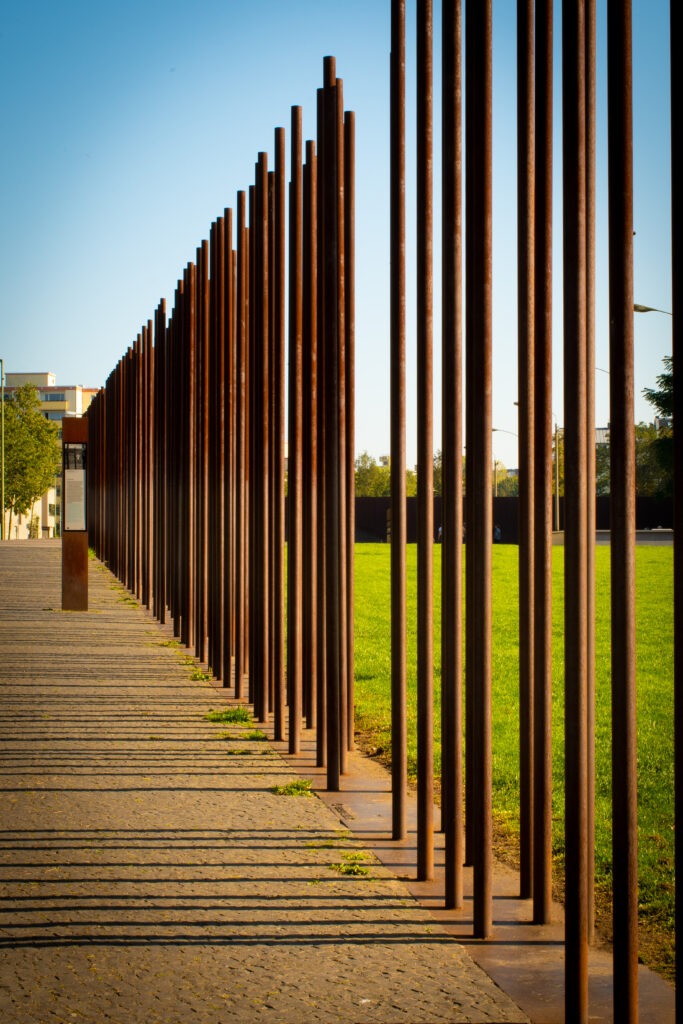
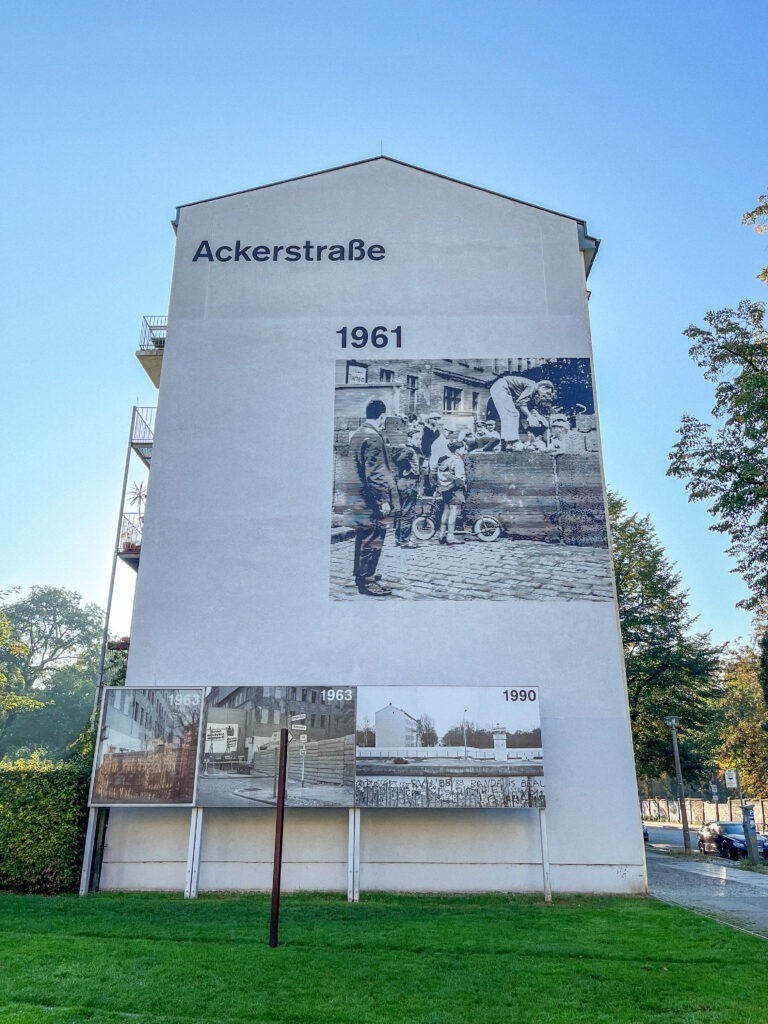
I follow the preserved border strip along Bernauer Straße, with watchtowers and a documentation center. Here, I read about escape attempts, see original Wall segments, and understand the human impact of division.
CheckPoint Charlie
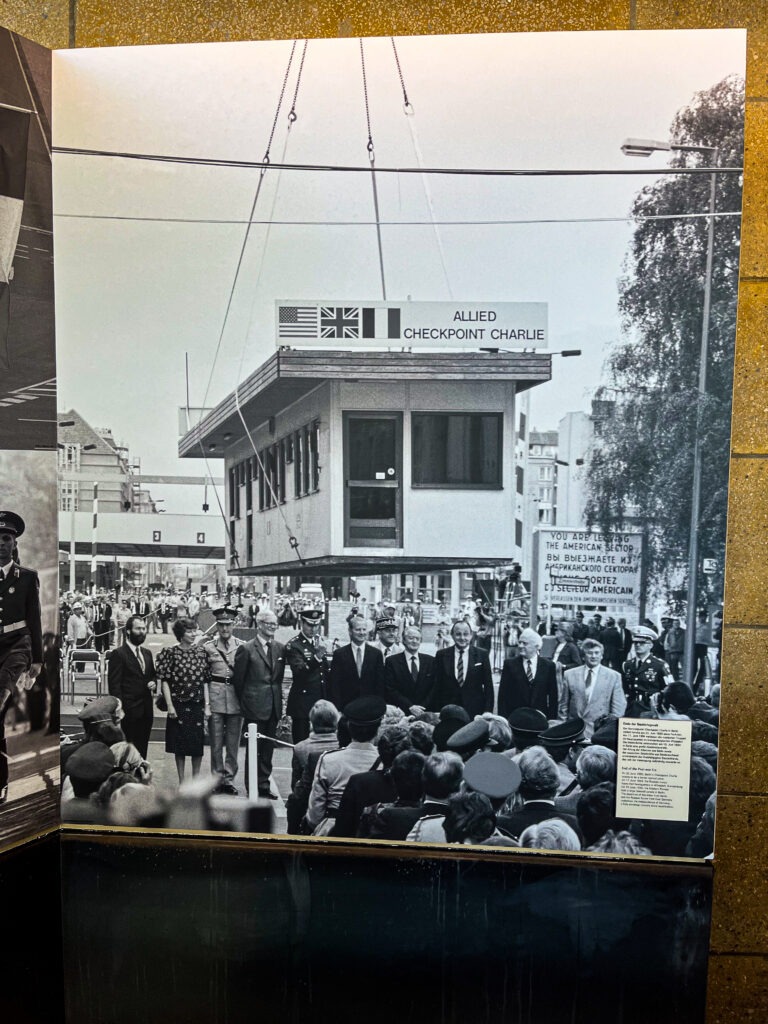
Checkpoint Charlie, Berlin’s most famous border crossing, focuses on escape attempts and Cold War tensions. This was the crossing I used in 1988 to visit from East to West, and standing here now feels very different.
The main (interior) museum is not free, as it goes into more depth with sharing artifacts and reconstructions. However, the outdoor museum is free, and the outdoor panels feature photos and information about the timeline and stories.
Free Museums in Berlin on Sundays: What Changed

If you’ve read that Berlin’s museums are free on the first Sunday of every month, that information is now out of date.
Berlin’s citywide Museum Sunday programme ended after December 1, 2024. It previously gave visitors free admission to around 60 museums, including many of the larger museums on Museum Island.
Berliners love their rituals on Sundays. I like to start my Sunday at a flea market or slow morning walk at one of Berlin’s parks with my dog, then go to brunch. From there, I choose one free museum, a smaller one preferably, that I can visit within an hour. I leave space in the afternoon for a beer garden or kaffee und kuchen, two traditions in Germany that I love.
There are also a few individual museums and cultural sites with their own free-entry days. One exception is Spandau Citadel, which continues its own Zitadellensonntag, with free admission on most first Sundays of the month.
How I Would Choose What’s Worth My Time
I don’t try to see everything in Berlin. I choose what I’m ready for.
Some of these museums stay with me long after I leave. Others, I visit once and move on. That’s the point. You don’t need to cover the city. You need to connect with it.
If I were planning this again, I would pick one or two that feel right for where I am, place them into a neighbourhood I want to spend time in, and let the rest of the day unfold around that.
If your itinerary feels full but not quite right, this is exactly where I can help. I design trips that give you space to experience a place, not just move through it.


