

While I was living in Berlin, visiting Lübeck was among my favourite places to visit.
Set on an island and wrapped in water, this former Hanseatic powerhouse rewards travellers who prefer wandering over ticking off sights.
I arrived expecting a picturesque old town. I found that and more. Brick Gothic churches, narrow medieval lanes, hidden courtyards, and a pace that naturally slows you down.
If you’re wondering about the best things to do in Lübeck, Germany, the answer isn’t about doing more. It’s about noticing more.
This is a city best experienced on foot. Whether you have one day or a weekend, Lübeck offers history, charm, and calm without the crowds found elsewhere in Germany.
I’ll share what to see—and how to experience Lübeck.
This post may contain affiliate links, meaning I get a commission if you decide to purchase something through the links, at no additional cost to you. Read my Affiliate Disclosure.
The Best Things to Do in Lübeck (At a Slow, Enjoyable Pace)

Distances are short, and the most memorable moments often happen between the “must-sees.” I recommend leaving space between experiences. These are the Lübeck things to do that reward curiosity and an unhurried pace.
Walk Through the Holstentor (Lübeck’s Iconic Landmark)
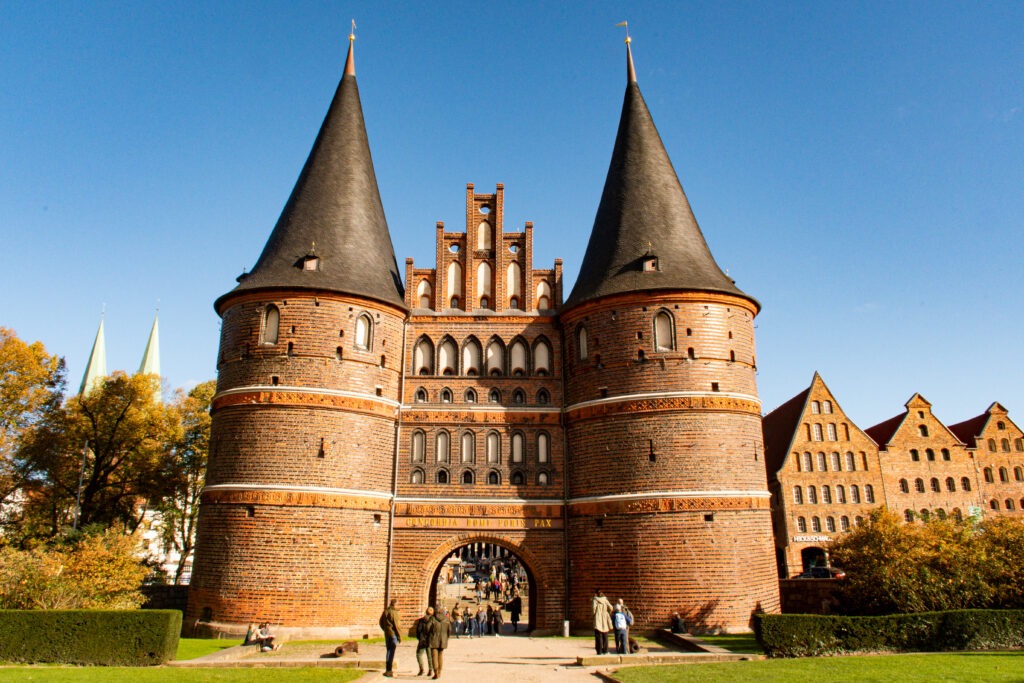
When visiting Lübeck, you can’t miss it—and you shouldn’t rush past it either. The Holstentor once guarded Lübeck’s western entrance and still feels like a threshold between worlds. Pause before walking through. Notice the slight tilt of the towers, the thick brick walls, and the Latin inscription emphasizing harmony within the city.
Many visitors snap a photo and move on. I suggest crossing slowly, then turning back for one last look. It sets the tone for what lies ahead: a city shaped by trade, confidence, and quiet endurance.
I also recommend coming here early if you want to see it with far fewer people.
Get Lost in Lübeck’s Old Town Streets
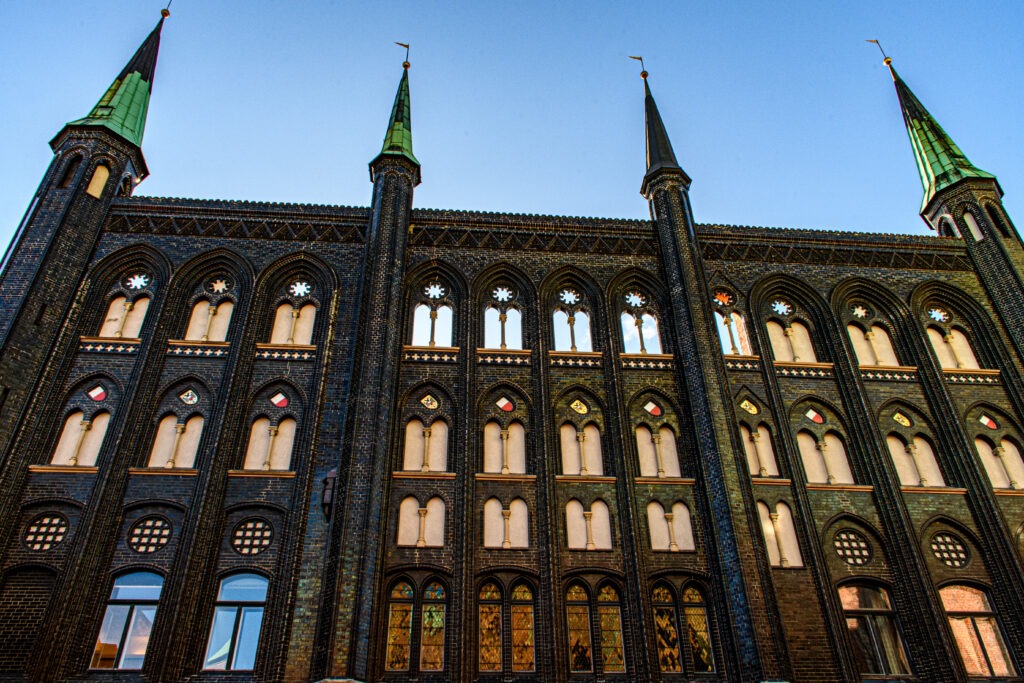
This is the best of Lübeck.
Step away from the main routes near the Market Square and wander without direction. Brick façades shift subtly in colour. Church spires appear and disappear as you turn corners.
St. Mary’s Church anchors the old town both physically and historically, but the magic lies in the streets around it—where everyday life unfolds.
But before you move too quickly past it, pause in the Market Square.

Lübeck’s Marktplatz feels different from other northern German towns. In places like Lüneburg—or even Hamburg, where space opens outward toward the harbour—the squares often feel lighter, more open. Here, the space is held more deliberately.
The Rathaus stretches across the square with a presence that’s hard to ignore. Deep red brick, dark accents, and touches of green patina give the façade a richness that changes with the light. Small decorative balconies sit almost delicately against its scale, while the three towers rise above in a way that feels both ornamental and quietly authoritative.
At ground level, the long arcades tell you how this space was used. Medieval markets once lined these covered walkways—traders working beneath the arches, protected from the weather, creating a continuous edge of commerce. Walk through them now, and you still feel it. The light shifts. The space narrows. The square becomes something you move through, not just across.
And then, step away again.
This is one of the most satisfying answers to what to do in Lübeck: walk, look up, slow down.
Some of the best highlights can be found in this UNESCO-protected Old Town (Altstadt). Some of the best buildings are found here:
- Lübeck Town Hall (Rathaus)
- Lübeck Cathedral
- Hospital of the Holy Spirit (Heiligen-Geist-Hospital), and its secret garden (Bürgergärten)
If you’re a traveller who enjoys a guided walking tour, this 90-minute tour takes you to all the Old Town highlights.
Explore Lübeck’s Hidden Courtyards (Gänge & Höfe)
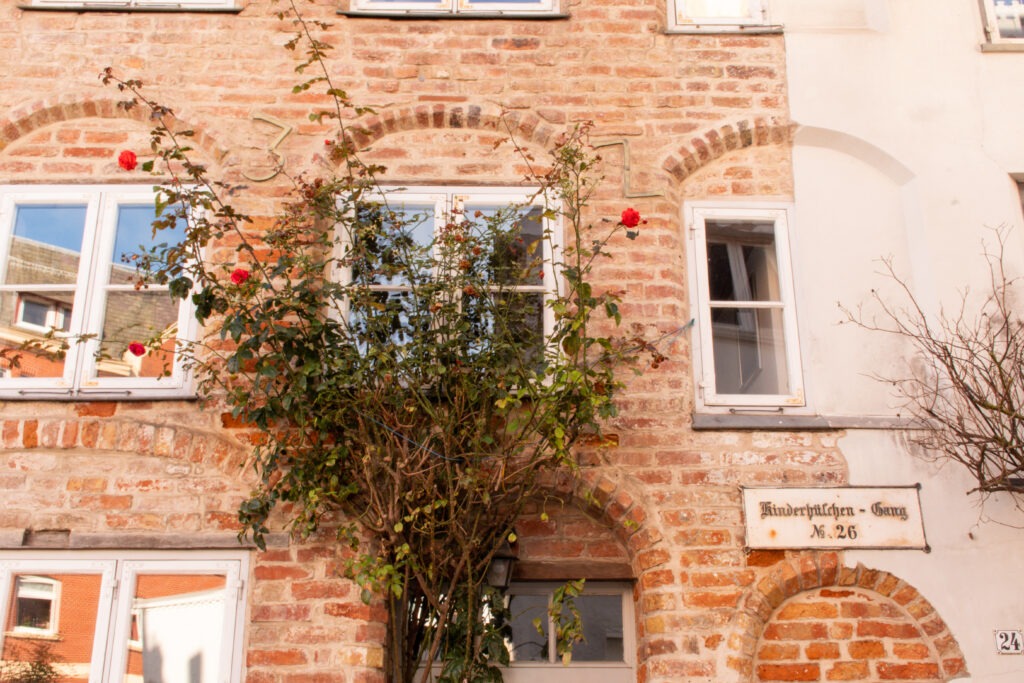
Behind unassuming doors and narrow passageways, Lübeck hides one of its greatest treasures. The Gänge & Höfe—medieval courtyard homes once built for sailors and workers—offer a glimpse into how the city functioned centuries ago.
Step inside, and the noise fades. Cobblestones, climbing roses, small doors, and shared wells have stood the test of time. People still live here. That intimacy is what makes this one of the most meaningful things to see in Lübeck.
My favourite was Füchtingshof, and those found around the streets of Engelswisch, Glockengießerstraße and Engelsgrube. I also stumbled upon a Half Tower dating back to the 13th century (An d. Mauer, 47).
Visit the Buddenbrook House (For Literature Lovers)

If literature shapes how you travel, the Buddenbrook House adds depth to Lübeck’s story. Home to the Mann family, it explores the world behind Thomas Mann’s famous novel and the bourgeois life of the city’s merchant class, which is based on the town itself.
This visit isn’t essential for everyone. But if you enjoy understanding a place through its writers, it offers context and texture—another layer to Lübeck beyond its architecture.
Taste Lübeck Marzipan (Yes, It’s Different Here)
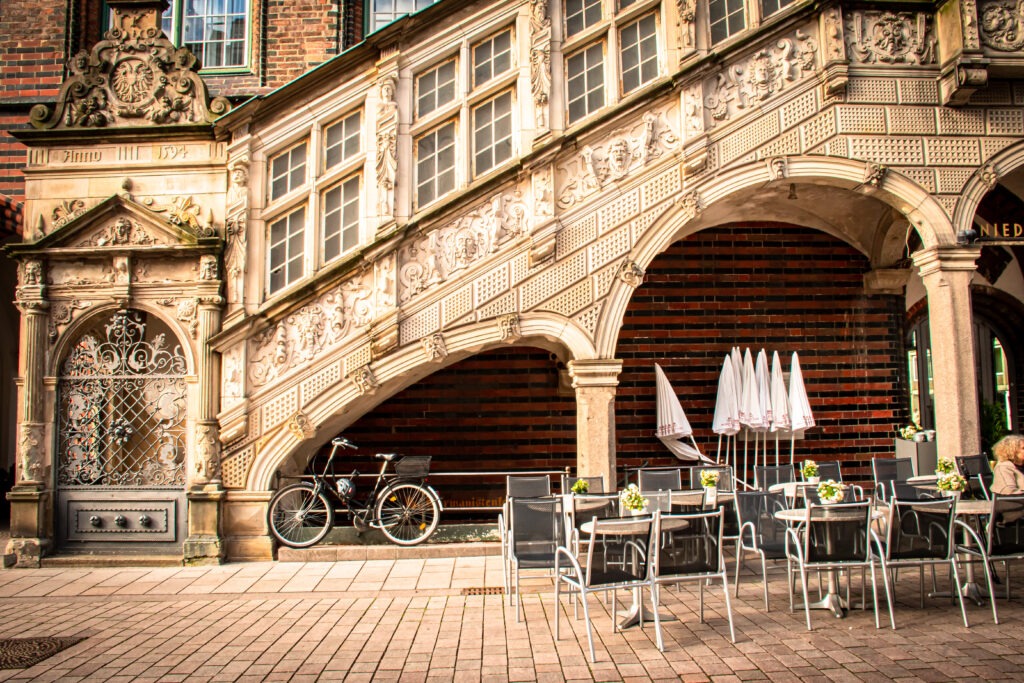
Lübeck is synonymous with marzipan for a reason. This isn’t the overly sweet version many people avoid. At Niederegger, the marzipan is refined, balanced, and deeply tied to local tradition.
Order a slice of marzipan cake or an individual marzipan chocolate. It’s a decadent treat. I ordered a marzipan hot chocolate and took a seat at the street table and chairs. Sit. Taste slowly. It’s a small ritual—but one that feels distinctly Lübeck.
Walk Along the River Trave
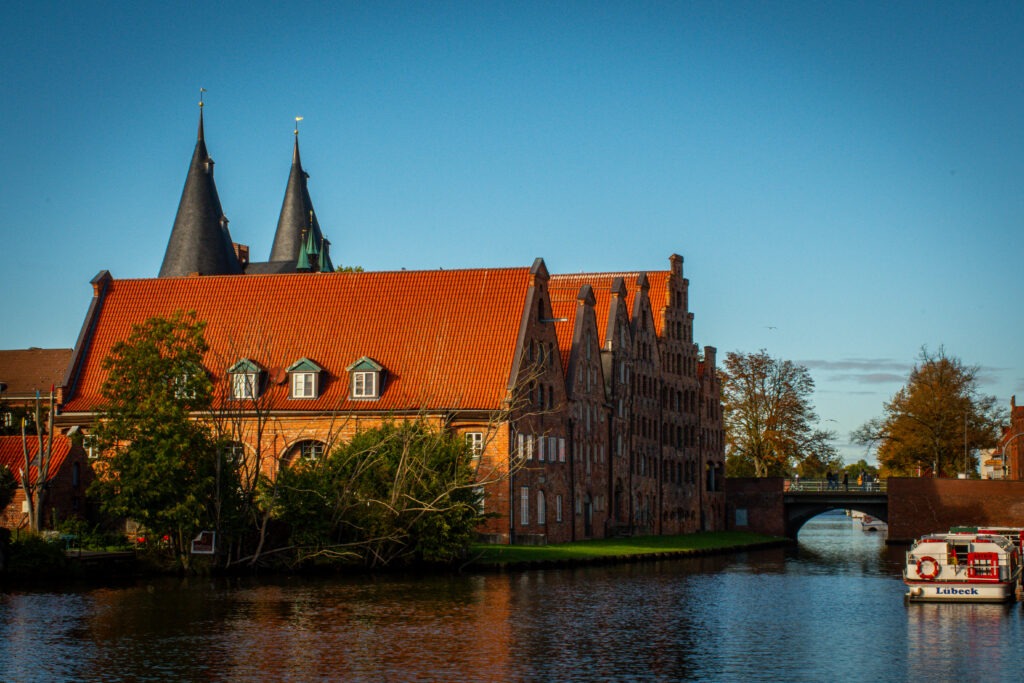
Follow the water, and the city softens. A stroll along the Trave River offers wide views, passing boats, and moments of stillness—especially in the early morning or near sunset. It’s an easy way to reset after sightseeing and see Lübeck from a different angle.
I enjoyed walking a portion of this 5-kilometre riverbank trail with my dog, crossing bridges and snapping photos of the skyline.
Or, for an even better perspective, Lübeck offers a boat tour where you can get the best perspective of the famous six salt storehouses called Salzspeicher from the 16th century.
Museums in Lübeck
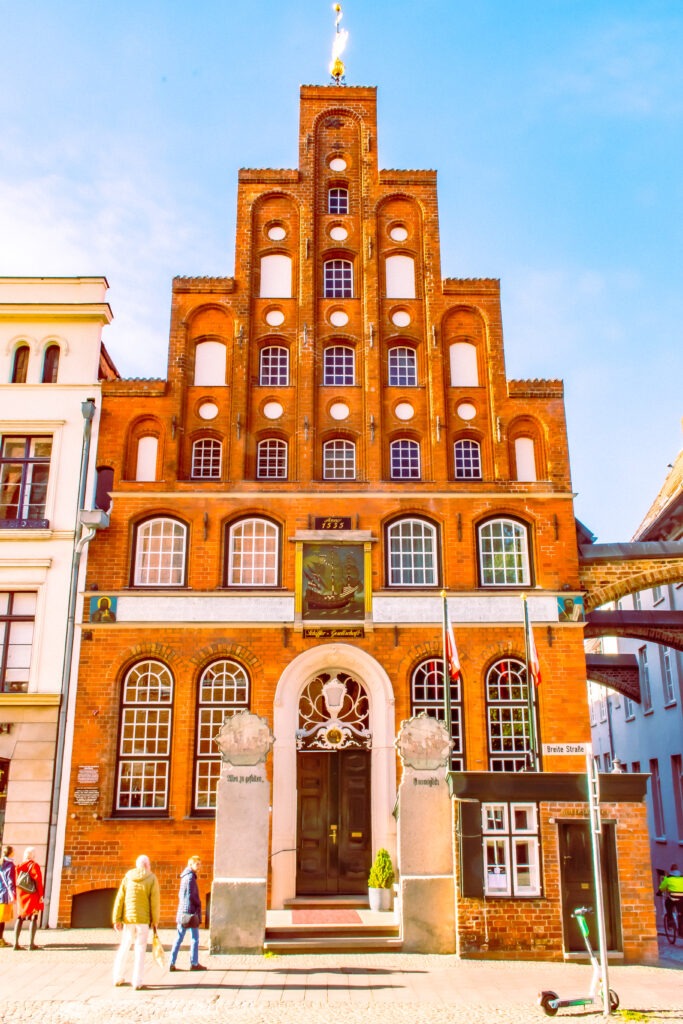
Lübeck has an impressive number of museums for a city of its size, but this is where restraint improves the experience. You don’t need to see them all to understand the city. Choose one that aligns with your interests and let the rest go.
European Hansemuseum
If you want context, start here. The European Hansemuseum explains why Lübeck mattered—not just locally, but across Northern Europe. Interactive exhibits walk you through trade routes, merchant life, and political power. It’s modern, well-curated, and best visited early in your stay, when history still feels abstract.
St. Anne’s Museum Quarter
Housed in a former monastery, St. Anne’s feels contemplative and spacious. Gothic altarpieces, sacred art, and cloistered courtyards create a slower museum experience—one that invites lingering rather than absorbing facts. This is the better choice if you value atmosphere over timelines.
And, these smaller museums won’t take long to visit.
- Schiffergesellschaft Museum – One of Lübeck’s oldest guild houses, this former sailors’ meeting place offers a glimpse into the maritime life and traditions that once fueled the city’s Hanseatic power.
- Günter Grass House – Dedicated to the Nobel Prize–winning author and artist, this small museum explores how Lübeck shaped Grass’s work through literature, visual art, and political engagement.
- Willy Brandt House Museum – A thoughtful tribute to the Nobel Peace Prize–winning German chancellor, this museum traces Brandt’s life, political legacy, and his role in reconciliation between West and East Germany during the Cold War.
How Many Days in Lübeck For Your Itinerary
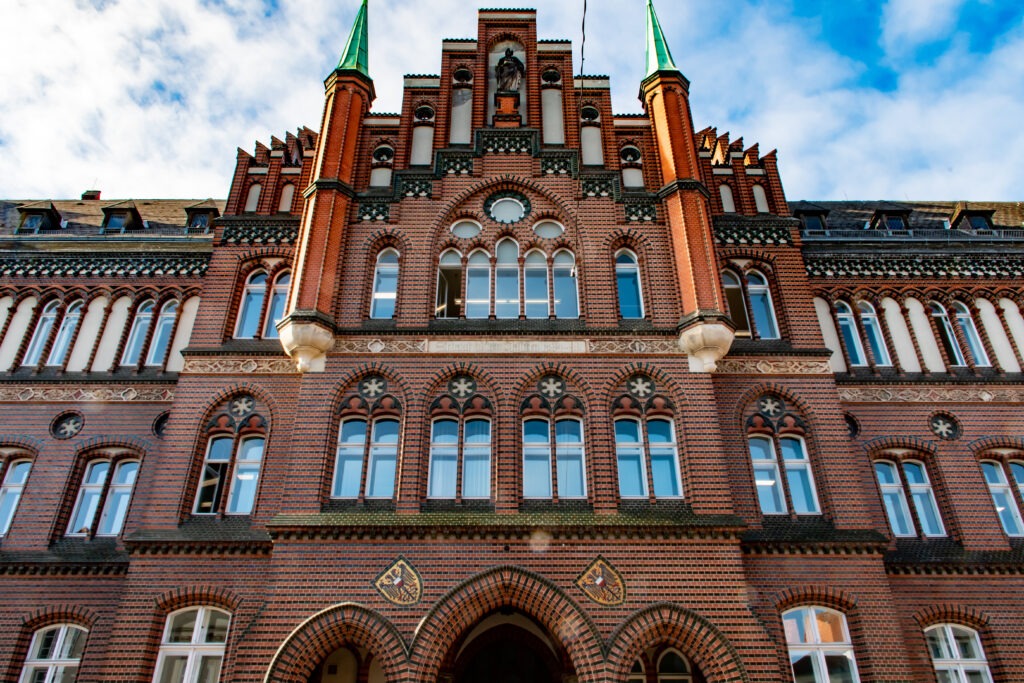
One day in Lübeck works well if you’re short on time or visiting as a day trip.
What to prioritize:
Focus on the old town. Walk through the Holstentor, wander the streets around Market Square and St. Mary’s Church, explore a few hidden courtyards, and end with coffee and marzipan at Niederegger. Keep your plans loose and walk everywhere.
What to skip without regret:
Large museums and anything that pulls you far from the old town. You’ll gain more from being present than from trying to see everything.
Two days will allow that extra time to explore.
How the experience changes when you slow down:
You can visit a museum without feeling rushed, explore those Old Town streets and hidden courtyards, and walk along the Trave River.
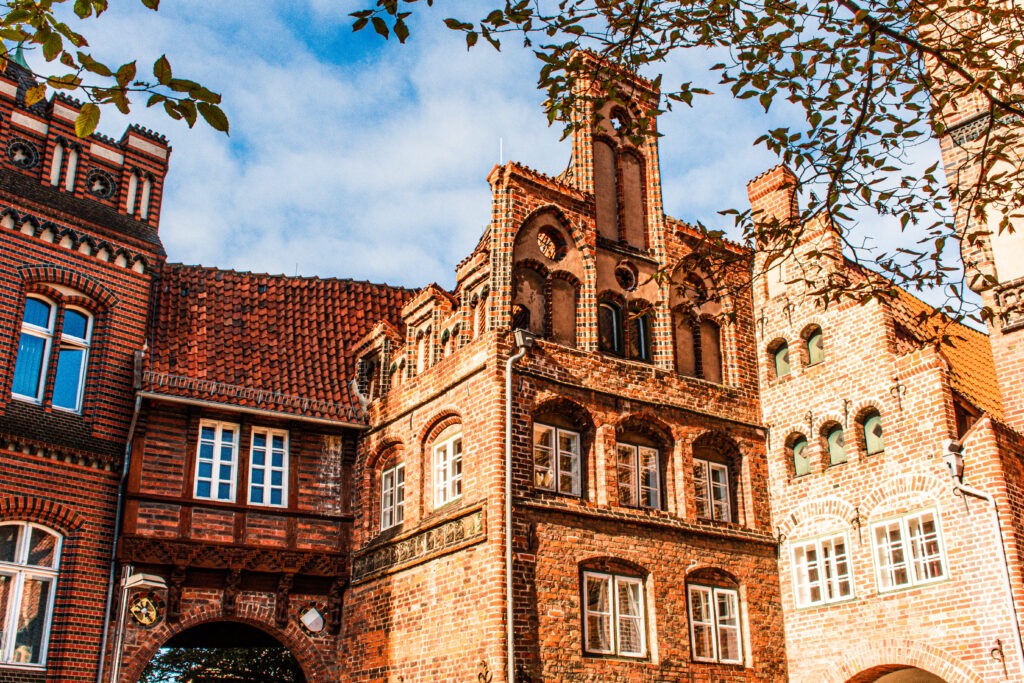
Lübeck’s location makes it an easy, low-effort base for exploring northern Germany without constantly changing hotels. Several rewarding destinations are close enough for relaxed day trips by train or car.
- Hamburg: Germany’s second-largest city offers a striking contrast to Lübeck’s small-town charm. Grand harbour views, historic Speicherstadt warehouses, lively neighbourhoods, and world-class museums, restaurants and hotels.
- Schwerin: Centred around its fairytale-like castle set on a lake, Schwerin feels elegant and unhurried. The old town is compact, ideal for a gentle day of walking, café stops, and lakeside views.
- Wismar: Another former Hanseatic city, Wismar shares Lübeck’s brick Gothic heritage but with fewer visitors. Its wide market square, historic churches, and harbour make it an easy, rewarding half- or full-day trip.
FAQ About What to Do in Lübeck
Is Lübeck worth visiting on a Germany itinerary?
Yes—especially if you prefer smaller cities with depth and character. Lübeck offers history, architecture, and a slower pace without the intensity or crowds of larger German destinations.
What should you not miss in Lübeck if you have limited time?
Walk through the Holstentor, explore the old town streets, step into a few courtyards, and pause for marzipan. Keep the rest of your time unstructured.
How walkable is Lübeck’s old town?
Very walkable. The historic centre sits on an island, and most places are within 10–15 minutes on foot. Walking is the best way to experience Lübeck’s details and atmosphere.
How does Lübeck compare to other German old towns?
Lübeck feels more substantial and lived-in than many northern German old towns like Wismar or Lüneburg. Its scale, architecture, and history as a Hanseatic centre give it more presence, while still retaining a quieter, less crowded atmosphere.
Is Lübeck Worth Visiting? Final Thoughts for Slow Travellers
Yes—especially if you value places that don’t compete for your attention.
Lübeck isn’t about tourist attractions or fast-paced sightseeing. It’s much more layered than that. Brick Gothic churches with towering spires. Quiet courtyards hidden behind ordinary doors. Streets that invite wandering rather than directing you where to go next.
If you enjoy moving through a city on foot, lingering over coffee, and learning a place through observation as much as history, Lübeck delivers.
For readers who prefer depth over checklists, my newsletter offers slow travel insights and practical advice you won’t always find on the blog.


