

Wismar wasn’t a place I planned to love. I found it while living in Berlin, taking short trips north to escape the city and breathe a little differently. What surprised me was how quietly Wismar stayed with me.
This small Hanseatic town on the Baltic Sea doesn’t rush to impress. Its brick Gothic churches rise without drama. The Old Town unfolds at a walking pace. The harbour still feels working, not styled for visitors. I spent my days wandering the Marktplatz, climbing church towers, lingering by the water, and noticing how locals move through their day.
If you’re looking for tourist attractions, Wismar may feel understated. But if you enjoy slow travel, historic towns, and places that reveal themselves gently, these are the things to do in Wismar, Germany, that make it worth your time.
This post may contain affiliate links, meaning I get a commission if you decide to purchase something through the links, at no additional cost to you. Read my Affiliate Disclosure.
Why Wismar Is Worth Your Time
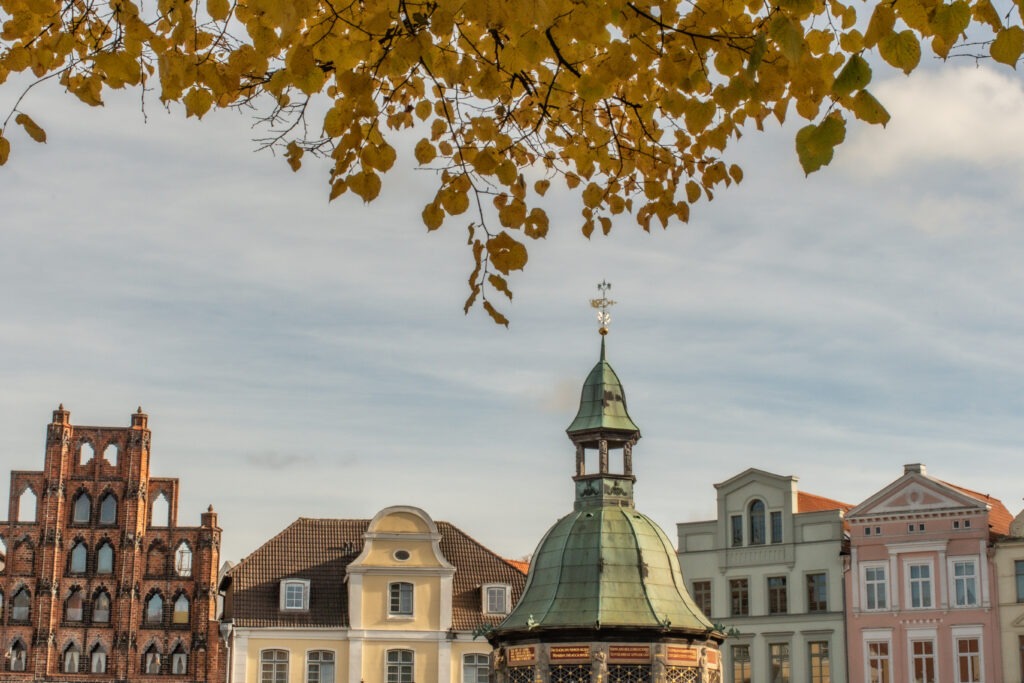
Wismar is worth your time precisely because it doesn’t compete for it. While living in Berlin, I visited many northern German towns, like Lubeck and Hamburg, and Wismar stood out for how unhurried it feels.
It truly delivers on a laid-back coastal destination.
The Old Town is a UNESCO World Heritage Site, yet it still functions as a real town. Locals cross the Marktplatz on their way to errands. Fishing boats come and go from the harbour.
What I appreciated most is scale. You can see a lot without feeling rushed. Walk everywhere. Pause often. Sit by the water. Wismar rewards travellers who value atmosphere over attractions and presence over productivity.
If you’re drawn to quiet Hanseatic towns, coastal air, and slow discovery, Wismar offers a kind of travel experience that feels increasingly rare.
Things to Do in Wismar, Germany
Start in Wismar’s Old Town
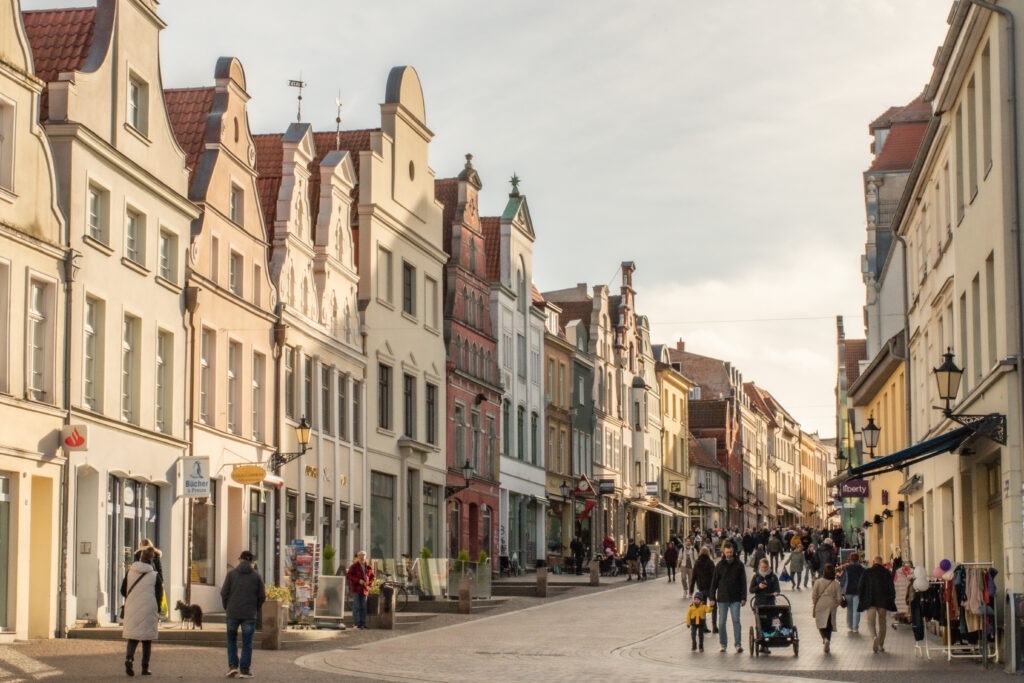
The best way to experience Wismar is on foot, starting in the Old Town and letting the town set the pace.
This compact UNESCO-listed centre is where Wismar’s Hanseatic past is most visible.
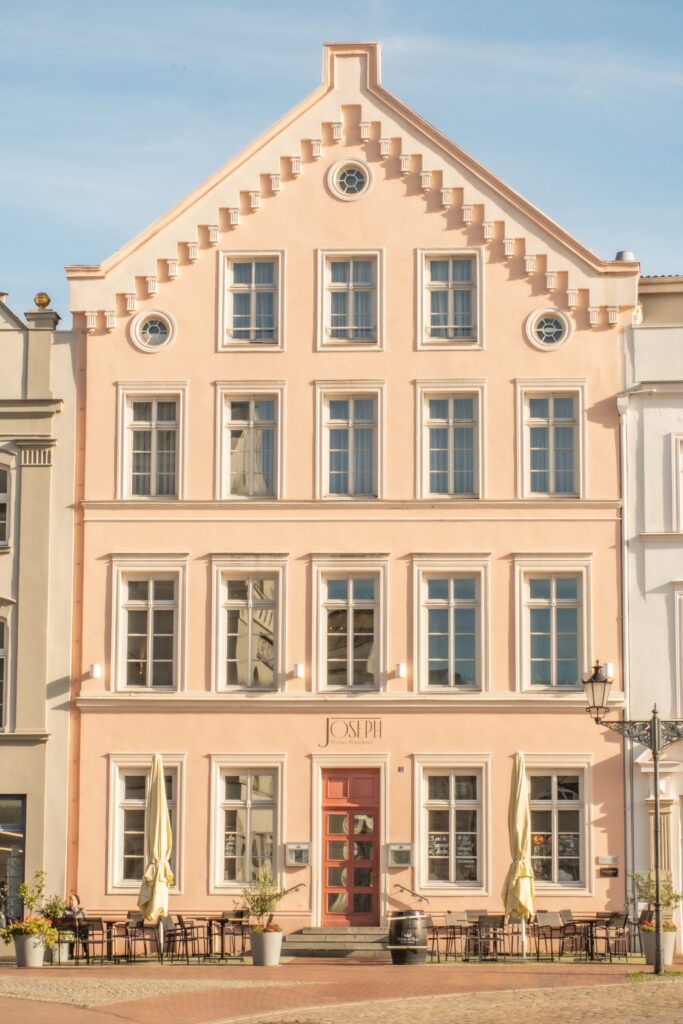
Brick Gothic buildings line narrow streets that still follow their medieval layout. There’s no need for a route. Wander. Let yourself drift toward church towers, quiet squares, and streets that feel residential rather than restored for visitors. This is where Wismar feels lived in.
I like to begin early, when the town is just waking up. Deliveries arrive, cafés open their doors, and the streets belong briefly to locals.
The Marktplatz is where you naturally end up, whether you intend to or not.
It’s one of the largest market squares in northern Germany, but what struck me wasn’t its size—it was how comfortably it functions as part of daily life. People pass through all day long.
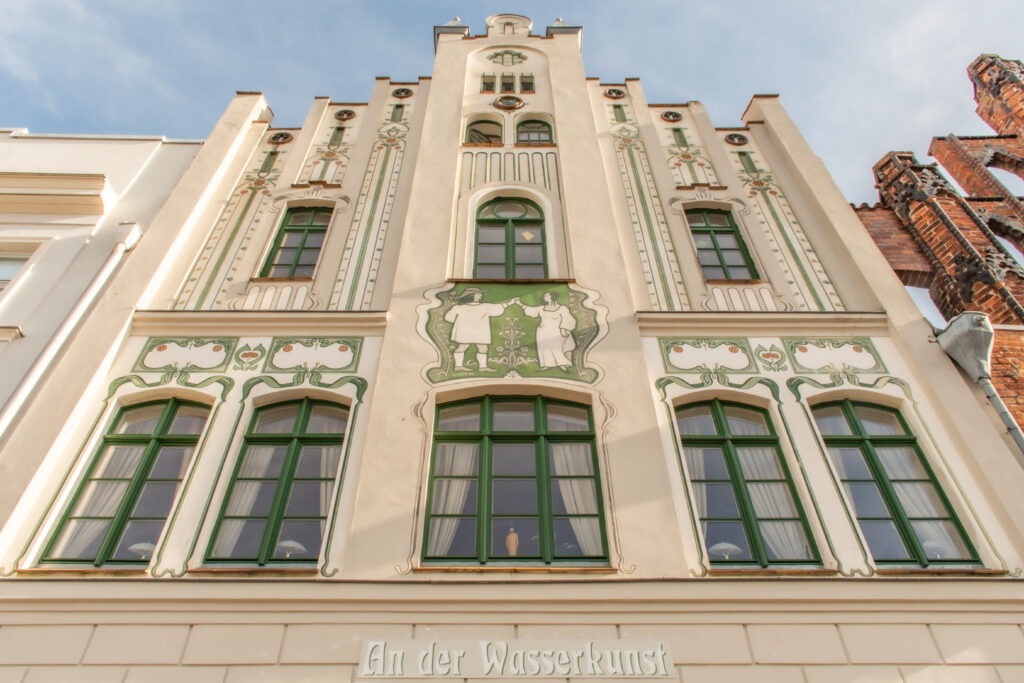
The Wasserkunst fountain sits at its centre. Around it, the gabled houses shift in colour and shape, each slightly different, making it interesting enough to wander its perimeter so you can admire each one.
The oldest building on the square is the 14th-century Alter Schwede (Old Swede) house, which once belonged to the Swedish captain (as Wismar was formerly a city that belonged to Sweden).
I found myself returning here more than once—not to see anything new, but to notice it differently.
Just off the square, wander to these scenic streets, Lübsche Straße, Schweinsbrück and Claus-Jesup Straße. I found a charming half-timbered house called Vault (Gewölbe) at Runde Grube 4.
Lastly, Germany’s beloved department store, Karstadt, was founded in Wismar in 1881, with its original location in the Old Town.
For those travellers who love walking tours with a local, I recommend this one. A great way to pick up fun and interesting stories.
From here, everything else in Wismar unfolds naturally.
Don’t Forget Wismar’s Harbour
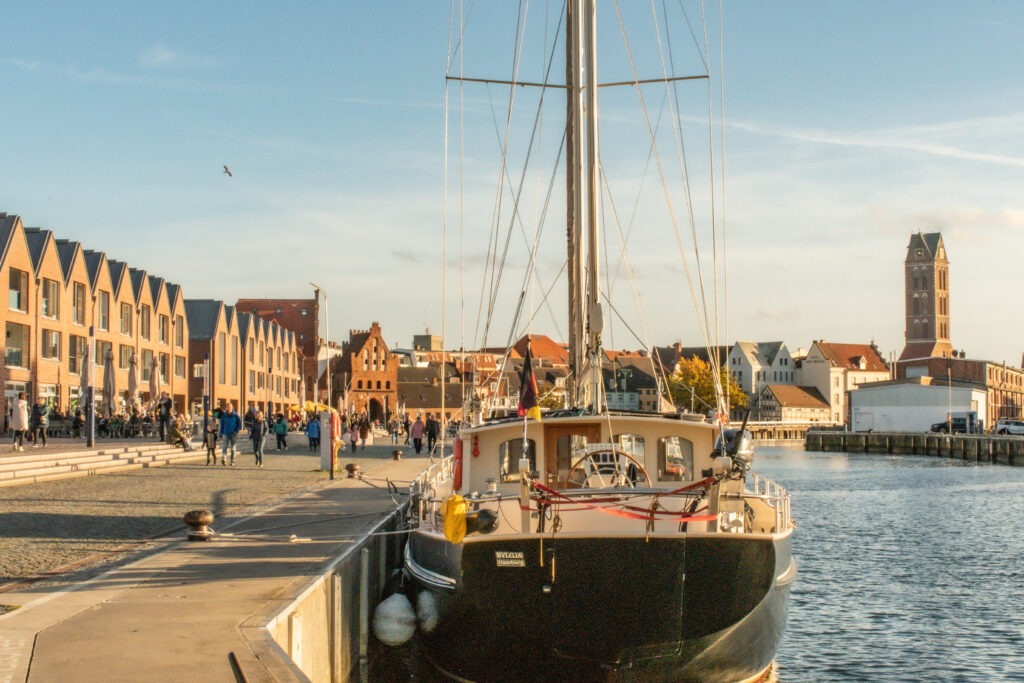
Wismar’s harbour is where I slow down without trying.
Wismar’s harbour feels refreshingly uncurated. It’s not a postcard version of the Baltic, but a working edge of town where fishing boats, warehouses, and walkers coexist easily.
The Old Harbour (Alter Hafen) is ideal for an unstructured stroll. Boats come and go. Locals sit along the water with coffee. There’s movement, but no urgency. It’s a place to pause between sights, not rush through.
You’ll see signs for harbour boat tours, and they can be enjoyable if you like being on the water.
I prefer staying dockside — watching, wandering, and letting the relaxed pace of the harbour do what it does best. Salt sea air. Sounds of gulls soaring overhead. It’s a magical place.
The Brick Gothic Churches You Should Actually Step Inside
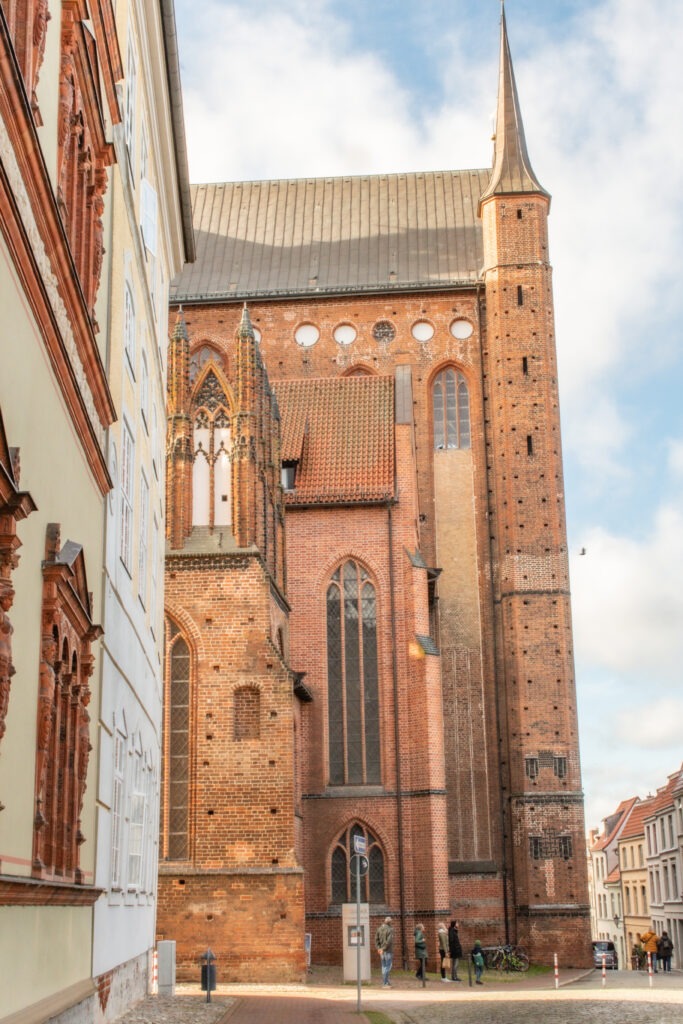
Wismar’s skyline is defined by churches, but a few stand out for more than their size.
- St. Mary’s Church (St. Marienkirche) tells a layered story. Much of it was destroyed during the war, leaving behind a powerful combination of ruins and a tower. Even without a full interior, it’s worth visiting for the sense of scale and history it conveys.
- St. Nicholas Church (St. Nikolai) feels the most atmospheric. Built for sailors, it has a calm, grounded presence that invites you to sit quietly for a moment.
- For views, St. George’s Church Tower (St. Georgen) is the one to climb. From the top, you see red rooftops, church spires, and the harbour stretching toward the Baltic — a perfect way to understand Wismar’s layout.
I recommend you stroll along the scenic canal that runs along St. Nicolas Church. You’re bound to find four bronze statues at Schweinsbrücke (Pig Bridge). Don’t forget to rub the belly and make a wish. I write about the meaning behind this legend when exploring Stuttgart’s attractions.
Small, Interesting Museums
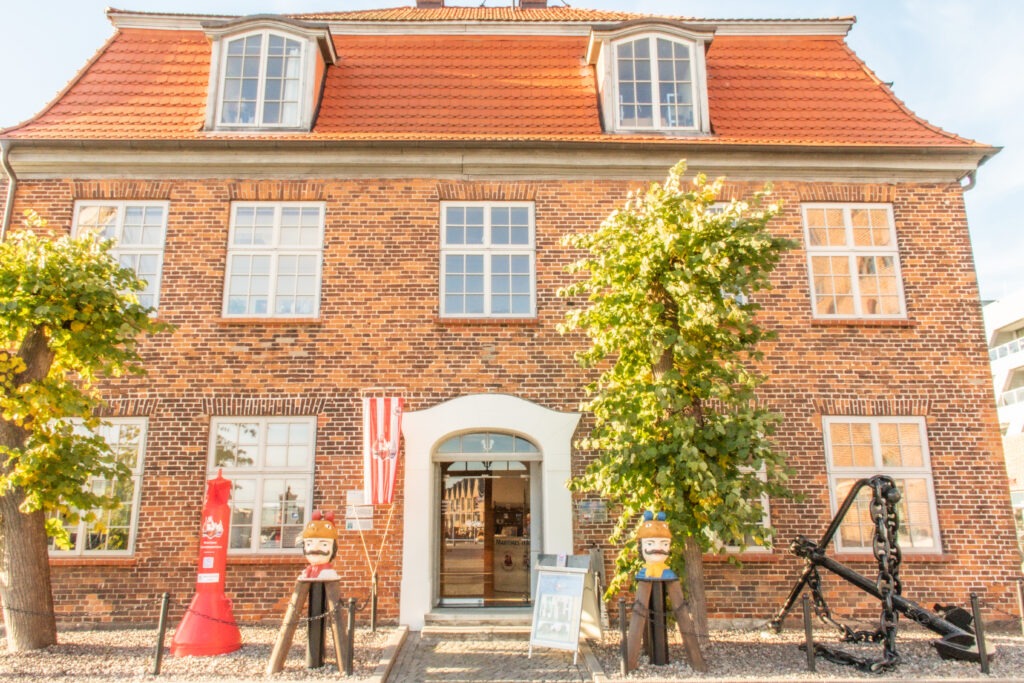
Wismar’s museums are modest, which suits the town. You don’t need hours or planning — just curiosity.
- The Schabbell House (City History Museum) offers insight into everyday life across centuries. It’s especially useful for understanding how trade, architecture, and daily routines shaped the town. It also shares the stories of the Cold War, when Wismar fell under East Germany’s DDR.
- The World Heritage House (Welterbehaus) explains why Wismar earned its UNESCO status. It’s concise, accessible, and surprisingly engaging, even if you’re not usually drawn to museums.
- The Technology and Industry Museum delves into the industrial history of Wismar, including the shipbuilding industry. It’s housed in an old factory, and reminds me of my visit to Hamburg.
These stops work best as pauses between walks, not focal points — context without overload.
Wismar Beaches — Yes, There’s a Baltic Sea Side to This Town
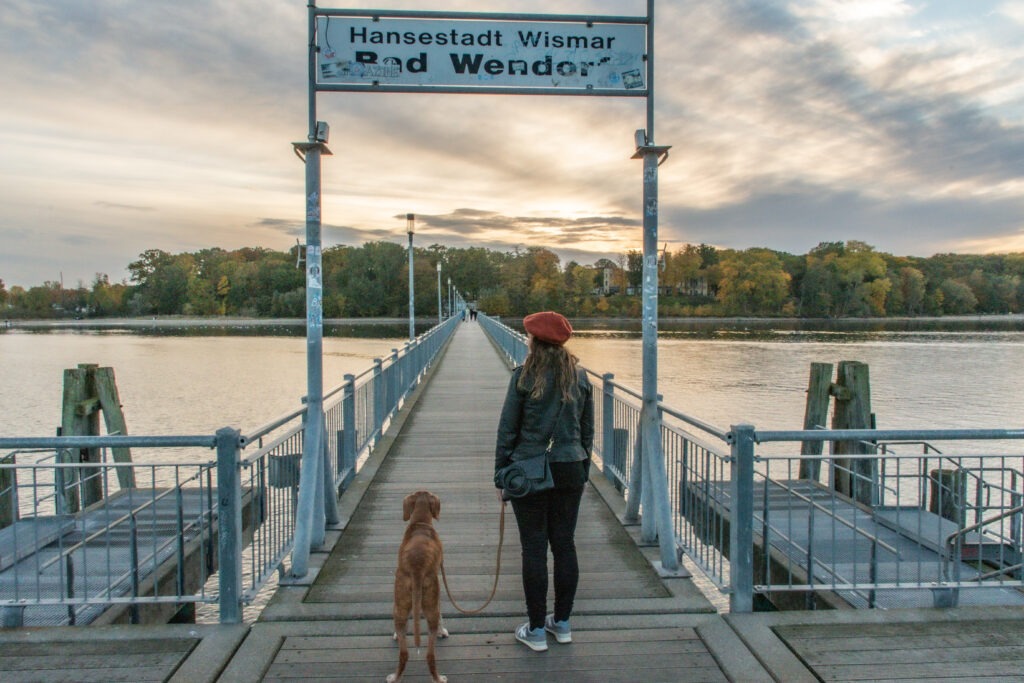
Wismar isn’t a beach resort, and that’s exactly the appeal. The nearby coast feels local, calm, and unpretentious.
- Wendorf Beach is the closest and easiest option. It’s quiet, simple, and ideal for a short escape from the Old Town — especially on warm, breezy days.
- For more space, Poel Island makes an excellent half-day trip. Flat landscapes, cycling paths, and wide Baltic views create a sense of openness that pairs beautifully with Wismar’s historic core.
Think fresh air, long horizons, and no pressure to do anything at all.
Where to Eat and Drink in Wismar
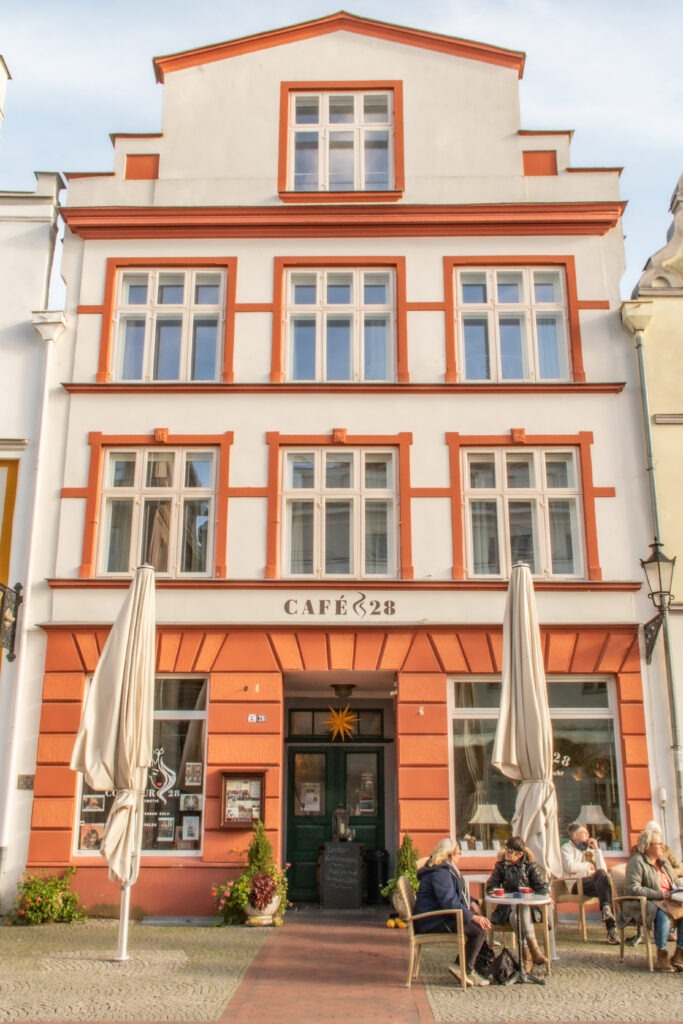
Wismar rewards travellers who eat where locals do. The Old Town has plenty of options, as does the area along the harbour.
Wander over to the fish boats selling Fischbrötchen (fish sandwich) that Wismar is known for. These yummy sandwiches are made from white back fish with an aioli sauce for only a couple of euros.
If not, head back to the main Marktplatz and dine at Alter Schwede, the oldest building on the square. Or, if you want to try a local specialty that Wismar is famous for, the Thüringer Rostbratwurst is a must. The cult classic place to get one is an open window behind the Wismar Rathaus.
Cafés are best enjoyed slowly. Order traditional Kaffee und Kuchen, coffee and cake, sit longer than planned, and watch the town pass by. I did this at Cafe 28, right near the town hall.
Sample local beer at Brauhaus am Lohberg, a historic brewery operating in Wismar since the 15th century.
How Long to Spend in Wismar and Plan Your Visit
Wismar fits into an itinerary easily—but how long you stay says more about your travel style than the destination itself. How long you stay depends less on how much there is to see and more on how you like to travel.
If you’re moving quickly, half a day is enough to walk the Old Town, step into a church, and spend a little time at the harbour. You’ll leave with a sense of the place—but only just.
A full day gives you space to slow down. You can climb St. George’s Church tower, visit a small museum, and still have time to linger over meals.
Two days is ideal if you want to slow down properly. Add a beach visit or a trip to Poel Island, and enjoy Wismar without watching the clock — which, in this town, feels like the point.
FAQ About Wismar, Germany
Is Wismar worth visiting compared to Lübeck?
Wismar feels quieter and less visited than Lübeck, with a more local atmosphere. If you prefer fewer crowds and a slower pace, Wismar stands out. Lübeck has more landmark appeal, while Wismar offers a more relaxed, lived-in experience.
Is Wismar a good base for exploring the Baltic coast?
Yes, especially for a slower itinerary. Wismar is well-positioned for nearby places like Poel Island and Schwerin. It works best if you want a calm base with easy access to nature and beaches rather than a busy hub.
How do you get to Wismar from Hamburg or Berlin?
Wismar is easily reached by train. From Hamburg, it takes about 2 hours. From Berlin, around 2.5 to 3 hours with one transfer. The journey is simple and makes Wismar an easy addition to a northern Germany itinerary.
Is Wismar suitable for first-time visitors to Germany?
It can be, but Wismar is best paired with a larger city like Hamburg or Berlin. Wismar offers depth and atmosphere rather than major sights, making it ideal for travellers who already know they enjoy slower, more local experiences.
A Different Kind of Place to Add to Your Itinerary
Wismar isn’t a place you visit for a checklist.
What stayed with me wasn’t a single church or street, but how easily the town allowed me to move without urgency. No pressure to see everything. No sense of missing out. Just space to experience it as it is.
And that’s often what travellers struggle to plan.
Not where to go—but how to be in a place once they arrive.
If you’re trying to build a trip that feels less rushed and more intentional, this is exactly what I help my clients work through—how to choose places like Wismar, and more importantly, how to experience them differently.


