
If you’re looking for an itinerary for 4 days in Paris, my advice is simple: don’t try to see everything.
Four days is enough time to visit many of Paris’s most famous sights, explore several distinct neighbourhoods, and still have moments to sit at a café, wander a market, or take an unplanned detour down an interesting street. The mistake I see many first-time visitors make is treating Paris like a checklist.
After spending time in Paris over multiple visits, I’ve found that the city is best experienced one neighbourhood at a time. Rather than crossing the city repeatedly each day, I prefer to group sights that naturally fit together and leave space for discoveries along the way.
This 4-day Paris itinerary follows that approach. You’ll see iconic landmarks, but you’ll also experience the side of Paris that keeps drawing travellers back long after they’ve checked the major attractions off their list.
This post may contain affiliate links, meaning I get a commission if you decide to purchase something through the links, at no additional cost to you. Read my Affiliate Disclosure.
Why Four Days Is an Ideal Length for Paris
Four days gives you something many shorter Paris trips don’t: breathing room.
What I’ve noticed, both from my own travels and from helping clients plan their trips, is that many people frontload their itineraries. They spend the first few days racing between landmarks, museums, and reservations, telling themselves they’ll slow down later. Then, somewhere near the end of the trip, they finally relax. The problem is they’re often packing their bags the next morning.
Paris rewards a different approach.
Instead of trying to get all the sightseeing out of the way first, I prefer choosing one anchor experience for each day. That might be the Louvre, Montmartre, Notre-Dame, or the Eiffel Tower area. Once that’s done, I leave space for whatever catches my attention. Maybe it’s a hidden square filled with locals, a garden bench that invites a longer pause, an interesting bookshop, or simply wandering streets that weren’t part of the original plan.
This balance is why four days works so well. You have enough time to visit Paris‘s major sights without feeling like every hour must be scheduled. You can enjoy the landmarks while still leaving room for the small experiences that often become the most memorable part of the trip.
The itinerary below follows that philosophy, one that I’ve put into a workbook called The Unrushed Itinerary Method. Each day has a clear focus, but it also leaves room for Paris to surprise you.
Stay connected in France with Holafly eSIM. Enjoy unlimited mobile data while you travel with no extra fees. Use code DREAMPLANEXPERIENCE for an exclusive 5% discount.
Day 1: Historic Paris and the Seine
For your first day in Paris, I like to start where the city itself began.
This route stays largely within the historic center, making it an easy introduction to Paris. You’ll visit some of the city’s most important landmarks, but you’ll also have time to notice the details that many visitors miss when they’re rushing between attractions.
Morning: Notre-Dame and Île de la Cité
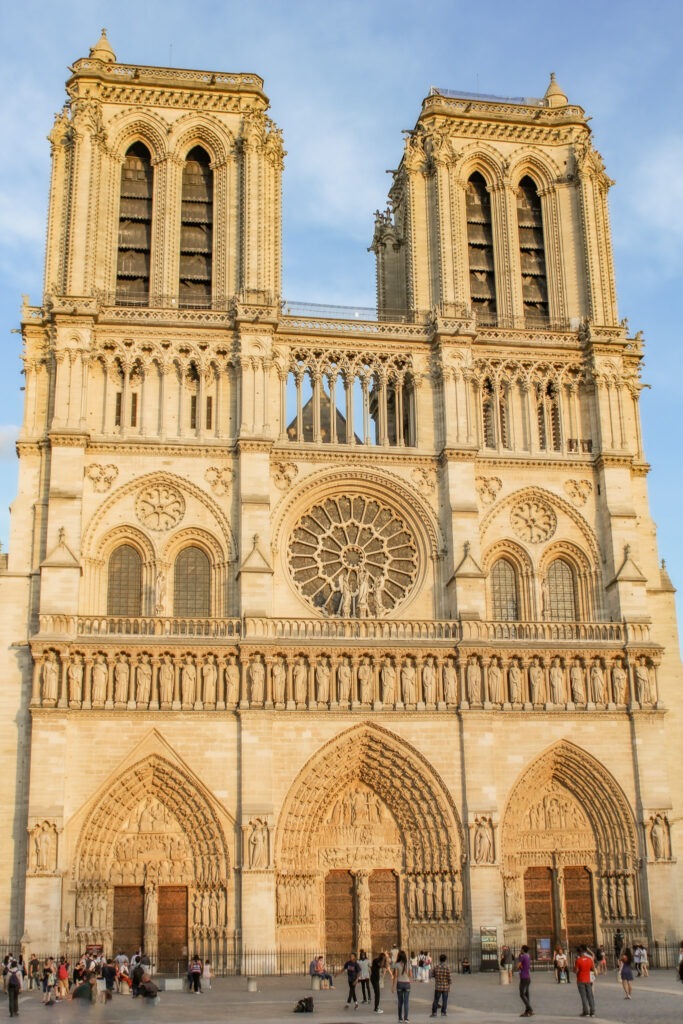
I recommend starting your day at Notre-Dame.
Even after multiple visits to Paris, this remains one of the places I return to again and again. The cathedral sits on Île de la Cité, the island where Paris was founded more than 2,000 years ago. While much of the city expanded outward over the centuries, this small island remains the symbolic heart of Paris.
Arrive as early as possible. The area feels completely different before the crowds build. You’ll have a better chance of appreciating the architecture, hearing the church bells, and seeing locals moving through the neighbourhood before tour groups arrive.
After visiting Notre-Dame, spend some time walking around the island rather than immediately moving on to the next sight. Cross behind the cathedral to Square Jean XXIII for views of the flying buttresses and a quieter perspective than you’ll find out front.
Insider tip: Most visitors photograph Notre-Dame from the main square. Some of my favourite views are actually from the bridges surrounding the island, particularly early in the morning when the Seine is still relatively calm.
Late Morning: Sainte-Chapelle
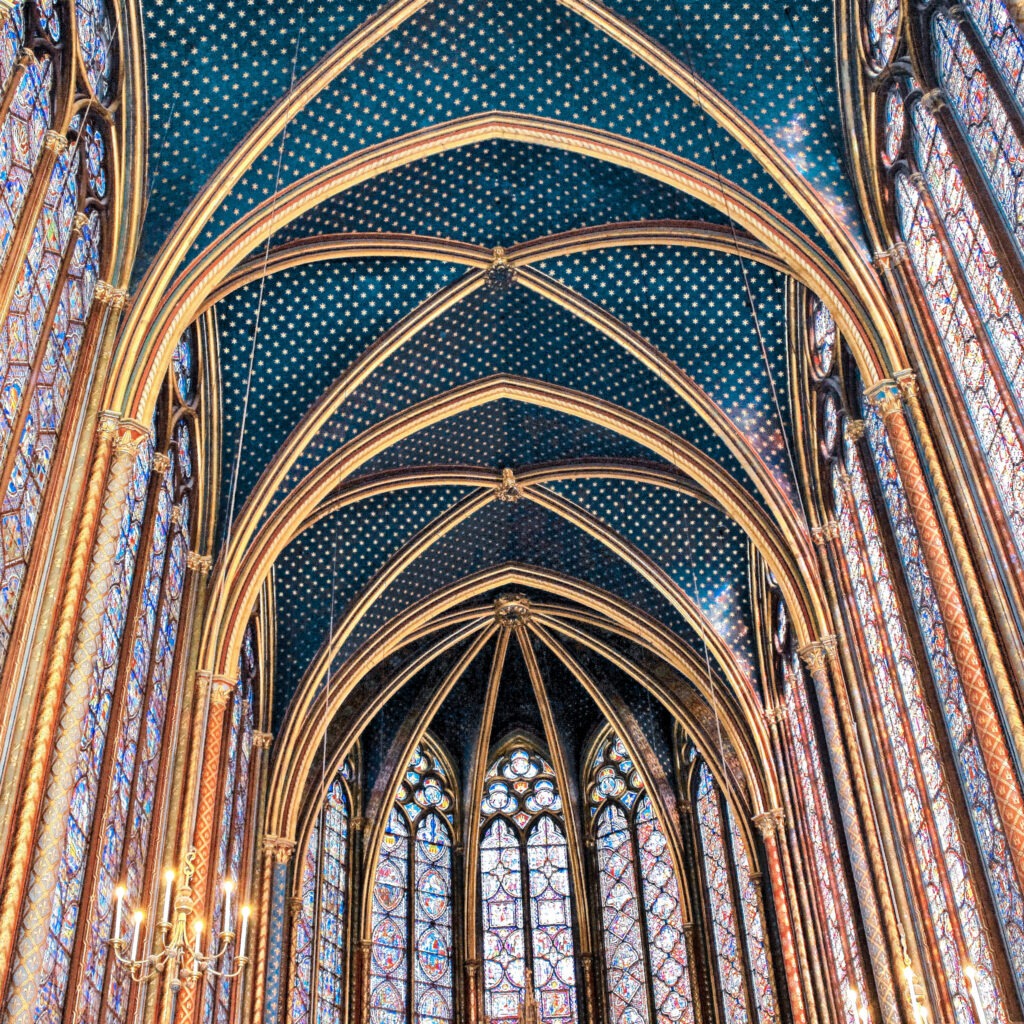
A short walk away is Sainte-Chapelle, one of the most impressive interiors in Paris.
Built in the 13th century to house religious relics for King Louis IX, the chapel is famous for its walls of stained glass. Even travellers who don’t normally visit churches are often surprised by how remarkable the space feels once they step inside.
Book your ticket in advance and aim for a morning entry if possible. The light filtering through the glass can completely change the experience. I last visited here for an evening concert, which is a different mood altogether. But, for first-timers, I recommend seeing it with the daylight pouring in.
What to Expect: Security lines can be lengthy, especially during peak season. Allow at least an hour for your visit, including entry time.
Lunch in the Latin Quarter
From Sainte-Chapelle, cross into the Latin Quarter for lunch.
This is one of the oldest neighbourhoods in Paris and has long been associated with students, writers, and academics. While you’ll find plenty of restaurants along the main streets, I usually wander a few blocks away from the busiest areas before choosing a place to eat. I’ve dined at so many great restaurants in this area, but I will leave you with two of my favourites: Bistro des Lettres, anything they do with leeks and eggs is divine, or a walk down the market street called Rue Mouffetard for a quicker bite.
In general, I avoid restaurants directly beside major attractions. A few extra minutes of walking often leads to a much better meal and a more local atmosphere.
Afternoon: Luxembourg Gardens and Saint-Germain-des-Prés
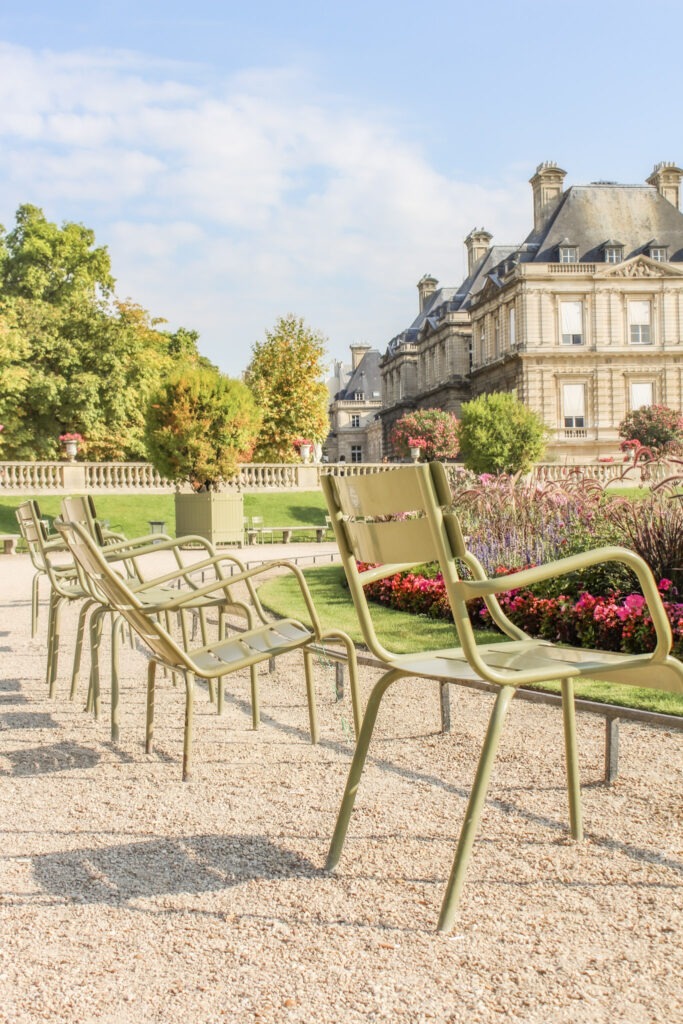
After lunch, continue toward Luxembourg Gardens.
This is one of my favourite places to slow down during a Paris trip. Rather than treating it as another attraction to check off, find a green metal chair, sit for a while, and watch everyday Paris unfold around you. You’ll see locals reading, meeting friends, or simply enjoying the afternoon.
From there, make your way into Saint-Germain-des-Prés, not before stopping at two of my favourite shops: Astier de Villatte and Marin Montagut where my home is building a small collection of objects from my over dozen trips to Paris.
This neighbourhood is known for its cafés and elegant streets, but what I enjoy most are the smaller side streets between the major landmarks, as you’ll find in my self-guided walking tour. Browse a bookshop, step into a courtyard if it’s open, or wander without a destination for an hour. This is exactly the kind of time many travellers eliminate when they over-schedule their days.
For more Paris content, follow me on Substack, it’s where I spill all my secrets.
Evening: A Walk Along the Seine
For your first evening in Paris, keep things simple.
Make your way back toward the Seine and walk west along the river. Pass the Louvre toward Pont Alexandre III. It’s one of my favourite spots to watch the Eiffel Tower sparkle at night. This happens on the hour and lasts 5 minutes, so you’ll want to time your visit here.
If a Seine river cruise has always been on your Paris wish list, tonight is a good time to do it. Seeing many of the city’s landmarks illuminated after dark provides a completely different perspective than you’ll experience on foot during the day.
From here, there are two restaurants I’ve dined at that I quite enjoyed: Café des Ministères and Rosemarie. Both offer Paris classic dishes, with an elevated twist. But I love the atmosphere here, and the best part they are enjoyed by locals and not tourists.
Day 2: Classic Paris and the Right Bank
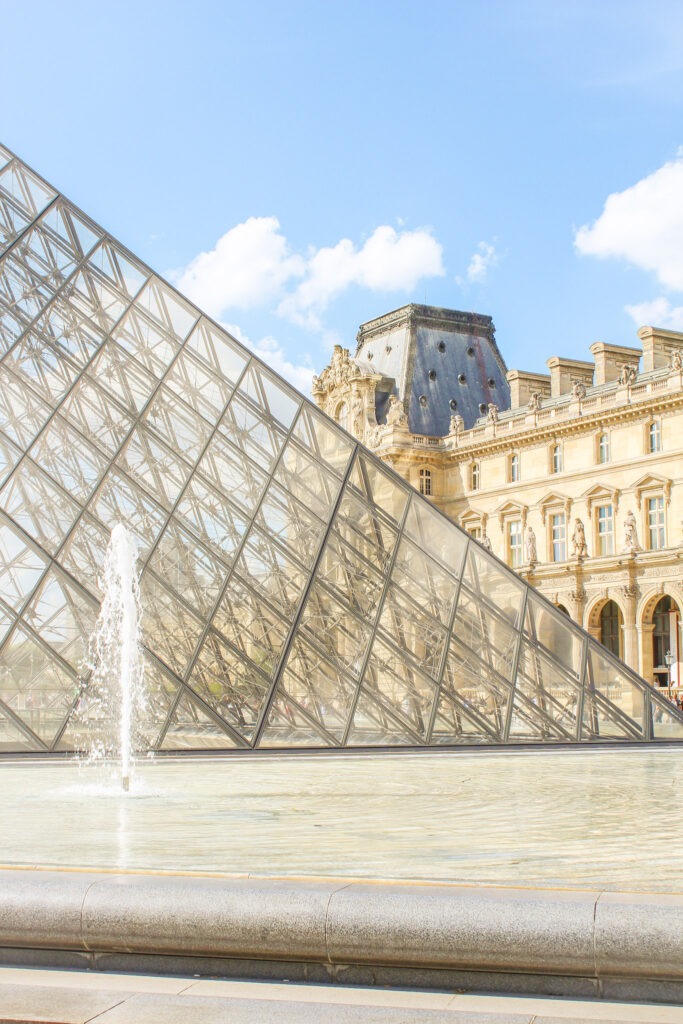
Today is about some of Paris’s most recognizable landmarks.
The mistake many visitors make is trying to fit all of them into a single day. Instead, I interweave them into your itinerary a little bit each day. You’ll still see plenty, but you’ll have a much better chance of actually enjoying it.
Morning: The Louvre
Start your day at the Louvre.
Even if you’re not a museum person, I think it’s worth experiencing at least once. The building alone is extraordinary, both inside and out, and its collection spans centuries of art and history. Choose what you feel is right for you.
What I don’t recommend is trying to see everything.
The Louvre is enormous. I’ve seen travellers spend hours rushing from room to room only to leave exhausted and unable to remember much of what they saw. Instead, choose a few sections that genuinely interest you and focus your time there.
Whether you’re drawn to Italian masterpieces, French paintings, Egyptian antiquities, or sculpture, a more selective approach almost always leads to a better experience.
Insider tip: Book the earliest entry time available. You’ll encounter fewer crowds and spend less time waiting in security lines. Plan for three to four hours. Even a focused visit can take longer than most people anticipate.
Lunch Around Palais Royal Through the Covered Passages
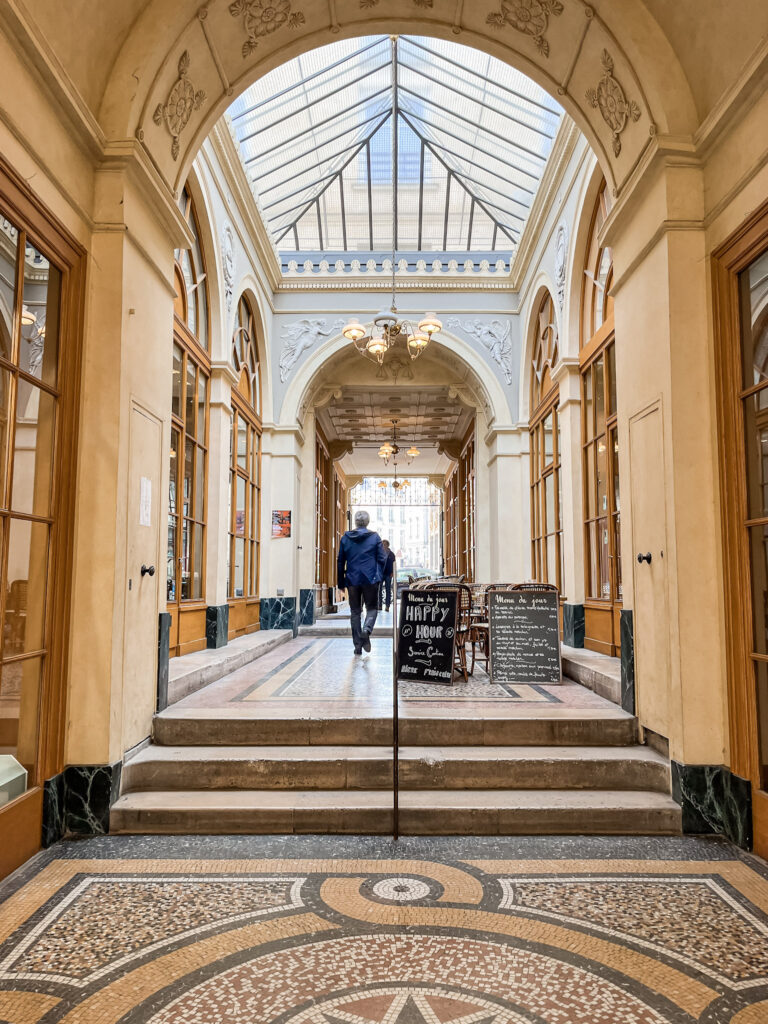
After the Louvre, walk a few minutes to the Palais Royal.
Many visitors pass through without stopping, which is a shame. The arcaded walkways, gardens, and the quieter atmosphere make it one of my favourite places to pause after a busy museum morning.
Make your way through Passage des Deux-Pavillons toward Galerie Colbert. This small detour introduces you to one of my favourite sides of Paris: the elegant covered passages that many first-time visitors completely miss.
For lunch, I recommend Le Grand Colbert. Opened in the late 19th century, it is one of those classic Paris brasseries that feels very much a part of the city rather than simply a place to eat. The soaring dining room, mirrors, and Belle Époque details make it a memorable stop between sightseeing.
After lunch, spend some time wandering through Galerie Vivienne. With its mosaic floors, glass roof, independent boutiques, and quieter atmosphere, it offers a completely different experience from the crowds around the Louvre. Don’t rush through. This is exactly the type of place that rewards slowing down and looking around.
From Galerie Vivienne, continue toward the Tuileries Garden to begin your afternoon.
Afternoon: Tuileries Garden and Place de la Concorde
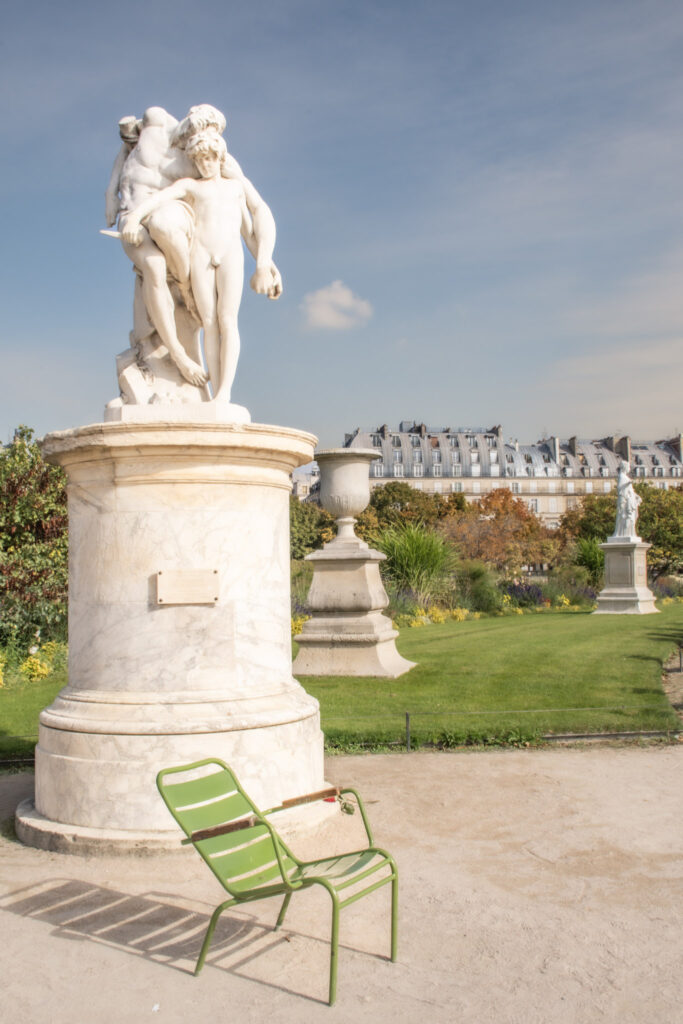
Enter the Tuileries Garden and walk west toward Place de la Concorde.
This route offers a different side of Paris than the narrow streets you explored on Day 1. Here, the city feels grand and open, with wide pathways, formal gardens, and long sightlines stretching toward some of Paris’s most famous monuments.
I often see visitors rushing through the Tuileries on their way somewhere else. Instead, take your time. Find a green chair beside one of the fountains, rest your feet, and watch local life unfold around you.
At the western end of the garden sits Place de la Concorde, one of the largest public squares in Paris. While it’s beautiful today, it also played a significant role during the French Revolution, when it served as the site of public executions.
Continue Toward the Arc de Triomphe
From Place de la Concorde, continue along the Champs-Élysées.
This avenue appears on nearly every Paris itinerary, but I’ll admit it isn’t my favourite part of the city. I’ve done it once, and that’s enough for me. Many first-time visitors expect a charming Parisian boulevard and are surprised to find a busy commercial street lined with international brands.
That doesn’t mean you should skip it altogether.
Walking a portion of the avenue is worthwhile simply because it connects two of Paris’s most important landmarks and offers a sense of the city’s scale. Just keep your expectations realistic.
If walking the entire Champs-Élysées doesn’t appeal to you, I’d head in a different direction. Stop at Angelina for one of its famous hot chocolates in the historic tea house, then wander over to Place Vendôme, one of the most elegant squares in Paris.
This part of the city feels far more Parisian to me than the Champs-Élysées itself. The streets are beautiful, the pace is calmer, and it’s a pleasant way to spend an afternoon without feeling like you’re checking another attraction off a list.
Evening: Arc de Triomphe at Sunset
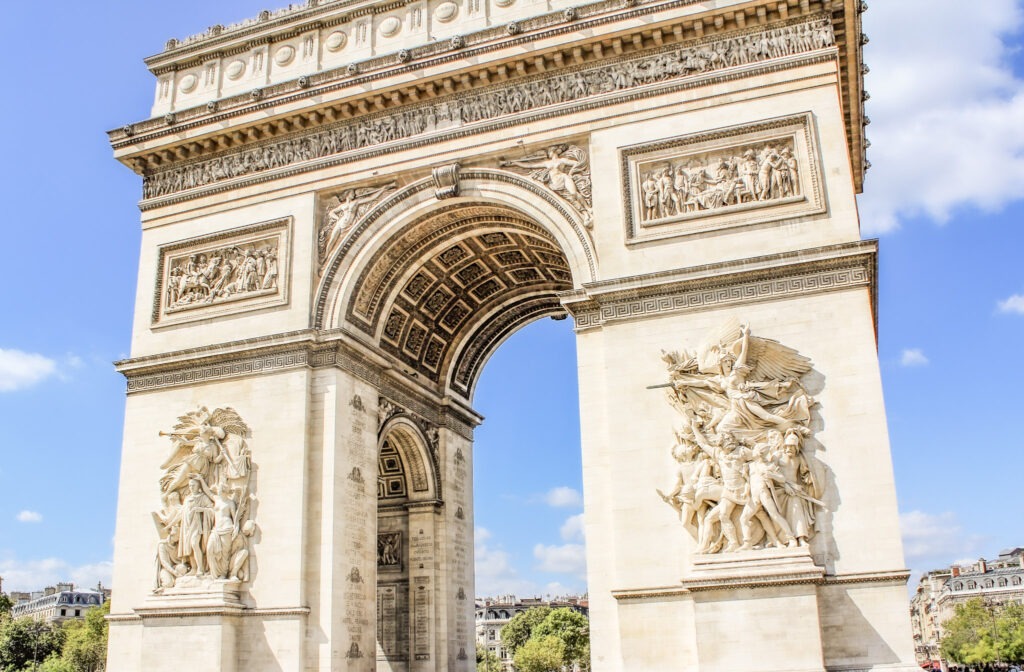
End your day at the Arc de Triomphe.
Commissioned by Napoleon in the early 19th century, it remains one of the most recognizable monuments in France. While the structure is impressive from street level, the real reward is the view from the top.
If possible, time your visit for late afternoon or early evening. Watching the city transition from daylight into evening provides one of the best panoramic views in Paris. From here, you’ll see many of the places you’ve already explored and begin to appreciate how the city’s neighbourhoods connect with one another.
If you want to experience a classic Parisian bistro, I recommend dining at Chez André, where it feels like stepping into another era. The décor, the waiters, and the menu have barely changed since the restaurant opened in 1936. Or, for a memorable meal, I recommend dining at Margaux, followed by a moonlit walk along the Seine River.
Unrushed Itinerary Tip: Many travellers would try to fit the Eiffel Tower into today as well. I wouldn’t. Paris becomes far more enjoyable when you resist the urge to squeeze in “just one more sight.” Save something for tomorrow. The city isn’t going anywhere.
Day 3: Montmartre Beyond the Instagram Spots
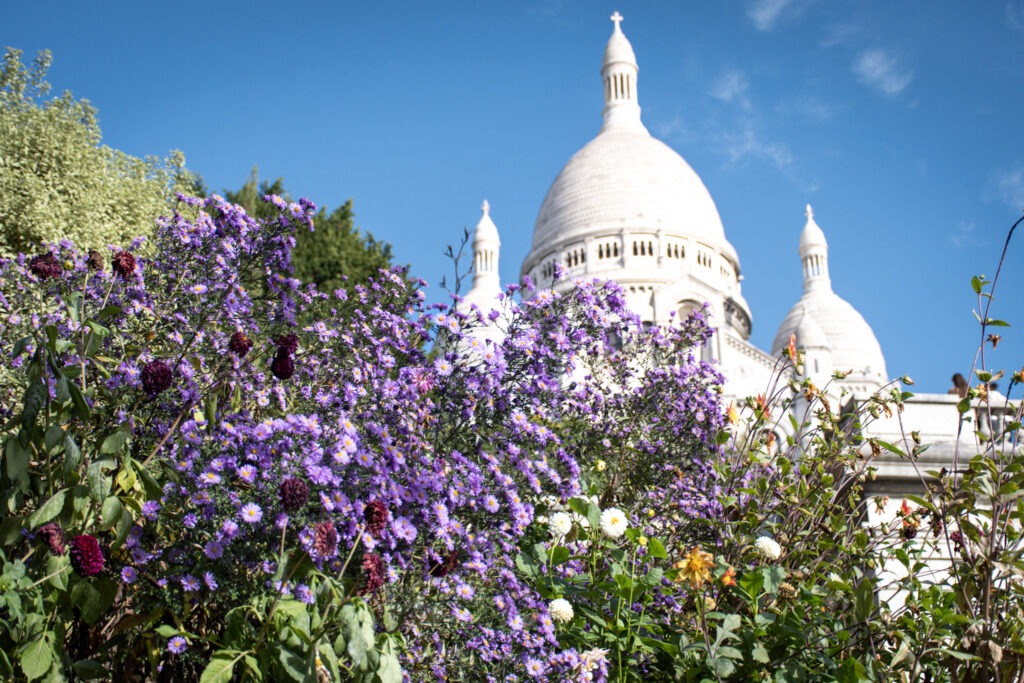
Montmartre is one of the most visited neighbourhoods in Paris, but it can feel completely different depending on when you arrive.
Most visitors show up late in the morning, take a few photos around Sacré-Cœur, browse the souvenir shops, and move on. I prefer the opposite approach. Arrive early and give yourself time to explore beyond the places that appear on social media.
Early Morning: Montmartre Before the Crowds
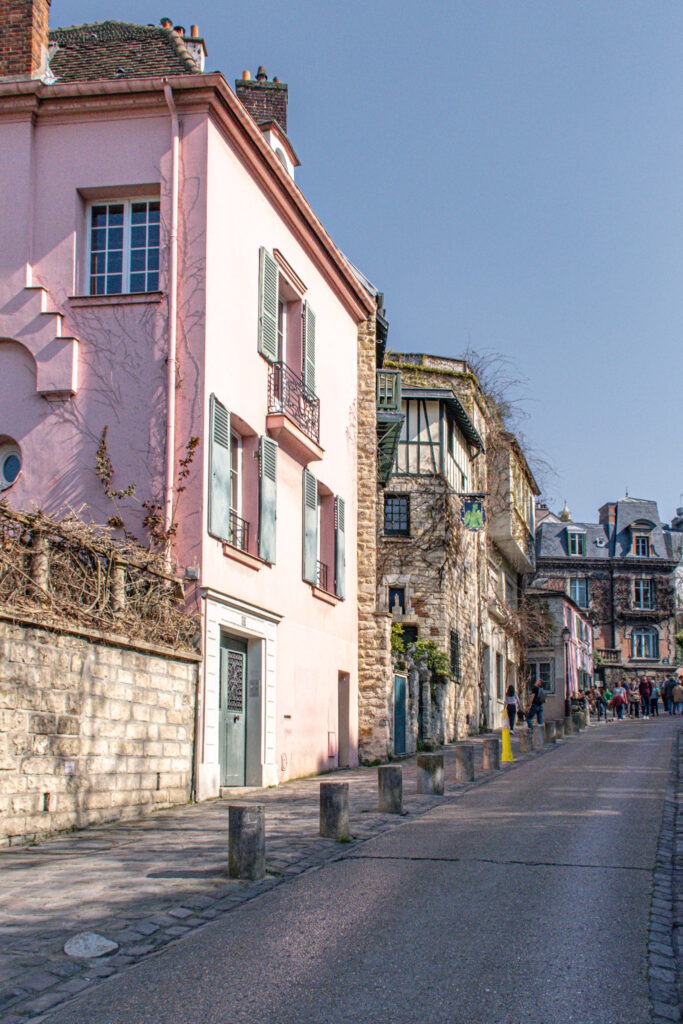
Start your day at Sacré-Cœur.
The basilica sits at the highest point in Paris and offers one of the best views over the city. Early morning is by far my favourite time to visit. The steps are quieter, the narrow streets are less crowded, and the neighbourhood still feels connected to the local community that lives here.
From Sacré-Cœur, spend time wandering through Montmartre’s residential streets.
Walk along Rue de l’Abreuvoir, pass Place Dalida, and explore some of the quieter corners that many visitors never reach. While Montmartre has changed significantly since its days as an artists’ village, it still rewards travellers who are willing to leave the main tourist routes behind.
Insider tip: If you find a street that isn’t crowded, follow it. Some of my favourite moments in Montmartre have come from wandering without a destination rather than following a map.
Lunch in Montmartre
Stay in the neighbourhood for lunch.
By midday, the crowds will be building around Sacré-Cœur, but a short walk away, you’ll find quieter streets lined with cafés, bakeries, and local restaurants. This is a good opportunity to slow down and enjoy the atmosphere rather than rushing to the next attraction. I’ve got a couple of good recommendations for you: La Boîte aux Lettres is one of my favourites, especially if you love cozy winebar vibes, or I’ve enjoyed good-tasting crepes at Crêperie Brocéliande.
Afternoon: Choose Your Paris
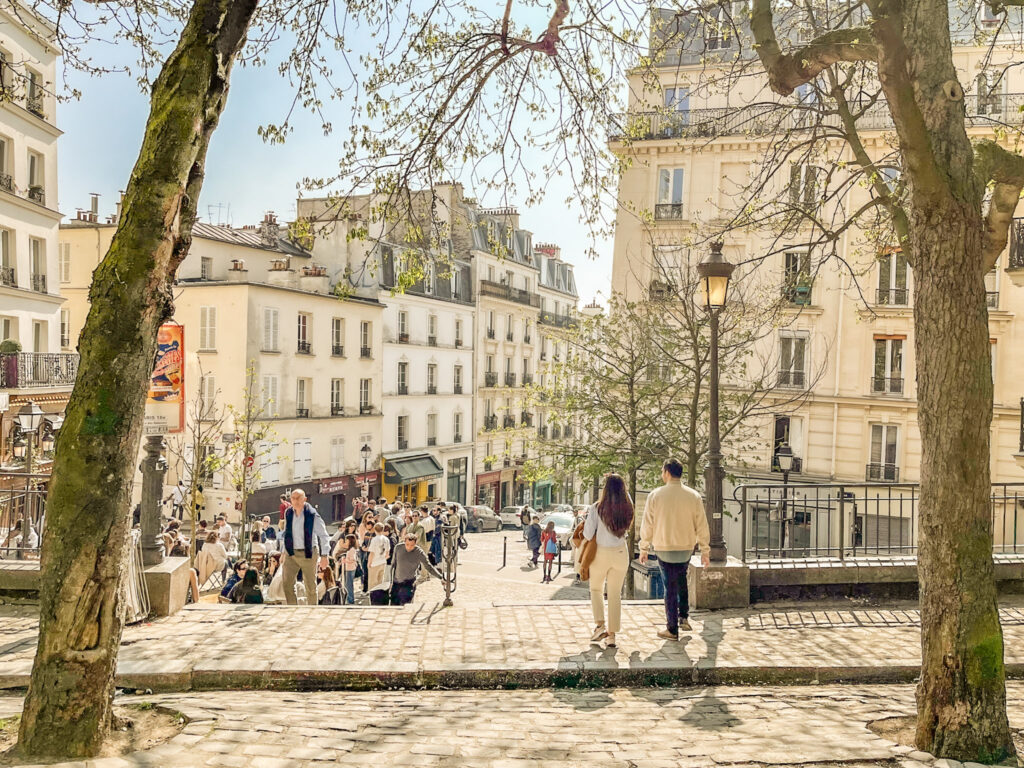
One of the advantages of having four days in Paris is that not every afternoon needs to look the same.
Option 1: Stay in Montmartre
If you’re enjoying the neighbourhood, stay.
Visit the Musée de Montmartre, browse local galleries, linger over a coffee, or simply continue exploring the side streets. Montmartre is one of the few areas of Paris where I think it’s perfectly reasonable to spend an entire day without a strict plan, as you’ll find in my self-walking tour guide.
Option 2: Walk Down Rue des Martyrs and Explore the Covered Passages
From Montmartre, walk downhill along Rue des Martyrs.
This lively street is filled with food shops, cafés, and specialty stores used by locals. Continue toward Passage Jouffroy and Passage des Panoramas, two of Paris’s historic covered passages.
I love this route because it connects several different sides of Paris in a single walk. You’ll move from village-like Montmartre to elegant 19th-century arcades while seeing parts of the city that many first-time visitors miss.
Option 3: The Eiffel Tower and Trocadéro
If this is your first visit to Paris, you may want to spend the afternoon around the Eiffel Tower.
Rather than rushing there first thing in the morning with everyone else, I prefer visiting later in the day when the light starts to soften. Start at Trocadéro for one of the most iconic views of the tower, then make your way down through the gardens toward the Champ de Mars.
If going up the Eiffel Tower is important to you, book your ticket well in advance. Entry times often sell out, especially during the busiest travel months.
Don’t feel obligated to go up. Even if you don’t plan to go to the top, the surrounding area is worth exploring. Walk along the Seine, enjoy the views from the riverbanks, and take time to appreciate the tower from different angles. Some of the best perspectives aren’t directly beneath it but can be found on the side streets around it.
Option 4: Palais Garnier and Galeries Lafayette Haussmann
If this is your first visit to Paris, consider heading toward the Opéra district.
Palais Garnier is one of the most beautiful buildings in the city, with grand staircases, ornate ceilings, and remarkable architectural detail. Even if you don’t attend a performance, the interior is worth seeing.
Afterward, visit Galeries Lafayette Haussmann. Whether or not shopping interests you, don’t miss the spectacular dome and rooftop terrace. The rooftop offers one of my favourite free views of Paris.
Evening
Where you spend the evening depends largely on the afternoon you’ve chosen.
If you’ve stayed in Montmartre, enjoy dinner in the neighbourhood and experience it after many of the day visitors have left.
If you’ve explored Rue des Martyrs or the Opéra district, stay nearby for dinner rather than returning across the city. One of the simplest ways to make a Paris itinerary feel less rushed is to stop crossing town for every meal.
Day 4: Le Marais and a Paris Neighbourhood Day
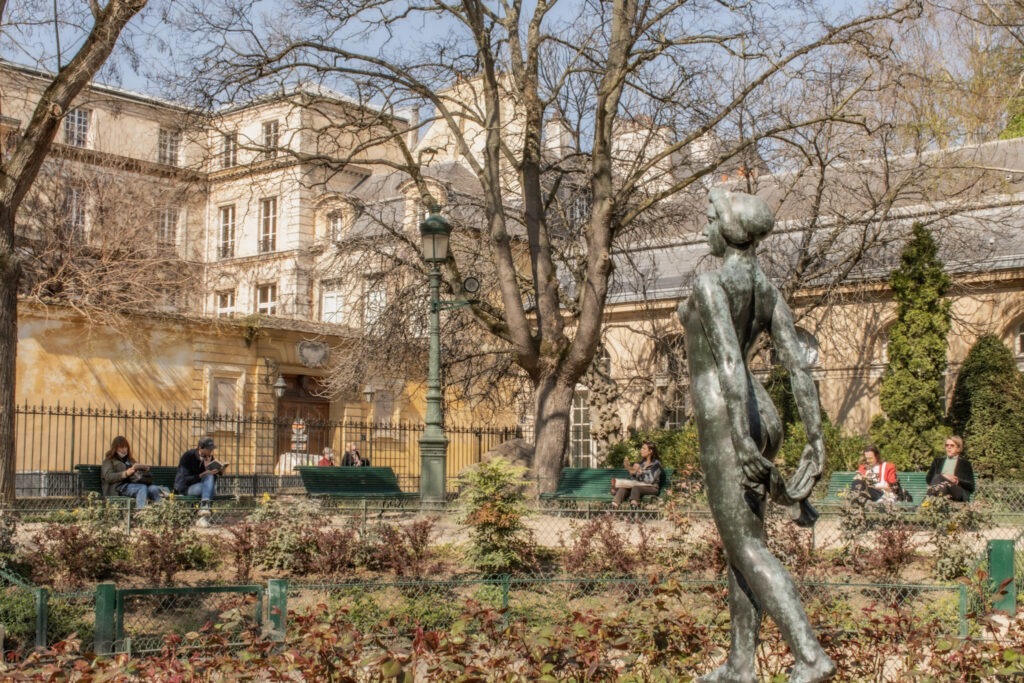
If the first three days have been about seeing Paris, today is about experiencing it.
Le Marais is one of the neighbourhoods I return to on almost every visit. It’s walkable, full of character, and rewards travellers who are willing to slow down. Some of my favourite memories here aren’t tied to famous landmarks at all. They’re tied to discovering a hidden courtyard, a small garden, finding an interesting art gallery, or wandering the web of streets simply because they look inviting.
This is exactly why I’ve saved Le Marais for your final day.
Morning: Explore Le Marais
Start your morning at Place des Vosges, the oldest planned square in Paris.
Arrive early if possible. Before the neighbourhood fully wakes up, the square feels surprisingly peaceful. Take a few minutes to walk beneath the arcades and appreciate the symmetry that has made this one of Paris’s most beloved public spaces for more than four centuries.
From there, spend the rest of the morning exploring Le Marais without a rigid plan, and what you’ll find in my self-guided walking tour.
Browse independent boutiques, step into historic courtyards when they’re open, and allow yourself time to wander. One of my favourite things to do in this neighbourhood is simply look up. Many of the architectural details, carved doorways, and elegant facades that make Le Marais special are easy to miss when you’re focused only on what’s directly ahead.
Lunch and Market Browsing
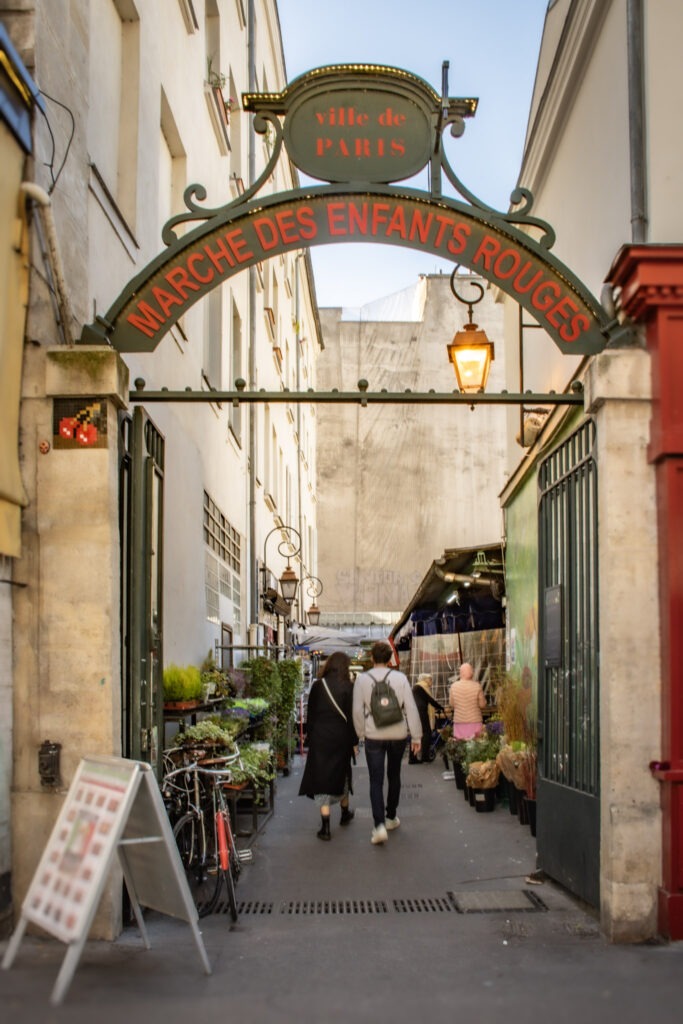
For lunch, head to Marché des Enfants Rouges.
Established in the early 1600s, it is the oldest covered market in Paris and a great place to sample different foods without committing to a formal restaurant. The atmosphere feels local, informal, and far removed from the city’s major tourist attractions.
After lunch, continue exploring the surrounding streets at your own pace.
Late Afternoon: Choose Your Paris
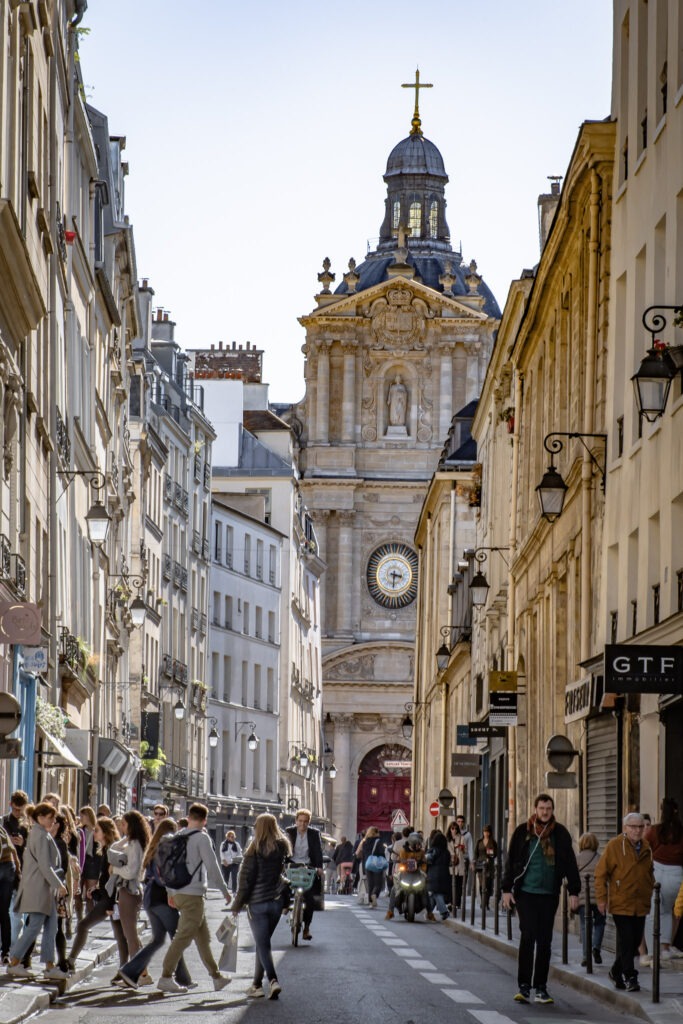
By now, you’ll have a better sense of the type of traveller you are. Use your final afternoon to lean into what you’ve enjoyed most.
For the First-Time Visitor: Stay in Le Marais
If this is your first time in Paris, my advice is simple: stay right where you are.
Many first-time visitors underestimate how much there is to see in Le Marais. Spend the afternoon exploring side streets, stopping for coffee, or simply enjoying the atmosphere. Le Marais has lots of hidden gardens and squares you can find and rest your feet. Sometimes the best use of a final afternoon is resisting the urge to rush somewhere else.
For the Museum Lover: Le Marais’ Smaller Museums
If you love museums, some of my favourites can be found in this district.
Le Marais is home to several smaller museums, and they are mostly free. Consider the Musée Carnavalet, which explores the history of Paris, or the Musée Cognacq-Jay, housed within an elegant historic mansion.
These museums are easier to enjoy because they don’t require an entire day of your attention.
For the Slow Traveller: Canal Saint-Martin
If you’ve enjoyed wandering neighbourhoods more than checking off attractions, head to Canal Saint-Martin.
The canal offers a different side of Paris than the grand boulevards and historic monuments you’ve visited so far. Walk along the water, stop at a café, and enjoy an area where daily life takes center stage. This is a great spot to spend your evening. Join the locals, grab a bottle of wine and dangle your feet over the edge.
For the Return Visitor: Île Saint-Louis
If this isn’t your first trip to Paris, spend your final afternoon on Île Saint-Louis.
Located beside Île de la Cité, the island feels quieter and more residential than many of the neighbourhoods you’ve already explored. Wander the streets, admire the architecture, and enjoy a slower pace before your trip comes to an end.
Your Final Evening in Paris
Choose a neighbourhood restaurant, I like Chez Julien as it is central to all your options and close to the Seine River. Order something you’ve never tried before, and take one final walk through the city after dinner. There is something special about a last evening in Paris when you stop trying to see more and simply enjoy being there.
After four days, you’ll still leave with places you haven’t visited.
That’s a good thing.
The best Paris trips leave you with reasons to return.
4 Days in Paris, Without the Rush
The best four-day Paris itinerary isn’t the one that covers the most ground. As you can see, this itinerary balances top sights with relaxing in some of Paris’s favourite neighbourhoods.
Where you stay can shape your experience of Paris just as much as the attractions you visit.
For a first trip, I recommend staying in either Le Marais, Saint-Germain-des-Prés, or an area near the Louvre. Each offers a different experience, but all make it easy to follow an itinerary like this without spending excessive time on the Metro.
If you’re still deciding where to base yourself, I’ve put together detailed guides on the best neighbourhoods and hotels in Paris to help you choose the right fit for your travel style.
If you’re planning a trip to Paris and would like a personalized itinerary built around your interests, travel style, and pace, learn more about my custom Paris trip planning services. I’ll help you create a trip that feels thoughtful, realistic, and designed around the way you actually want to travel.