

Berlin doesn’t naturally lead you to Charlottenburg Palace. It sits off to the west, outside the radar of most first-time itineraries. When I lived in Berlin, I didn’t go right away either. It wasn’t where the city pulled me right away.
And that’s exactly the point.
Charlottenburg is a choice. You go when you want something Berlin doesn’t easily give you. Space. Beauty. A slower kind of attention.
I don’t think of it as a must-see, and I don’t build it into every trip I plan for clients. But when I do include it, it usually is because of that specific traveller. Or, as a pause between heavier, more layered parts of the city.
If your time in Berlin is short, this likely isn’t where you start. But if you’re staying longer, or returning, Charlottenburg begins to make sense in a different way.
This post may contain affiliate links, meaning I get a commission if you decide to purchase something through the links, at no additional cost to you. Read my Affiliate Disclosure.
How Charlottenburg Palace Changes the Pace of Your Berlin Trip
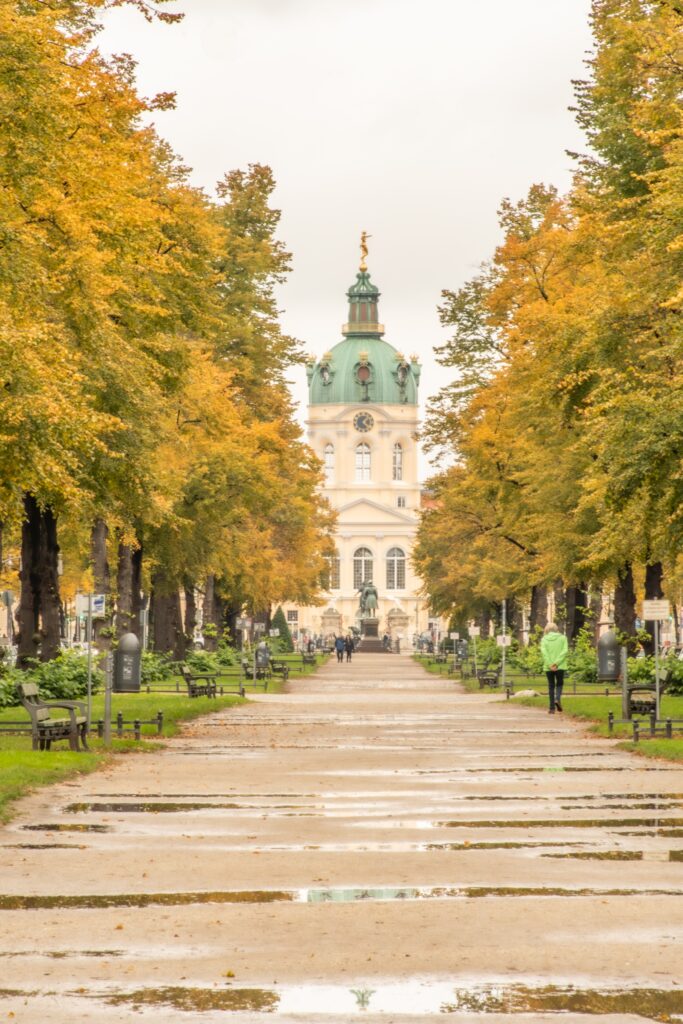
What Charlottenburg changes for me isn’t what I see, it’s how I move.
Berlin has a pace to it. Even when you’re not rushing, there’s a weight to the city. The history, the scale, the constant shifting between neighbourhoods. I feel it most after a couple of days, when everything starts to blur together. That’s usually when I make my way out to Charlottenburg Palace, or where I recommend that my clients add a visit.
It slows me down almost immediately.
Part of that is the setting. Being this far west, it doesn’t feel like central Berlin anymore. The approach to the palace, the symmetry of the grounds, the way everything is laid out with intention, creates a different kind of focus. I’m not darting between sights. I’m walking, noticing, lingering.
And then there’s the beauty, which Berlin, for all it offers, doesn’t naturally give you in this way.
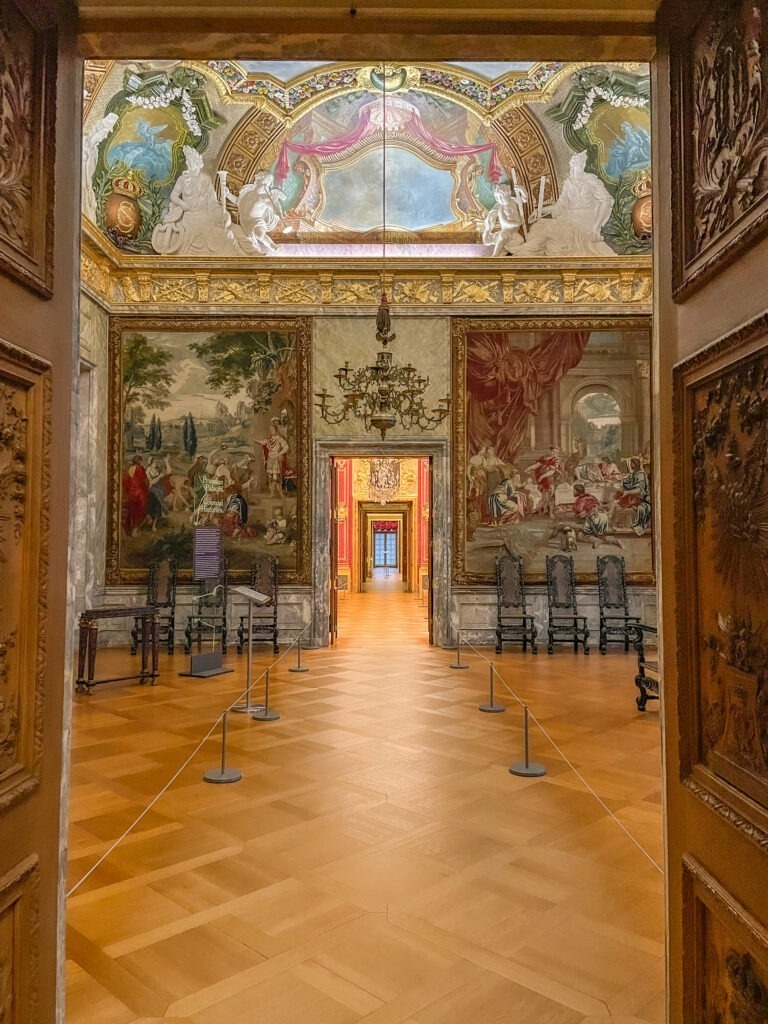
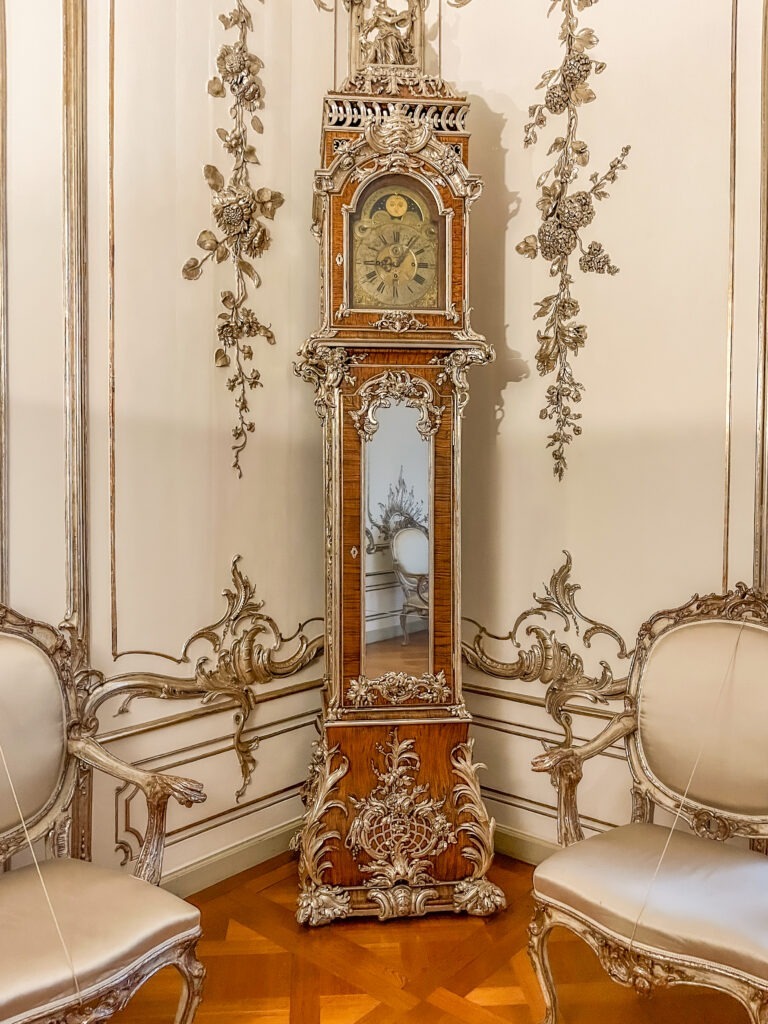
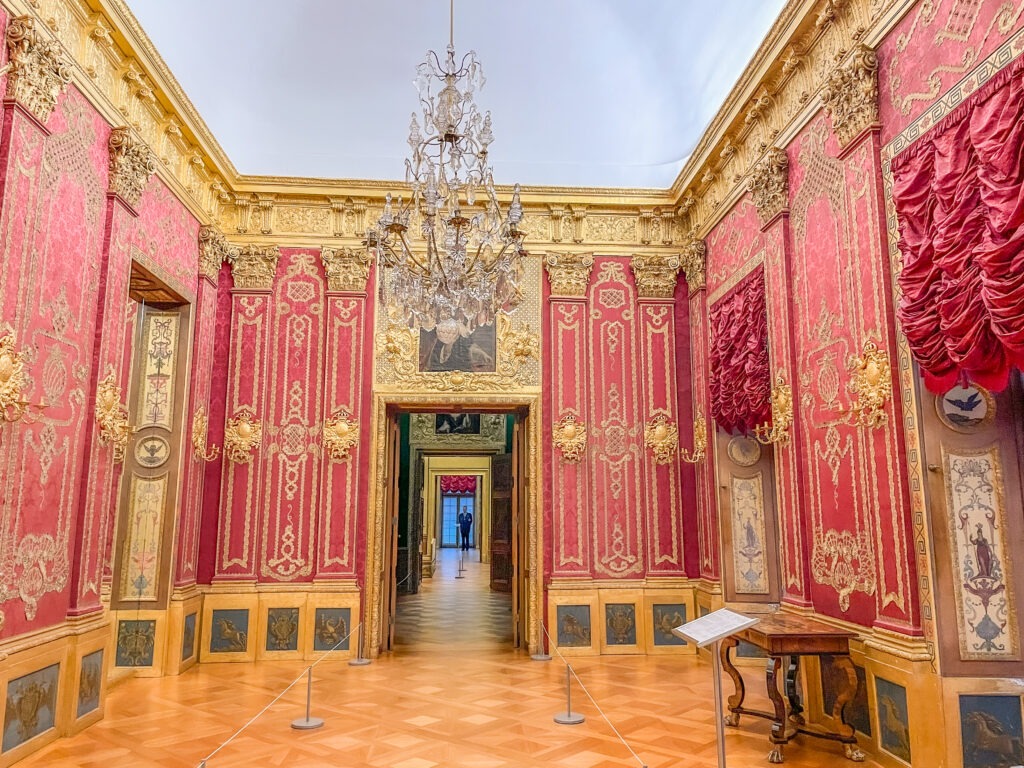
Most of the city’s architecture tells a different story. It’s layered, fractured, and often stark. Charlottenburg is something else entirely. It’s refined. Decorative. Elegant. Walking through the interiors, I’m reminded of a smaller version of Versailles. Not as overwhelming, but just as deliberate in its detail.
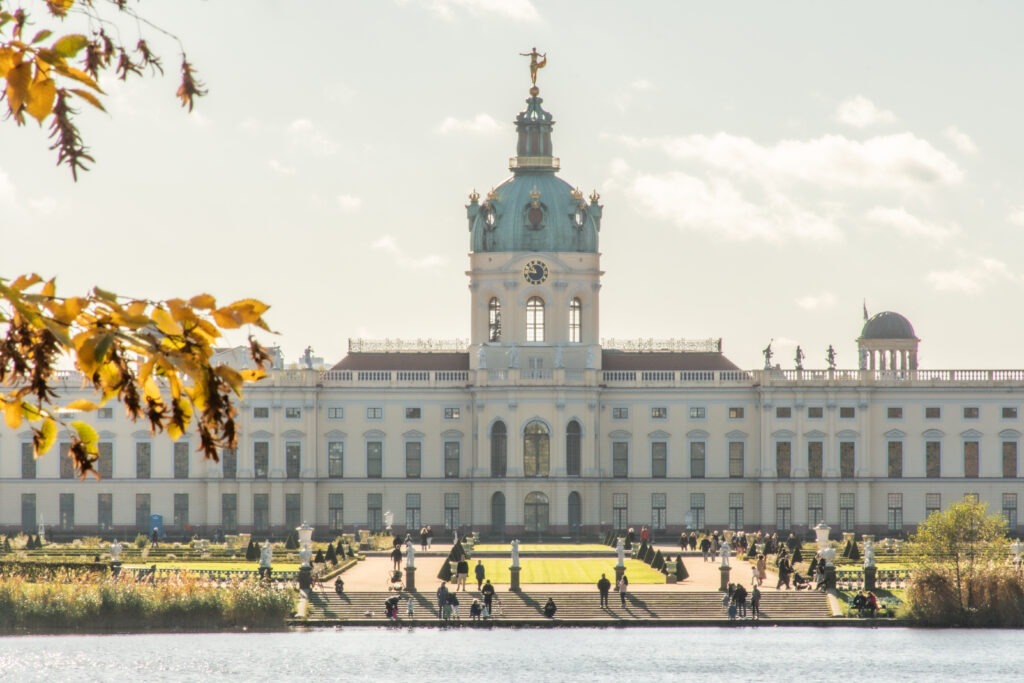
The gardens shift things even more. Berlin’s parks, like the Tiergarten, are expansive and informal. They invite you to pass through, to sit, to stretch out on the grass. Charlottenburg’s gardens are something entirely different. They’re structured, refined and meant to be walked slowly. I don’t cut across them. I follow the paths. I admire the views and the flowers that change in every season.
This is what Charlottenburg adds. Not another sight, but a reset. It offers that change in pace of the day that I think is so important to trip planning.
Who Charlottenburg Palace Is Really For
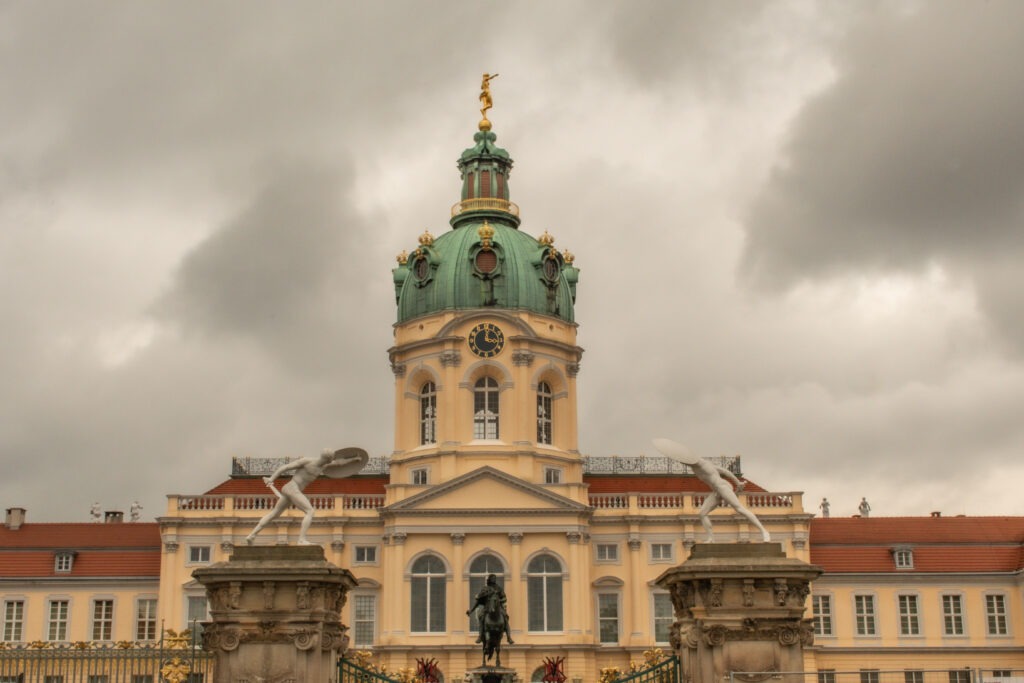
I don’t think of Charlottenburg Palace as something you simply “add” to a trip. It’s something you make space for. And the travellers who do that tend to approach cities a little differently.
This is for people who return to places. Who don’t feel the need to see everything at once, and instead start shaping their days with more intention. When I lived in Berlin, I didn’t come here to check it off. I came when I wanted to build something quieter into the day. Something contained, and, in its own way, complete.
It also suits travellers who don’t need constant stimulation. Berlin can be intense. A visit to Charlottenburg slows your pace and focuses your attention differently. The beauty is in the details. The ceilings, the symmetry, the way each room unfolds into the next. It’s not a place you rush through. And if you do, it loses something.
I’ve always thought of it as a good anchor for the day. You can come here in the morning, move through the palace while it’s still relatively quiet, walk the gardens, and then let the rest of your day open up more loosely. Or you can do what I’ve done on more than one trip, which is save it for later. After a full day in the city, I’ve come out here to slow things down before the day ends. It changes the tone completely.
There’s also a specific kind of interest that makes this visit more meaningful. If you’re curious about Prussia, about how Berlin functioned before it became the city most people think of today, this is where a visit here will interest you. The late 17th-century palace exists because of Sophie Charlotte, the wife of Elector Friedrich III, had it built as a summer retreat and expanded it into something that reflected power, culture, and ambition.
And if you’re someone who gravitates toward smaller, more curated museum experiences when you travel, this fits naturally. I don’t experience Charlottenburg as one large attraction. I move through it room by room. Each one feels curated and stands on its own.
That’s who this is for.
Not someone trying to fit in one more sight. Someone shaping the day around a different kind of experience, and one aligned to their interests.
When I Would Leave Charlottenburg Out
There are a few situations where I recommend you leave it out without hesitation.
If you’re planning a day trip to Potsdam, I recommend you choose one, not both. And for me, that choice is always Potsdam. The palace landscape there, including the Sanssouci Palace, has a scale and cohesion that Charlottenburg doesn’t try to compete with. It’s UNESCO-listed for a reason. If I want that full royal context, I go there over Charlottenburg.
I also recommend you leave Charlottenburg out if palaces aren’t something you naturally seek out when you travel. Not every city needs to be experienced through its royal past, and Berlin especially doesn’t demand it. If that kind of setting doesn’t usually hold your attention, this won’t be the place that changes your mind.
And when the focus of your trip is Berlin’s 20th-century history, I don’t recommend that it fits in. There are already more than enough places to visit. The East Side Gallery along the former Wall, the Cold War history between East and West Berlin, and the border crossing of CheckPoint Charlie. Charlottenburg doesn’t fit well when that’s the lens you’re travelling through.
Berlin also has a very specific energy, and I think it’s worth protecting that if it’s what drew you here. If you’re leaning into the city’s edge, its street art, its museums, its repurposed spaces, I don’t think you should interrupt that with something as decorative as Charlottenburg.
For me, Charlottenburg only works when I want that shift. If I don’t, I leave it out and don’t feel like I’ve missed anything.
When Charlottenburg Palace Fits Into Your Berlin Trip
I don’t decide on Charlottenburg Palace in isolation. I decide based on the shape of the trip.
If I have two or three days in Berlin, I leave it out. There’s too much else that defines the city, and this doesn’t sit high enough on that list. I’d rather stay central, move between neighbourhoods, and spend time at Berlin’s Museum Island.
At four or five days, I start to consider it. If the days are starting to feel full or a bit repetitive, Charlottenburg becomes a way to shift that. It’s less about adding something new and more about changing the rhythm.
At six days or more, or on a return visit, I almost always recommend you build it in. You’re no longer trying to understand the city; you’re experiencing it more selectively. Charlottenburg fits naturally here because it doesn’t compete with the essentials. It complements them.
There are a couple of exceptions where I include it earlier.
If you’re in Berlin and find yourself wanting something visually different, something more refined and elegant, I’d make time for it. The city doesn’t offer much of that kind of beauty, and if you are disappointed to find Berlin a less than beautiful city, visiting Berlin’s castle might be the fix you’re after.
I also use it when I need a short reset. A few hours where I’m not moving quickly, not taking in heavy history, not navigating constantly. It gives me just enough distance from the rest of the city without leaving it entirely.
That’s how I decide. Not by asking if it’s worth it, but by looking at what the trip needs.
What to Expect Inside Charlottenburg Palace and Gardens
What I notice first inside Charlottenburg Palace is the level of detail. Not in an overwhelming way, but in how much there is to take in if you let yourself slow down.
The Great Hall is a stand-out. The height of the dome, the ceiling frescoes with scenes from Greek mythology, and the way your eye is pulled upward before you even register the rest of the space. It’s impressive in a way that is designed to hold your attention, and it does.
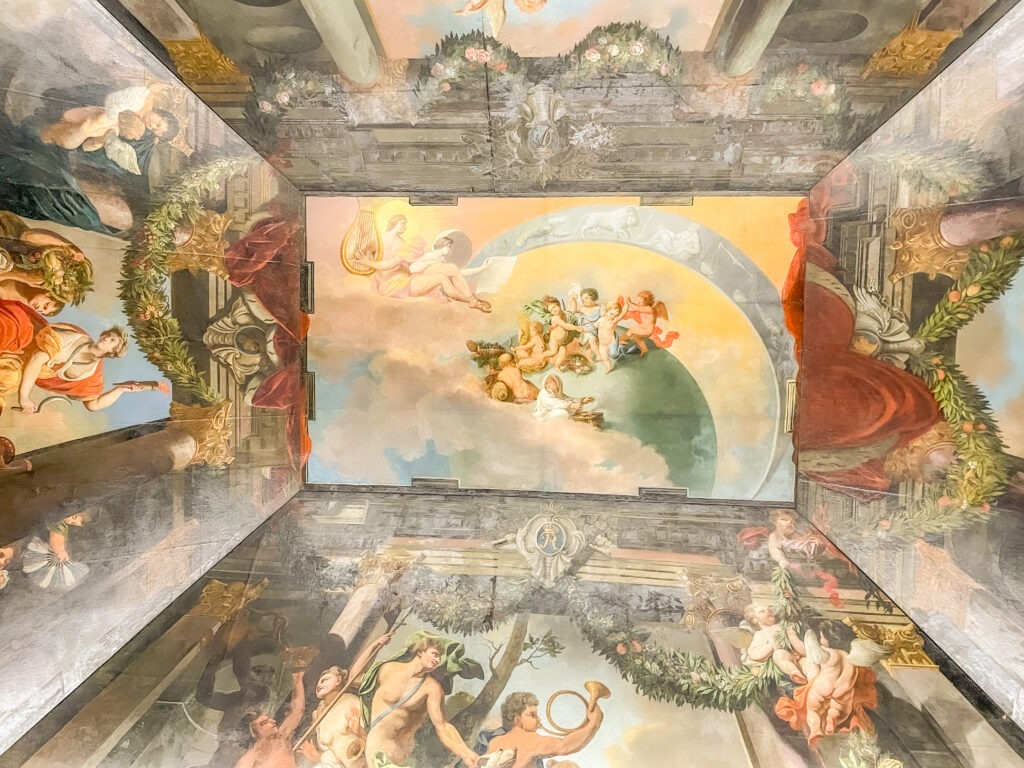
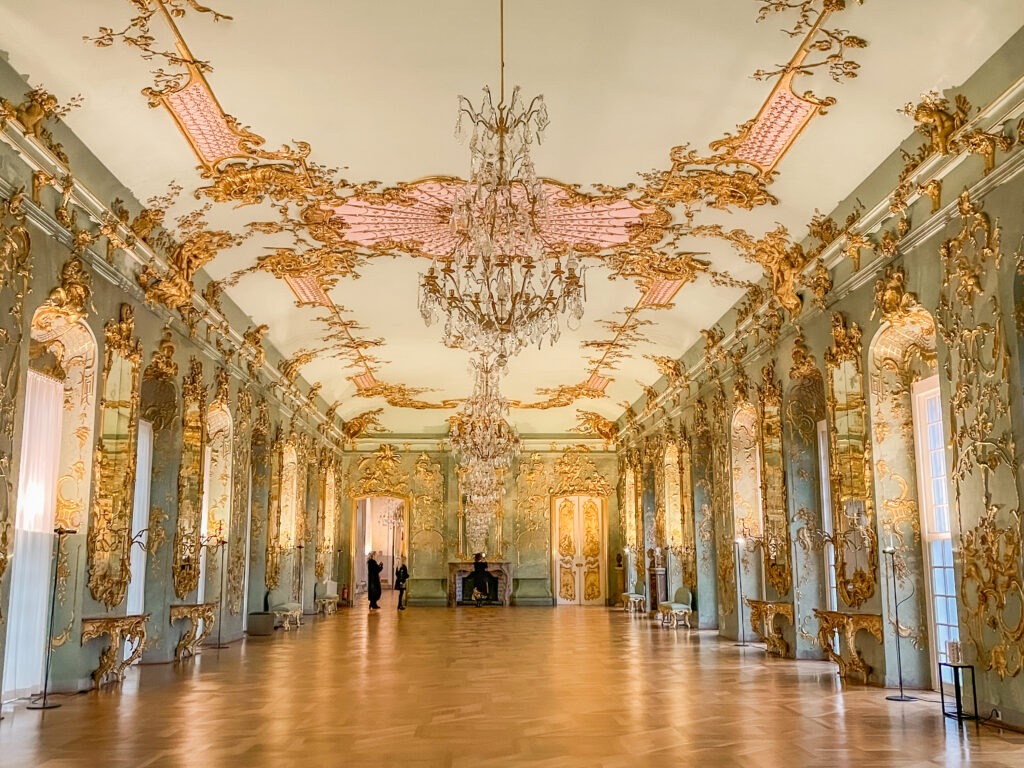
The Golden Gallery works differently. It’s a long room lined with large portraits and gilded decoration that repeat as you move through it. At first, I take in the scale, the symmetry, the detail. But after a few rooms, it begins to blur slightly. Not because it isn’t beautiful, but because the style is consistent. If I move too quickly, it all starts to feel the same.
That’s when I slow down, or I lose it entirely.
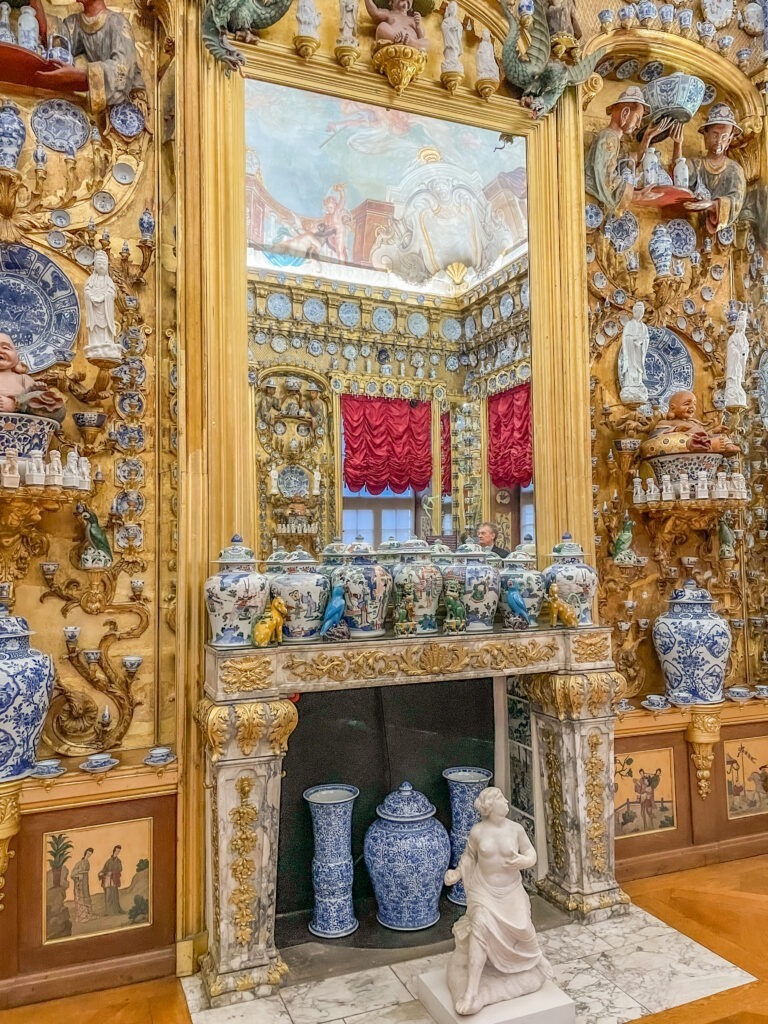
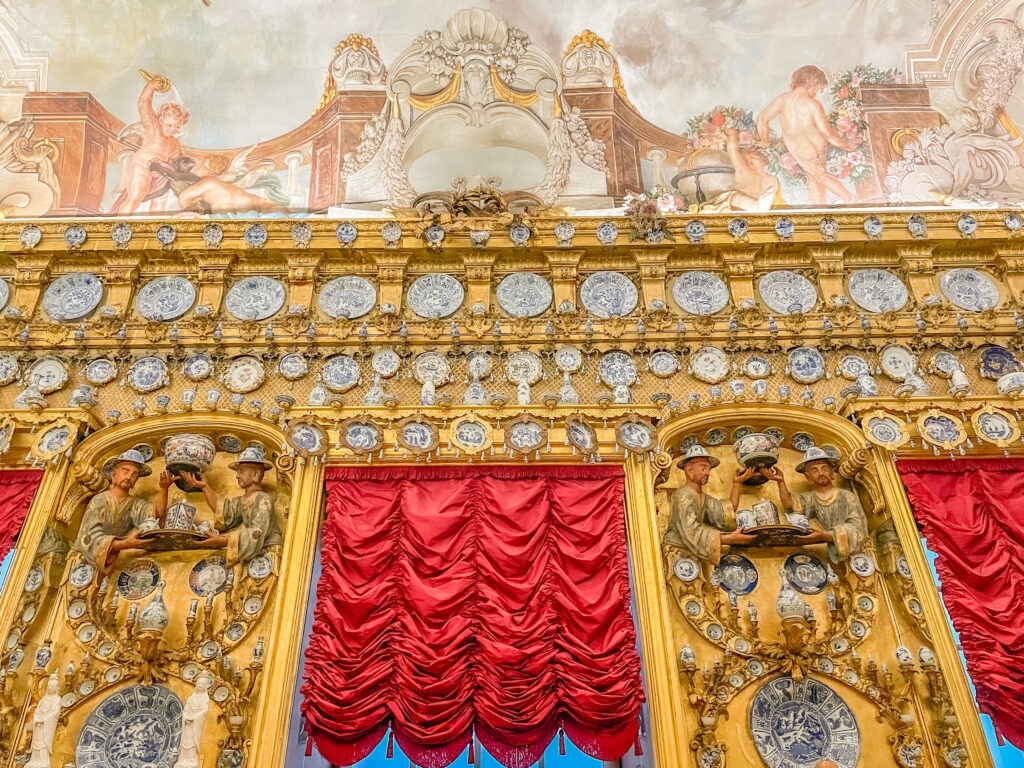
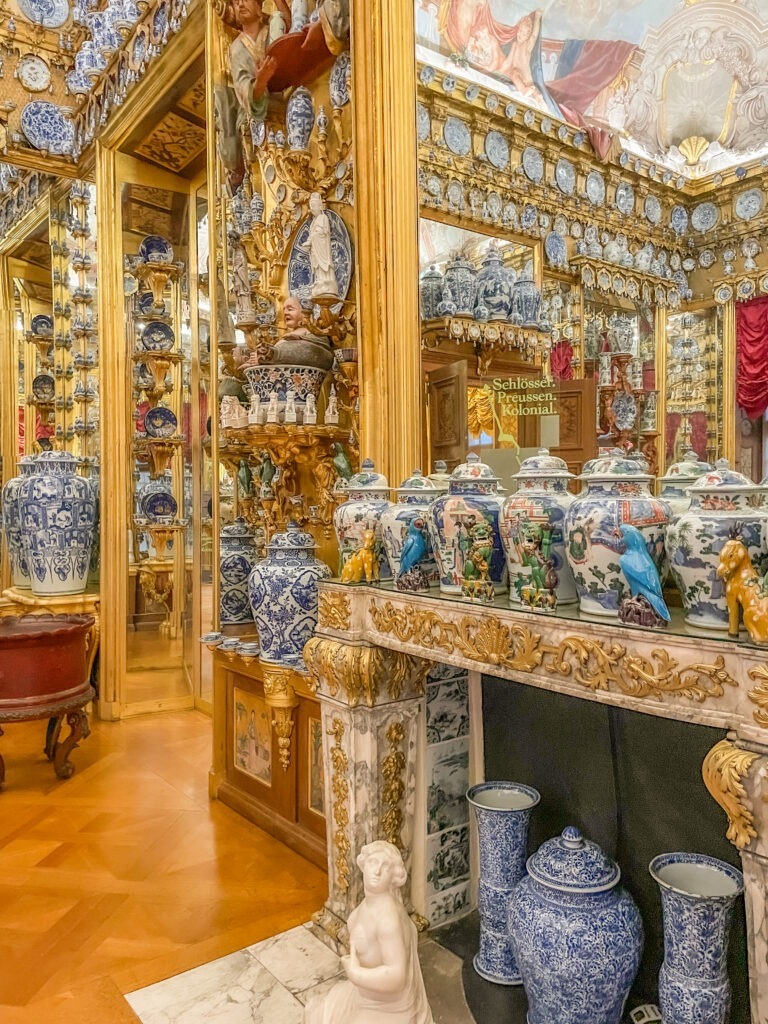
The Porcelain Cabinet is another highlight of the palace. Thousands of pieces, arranged with precision, completely covering the walls. It’s one of the few rooms where I stop completely, to stand still and take it in.
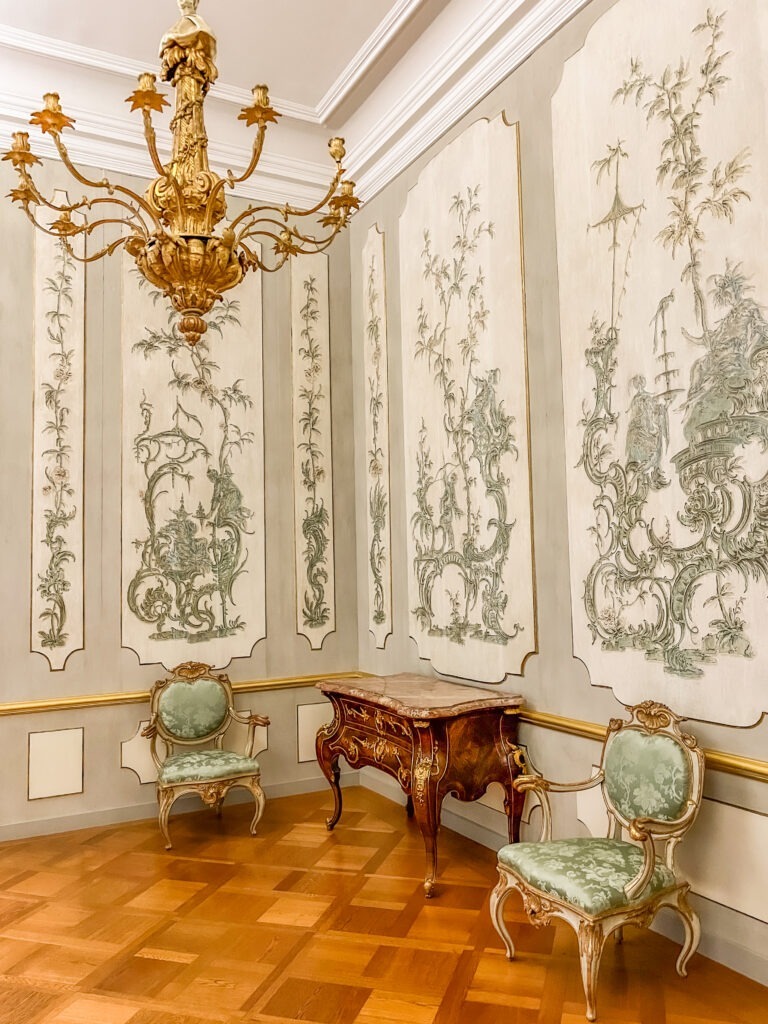
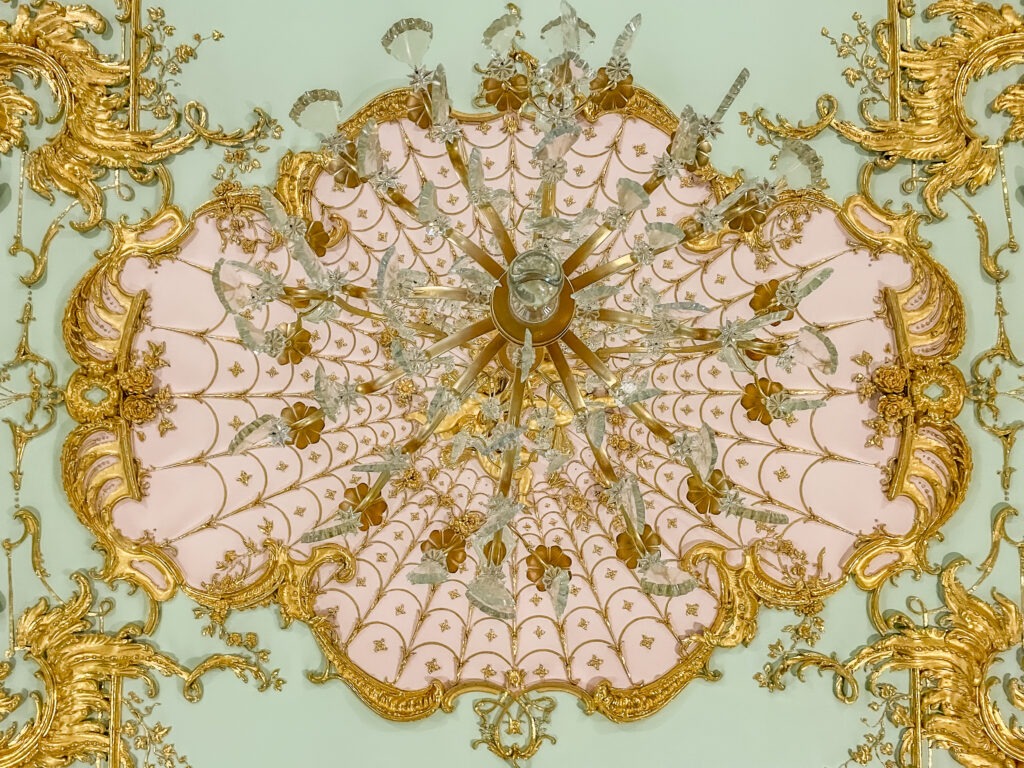
Walking through the palace, I was struck by how much detail went into every room. The baroque and rococo designs, gilded mouldings and mirrors, and the chandeliers. It’s all absolutely beautiful.
Outside, everything changes.
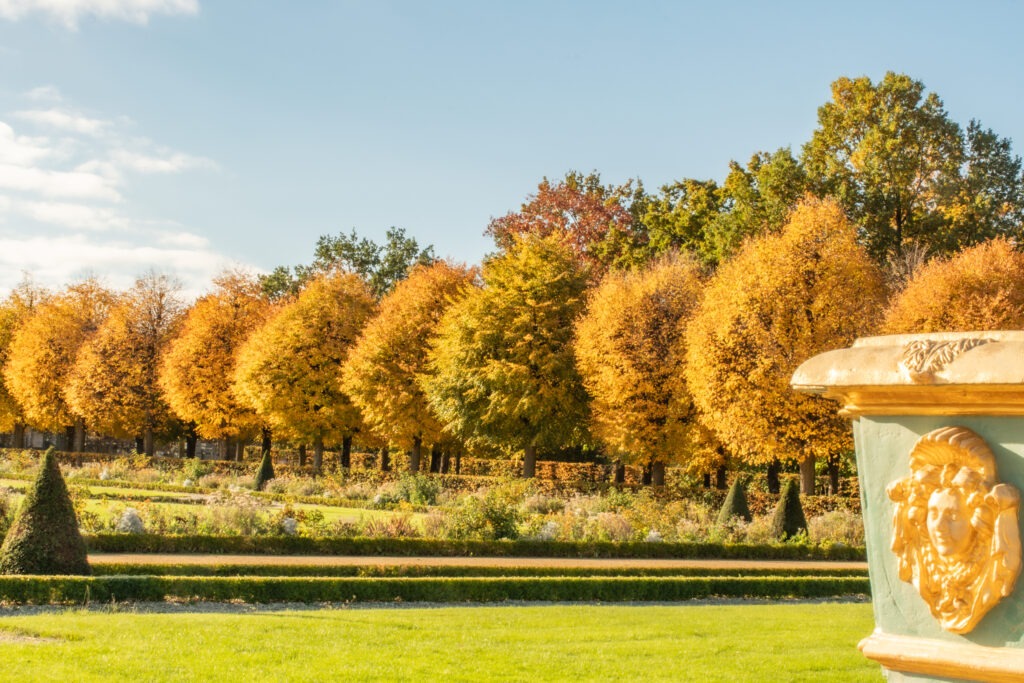
The gardens are a place I returned to many times. After the interiors, stepping out into that symmetry, the long sightlines, the controlled layout, it’s a perfect compliment to the beautiful interiors.
I’ve come here in different seasons, and think early autumn might be my favourite time. No matter the season, what stays consistent is the feeling of space. Even when there are people around, it doesn’t feel crowded in the same way central Berlin does. There’s enough distance, enough openness, that I’m not constantly adjusting my pace to others.
And that contrast is what defines the experience for me.
In central Berlin, I’m navigating. Crossing streets, moving between neighbourhoods, taking in layers of history that don’t always sit easily together. Here, everything is ordered. Structured. Contained.
Sophie Charlotte commissioned Siméon Godeau, a student of Versailles’ André Le Nôtre, to design her gardens, and the similarities in the elegance of the layout are obvious.
It doesn’t feel like the same city.
FAQs About Visiting Charlottenburg Palace
How long do you actually need at Charlottenburg Palace?
Plan 2–3 hours. Less if you’re only visiting the gardens. More if you move slowly through the interiors. I find anything beyond that starts to feel repetitive unless you’re deeply interested in royal history.
Do I need to reserve a timed entry ticket in advance?
No. I’ve always been able to walk up and buy a ticket. The only time I’d consider booking ahead is peak summer weekends or during the Christmas market when the area is busier overall.
Can you visit Charlottenburg Palace without going inside?
Yes. The gardens are free and worth visiting on their own. If you’re unsure about palace interiors, start outside. You can always decide to go in after.
What’s the best time of day to visit Charlottenburg Palace?
Morning or later in the afternoon. Midday gets busier, especially inside, and the experience feels more rushed.
Is Charlottenburg Palace easy to reach from central Berlin?
Yes. It’s about 20–30 minutes by public transport, either the U7 to Richard-Wagner-Platz or the S-Bahn (S3, S5, S7, or S9) to Westend, then a short walk.
Where This Fits in Your Berlin Trip
I don’t think of Charlottenburg Palace as something you have to see. I think of it as something you choose when you want your time in Berlin to feel different.
Some trips don’t need it. Berlin holds its own without it.
But on longer stays, or when the pace starts to feel heavy, this is where I go to shift things. A few hours that are quieter, more contained, more focused on beauty than context.
That’s how I decide.
If you’re planning your time in Berlin and trying to find that balance between what matters and what fits, this is exactly the kind of decision I help with.


