
When people ask me where to go in Portugal, Lisbon and Porto are almost always the first two places mentioned. Yet some of my favourite experiences have been in the Alentejo countryside and the smaller coastal towns of the eastern Algarve.
Having travelled extensively across Portugal and planned trips here for clients, I find one of the biggest mistakes travellers make is trying to fit too much into a single trip. Portugal may be relatively small, but its regions differ considerably in landscape, culture, food and pace of life.
My recommendations for the best places to visit in Portugal are as much about your interests as they are about the destinations themselves. I’ll share what makes each place worth visiting, who I think would enjoy it most and how long I’d recommend staying. You may find that somewhere you hadn’t considered deserves more of your time than somewhere already on your list.
This post may contain affiliate links, meaning I get a commission if you decide to purchase something through the links, at no additional cost to you. Read my Affiliate Disclosure.
Where to Visit in Portugal Besides Lisbon and Porto
If you’ve already visited Lisbon and Porto, or city breaks aren’t necessarily how you like to travel, I’d look to Alentejo for its historic towns and countryside, Coimbra for its cultural heritage, the Douro Valley for its wine and landscapes, or the Algarve for its coastal towns and beaches.
Here’s how I’d match each destination to your interests and how much time I’d recommend spending there.
| Destination | Who It’s Best For & How Long to Stay |
|---|---|
| Porto | Wine lovers, foodies and architecture enthusiasts. 3–4 days. |
| Douro Valley | Wine enthusiasts and those who appreciate scenic landscapes and countryside stays. 1–3 days. |
| Coimbra | History lovers interested in smaller cultural cities. 1–2 days. |
| Lisbon | Urban explorers who enjoy distinctive neighbourhoods, museums, architecture and dining. 3–4 days. |
| Sintra | Lovers of historic estates, Romantic architecture and gardens. 1–2 days. |
| Cascais | Travellers who enjoy seaside living with easy access to a major city. 1–2 days. |
| Évora | History enthusiasts and those interested in local food + wine and cultural traditions. 1–2 days. |
| Alentejo Countryside | Independent travellers who enjoy wineries, hilltop villages and rural stays. 3–5 days. |
| Eastern Algarve | Those who prefer quieter coastal towns and traditional Portuguese life. 3–5 days. |
| Central & Western Algarve | Outdoor enthusiasts who enjoy dramatic coastal scenery, hiking and beach holidays. 3–5 days. |
When planning Portugal trips for clients, I use these distinctions to help narrow down where they should go. Someone who loves historic towns and regional food might find Alentejo more rewarding than a week in the Algarve. Someone who enjoys coastal walks and being outdoors might choose the opposite.
Use this table to narrow your choices, not to build a list of everywhere you need to visit.
Northern Portugal: From Porto to the Douro Valley
Porto – A City with a Distinct Identity
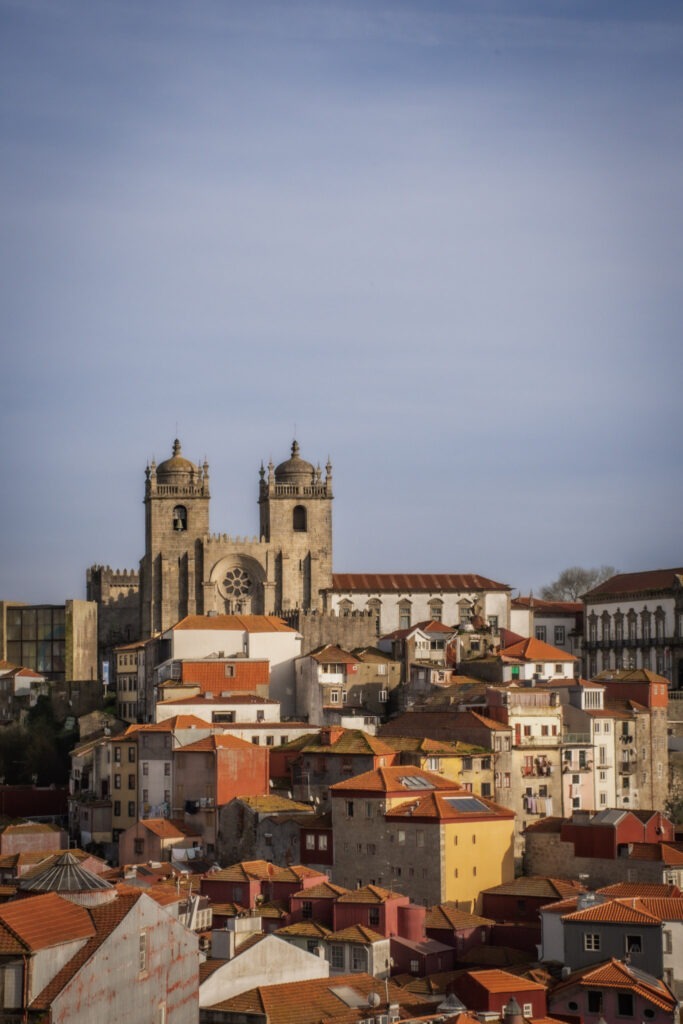
I first visited Porto on my second trip to Portugal and spent five days there at the lovely Massarelos House. What I liked about it, compared to Lisbon, was its more intimate feel. The historic centre is compact, the architecture is beautiful, and so much of city life revolves around the Douro River. If you enjoy exploring a city on foot, discovering shops and finding somewhere lovely for a long lunch, Porto is well worth visiting.
Although Porto is famous for its wine, there’s just as much here for someone who appreciates architecture, history and good food. Some of my favourite discoveries were away from the riverfront. That said, I would set aside an afternoon for one of the Porto wine tasting tours across the river in Vila Nova de Gaia.
When deciding how many days to spend in Porto, I recommend a minimum of three. A three-day Porto itinerary can include two days exploring the city and one in the Douro Valley. But if wine, architecture and food are among your main reasons for visiting Portugal, I’d give Porto four or five days rather than divide your time equally between it and Lisbon.
Decided to spend a few days in Porto? My digital Porto travel guide brings together my favourite places, neighbourhoods, restaurant recommendations, day trip ideas and a curated Google Map, saving you hours of research.
Douro Valley – More Than a Day of Wine Tasting
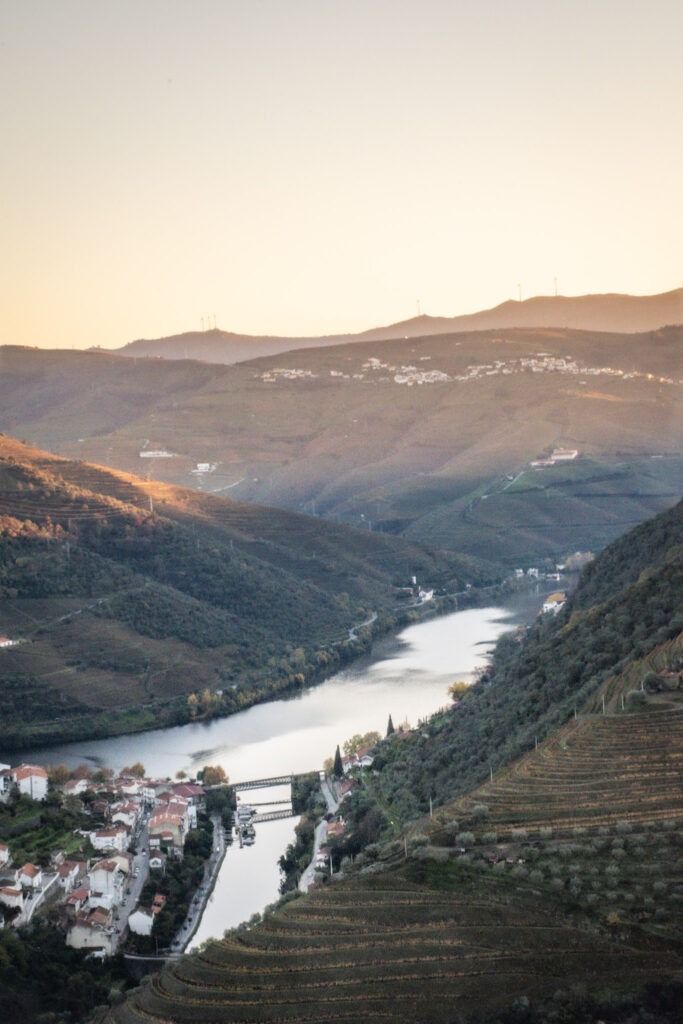
Even if you’re not particularly interested in wine, I would encourage you to add a visit to the Douro Valley. Some of the most beautiful scenery I’ve seen in Portugal is here, where vineyards cover the steep hillsides and small wine estates overlook the river.
I chose a small-group Douro Valley wine tour from Porto that included visits to wineries, lunch and a boat ride from Pinhão. It was one of those occasions when I was glad not to be driving. The winding roads, the distances between wineries and the opportunity to enjoy the wine all made a guided experience worthwhile.
The decision I’d encourage you to make is whether the Douro Valley is an excursion or a destination in its own right. If you’re primarily interested in exploring Porto, a day trip works well. But if your idea of a holiday includes staying at a beautiful wine estate, enjoying leisurely meals and spending time in the countryside, consider two or three nights in the valley. I know that for my next return trip to Portugal, I will be doing this.
Central Portugal: Worth the Stop Between Porto and Lisbon
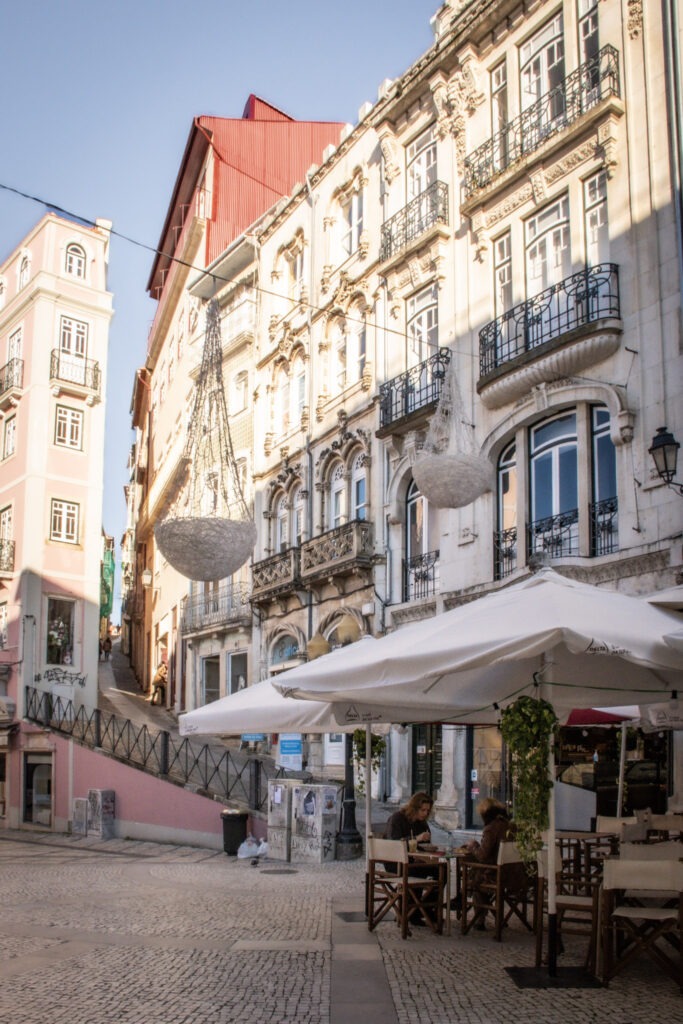
It was a local who convinced me to visit Coimbra on my second trip to Portugal, and I’m glad they did. The former capital of Portugal has a very different feel from Lisbon and Porto. I loved seeing university students walking through the old town in their traditional black capes, hearing someone practising fado in a church and discovering the beautiful botanical garden.
If you enjoy history, old buildings and smaller cities where daily life still revolves around the people who live there, Coimbra is worth visiting.
I chose to take a Coimbra day trip from Porto by train, but if you’re already travelling between Porto and Lisbon, consider staying a night or two instead. It saves you doubling back and gives you time to explore both sides of the Mondego River, something I didn’t manage in one day.
Central Portugal is a region I’d like to explore more on my next trip. High on my list is Óbidos, a medieval walled town with whitewashed houses and cobbled streets. I’d also like to explore Aveiro for its canals and Art Nouveau buildings, and Tomar for its history connected to the Knights Templar.
Lisbon and Surroundings: Three Very Different Experiences
Lisbon – A City Best Experienced by Neighbourhood
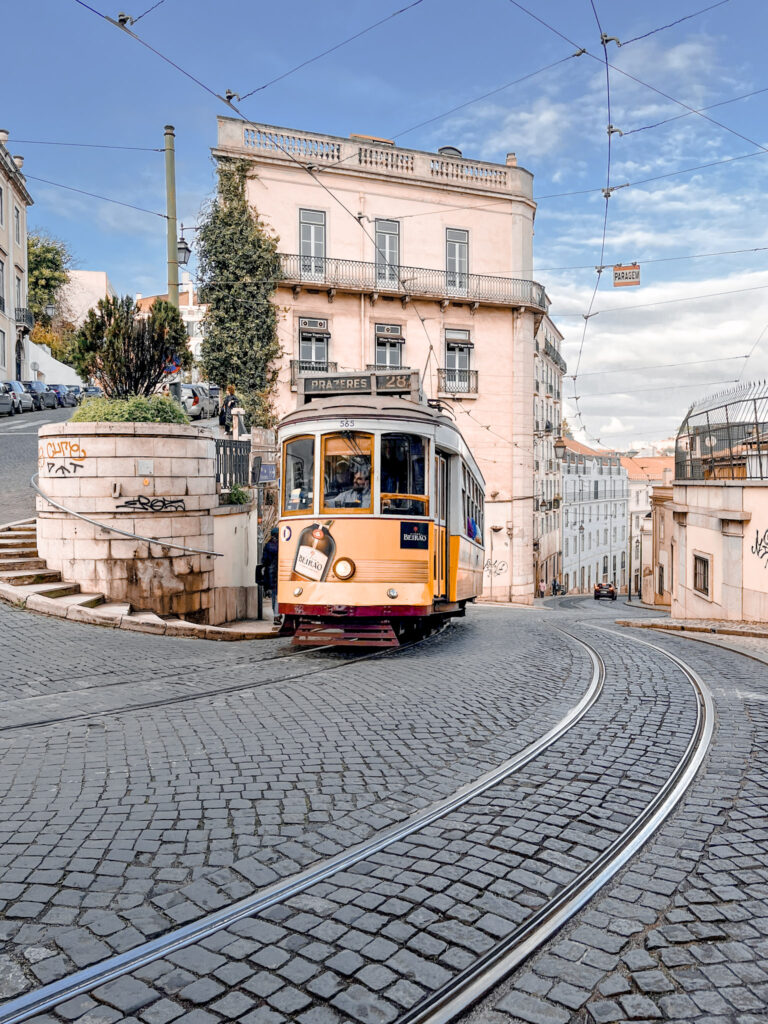
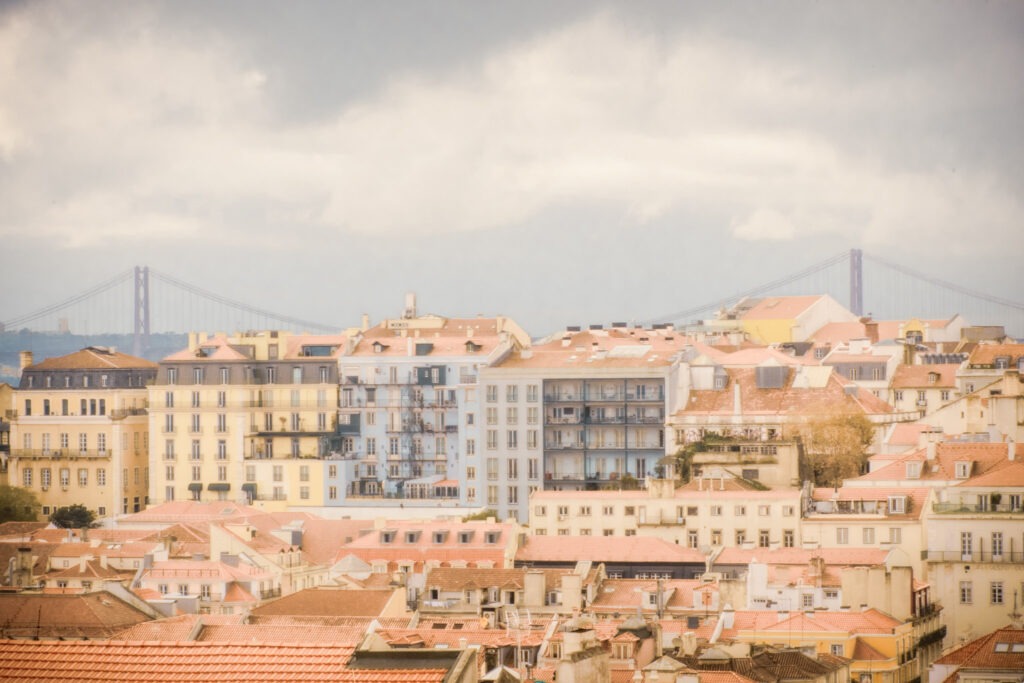
Lisbon is one of those cities I see myself returning to again and again. I love the tiled buildings, the little squares tucked away in Alfama, the great little shops in Chiado and the views across the rooftops to the Tagus River. Each neighbourhood has its own character, which is why I think where you stay makes such a difference to your experience of the city.
On both my trips to Lisbon, I stayed at Baixa House, in the historic centre. As much as I love the streets of Alfama, I’d choose to stay here again because I love the design of their apart-hotel, the welcoming team and its location.
If you only have one day in Lisbon, I’d concentrate on Alfama, Baixa and Chiado. With four days in Lisbon, you can explore more neighbourhoods, spend a good part of a day in Belém visiting Jerónimos Monastery and take a day trip to Sintra.
When planning trips for clients, I’m mindful of how many day trips from Lisbon they want to include. Four nights in Lisbon can quickly become just two days in the city itself. If you enjoy exploring neighbourhoods, visiting museums and taking your time over meals, I’d recommend a longer stay.
Sintra – Be Selective About What You See
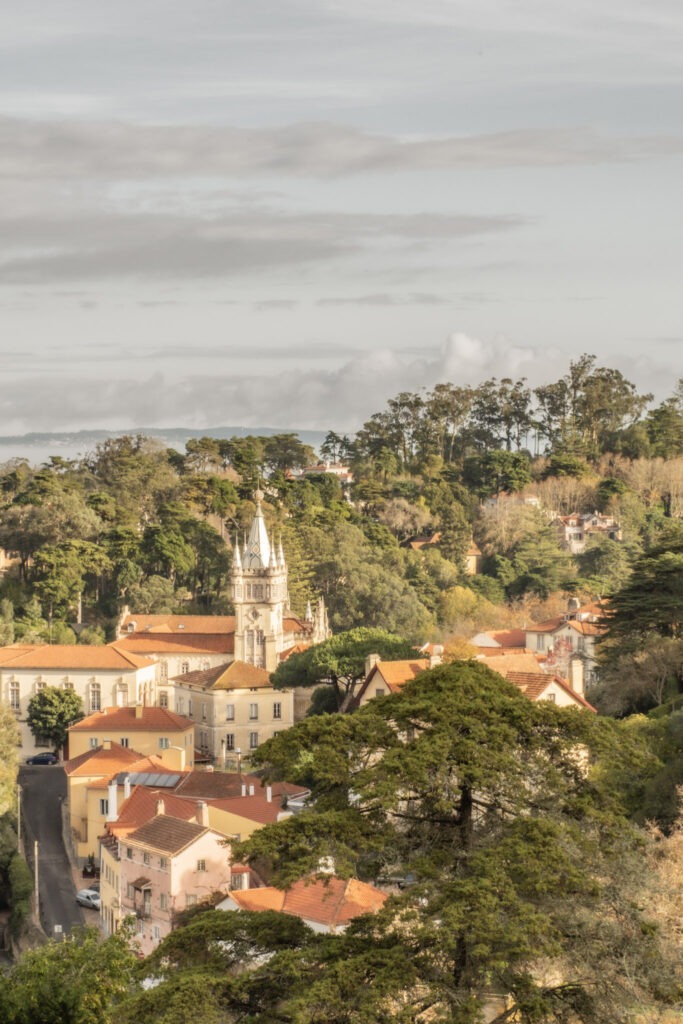
If you love architecture, interiors and gardens as much as I do, Sintra deserves a place on your Portugal itinerary. On my first visit, I spent my time exploring Pena Palace and its gardens. On my second trip, I returned to visit Quinta da Regaleira, with its lush gardens, underground tunnels and intricate stonework.
What I underestimated on both visits was how much time it takes to get between the palaces. They may look close together on a map, but the hilly terrain and reliance on local transport can eat into your day.
If you want to visit several palaces in one day, I’d recommend one of the small-group Sintra tours from Lisbon. If, like me, you enjoy spending time in the gardens and looking closely at the architectural details, choose one or two estates or consider staying overnight in Sintra, which is something I’m considering for my next trip.
Cascais – A Change of Pace from Lisbon
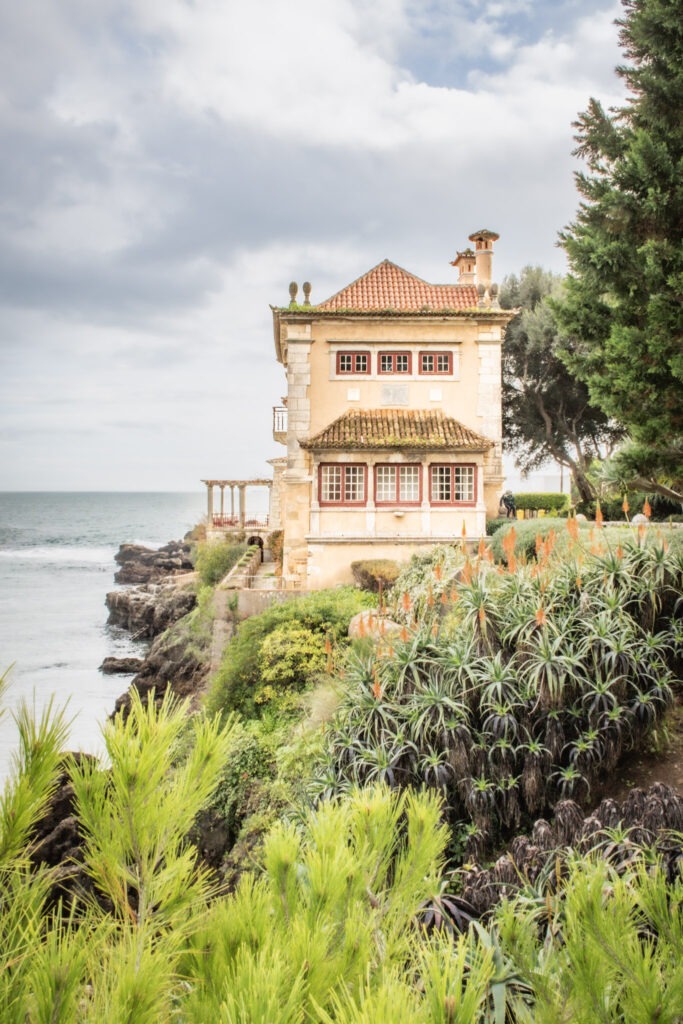
I didn’t make it to Cascais on my first trip to Lisbon, but I’m so glad I did on my second. What surprised me was how much there was to enjoy beyond its beaches. Beautiful old villas, independent shops, art galleries and lovely places to eat. One of my favourite parts of the day was walking along the coast towards Estoril.
Taking the train from Lisbon to Cascais is easy, and I’d recommend giving it a full day rather than combining it with Sintra. They’re two very different experiences, and I wouldn’t want to rush either one.
Cascais is also worth considering as an alternative base to Lisbon. If you prefer staying somewhere smaller, enjoy morning walks along the waterfront and only want to spend a day or two sightseeing in the capital, it could be a better fit for your holiday.
Alentejo: The Portugal Many Travellers Overlook
Évora – Worth More Than a Day Trip
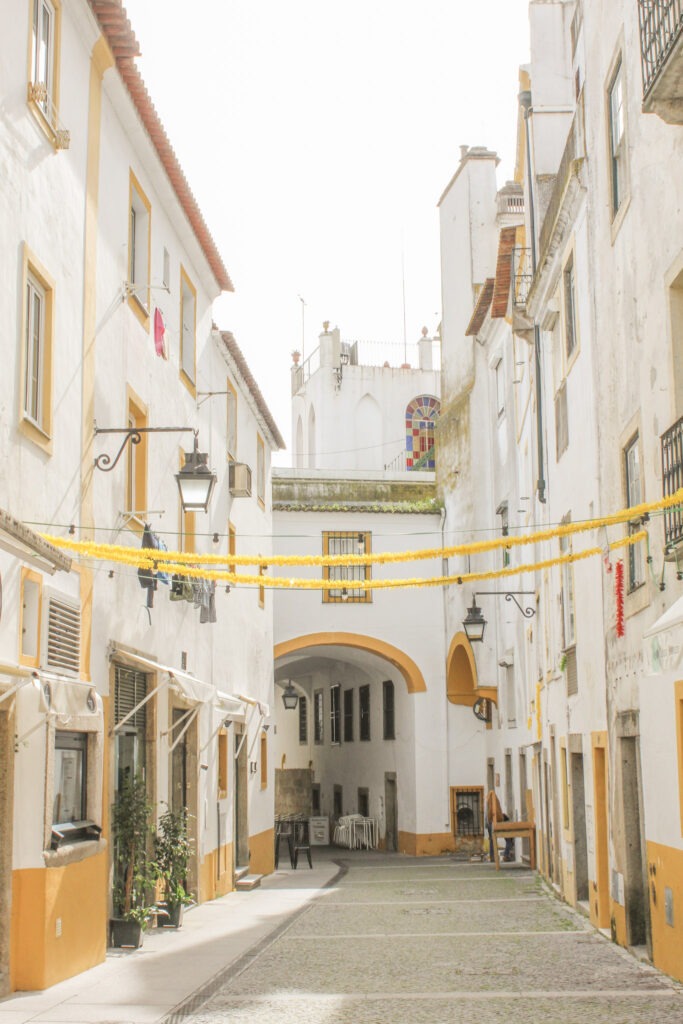
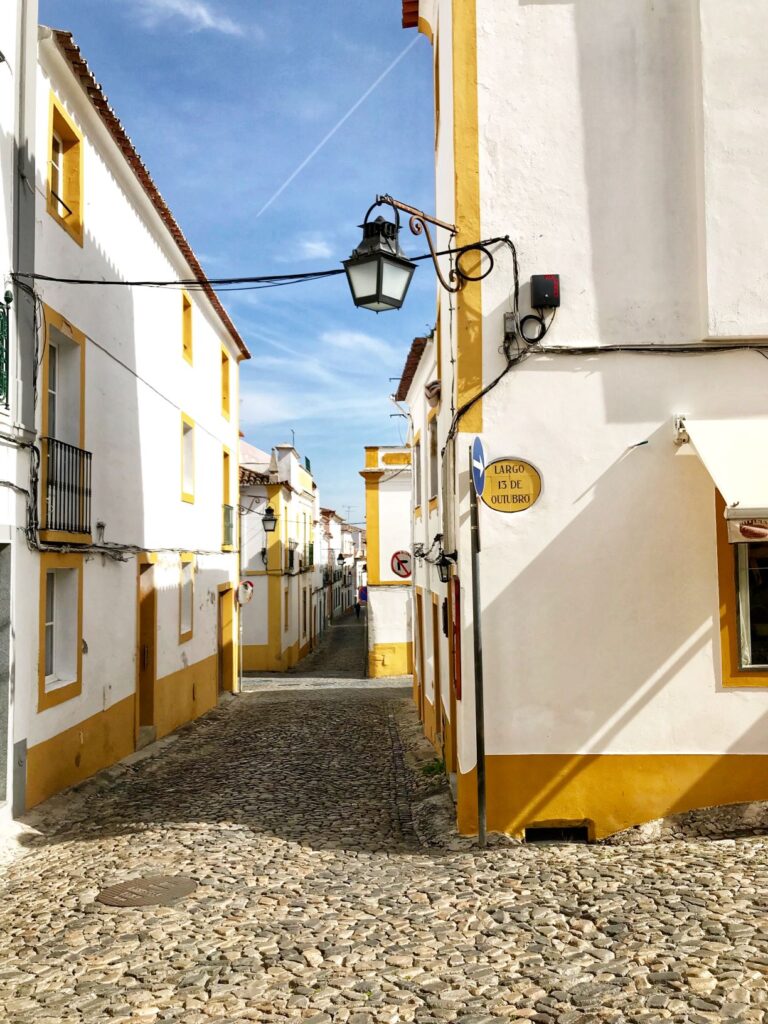
If history and architecture are among your reasons for visiting Portugal, make time for Évora. Within its old city walls, you’ll find a Roman temple, a medieval cathedral, whitewashed buildings trimmed in yellow and some beautiful little streets to explore. What I also enjoyed about Évora was how easy it was to explore on foot compared to the hills of Lisbon and Porto.
While an Évora day trip from Lisbon is easy enough to arrange, I’d recommend staying a night or two. There are some wonderful restaurants serving traditional Alentejo dishes, and it’s a lovely city to wander in the evening once the day visitors have left.
There’s another good reason to consider visiting now. Évora has been named European Capital of Culture 2027, with a year of exhibitions, performances and cultural events planned. If you’re considering a return trip to Portugal, I’d put Évora high on your list.
The Alentejo Countryside and Its Villages
Of all the regions I’ve visited in Portugal, Alentejo was one of the biggest surprises. The rolling hills, olive groves and vineyards reminded me of Tuscany. I stayed at Villa Extramuros, a beautifully designed small hotel in the countryside near Arraiolos, and spent my days driving between towns and villages.
Some of my favourite places to visit in Alentejo include Estremoz for its Saturday market, Monsaraz for its whitewashed houses and views across the countryside, and Marvão for its hilltop setting close to the Spanish border. Each offers something different, so I’d choose a few based on your interests rather than try to visit them all.
Unlike Porto and Lisbon, this is a region where I’d recommend renting a car. I’d also give some thought to your accommodation. Stay in Évora if you enjoy walking out to restaurants in the evening, or choose a countryside hotel if spending time relaxing at the property is part of what you want from your holiday.
If you love the countryside, visiting wineries, browsing local markets and discovering smaller towns, I’d happily recommend spending five days in Alentejo instead of splitting that time between Portugal’s two largest cities.
The Algarve: Choosing the Right Stretch of Coast
Tavira and the Eastern Algarve – Beyond the Resorts
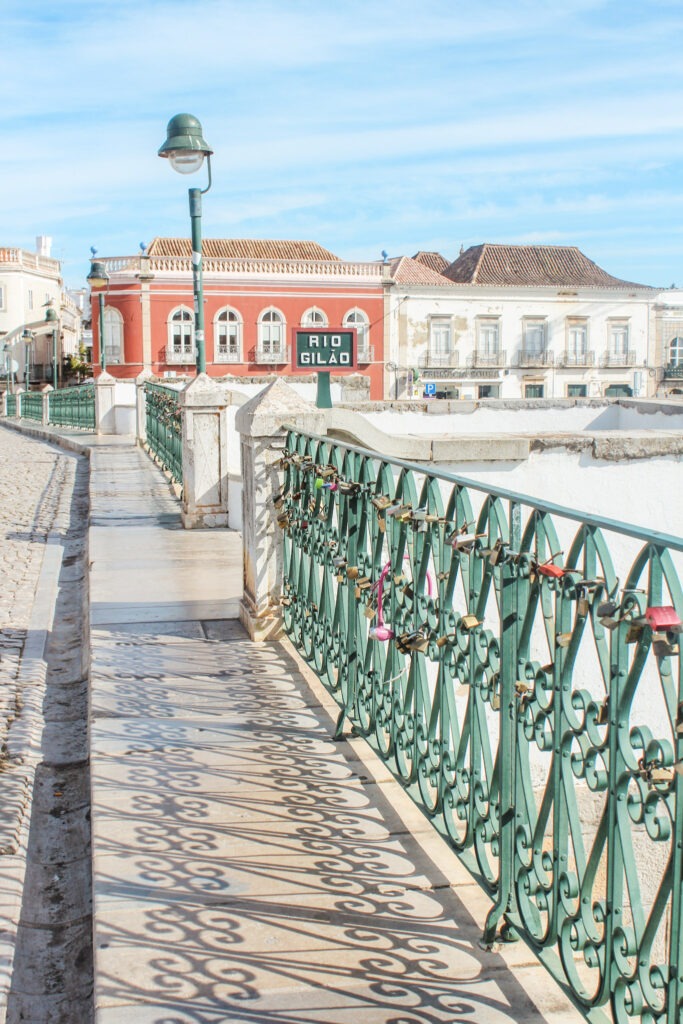
I spent almost a week staying in the countryside near Olhão and found myself returning to Tavira several times, often for dinner. I loved its small shops selling Portuguese ceramics and textiles, the tiled buildings and the restaurants along the river. There are plenty of things to do in Tavira, but it’s also somewhere I’d happily spend a few days without much planned.
What you should know about this part of the Algarve is that many of its beaches are on islands reached by ferry. If you want to walk straight from your hotel onto the beach, this may not be the right choice for you. But if you enjoy exploring historic towns, eating at family-run restaurants and spending the occasional day at the beach, Tavira is well worth visiting.
I’d recommend three to five days in the eastern Algarve, allowing time to explore some of the smaller towns and villages, including Santa Luzia and Cacela Velha, the latter recommended to me by a local.
Faro and the Ria Formosa – More Than an Arrival Point
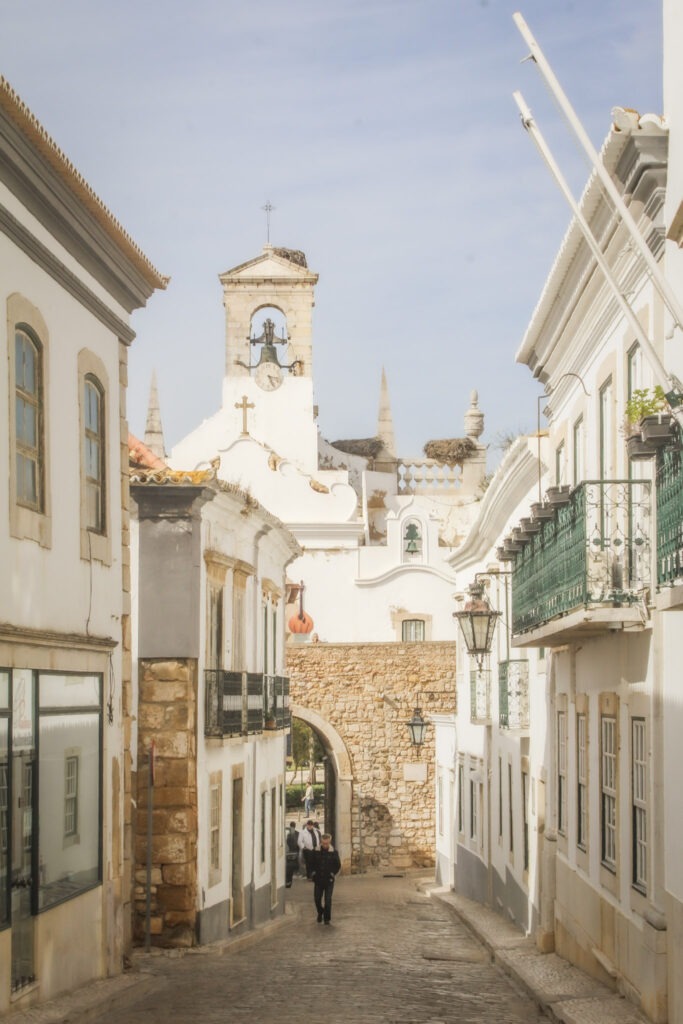
Faro is often overlooked because it’s where most people fly into the Algarve. Yet its walled old town, pretty squares and waterfront are worth setting aside some time for. Unlike many of the coastal towns further west, Faro feels more like a Portuguese city than a holiday destination.
If you enjoy being outdoors, make time for the Ria Formosa Natural Park. I spent part of my stay walking along its trails, spotting birds and exploring the salt marshes and lagoons. It’s a completely different landscape from the Algarve most people see in photographs.
Faro is a good base if you’re travelling without a car, with train connections to towns along the coast. However, if you’re renting a car and prefer somewhere smaller to stay, I’d choose Tavira or the countryside around Olhão and visit Faro for the day as I did.
The Central and Western Algarve – Portugal’s Dramatic Coastline
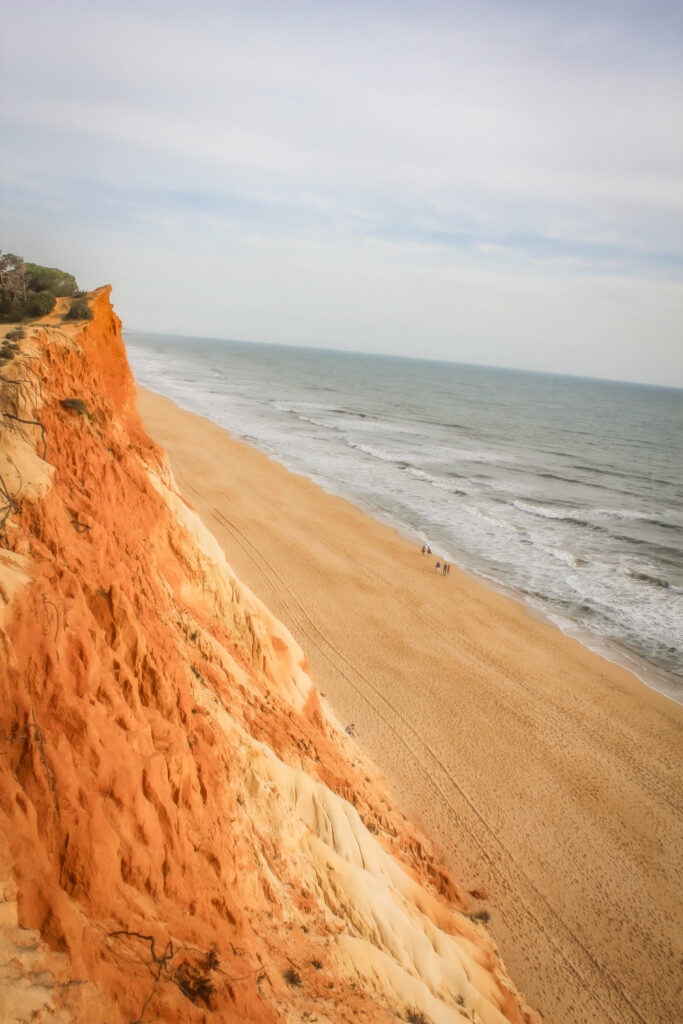
As you travel west from Faro, the landscape changes considerably. This is the Algarve most people picture when planning a trip to Portugal: golden cliffs, sheltered beaches, sea caves and impressive rock formations.
But there’s quite a difference between staying in a large resort in Albufeira, a historic coastal town like Lagos or a smaller fishing village like Ferragudo. And don’t overlook places inland, such as Silves, if you enjoy history and exploring some of the beautiful villages in Portugal.
When planning trips for clients, I’d recommend looking beyond the beaches when choosing where to stay. Think about how you’d like to spend your evenings, whether you want restaurants and shops within walking distance, and how often you’ll want to get in the car.
I’d also advise against taking a day trip from Lisbon to the Algarve, which is something my clients ask me if they can do all the time. I tell them to give the region at least four or five days. And if that’s all the time you have, choose either the eastern or western Algarve based on your interests rather than trying to experience the entire coastline.
How Many Days Do You Need in Portugal?
If you have a week in Portugal, I’d choose two bases. With ten days to two weeks, you have more flexibility to combine a city stay with time in the countryside or along the coast. Even with three weeks, I’d resist the temptation to see the entire country.
One of the first things I discuss with clients when planning their Portugal trips is what they enjoy most about travelling. For some, it’s exploring historic cities and spending their evenings trying different restaurants. For others, it’s staying somewhere in the countryside, visiting smaller towns and having a few days with nothing planned. The answers often change where I recommend they go.
I’ve returned to Portugal several times and still have places I’d like to visit. Equally, there are places I’d happily return to rather than go somewhere new.
If you’re struggling to decide which destinations to include, how long to stay or where to base yourself, I can help through my custom travel planning services