

The best Douro Valley wine tours from Porto let you slow down and savour the journey—both in the glass and on the road. I remember stepping onto the minibus, not sure what to expect beyond wine and river views. But as we left the city behind, winding through terraced vineyards and quiet villages, I realized this wasn’t just about tasting Port. It was about understanding the land, the people, and the traditions that make it special.
From intimate small-group tours to self-guided drives, there are plenty of ways to explore the Douro Valley. I’ll share my experience on a guided tour, along with other options depending on how much time you have and how you like to travel. Whether you want to sip wine on a boat, visit family-run estates, or just take in the scenery, there’s a perfect Douro Valley tour for you.
Why Take a Douro Valley Wine Tour from Porto?
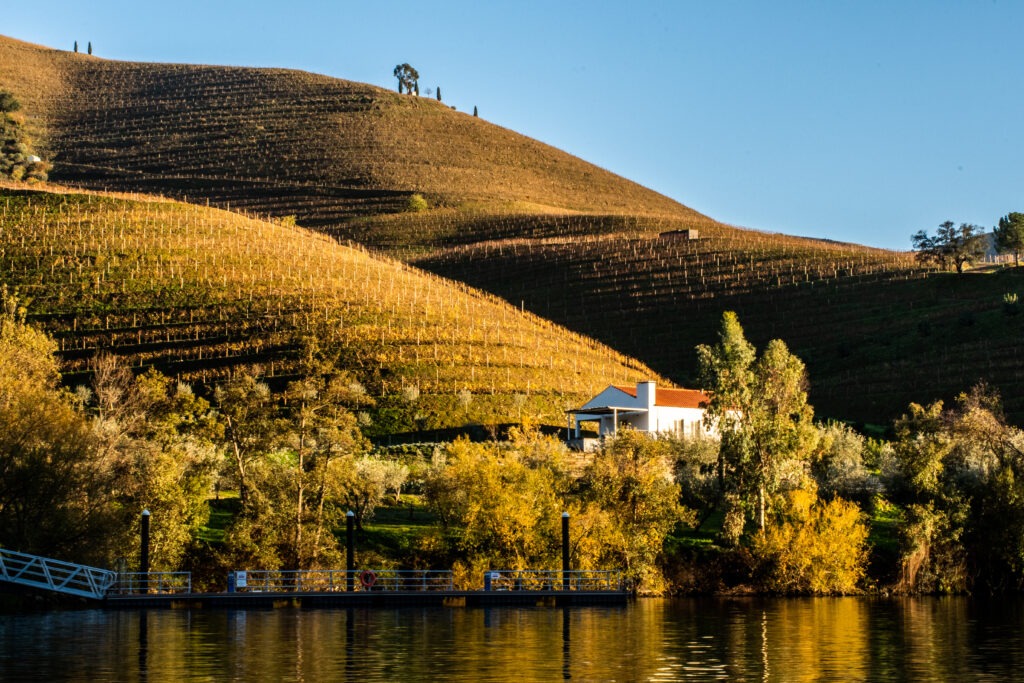
A Porto-Douro Valley wine tour is one of the best ways to slow down and experience Portugal beyond the city.
During my week in Porto, one thing was certain—I had to visit the world-famous Douro Valley, even if only for a day. Ask any local, and they’ll say the same: “Go to the Douro Valley!” Even my cab driver insisted on it!
I could have rented a car and driven myself, but I wanted to enjoy the wine without worrying about the roads. Plus, the winding drive through the vineyards is best left to someone who knows it well. Not to mention the time spent researching where to go and which wineries to visit—taking a tour eliminates all the guesswork.
The Douro Valley isn’t just about wine—it’s about the people who have been making it for generations. Visiting family-run wineries, hearing their stories, and tasting wines straight from the source made the experience feel more personal. And then there’s the Douro River, weaving through the valley like a thread holding it all together, it’s one of the most scenic areas of Portugal!
Whether you’re into full-bodied reds, sweet Port, or just good scenery, a wine tour here is more than just a tasting—it’s a chance to understand why the Douro is so special.
My Experience on a Douro Wine Tour from Porto
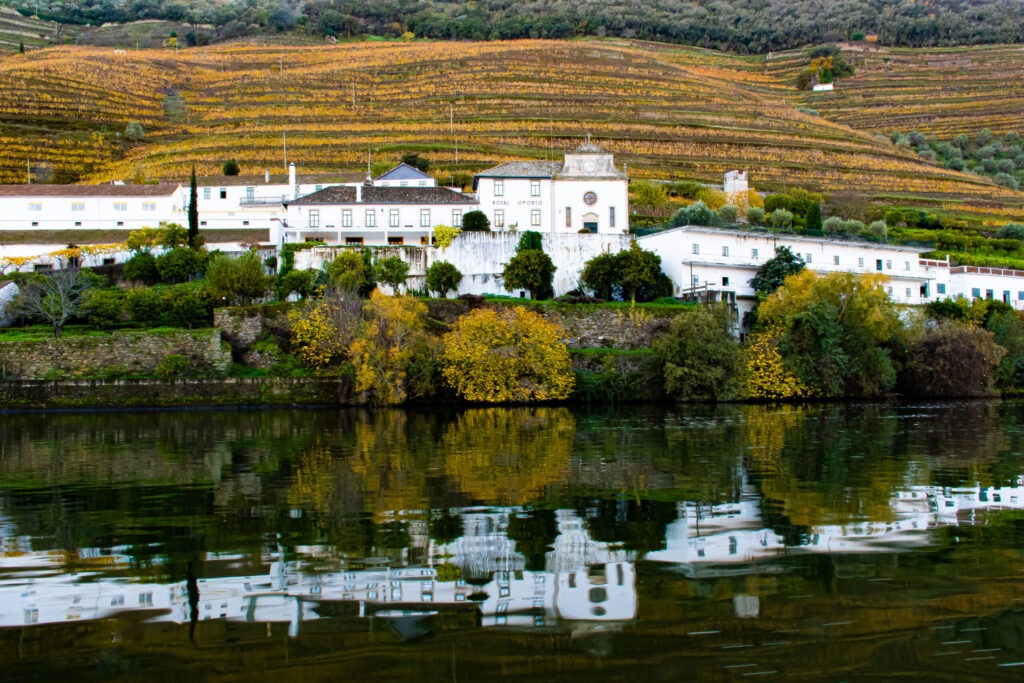
When I booked my Douro Valley wine tour from Porto through Get Your Guide, I knew I wanted a small-group experience—something structured but not rushed. Our ride for the day was a Mercedes Benz Sprinter, spacious yet comfortable, seating up to 14 people, though our group was just 10. Just the right number to keep it social without feeling like a crowded tourist trip.
Leaving Porto behind, we followed the river inland, watching as the landscape shifted from city streets to rolling vineyards. It took about 75 minutes to reach Douro Valley from Porto while our guide shared the history of how this area has been producing wine for almost 2,000 years.
The Romans were the first to make wine along the Douro River, but it wasn’t until the 12th century, under the Kingdom of Portugal, that the region became a major wine exporter. By the mid-17th century, the Douro Valley began producing the Port wine it’s now famous for.
First Stop: Peso da Régua
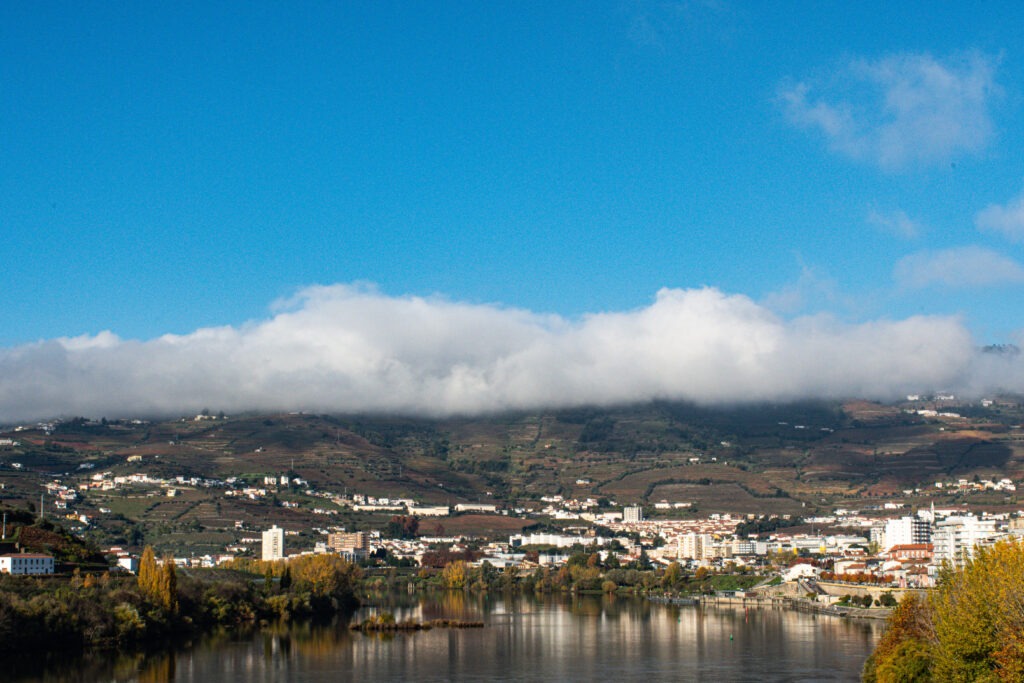
Our first stop was Peso da Régua, a picturesque town with deep ties to the region’s wine trade. It was here, centuries ago, that barrels of Port were loaded onto boats and floated down the Douro River to Porto’s cellars. We had 30 minutes to stretch our legs, grab a coffee, and take in the riverfront before moving on.
Second Stop: Douro Valley Tour at Quinta de Marrocos
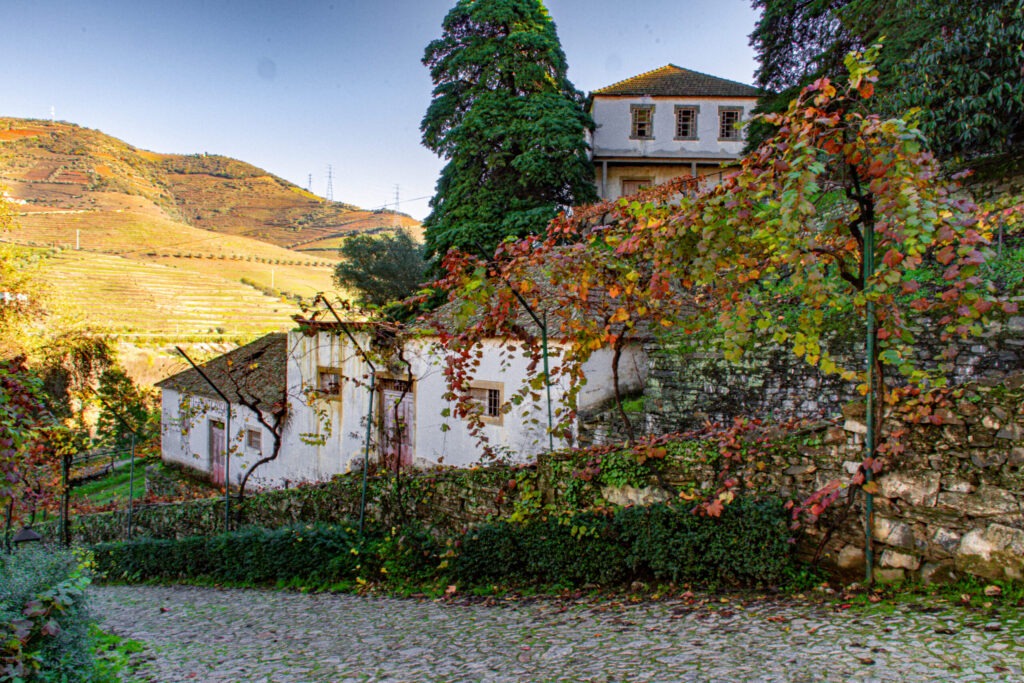
The next stop was a highlight—Quinta de Marrocos, one of the oldest estates in the Douro Valley.
Located among terraced vineyards, the quinta has been family-run for generations. Stepping inside, I could feel the weight of history, from the massive wooden barrels lining the cellar to the traditional lagares, stone tanks where grapes were still crushed by foot during harvest.
Our host guided us through a tasting of their wines, from a crisp white to a bold red and, of course, a glass of their signature Port. Quinta de Marrocos won the gold medal for best vintage wine in 2018.
It was my first time trying port wine—it’s much sweeter, heavier and higher in alcohol. That’s why it is known for an after-dinner drink accompanying anything chocolate, cheese or sweets.
We learned that port wine started as a red wine, but now this wine region produces a white, a rosé, and an aged style called Tawny Port.
Third Stop: Lunch in Douro Valley
By lunchtime, we arrived back in Régua at Castas Practos, a restaurant housed in a converted railway station. We had the restaurant to ourselves and were offered a pre-fixed menu of a bowl of spicy squash soup, rich and warming. For the main course, we had a choice of pork, salmon, or vegetarian pasta—I had the pasta as I’m vegetarian, and wine was served throughout the meal. But the best part? Dessert. A slice of bolo de bolacha, a no-bake Portuguese biscuit cake layered with coffee and buttercream (think tiramisu). Sweet, simple, and exactly what I needed before more wine tasting.
Fourth Stop: Douro Valley Wine Tasting
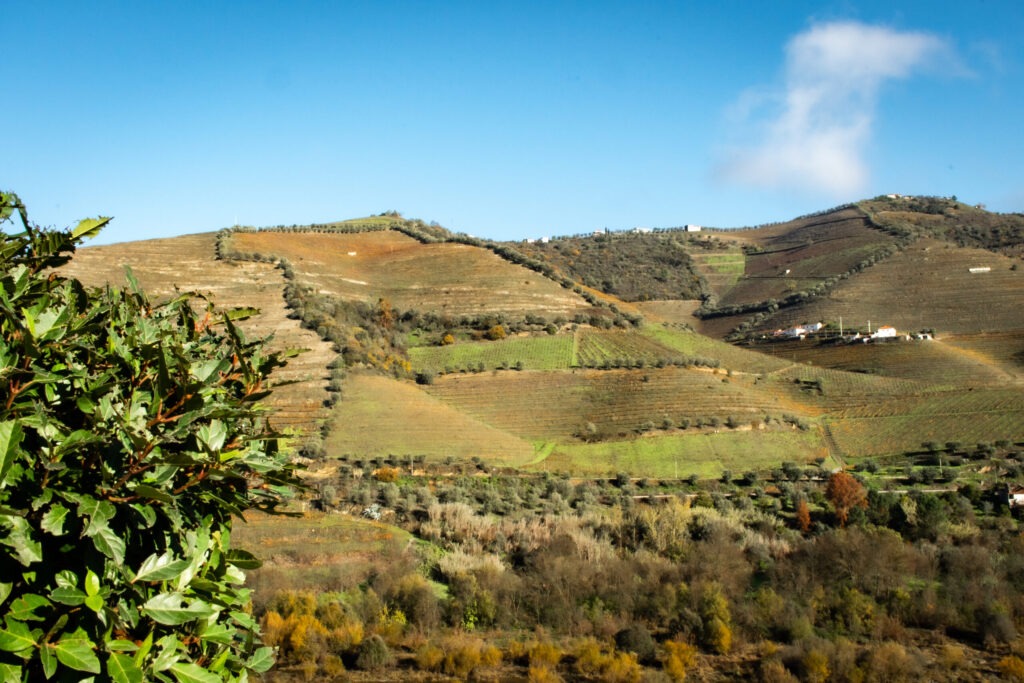
Mere steps from the restaurant we went to Touiga Wine Bar for another round of tastings at a wine bar that was reserved for our group only. The Douro is known for more than just Port—its red wines are some of the best in Portugal.
We were served a flight of five wines along with an olive oil tasting, as olive trees are another major product of the Douro Valley, known for its abundance of them.
Our sommelier shared interesting details about Douro Valley’s grape varieties, its winemaking history, the production process, and, of course, the wines we were tasting. Some of the fun facts shared were:
- Like Champagne in France, only fortified wine made from Douro Valley grapes can be officially called Port wine under EU law.
- Unlike regular wines, Port is fortified with local brandy or cognac after a few days of fermentation, creating a sweeter, denser profile.
- Another regional specialty is Vinho Verde, a young “green” wine from the cooler northwest slopes. The grapes are harvested early, giving it a crisp acidity, floral notes, light effervescence, and a hint of sweetness.
Fifth Stop: Douro Valley River Cruise

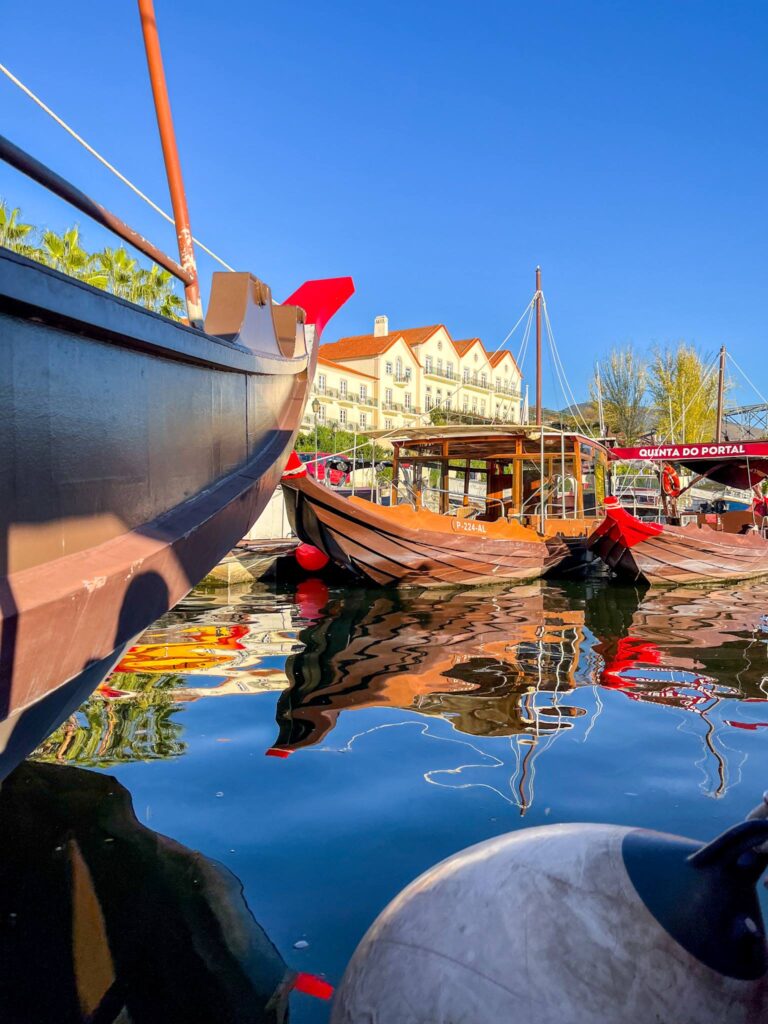
Next, we headed to Pinhão, a small riverside village, to board a one-hour Douro River cruise on a traditional Rabelo boat.
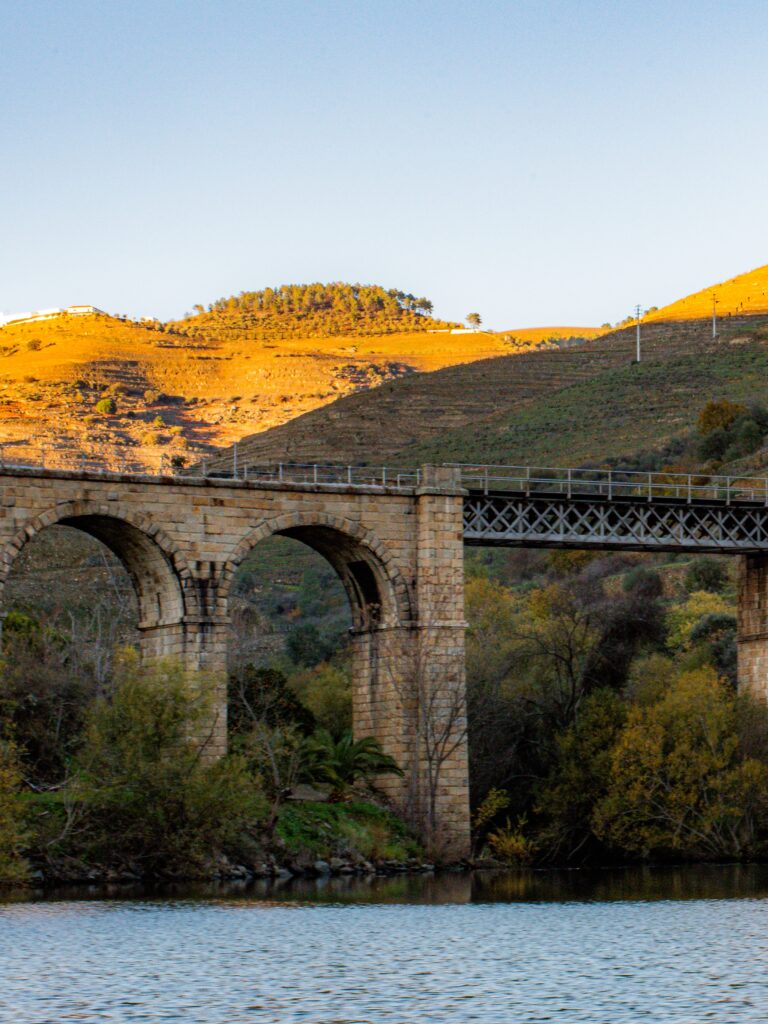
The boat glided past vineyard-covered hills, the terraces looking like staircases carved into the earth. This stretch of the river, inaccessible by road, felt almost untouched. No towns, no traffic—just vines, water, and the occasional farmhouse perched on a hillside.
Sixth Stop: Douro Valley Viewpoint
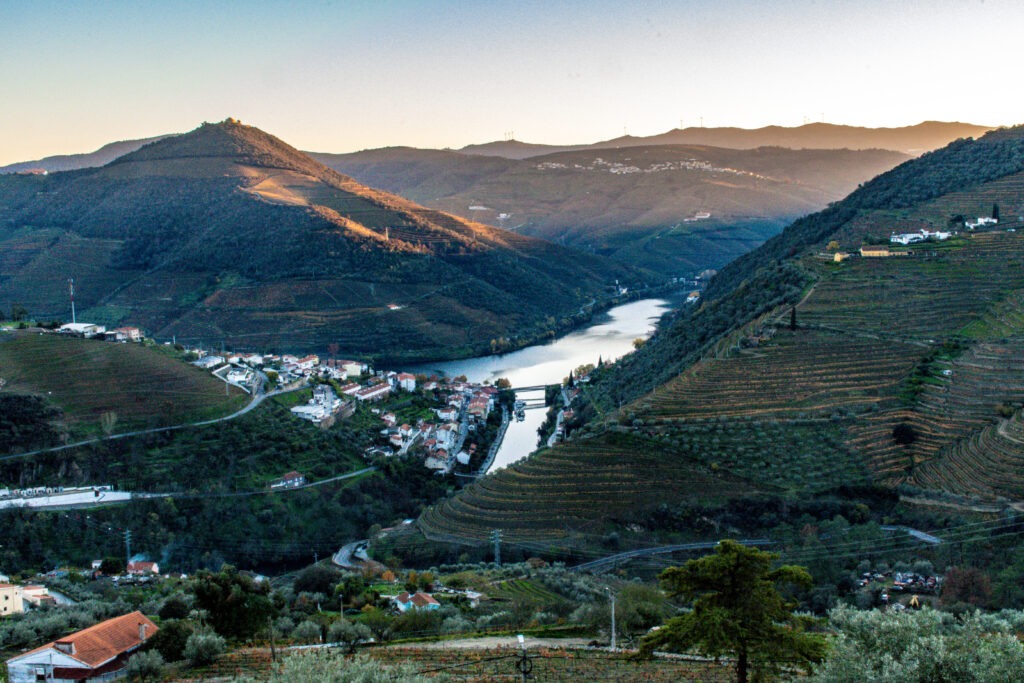
Before heading back to Porto, there was one final stop at Sabrosa, a famous viewpoint overlooking the valley. Standing there, looking out at the layers of vineyards folding into the distance, I finally understood why everyone—from locals to my cab driver—told me to visit the Douro. It’s not just about the wine. It’s about the journey, the land, and the generations of people who have shaped it. And for a day, I got to be a part of that story.
This offers a far better experience than any wine tasting tour in Porto. If you have 3 days or more in Porto, I recommend you make this part of your itinerary.
Best Douro Valley Wine Tours from Porto
I highly recommend the Get Your Guide Douro Valley Wine Tour I took, which offers a well-rounded experience with multiple tastings and a scenic river cruise.
⭐️⭐️⭐️⭐️⭐️
Douro Valley Tour with Wine Tasting, Cruise and Lunch
✅ 6 stops on 10-hour tour
✅ Lunch + 2 wine-tasting stops
✅ Scenic boat cruise on Douro Valley
But, I do have two other options for you, just in case the one I took was booked.
⭐️⭐️⭐️⭐️⭐️
Douro Wine Tour with Lunch, Tastings & River Cruise
✅ 10-hour tour
✅ 2 wine tastings stops, cruise
✅ Lunch is on-site at a rustic winery
⭐️⭐️⭐️⭐️
Douro River Cruise to Régua with Lunch
✅ Cruise from Porto to Douro
✅ includes breakfast and lunch (no wine tasting)
✅ Free time in the town of Régua
Final Thoughts
Booking one of these tours offers an unforgettable experience with scenic views, world-class wines, and local insights you won’t want to miss.
Subscribe to my website for more travel tips and exclusive offers on your next adventure!


