

Slow travel in Italy is best understood through a phrase Italians know well: Il Dolce Far Niente — the sweetness of doing nothing.
Over the decades I’ve travelled through Italy, I’ve come to realize this isn’t simply a romantic idea. It’s part of daily life.
You see it in long lunches that stretch into the afternoon, in quiet moments spent lingering over an espresso, and in the evening passeggiata, when locals stroll through town simply to enjoy this part of the day.
Italy invites you to slow down — not because you planned to, but because the culture itself gently encourages it.
When you embrace this mindset, travel becomes less about rushing between famous sights and more about experiencing the small, meaningful moments that make Italy unforgettable.
This post may contain affiliate links, meaning I get a commission if you decide to purchase something through the links, at no additional cost to you. Read my Affiliate Disclosure.
Why Italy Is the Perfect Country for Slow Travel

Italy might be one of the easiest countries in Europe to experience through the lens of slow travel.
Over the years, I’ve noticed that slowing down here rarely feels forced. The culture itself encourages it — through daily rituals, walkable towns, and a rhythm of life built around food, conversation, and community.
Instead of rushing from one landmark to another, travellers naturally begin to settle into the same patterns locals follow.
Here are a few reasons why Italy lends itself so naturally to slow travel.
| Everyday Italian Rhythm | What It Means for Slow Travellers |
|---|---|
| Walkable historic centres | Most Italian towns were built long before cars existed. Narrow streets, small piazzas, and compact neighbourhoods make wandering on foot the most natural way to explore. |
| Café culture | Espresso bars aren’t just places to grab coffee. They’re small social hubs where locals pause throughout the day — an easy way for travellers to observe everyday life. |
| Regional food traditions | Each region — sometimes each town — has its own culinary identity. Meals are meant to be savoured slowly, often stretching into long conversations. |
| Train travel between cities | Italy’s rail network makes it easy to move between regions without rushing. Travellers can settle into one place and explore gradually. |
| Piazza life and the evening passeggiata | As the day cools, locals gather in town squares and stroll through the streets. It’s a daily ritual built around connection rather than productivity. |
Il Dolce Far Niente: Learning the Sweetness of Doing Nothing
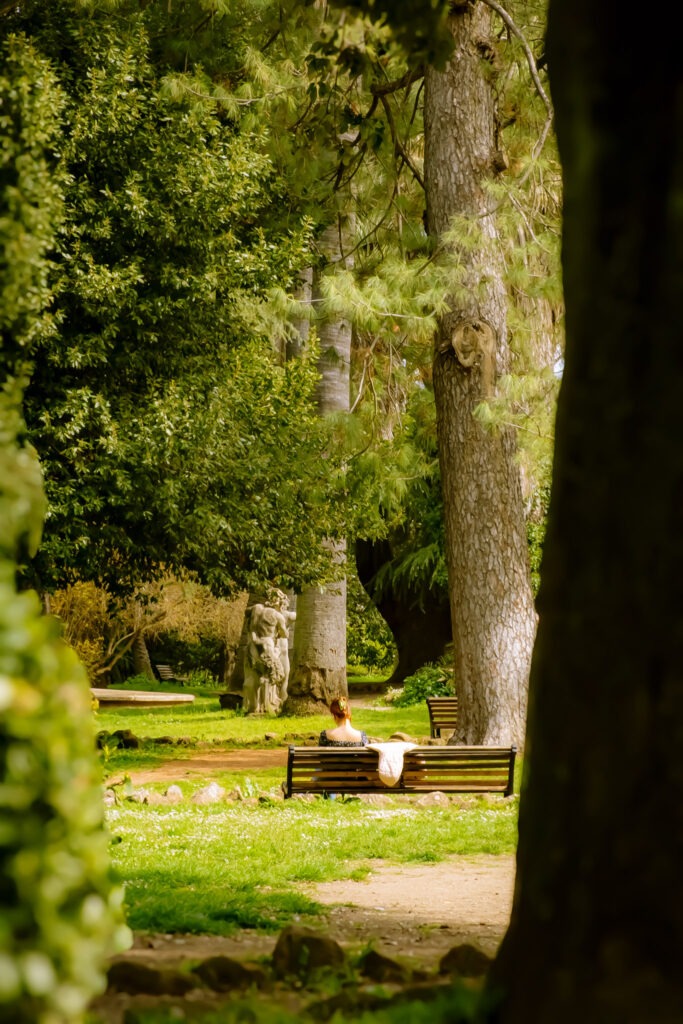
At first, slowing down in Italy can feel unfamiliar — especially for travellers used to busy itineraries and full days of sightseeing.
But something interesting happens when you return to Italy again and again. After decades of travelling through Italy, I’ve learned that some of the best cultural insights come simply from observing everyday life.
You begin to notice that the most memorable moments rarely come from the things you planned.
They appear quietly in between.
One pattern I’ve noticed over the years is the sacred Sunday in Italy.
Sundays reveal the essence of Il Dolce Far Niente better than almost any other day of the week.
The morning often begins with church bells echoing through the streets. Families gather, dressed a little more formally than usual. Followed by restaurants slowly begin to fill as people settle in for long Sunday lunches that stretch for hours.
Later in the afternoon, you’ll see people walking through gardens and parks, or gathering in piazzas simply to spend time together.
By early evening, the togetherness continues with aperitivo — a relaxed drink with small bites that often turns into a light dinner.
Over the years, I’ve learned that Sundays are one of the best days for travellers to do very little.
Instead of rushing to museums or landmarks, place yourself where locals naturally gather. Sit at a café. Walk through a market. Find a bench in a park or piazza.
Watch how people interact with each other.
In Italy, conversations are rarely rushed. You’ll hear laughter drifting across tables, animated gestures between friends, and sometimes spirited debates about politics, football, or the best way to cook a particular dish.
These small moments reveal more about Italian culture than any guidebook explanation ever could.
And when you allow yourself to slow down enough to notice them, you begin to understand the true meaning of Il Dolce Far Niente.
Where to Experience Slow Travel in Italy
Italy is full of places where slowing down comes naturally. Over the years, I’ve found that some destinations invite it more effortlessly than others — not because there is less to see, but because the rhythm of daily life encourages you to linger.
These are a few places where I’ve found slow travel in Italy feels particularly natural.
Tuscany: Golden Light, Hill Towns, and Long Afternoons
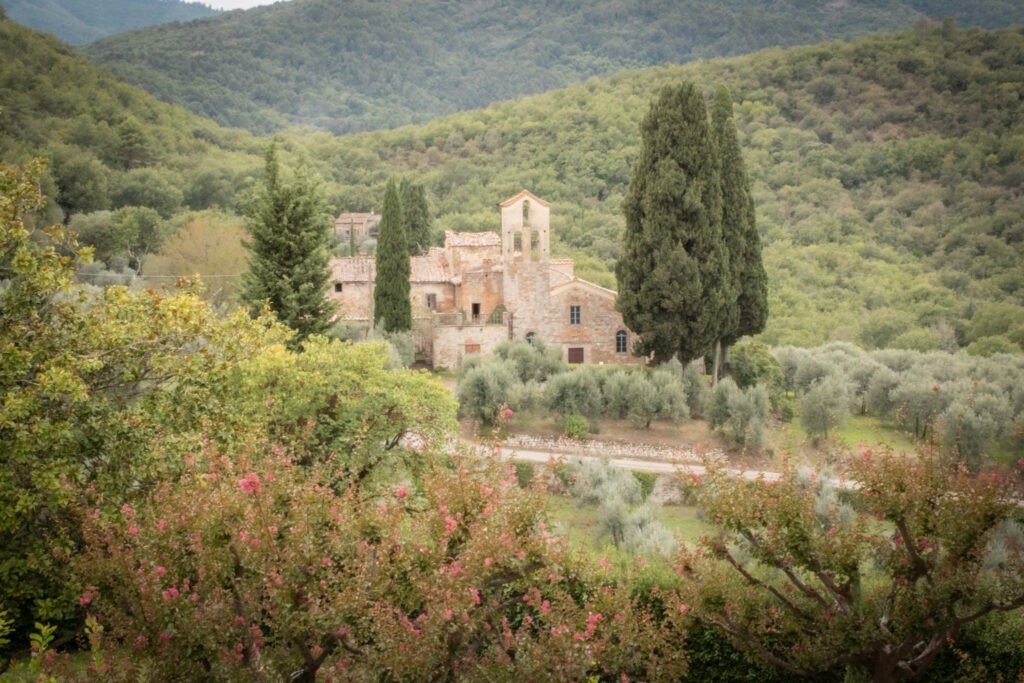
Tuscany has a way of stretching time.
Some of my favourite memories here aren’t tied to a specific attraction but to simple moments — eating al fresco for hours, slowly working through plates of antipasto from local producers: pecorino cheese, olives, honey, fresh bread, and local wine from Montepulciano.
The landscapes themselves seem designed for slow travel. Driving between Montepulciano, Pienza, and Montalcino, the countryside unfolds in soft rolling hills, vineyards, and cypress-lined roads that almost invite you to stop the car just to admire the view.
Pienza remains one of my favourite towns in Tuscany. Small enough to explore on foot, yet rich in atmosphere. And in Arezzo, the main piazza has a quiet elegance that feels unchanged by time.
My favourite time of day in Tuscany is late afternoon, when the light softens, and the countryside glows golden. Sitting with a glass of wine and a few small bites, reflecting on the day, is often the most memorable part of travelling here.
If you’re planning to spend a few days exploring the region, you may enjoy my guides to spending time in Siena, Cortona, and other Tuscan towns.
Umbria: Italy at a Slower, Quieter Pace
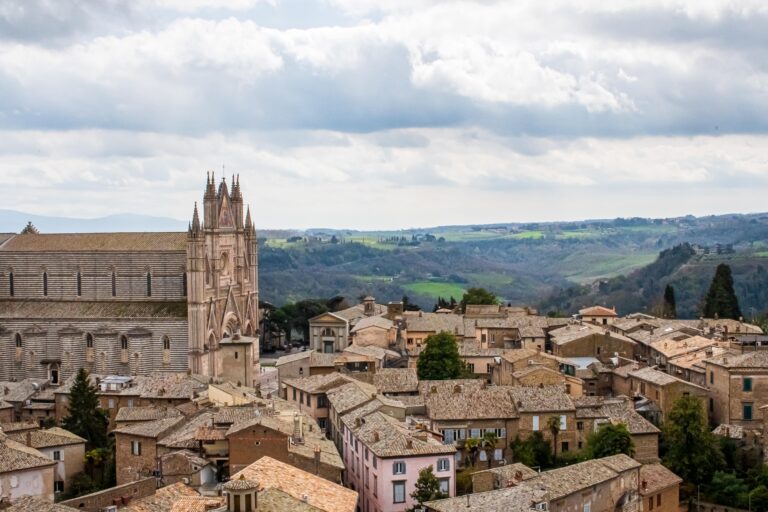
Umbria often feels like Tuscany’s quieter neighbour.
The landscapes are more mountainous, the towns feel less polished, and the atmosphere is noticeably calmer. For travellers seeking a slower rhythm, this difference can be refreshing.
One of the places that stayed with me most is Orvieto. Sitting high above the countryside on its volcanic plateau, the town feels both dramatic and intimate. Every narrow street seems atmospheric, and wandering through the quiet lanes becomes part of the experience.
In Umbria, slow travel often means allowing yourself to get a little lost — discovering small cafés, hidden viewpoints, and quiet squares that rarely appear on itineraries.
For travellers who love Tuscany but wish it felt just a little quieter, Umbria often delivers that experience.
Emilia-Romagna: Slow Travel for Food Lovers
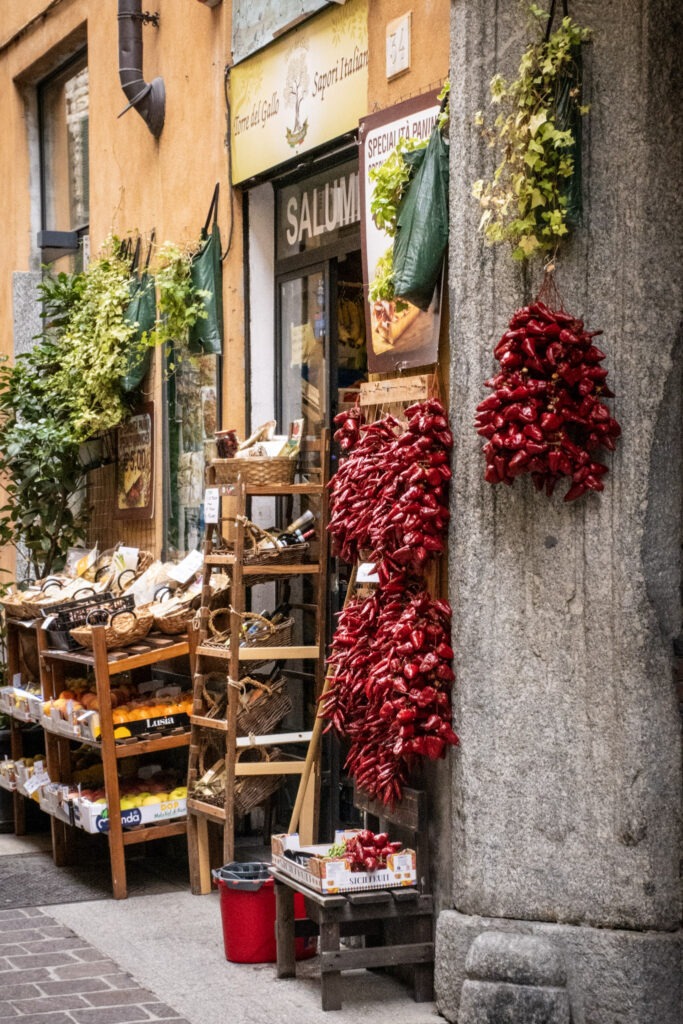
If slow travel in Italy had a culinary heart, it would likely be Emilia-Romagna.
This region is famous for some of Italy’s most beloved foods — Parmigiano Reggiano from Parma, balsamic vinegar from Modena, and handmade pasta traditions that have been passed down for generations.
One of my most vivid memories here is simply walking through the markets of Bologna. They are lively, crowded, and full of aromas that make you wish you could taste everything — wheels of cheese, fresh pasta, cured meats, and trays of pastries.
But one of the meals I remember most was in Modena, at Ristorante da Danilo. The dish itself was incredibly simple: delicate egg pasta in a light cream sauce with fresh herbs. Nothing elaborate — just beautifully executed and unforgettable.
That’s what slow travel in Emilia-Romagna often looks like. Long meals, food markets, and discovering the culinary traditions that define each town.
If you’re planning a visit, I’ve written more detailed guides to spending time in Bologna, a day in Modena, or in Parma, and the much quieter town of Reggio Emilia.
The Italian Riviera: Sea Air and Coastal Walks
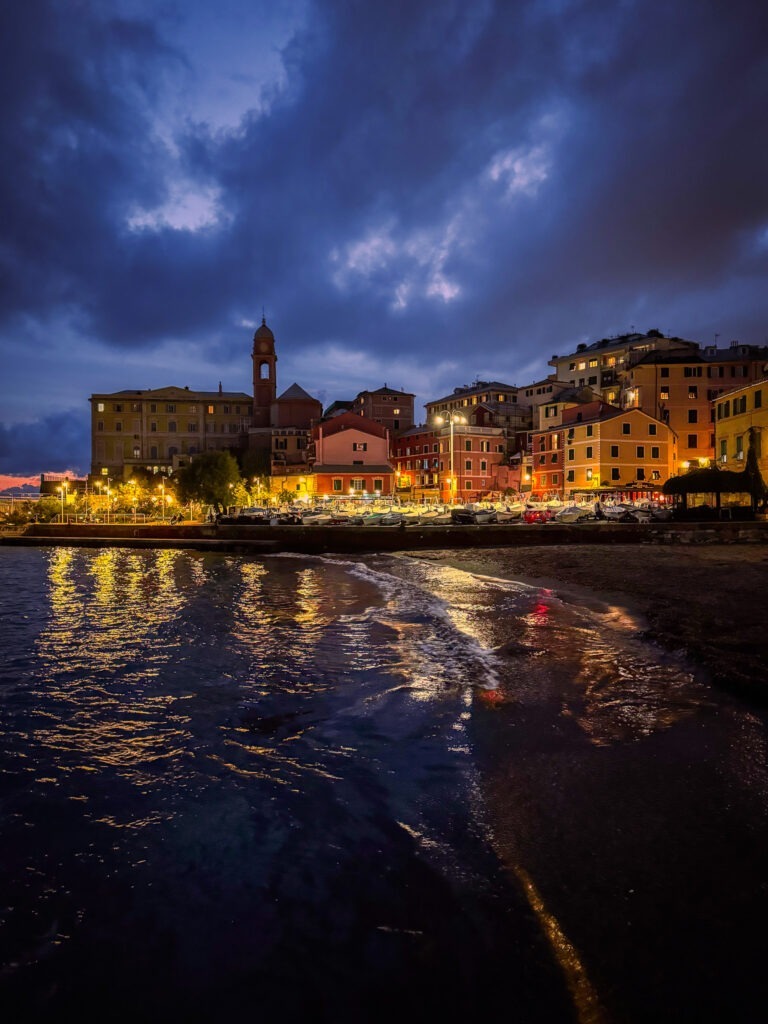
The Italian Riviera is famous for its colourful seaside villages, and places like the five towns of Cinque Terre are undeniably beautiful.
But they can also be busy.
One of my favourite slow travel experiences along this coast happened in a much smaller place: Nervi, a quiet fishing town just outside Genoa.
Here, the rhythm of the day often centres around the sea. In the evening, locals walk along the seafront promenade, a path that stretches along the rocky coastline with uninterrupted views of the water.
At sunset, the colours soften, and the lights from nearby houses begin to reflect across the sea.
I remember sitting at a local beachside restaurant where the food was perfectly fine but almost beside the point. The real magic was the atmosphere — watching the lights dance on the water as the evening slowly unfolded.
For travellers seeking a slower Riviera experience, these smaller towns often offer the most memorable moments.
Turin: Elegant, Walkable, and Perfect for Slow Travel

If I had to choose a favourite city in Italy, Turin would be very high on the list.
Elegant and refined, the city often reminds me of Paris — wide boulevards, beautiful architecture, and a quiet confidence that doesn’t try to compete with Italy’s more famous destinations.
One of the things that makes Turin so enjoyable for slow travel is how walkable it is. Long arcaded streets allow you to stroll comfortably for blocks at a time, passing historic cafés, chocolate shops, and beautiful examples of Art Nouveau architecture.
The city also embraces one of Italy’s most enjoyable rituals: aperitivo. In the early evening, cafés and bars fill with locals gathering for a drink and small bites before dinner. It’s one of the easiest ways for travellers to step into the local life.
Turin rewards those who take their time — wandering museums, lingering in cafés, and allowing the city’s elegance to reveal itself gradually.
Slow Travel in Italy: Practical Tips for a More Meaningful Trip
Travelling slowly in Italy isn’t something you need to master before you arrive. In many ways, the country itself encourages it.
But over the years, I’ve noticed a few small shifts in how you plan your trip can make the experience feel completely different.
Stay Longer in Fewer Places
One of the most common mistakes travellers make in Italy is trying to see too many destinations in one trip.
Italy rewards travellers who stay put for a while. Spending several days in one place allows you to return to the same café, recognize familiar streets, and settle into the rhythm of daily life.
Often, the most memorable moments happen once you stop moving so quickly.
Choose Accommodations with Character
Where you stay can shape your entire experience.
Family-run guesthouses, boutique hotels, and agriturismos often reflect the character of the region far better than large hotel chains. Many are run by families who have lived there for generations and are happy to share local recommendations you might never find in a guidebook. Or, rent a villa and embrace living locally.
Follow Local Rhythms
One of the easiest ways to experience Italy more deeply is simply to follow the pace locals already live by.
Start your day with a quiet espresso at the bar. Enjoy a long lunch when the afternoon heat slows everything down. And in the early evening, join the passeggiata as people stroll through town before dinner.
These everyday rituals reveal far more about Italian culture than rushing between attractions.
Leave Space for Unplanned Moments
Not every hour of your day needs to be scheduled.
Some of the most memorable experiences in Italy happen when you allow time to wander. A church door was left open. A small local market tucked into a side street. A quiet piazza that suddenly becomes your favourite place in town.
Italy rewards curiosity.
Travel Between Regions Slowly
Italy’s train system makes it easy to move between cities without stress.
Rather than racing across the country, consider focusing on one region at a time. Exploring Tuscany, Emilia-Romagna, or Umbria in depth often leads to richer experiences than trying to visit multiple regions in a single trip.
The slower the pace, the more Italy reveals itself.
FAQ About Italy’s Slow Travel
How many days do you need for slow travel in Italy?
A slow travel itinerary in Italy typically works best with at least 5–7 days in one region or city. This allows travellers to settle into a destination, explore nearby towns, and experience local rhythms without constantly packing and moving between cities.
Is slow travel in Italy better in cities or small towns?
Both work well, but smaller towns often make slow travel easier. Historic centres are compact, daily life unfolds in piazzas and markets, and it’s easier to settle into a local rhythm than in larger tourist-heavy cities.
How do you plan a slow travel itinerary in Italy?
Start with one region and choose a base for several days. From there, explore nearby towns, markets, and countryside at a relaxed pace rather than moving hotels frequently.
Slowing Down in Italy
This approach isn’t about seeing less. It’s about experiencing more.
When you allow space for small moments to enter into your day, Italy reveals itself in ways that no itinerary can plan.
If this way of travelling resonates with you, you’re always welcome to join my newsletter. I share thoughtful travel insights and inspiration there, along with my downloadable guide “15 Practical Tips for Slow Travel” to help you begin planning a slower, more meaningful trip.


