

Choosing between Siena vs Florence comes down to this: do you want energy or atmosphere?
Florence is bold—Renaissance art, iconic landmarks, and a city that moves quickly.
Siena is quieter—medieval streets, local traditions, and a pace that invites you to slow down.
I’ve returned to both over the years, walking their streets at different times of day, noticing how each one unfolds. They may sit in the same region, but they offer entirely different experiences of Tuscany.
If you’re deciding between Florence vs Siena, I’ll help you choose based on how you want your time to feel—not just what you want to see.
This post may contain affiliate links, meaning I get a commission if you decide to purchase something through the links, at no additional cost to you. Read my Affiliate Disclosure.
Siena vs Florence: Which Should You Choose? (Quick Answer)

The rivalry between Siena and Florence runs deep. Even today, people in Italy will tell you they’re firmly on one side or the other. It’s more than civic pride—it’s a tradition passed down through families.
This divide began in the Middle Ages, when the two cities fought for power, and carried into the Renaissance, when Florence’s influence reshaped Europe while Siena held fiercely to its medieval identity. What remains is a friendly competition, often debated with passion by locals and shared with curiosity by travellers.
But for you, traveller, don’t overthink it; this is the clearest way to decide.
Choose Florence if…
You want iconic art, architecture, and that immediate “I’m in Italy” feeling. You’re willing to navigate crowds for access to world-class museums, and you like having options—restaurants, galleries, day trips—all within easy reach by train.
Choose Siena if…
You’re drawn to atmosphere over must-see checklists. You prefer quiet mornings or evenings, fewer crowds, and a city that reveals itself slowly. You want to feel Tuscany, not just see it.
Choose both if…
You have at least 3–4 days in the region. Base yourself in Florence for convenience, then spend a day or one night in Siena to experience a completely different pace. Or, choose to stay in town or the nearby countryside of places like Cortona, Arezzo or Montepulciano, and visit both as a day trip.
Skip Siena if…
You’re relying entirely on trains and want efficiency. Or your trip is short and focused on major sights—Siena rewards time and presence more than quick visits. My best advice is that you have a car to visit Siena for the day.
Skip Florence if…
You’re overwhelmed by crowds or not interested in museums. Florence is extraordinary, but it requires energy. Without that interest, it can feel like a lot. This is not a city to squeeze into an already fast-paced Tuscany itinerary.
Florence vs Siena: At a Glance

| Florence | Siena |
|---|---|
| Larger, busier, with an international energy. A city of movement and grandeur. | Smaller, walkable, with medieval charm and a slower, more grounded pace. |
| The cradle of the Renaissance. Home to the Medici, Michelangelo, and the Uffizi. | A medieval rival to Florence, rich in Gothic art, traditions, and preserved streets. |
| Major train hub with an airport. Easy base for exploring Tuscany and beyond. | Less direct, best reached by car, but part of what keeps it feeling authentic. |
| Best for 2-3+ days. Ideal for art, museums, and day trips. | Best for a day trip or 1–2 nights. Suited to slower exploration and local traditions. |
Both cities deserve their place on a Tuscan itinerary. The choice depends on what you want most from your trip.
The Difference You Feel (Not Just See)


The difference between Siena and Florence isn’t just what you see. It’s how your day unfolds without you noticing.
In Florence, some of my fondest memories were:
Waking early for the view from Piazzale Michelangelo, watching the city come into focus as the light hits the Duomo. Wandering through the streets in Oltrarno, peeking into artisan workshops and later breaking for a long lunch in a tiny trattoria called Dalla Lola. Always ending my day by the Alto River, standing on Ponte Santa Trinita as the light turns a golden yellow.
In Siena, my memories are a bit more subtle:
Arriving in Piazza del Campo early, when it’s almost empty, and returning later, the square has shifted—now filled, alive, and louder. Throughout the day, I follow each of the nine streets that stretch from the piazza, letting myself get a little lost. Sitting on the steps of the Basilica di San Clemente in Santa Maria dei Servi with a gelato, with a feeling of nowhere else to be.
Florence asks you to engage. Siena allows you to observe.
Neither is better. But they ask something different of you.
Both cities have earned the prestigious UNESCO status, and both reward slow-footed explorers. But what you’ll see—and how you’ll experience it—differs greatly.
Siena or Florence: Which City Fits Your Travel Style?
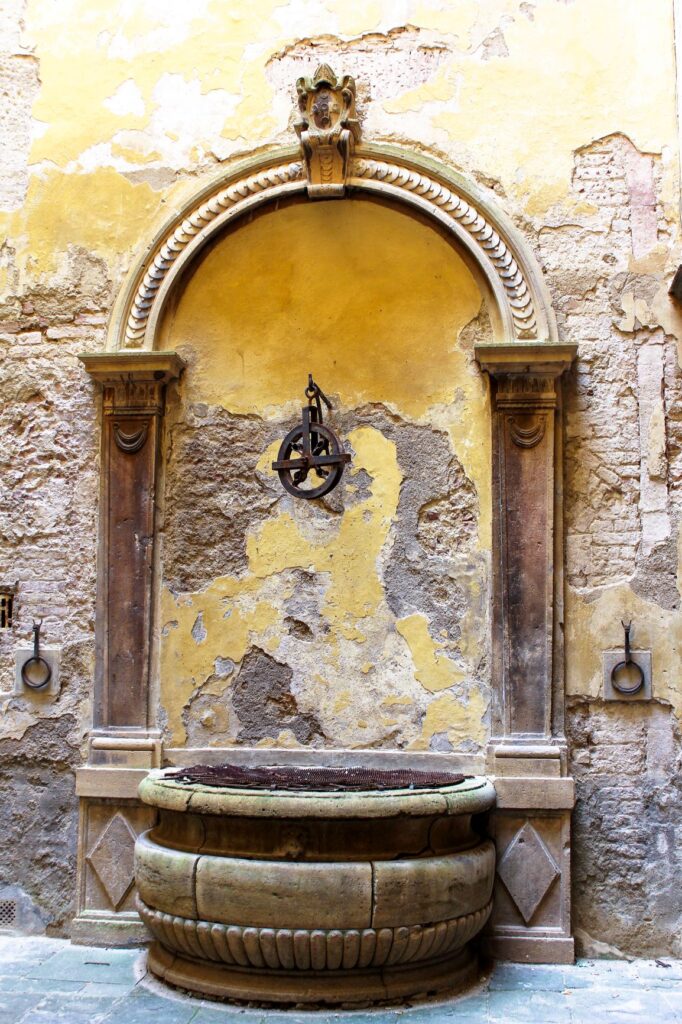
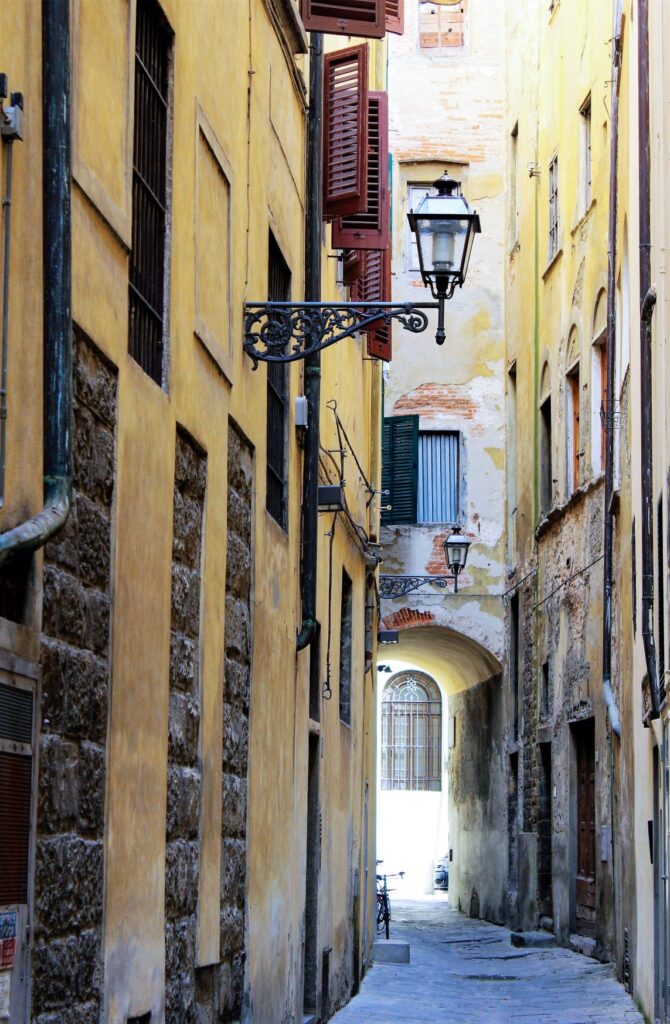
When I’m asked whether Florence or Siena is better, I always say—it depends on the traveller. Here’s how the two cities compare for different types of journeys:
| Florence | Siena |
|---|---|
| Budget-Friendly: Accommodation and dining can be costly, especially near major sights. Better suited to travellers who plan ahead. | Budget-Friendly: Smaller scale means better value for food and stays. Easier to enjoy without stretching your budget. |
| Slow Travellers: Fast-paced, crowded, and full of museums. You need to be selective to avoid overwhelm. | Slow Travellers: Naturally slower pace. Easier to settle in, wander, and experience without a packed agenda. |
| Culture Lovers: World-class museums, theatres, and galleries. Every corner reflects Renaissance influence. | Culture Lovers: Traditions are still lived daily. Festivals, neighbourhood identity, and local life shape the experience. |
| History Enthusiasts: Renaissance birthplace, Medici power, and monuments that shaped Europe. | History Enthusiasts: A medieval time capsule with Gothic architecture and remarkably preserved streets. |
| Art Admirers: Masterpieces by Michelangelo, Botticelli, and Leonardo da Vinci. The Uffizi and Accademia are unmatched. | Art Admirers: Frescoes, cathedral mosaics, and Gothic treasures. More intimate and less overwhelming. |
| Foodies: Known for bistecca alla Fiorentina, refined dining, and lively markets like Mercato Centrale. | Foodies: Tuscan comfort dishes, wild boar pasta, and local wines in smaller, more personal trattorias. |
Both cities offer something distinct. The real question is less “Which is better?” and more “Which speaks to the way you want to travel?”
Common Mistakes When Choosing Between Siena and Florence

Most travellers don’t choose the wrong city.
They choose the right one—but experience it the wrong way.
Using Siena as a base without a car
Siena looks central on a map, but it doesn’t function like Florence. Train connections are limited, and reaching smaller towns takes time and effort. What feels “strategic” can quickly become restrictive. Siena works best as a pause, not a hub—unless you have your own car.
Trying to do Florence in a day
It’s possible, but it flattens the experience. You move from sight to sight, spending more time navigating crowds than absorbing what you’re seeing. Florence isn’t just about landmarks—it’s about daily life. This is a city where locals still live. Without time to step away from the main flow, the city can feel overwhelming rather than extraordinary.
Visiting Siena only in the middle of the day
This is when most people arrive—and when Siena feels least like itself. The magic is in the edges of the day. Early morning, when Piazza del Campo is nearly empty. Evening, when the crowds leave, and the city settles. If you only see Siena at its busiest, you miss what makes it memorable.
Overvaluing convenience over experience
Florence is easier. Better transport, more options, more structure. But ease isn’t always what you remember. Siena takes a little more effort to reach—and that’s part of why it feels different when you arrive.
Assuming they offer the same kind of “Tuscany”
They don’t. Florence is a cultural capital. Siena is a preserved world. Choosing between them isn’t about ranking—it’s about understanding what kind of experience you want your days to hold.
How Much Time You Actually Need (Realistically)

It’s easy to assign numbers—3 days here, 1 day there. But how that time feels is what matters.
24 hours in Florence → what you miss
You can see Florence in a day. You can stand beneath the Duomo, cross Ponte Vecchio, and even step inside a museum. But no city will ever reveal itself that quickly. You miss the early morning stillness before the crowds arrive. You miss wandering without a destination in Oltrarno, lingering long enough to notice the rhythm of local life. Florence becomes a checklist instead of an experience. It’s impressive—but it stays on the surface.
1 night in Siena → what you gain
One night changes everything. You see Piazza del Campo before the day begins, when it feels almost private. You return in the afternoon, when it fills with life, and again in the evening, when it softens. The city reveals its layers slowly, without asking anything of you. Staying overnight gives you access to Siena in its quietest, most honest moments—the ones most visitors never see.
What this really means for your itinerary
Florence asks for time to unfold more slowly. Siena rewards even a little of it.
If you have to choose, give Florence the days it needs. But if you can, give Siena the night—it’s the difference between visiting and understanding.
Florence or Siena: Which is Better for Day Trips?
When it comes to exploring beyond, the two cities play very different roles.
| Florence | Siena |
|---|---|
| Best for: Travelling by train and easy connections across Italy. Day trips: Montepulciano, Pisa (1 hr), Lucca (90 mins), Bologna (40 mins), Arezzo (1 hr), Modena (90 mins). | Best for: Travelling by car and exploring the Tuscan countryside at your own pace. Day trips: San Gimignano (45 min), Pienza (1 hr), Montepulciano (1 hr 15 min), Chianti villages like Radda (30–60 min). |
My Final Take on Florence and Siena
Siena and Florence are often compared, but they don’t compete in the way people expect.
Florence is expansive. It asks you to look, absorb, move, and take it all in.
Siena is contained. It asks you to slow down, notice, and stay a little longer than you planned.
The decision isn’t about which city is better.
It’s about how you want your time in Tuscany to feel.
If your trip is built around iconic art, architecture, and ease—Florence will carry you.
If you’re drawn to atmosphere and a quieter kind of beauty—Siena will stay with you.
And if you can, do both. Not to check a box, but to understand the contrast. That’s where Tuscany begins to make sense.
If you’d like help shaping your time in Tuscany, I offer custom trip planning services designed for a slower, more thoughtful way of travelling—so you don’t just see the places, you experience them properly.


