
If you’re wondering how many days in Florence you need, here is my clear answer.
1 day if you want to see quick highlights, fast pace. 2 to 3 days is enough for most travellers.
3 to 4 days if you want to experience Florence, not just see it.
5 or more days if you plan to use Florence as a base to see more of Italy.
I’ve returned to Italy several times, including Florence, and this is where I’ve landed.
Florence is compact. You can walk almost everywhere. That’s what makes it tempting to rush.
But it’s also dense. Art, architecture, atmosphere—layered tightly into a small space. So the question isn’t how much you can fit in. It’s how much you want to feel.
This post may contain affiliate links, meaning I get a commission if you decide to purchase something through the links, at no additional cost to you. Read my Affiliate Disclosure.
How to Decide How Many Days You Need in Florence
When planning how many days in Florence you might need, pause for a moment.
Not to overthink it—but to be honest about how you like to travel.
- Are you moving quickly through Italy, or staying still for a few days?
- Do you want to see Florence—or settle into it, even just a little?
- Will you be adding day trips by train, or keeping your time in the city?
When I help clients plan their time in Florence, this is always the first thing I explain.
Everything is close. You can stand in front of the Duomo, cross the Arno, and reach another landmark in minutes. On a map, it looks effortless. Efficient, even.
And that’s exactly why it’s so easy to underestimate.
The lines. The pauses. The moments you don’t plan for—when a street pulls you in, or linger in an interesting shop.
So yes, you can move quickly.
But the better question—the one I always come back to with my clients—is this:
Is that how you actually want to experience the city?
If you prefer full days, structured and efficient, you can move through Florence quickly.
If you like space in your days—unplanned time, slower mornings, returning to places—you’ll need more.
There’s no perfect number.
1 Day in Florence — A First Glimpse
If you only have one day in Florence, go—but go with clear expectations.
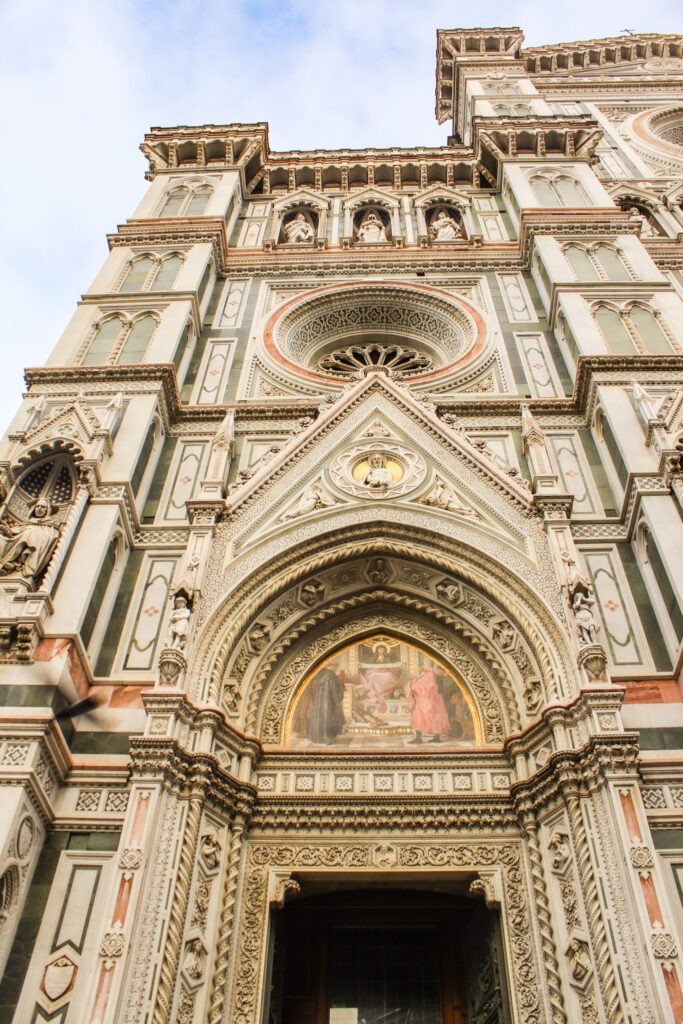
This becomes a focused day. You’ll move between the essentials: the Duomo, one museum, a walk across the Arno, a few key streets stitched together with purpose. It can logistically be done, especially if you pre-book in advance.
But the pace is set for you.
There’s little room to pause. Little room to wander without watching the clock, unless you give something up. Florence reveals itself in the margins—and in one day, there aren’t many.
My Take
If you want to create space—to actually wander, to feel the city even briefly—you can gain back time in quiet ways.
Skip the interior of the Duomo.
Stand in Piazza del Duomo instead. Walk it slowly. Circle it. Look up. Notice the marble, the scale, the detail that most people rush past on their way inside.
And if art and museums aren’t naturally how you connect to a place, don’t force it. You don’t need to visit the Uffizi Gallery or the Accademia Gallery just because they’re “must-sees.”
Slow travel isn’t about doing less for the sake of it.
It’s about choosing what actually matters to you—and letting the rest go.
2–3 Days in Florence — Where It Starts to Open
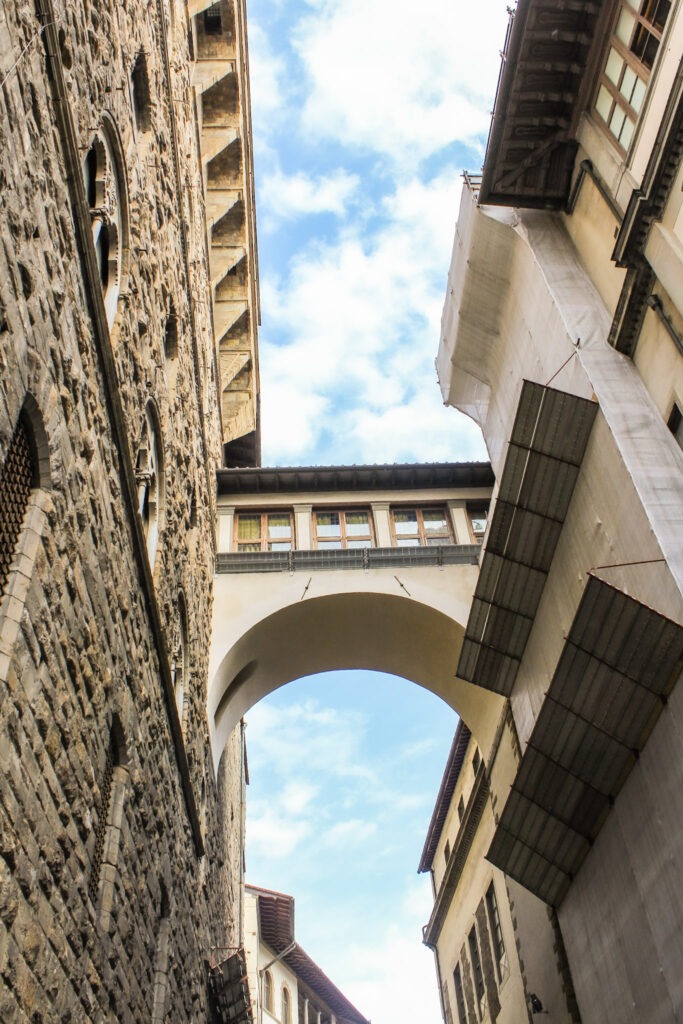
This is where most travellers should land, in my opinion.
In two to three days, you can see what you came to see—and still have space left over. That space is what changes the experience.
You begin with the anchors. The Duomo. A museum or two. The walk through the historic center. But then something shifts.
You’re no longer moving from sight to sight. You start noticing what sits in between. Because you know you have time on your side.
A quieter street. A longer meal. A second pass through a place that felt too crowded the first time.
My Take
I love that feeling when a place starts to become more familiar.
One of my favourite routines was walking to Sant’Ambrogio Market just after it opened. I’d stop at the same café, Cibrèo Caffè, for its salty stuffed focaccia and sip my tea while watching the neighbourhood come alive. Vendors unloaded crates of produce, and older couples greeted each other like old friends.
This is the balance—enough time to see Florence, and just enough to begin feeling it.
5 Days or More — Florence as a Base
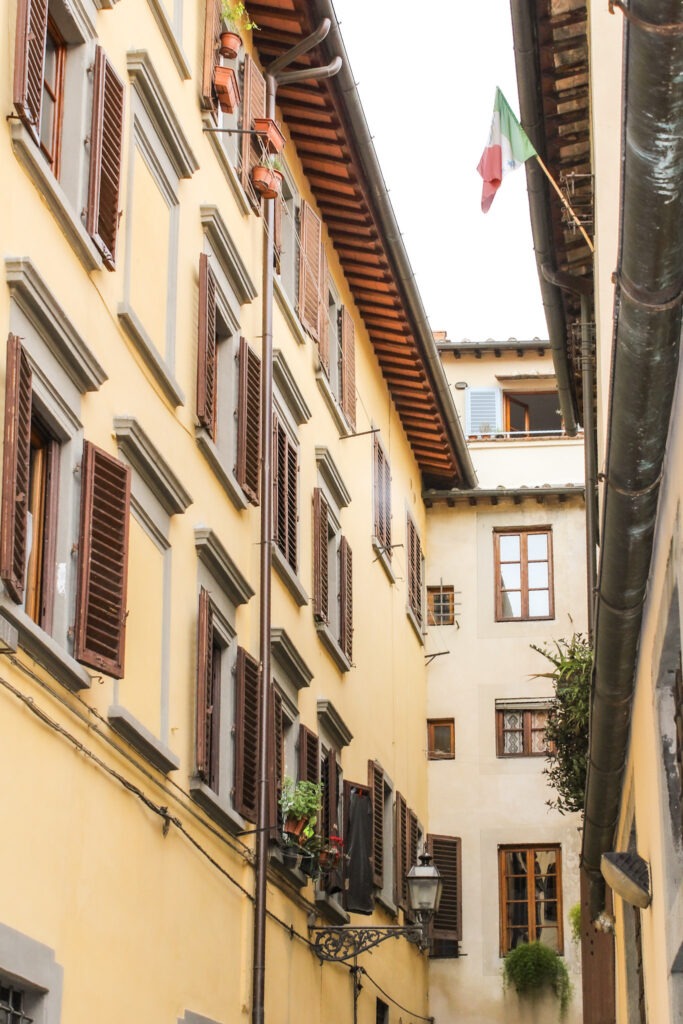
If you have five days or more, Florence changes completely.
It stops being a checklist—and starts becoming a place you return to at the end of the day.
This is when using Florence as a base begins to make sense. You can step out into Tuscany, explore a nearby town, and come back to something familiar in the evening. No packing and unpacking.
And within Florence itself, something else happens.
You revisit places. Not because you missed them—but because you can. A piazza at a different hour. A later night than usual because you know there is no moving onward to a new destination.
My Take
If you’re staying longer, this is where Florence becomes more than a destination—it becomes your anchor.
From here, you can visit other places in Italy by simply hopping on a train.
Spend a day in Arezzo. A Tuscan town that is quieter and less visited by travellers, opting for the more popular places like Siena.
Or take the train to Bologna for the day. An energy shift. Less about monuments, more about atmosphere—porticoes, long walks, and meals that stretch into the afternoon.
And then return to back to your familiar stay in Florence in the evening.
This is the version of travel I enjoy the most.
I know this pace isn’t necessary for everyone. But if you have the time, Florence is a great city to move in ways that make it feel less like a destination and more like a place you’ve briefly lived in.
How to Decide What’s Right for You
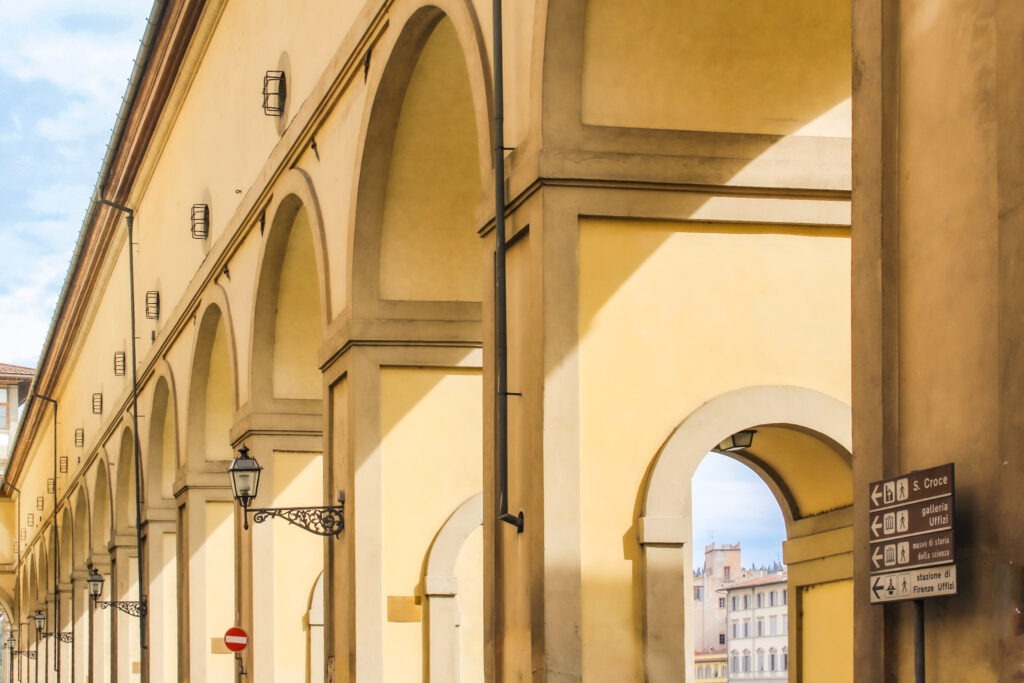
For most travellers, deciding how many days to spend in Florence, there’s no one perfect answer —only the one that fits how you like to move through a place.
This is less about time and more about intention.
Some travellers are comfortable moving quickly, seeing what they came to see, and continuing on. Others want space—to return, to notice, to let a place unfold a little more slowly.
Florence can meet you in either version.
But your experience will feel very different depending on the pace you choose.
Here’s a simple way to decide:
| It’s your first time in Florence, and you want a well-rounded experience without rushing | Then this is the right fit |
|---|---|
| It’s your first time in Florence and you want a well-rounded experience without rushing | 2–3 days |
| You prefer depth over checklists, slower mornings, and time to wander without a plan | 3+ days |
| You’re combining Florence with Tuscany and want to balance city time with a day trip or two | At least 3 days |
| You’re based in the Tuscan countryside and want a single day in the regional capital—more of a glimpse than a full experience | 1 day (with adjusted expectations) |
| You prefer one base, unpack once, travel by train, and move at a slower pace—letting places unfold over time | 5+ days |
What Makes Florence Feel Rushed (and What Most Itineraries Get Wrong)
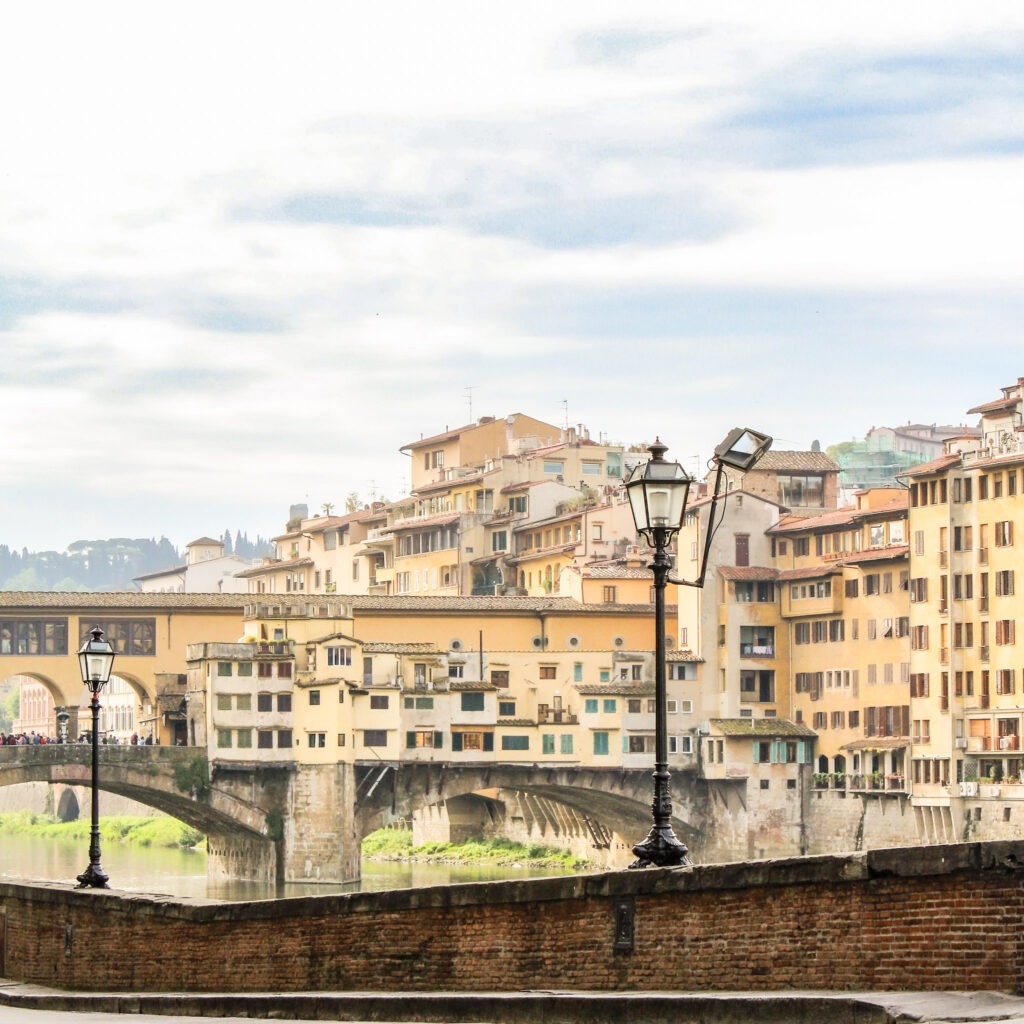
Florence rarely feels rushed because of time alone.
It feels rushed because of how that time is used.
A few small decisions—often made with the best intentions—can flatten the experience without you realizing it.
Here’s where it tends to happen, and what to do instead:
| What Creates the Rush | What to Do Instead |
|---|---|
| Trying to do everything in one day | Choose a couple of anchors. Let the rest unfold as you move between them. Florence is compact—you don’t need to chase it. |
| Overbooking museums (or visiting them out of obligation) | Limit yourself to one, maybe two. And only if you’re genuinely interested. The Uffizi Gallery and Accademia Gallery are remarkable—but not mandatory. |
| Stacking multiple museums back-to-back in the same day | Space them out—or choose just one. Florence isn’t just seen inside museums. Some of your most memorable moments will happen outside of them. |
| Not accounting for lines, heat, and crowds | Build in buffer time. Midday queues and summer heat (especially June–August) will slow everything down more than you expect. |
| Skipping early mornings and evenings | This is when Florence changes. Quieter streets. Softer light. Fewer people. Even one early start or evening walk will shift how the city feels. |
| Only seeing the “must-sees” | Add one place that isn’t on every list—like Basilica of San Miniato al Monte or the Rose Garden near Piazza Michelangelo. These are the moments that stay with you. |
| Staying only in the historic centre | Cross the river. Spend time in Oltrarno, wander through Santa Croce, or explore Santo Spirito. The vibe shifts, and so will your experience. |
| Treating Florence like Rome—trying to cover it quickly, moving from major sight to major sight | Florence isn’t built for that pace. It’s smaller, more concentrated. Slow down. Focus on fewer places, and give yourself time to experience what’s between them. |
| Eating too close to major sights | Walk 3–4 streets away from the Duomo or main piazzas. Look for small, locally run trattorias where menus are shorter and less translated. |
| Treating meals as a quick stop | Slow down here. A longer lunch or unhurried dinner will reset your entire day. |
| Waiting in long lines for novelty experiences | Skip things like wine windows if the line stretches down the street. You’ll spend more time waiting than enjoying. |
| Visiting at peak times without adjusting expectations | Florence is busiest from late spring through early fall (May–September). If you’re visiting then, plan earlier starts, slower afternoons, and quieter evenings. |
None of this is about doing less for the sake of it. It’s about removing friction—so the time you do have in Florence feels calm, considered, and fully your own.
This is exactly how my Unrushed Itinerary Method can help—a simple way of identifying what actually matters to you, building your days around that, and then removing what doesn’t fit. Not everything needs to make the list.
Because the goal isn’t to fit more in.
It’s to leave just enough space for the city to meet you.
My Final Take
Florence doesn’t need as much time as you might think. But it does need more than a day.
If you want a clear answer, this is where I land—every time I return.
Three days is the sweet spot.
It gives you enough time to see Florence, and just enough space to begin feeling it. To slow down, even slightly. To notice what sits between the landmarks.
You just need enough time to experience it in a way that feels like your own.
If you’re planning your trip now, I share more of this slow travel approach in my newsletter.
You are always welcome to join our community.