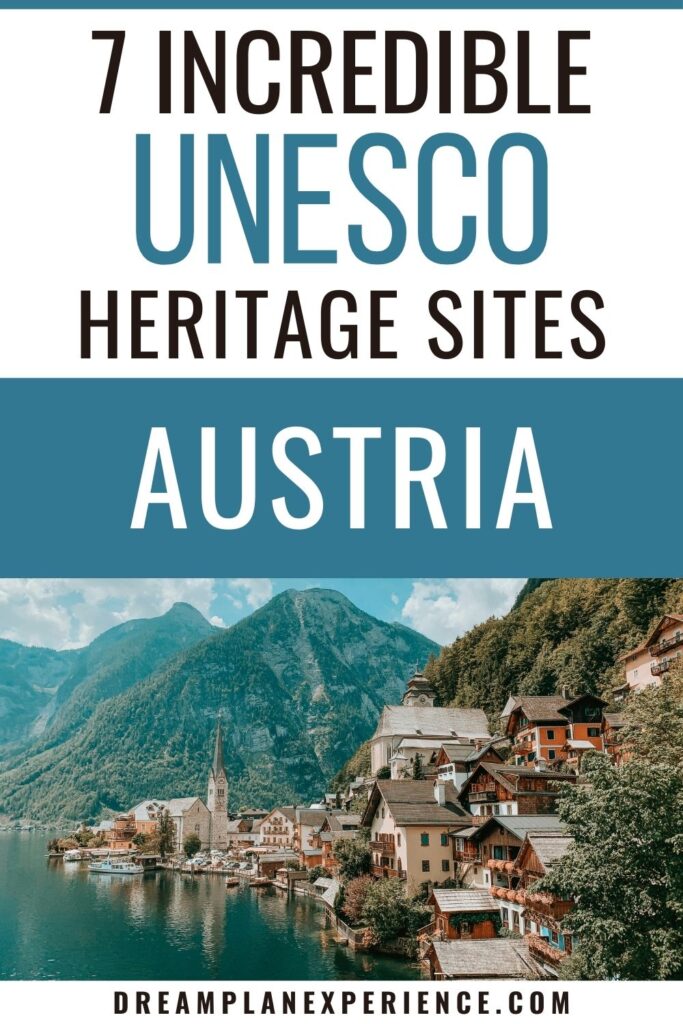
Welcome to Austria! It’s well known for its grand architecture and its scenic landscapes with some of the most incredible Austria UNESCO sites worth visiting.
Visit Austria and it’s just as you would imagine – with its alpine valleys, snow-capped mountains, sparkling lakes, and vibrant city life.
To help you narrow down the destinations to visit why not look to the World Heritage sites in Austria?
I’ll share 7 of the best UNESCO sites Austria has to offer to help inspire your next trip’s itinerary.
This post may contain affiliate links, meaning I get a commission if you decide to purchase something through the links, at no additional cost to you. Read my Affiliate Disclosure.
Full List of the UNESCO World Heritage Sites in Austria
There are a total of 10 sites in Austria. Places on this list are recognized and protected for their significance in history, culture or natural landscapes.
7 Austria UNESCO Sites to Visit
Of those 10 UNESCO Sites in Austria, I want to highlight seven of these.
1. Prehistoric Pile Dwellings around the Alps
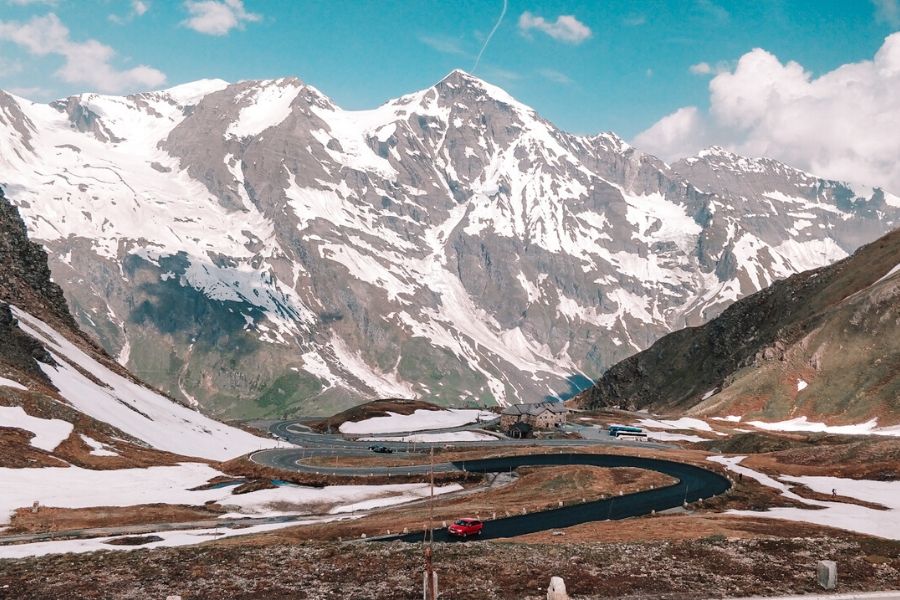
The Grossglockner High Alpine Road is one of the highest and most beautiful alpine roads in Austria and Europe, connecting Salzburg to Carinthia. It makes Austria’s highest mountain, the Grossglockner, and largest glacier, the Pasterze, easily accessible.
With 36 hairpin bends, the road winds through Hohe Tauern National Park. The Kaiser-Franz-Josefs-Höhe lookout offers incredible views of the Pasterze glacier. The road is closed in winter, with the best time to visit being spring, summer, or autumn. Visitors can see the fascinating Alpine wildlife during these seasons.
Built on ancient trails, this engineering masterpiece took five years and about 4,000 laborers to complete. Commissioned in 1935, it became a UNESCO World Heritage Site in 2016 for its cultural and historical significance.The 48-km road showcases the evolution of high mountain construction and early 20th-century tourism management
2. Historic City Centre of Graz
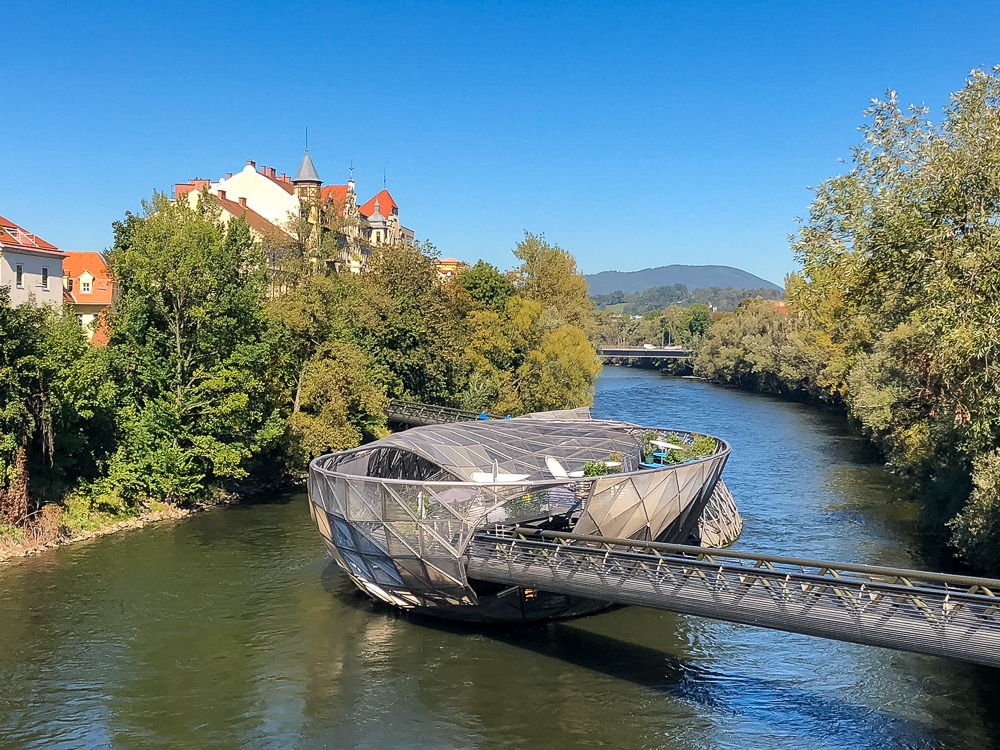
Graz, Austria’s second-largest city, is a must-see destination famous for its unique blend of architectural influences from the German-speaking world, the Balkans, and the Mediterranean.
The city’s historic centre showcases a harmonious mix of styles, from Gothic and Baroque to contemporary. In 1999, Graz’s historic city centre was designated a UNESCO World Heritage site, with the status extended in 2010 to include Schloss Eggenberg, an outstanding example of Baroque architecture. The city’s cultural significance was further recognized when it became a European Capital of Culture in 2003 and a UNESCO City of Design in 2011.
Graz is well known for several unique reasons. Its most notable citizen is native son Arnold Schwarzenegger and fans can visit a museum dedicated to his life and achievements. The WWII history is impressive and visitors can go inside the tunnels carved into the mountainside which protected residents from bombings during the war.
Lastly, Graz is also known for its impressive food scene, with renowned local chefs and culinary events dominating the world stage. Get to know the Austrian heritage by exploring the markets and restaurants in Graz.
3. Historic City Centre of Salzburg

As I stroll through Salzburg’s Altstadt, I’m immediately struck by its UNESCO World Heritage status, awarded in 1996 for its incredible baroque architecture and famous cultural heritage.
The city’s skyline, dominated by church spires and the imposing Hohensalzburg Fortress, tells a story of centuries-old grandeur. There’s no doubt about it, this is a romantic and elegant city. Walking along the cobblestone streets, I’m transported back in time. The Altstadt, spanning 236 hectares, is a testament to Salzburg’s role as a prince-archbishopric and its significance in the exchange between Italian and German cultures.
I admire the Salzburg Cathedral and the DomQuartier, before making my way to Mozartplatz, where I find the official UNESCO plaque.
The birthplace of Wolfgang Amadeus Mozart adds another layer to Salzburg’s cultural importance. As I explore Getreidegasse, with its wrought-iron shop signs, I can almost hear the echoes of classical music that have shaped this city’s identity.
The Mirabell Palace and Gardens offer a serene retreat to cap off my day in Salzburg. Truly, Salzburg’s Altstadt is a living museum, beautifully preserving centuries of history and culture, a city that is worth visiting.
4. Historic City Centre of Vienna
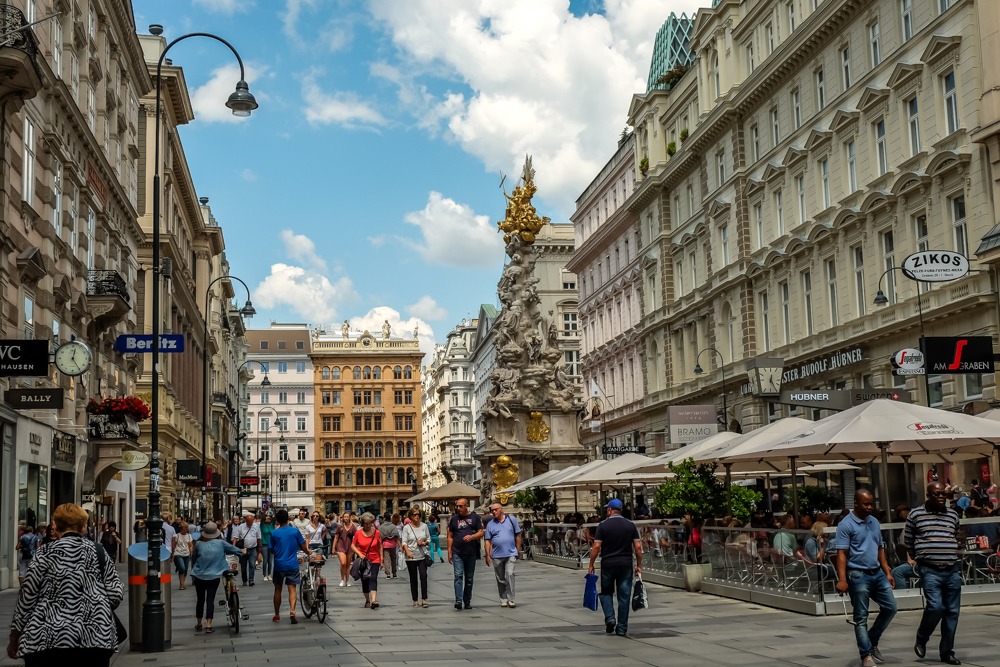
The historic center of Vienna, a UNESCO World Heritage Site since 2001, is a compact area packed with attractions of immense cultural and historical value. This site showcases three significant periods of European development:
- The Middle Ages, exemplified by the Gothic St. Stephen’s Cathedral
- The Baroque era, represented by palaces like the Hofburg
- The 19th century, evident in the splendid buildings along the Ringstrasse
Strolling through Vienna’s historic centre feels like stepping back into the Habsburg Empire’s golden age, with its grand cafes and rich cultural legacy that form integral parts of Viennese identity. The area is a perfect example of harmonious urban planning over centuries, demonstrating how different architectural styles can coexist beautifully5. The Ringstrasse, a magnificent 5km boulevard constructed between 1860 and 1910, encircles the city center and showcases numerous architectural masterpieces in various historical styles.
However, in 2017, the site was placed on the UNESCO endangered list due to a proposed project to build two modern skyscrapers that would potentially detract from the area’s historical character and visual integrity.
5. Palace and Gardens of Schönbrunn
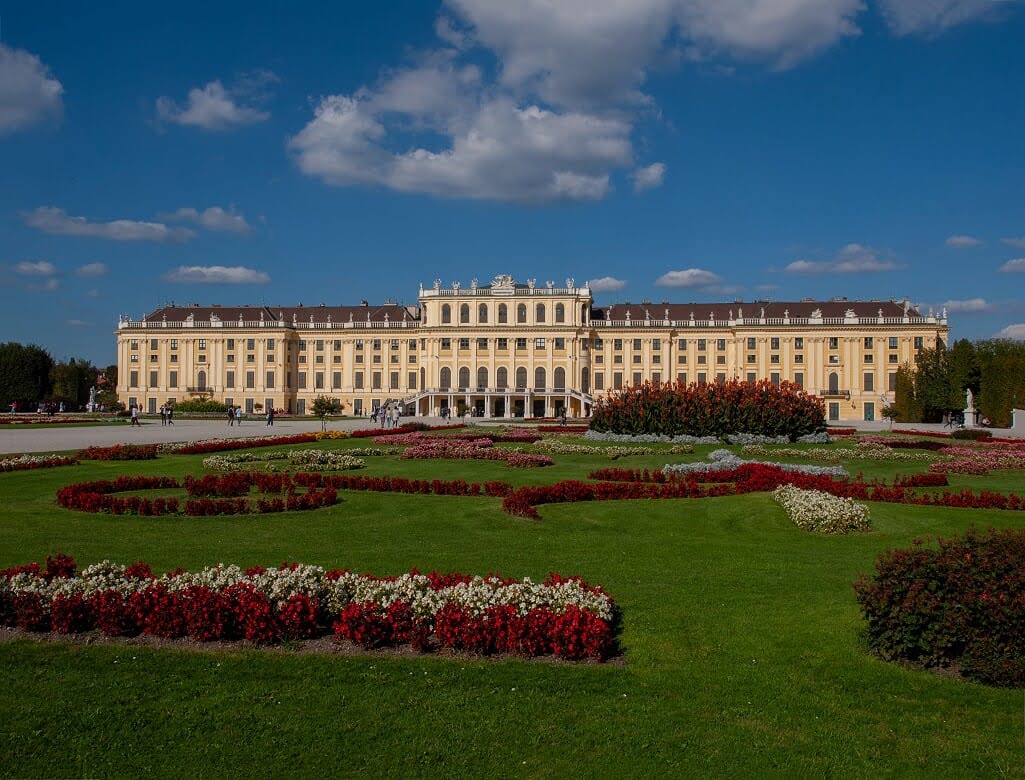
Schönbrunn Palace, meaning “beautiful spring,” is one of Austria’s most visited tourist attractions and a UNESCO World Cultural Heritage Site since 1996. This 1,441-room Baroque palace served as the summer residence of the Habsburg monarchs for over 300 years. The palace showcases the power and influence of the House of Habsburg through its impressive architecture, opulent furnishings, and extensive gardens.
You can explore the elaborate staterooms and guest apartments, offering a glimpse into the luxurious imperial lifestyle. Schönbrunn Palace Park, open to the public free of charge, features:
- Impressive fountains and statues
- The Gloriette, offering panoramic views of Austria
- The world’s oldest zoo, founded in 1752
Additional attractions within the park (requiring admission) include:
- Imperial Carriage Museum
- Crown Prince Garden
- Orangery Garden
- Maze & Labyrinth
- Palm House
- Desert Experience House
6. Salzkammergut Cultural Landscape
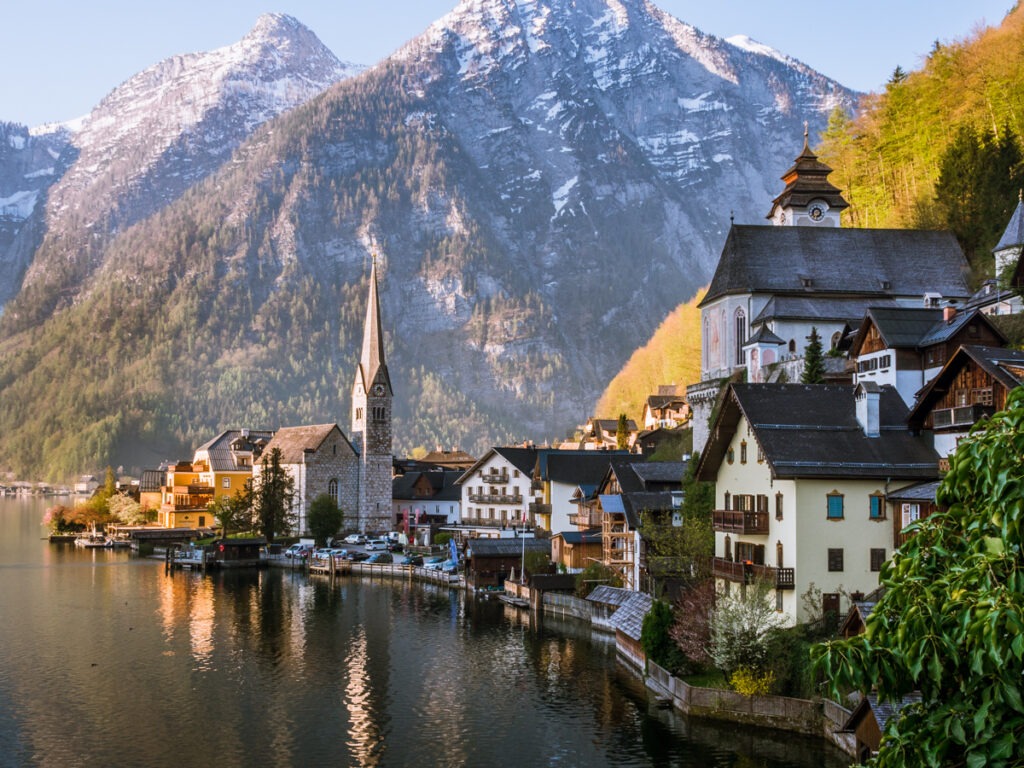
Pristine lakes, snow-capped peaks, charming chalets…it’s no wonder that tourists and locals alike flock to the Salzkammergut! And you can soak up stunning views of this area during a day trip to Hallstatt.
The Hallstatt-Dachstein/Salzkammergut region, a UNESCO World Heritage Site since 1997, attracts visitors with its pristine lakes, snow-capped peaks, and charming chalets. This alpine area has been inhabited for over 4,000 years, with a rich history shaped by ancient salt mining. Key attractions include:
- Hallstatt Skywalk: An observation deck 360 meters above the village, offering panoramic views of the lake and mountains. Accessible by foot or funicular.
- Salzbergwerk: Guided tours of the world’s oldest salt mine.
- Historic town center: Featuring medieval churches, pastel-hued facades, and a small waterfall.
- Lake activities: Rentable paddle boats for exploring Lake Hallstatt.
The region’s unique blend of natural beauty and cultural heritage makes it a must-visit destination in Austria.
7. Wachau Cultural Landscape
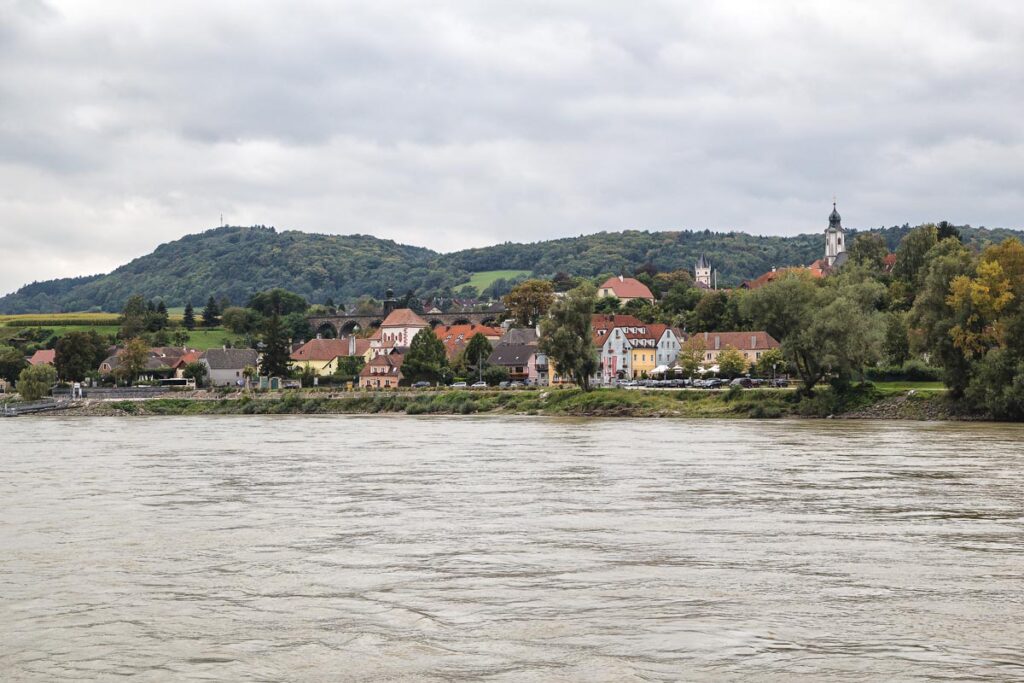
Austria’s Wachau Valley, a UNESCO World Heritage Site since 2000, stretches along the Danube River between Melk and Krems. This region is celebrated for its:
- Scenic landscape: Picturesque riverine scenery with terraced vineyards
- Cultural history: Preserved evidence of the area’s evolution over centuries
- Agricultural heritage: Vineyards and grape growers’ farmsteads dating back to the late Middle Ages
- Architectural beauty:
- Castle ruins overlooking the valley
- Small villages with 18th-century buildings
- Artistic monasteries
The valley’s most prominent attraction is Melk Abbey, a grand Baroque structure overlooking the Danube. Visitors can explore the area by bike or boat, experiencing the harmonious blend of natural beauty and cultural significance that earned its UNESCO status. The Wachau is considered a “continuing landscape”, where culture and landscape continue to influence each other, contributing to its ongoing development.
Final Thoughts
Visiting a UNESCO World Heritage site brings travellers to a country’s top attractions. It instantly gains international attention and recognition for its significance to culture, nature and history. I’ve written about other country’s UNESCO sites, you might be interested in:
- UNESCO sites in Belgium
- The list of Czech Republic Heritage sites
- UNESCO Heritage Sites in France
- Germany’s UNESCO sites
- Italy UNESCO Heritage Sites
- List of Heritage Sites in the Netherlands
Surprisingly, a city that does not get to claim the World Heritage Austria title is the beautiful city of Innsbruck. But don’t let that stop you from visiting this alpine town.
Perhaps read this next article on how I compare Salzburg and Innsbruck.