

When I think about Prague’s historic heart, I think of my stay in the area called Malá Strana, or the Lesser Town in Prague.
Tucked beneath the castle and shaped by centuries of quiet strength, this district feels softer than the Old Town and far more lived-in than the areas across the river.
I stayed here for a week and explored it, along with the other historical quarters in Prague, extensively.
My favourite time of day in Prague’s Lesser Town was the mornings. Light hits the Baroque rooftops. Charles Bridge was empty. It was calm and quaint.
If you’re looking for the area of Prague that is small, intimate, romantic and a slower way of travelling, this is where I’d begin.
This post may contain affiliate links, meaning I get a commission if you decide to purchase something through the links, at no additional cost to you. Read my Affiliate Disclosure.
What is Lesser Town in Prague?
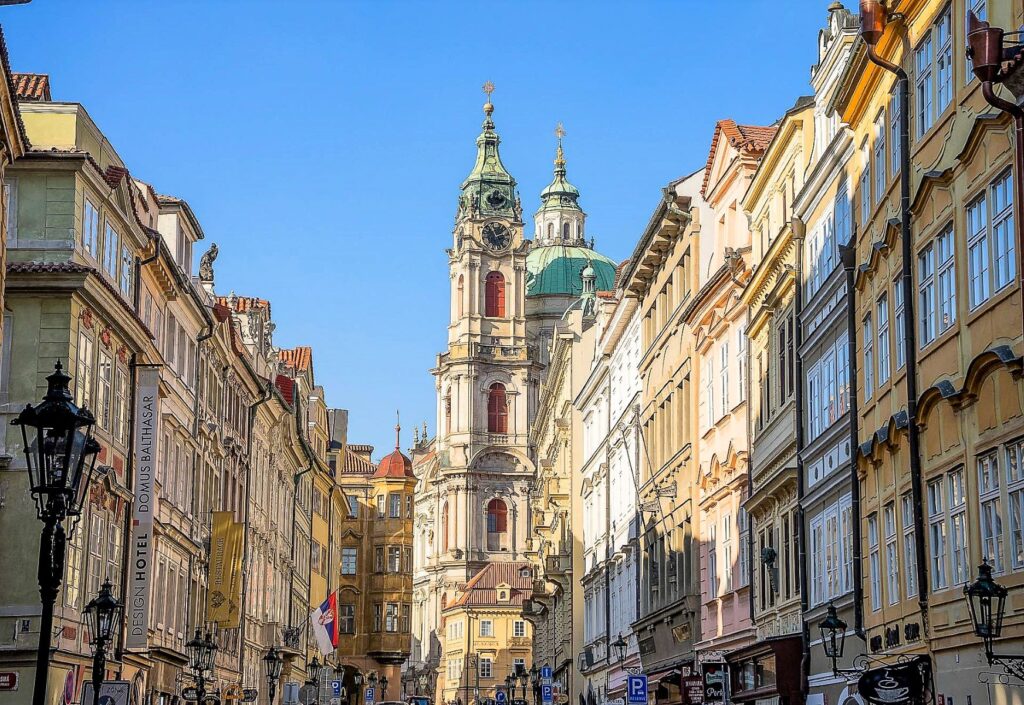
Prague’s historic center is made up of five distinct historical districts:
- Old Town (Staré Město)
- New Town (Nové Město)
- Jewish Quarter (Josefov)
- Castle District (Hradčany)
- Lesser Town (Malá Strana)
Each has its own personality, but Malá Strana stands apart.
It’s calmer than Old Town, older than New Town, and more intimate than the castle grounds above it. When I walk here, I feel the blend of noble history and everyday life in a way I don’t feel anywhere else in the city.
“Malá Strana” translates to “Little Side” or “Lesser Side,” referring to its position on the left bank of the Vltava River—opposite the larger and busier Old Town. Despite the name, nothing about it feels “less.”
The name simply reflects geography, not importance. You might even hear people refer to it as the Little Quarter, although locals still use Malá Strana.
Where Is the Lesser Town Prague Area?

The Little Quarter sits on the left bank of the Vltava River, tucked between the riverfront and the steep rise of Prague Castle.
You’ll find it directly across Charles Bridge, stretching from Kampa Island up toward the castle steps and the quiet streets of Hradčany.
Trams glide through its main square, but the heart of Malá Strana is best discovered on foot.
Why Lesser Town Is Worth Visiting
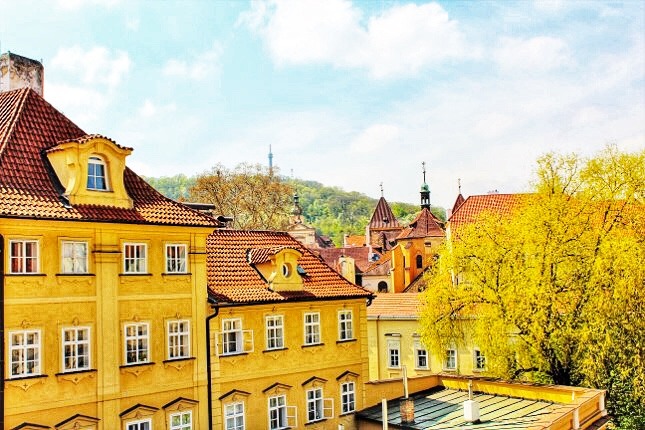
I often describe the Little Quarter or Lesser Town as the part of Prague where the city finally exhales. It’s calmer than Staré Město, less grand than Hradčany, and far more intimate than the busy areas across the river.
What draws me here is its mix of history, elegance, and everyday life.
Embassies sit beside family-run cafés. Baroque palaces open into hidden gardens. Narrow lanes curve into small squares where locals linger.
For slow travellers, this district offers what many hope to find in Prague but rarely do: space to wander without hurry. Space to sit, pause, and actually feel the city.
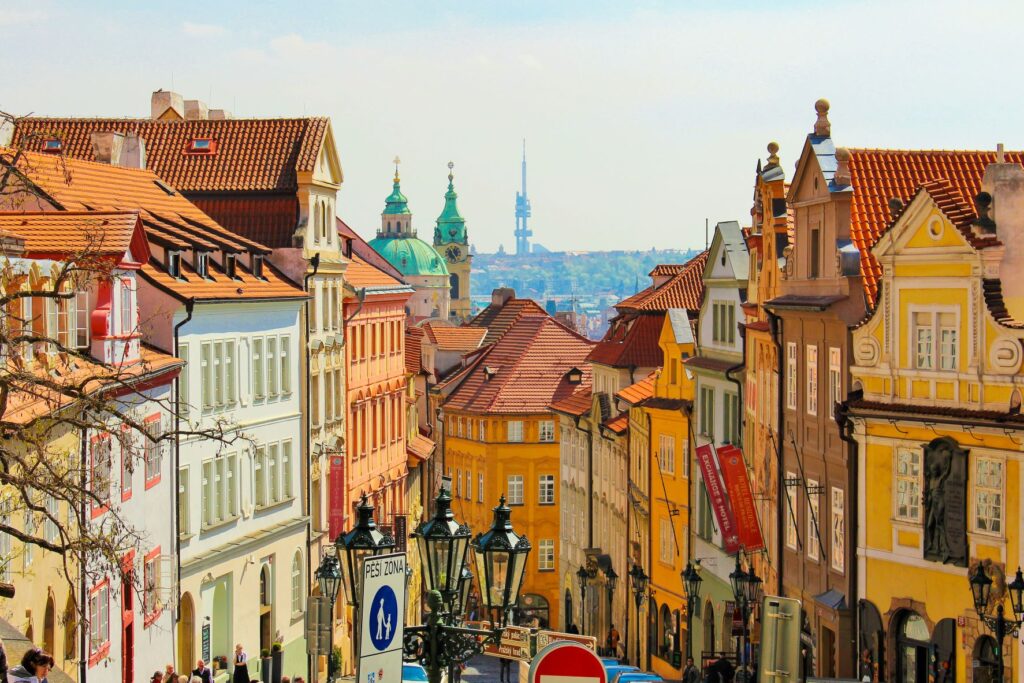
Malá Strana rewards curiosity. The more you explore its backstreets, the more it reveals—quiet courtyards, carved doorways, and rooftops glowing in the afternoon light. It’s exceptionally pretty by night, as most of the streets are lit by gas lanterns and the ambiance is very romantic.
It’s an area of Prague that most travellers ignore; they think of it only as the route to get to Prague’s UNESCO castle. So, it’s like a little secret in a very touristy city.
If you want beauty without the crowds, depth without the noise, and history you can feel simply by walking, this Quarter is where you’ll find it.
A Brief History of Malá Strana

Malá Strana began in the 13th century, founded in 1257 as a royal town under King Ottokar II. Its location—right beneath the castle—was intentional. Power lived on the hill, and those who served it lived below.
That’s why nobles, diplomats, and wealthy merchants settled here. They needed to be close to the court, yet separate from the crowded markets and guilds of the Old Town. Even today, the layout still hints at this early hierarchy: steep lanes leading to the castle, broad squares once used for gatherings, and quieter pockets where the elite built their homes.
Everything changed after the Great Fire of 1541, which destroyed much of the district. The rebuild that followed reshaped Malá Strana into the Baroque jewel we see now.
Wealthy families—many with deep political ties—funded grand palaces. The Jesuits added churches, complexes, and educational institutions that still dominate the skyline. Walking here, I’m always struck by how unified everything feels. It’s rare in a European city to find an area rebuilt almost all at once, in the same architectural language, and with such care.
Across wars, occupations, and shifting borders, Malá Strana survived with surprising grace. It remained a diplomatic center for centuries, home to embassies and government offices, which helped shield it from the heavy redevelopment seen elsewhere in the city.
Even during the 20th century—through monarchy, empire, republic, occupation, communism, and democracy—Malá Strana changed far less than the districts around it. And that’s why it still feels almost “untouched” today.
Things to Do in Lesser Town

This historical quarter begins as you cross through the Lesser Town Tower on Mostecka Street. This street is lined with shops filled with touristy trinkets, but keep exploring. These are the places that make Malá Strana stand out.
Walks and Places That Feel Slow and Local
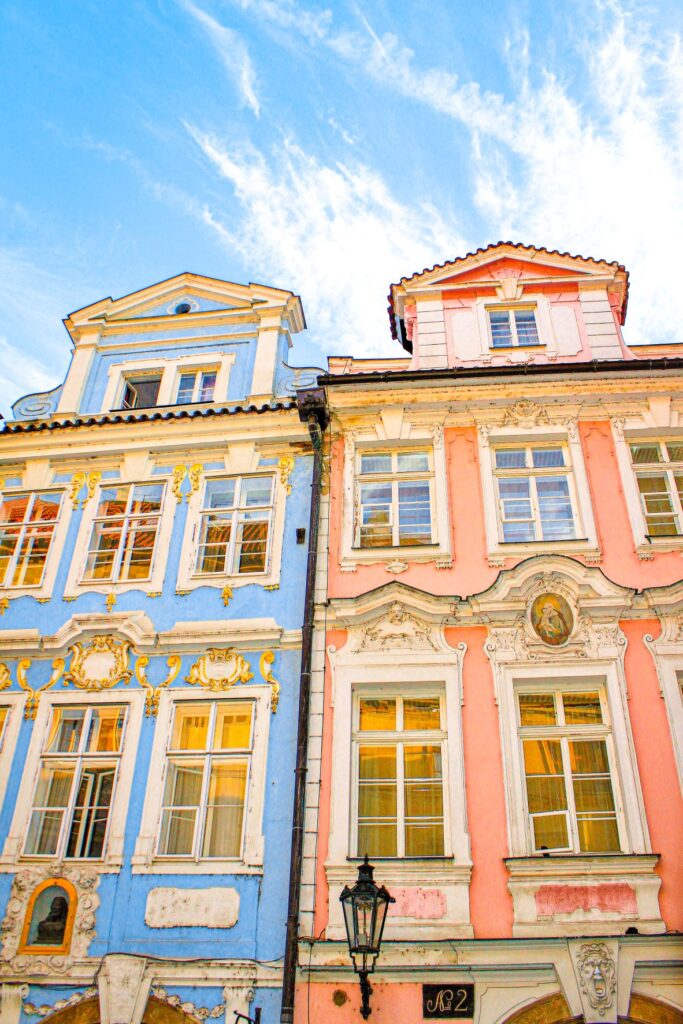
Nerudova Street
I like to walk Nerudova early in the morning, before the crowds climb toward the castle. The carved house signs above each doorway tell stories from a time before street numbers.
Most notable are the Red Eagle (number 6), Three Fiddles (number 12), the Golden Horseshoe (number 34), the Green Lobster (number 43), and the White Swan (number 49). The street was named after the famous Czech poet, Jan Neruda, who lived at number 47.
The Neighbourhood Lanes Around Újezd
Down near Újezd, the streets narrow and the atmosphere softens. Locals head to markets, trams glide past, and small cafés open slowly. I linger here. It’s where Malá Strana feels most lived-in.
Kampa Island’s Riverfront Calm
The river moves gently, boats glide by slowly, the trees frame the Charles Bridge, and I always find a quiet bench. It’s one of the few places in central Prague where time seems to slow on its own.
Historical Sights
St. Nicholas Church (Kostel sv. Mikuláše)
This is the Baroque heart of the district. The interior is grand, and you can almost imagine the famous composers, Johann Sebastian Bach and Wolfgang Amadeus Mozart, playing concerts here. When the afternoon light filters through the dome, it becomes almost serene.
John Lennon Wall
The wall changes with every visit—layers of paint, messages, and hope. Early morning is the best time to see it quietly, before the day fills it with sound and crowds swarm it for photos.
The Church of Our Lady Victorious
Home to the Infant Jesus of Prague. Inside, the atmosphere is surprisingly gentle. I always pause here for a moment of stillness.
Maltese Square
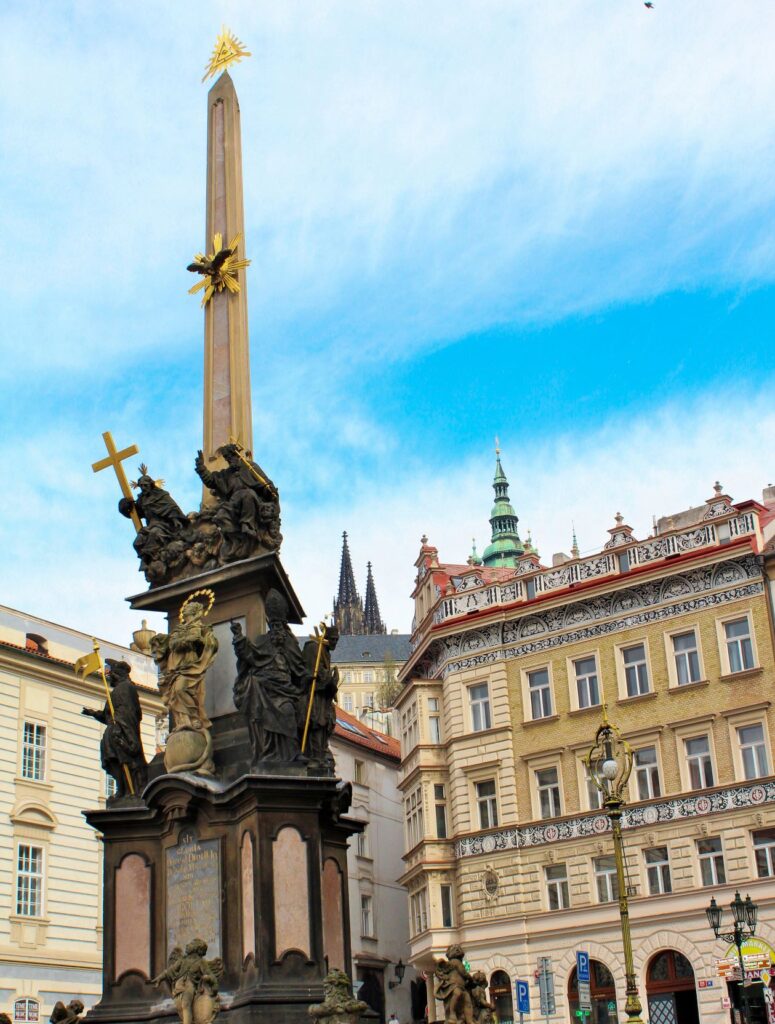
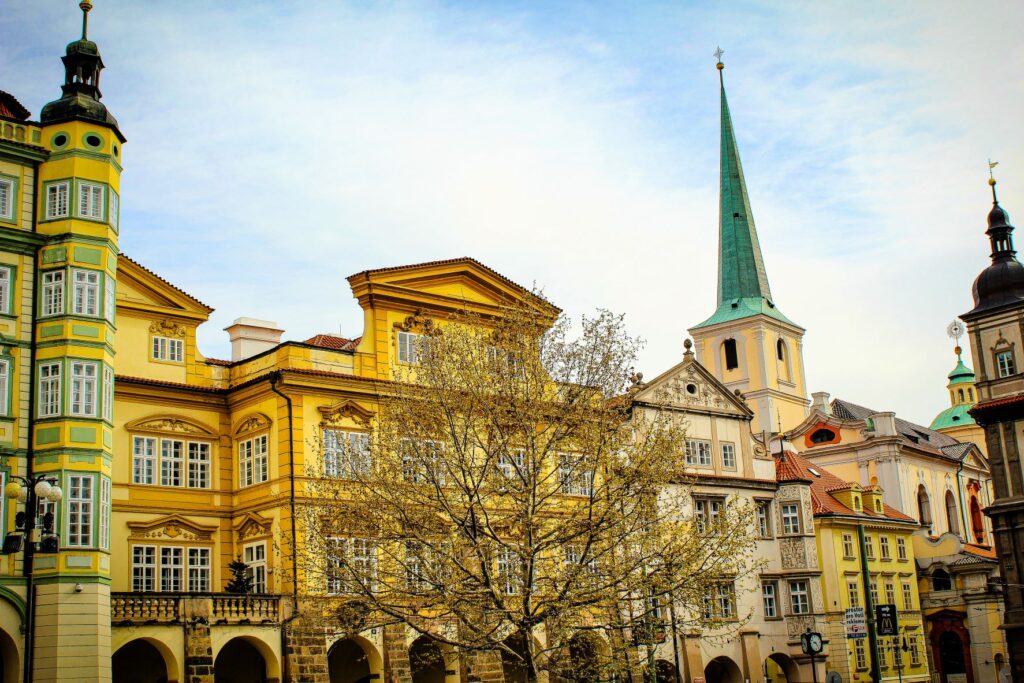
Named after the Knights of Malta, who once lived in the area in the 12th century. This square is lined with attractive Renaissance buildings, with a statue of John the Baptist and a Holy Trinity Column to mark the end of the plague in the 18th century, where so many locals lost their lives.
Cultural Stops & Small Museums
Kampa Museum
Set beside the river, the museum blends modern art with one of the prettiest locations in the district. Even the outdoor sculptures feel part of the landscape, yes, even those large Crawling Babies, created by David Cerny.
Museum of Alchemists and Magicians
A quirky, atmospheric stop. It offers a playful look into Prague’s old legends and the city’s long fascination with alchemy.
The Kafka Museum
If you include the Kampa area, this museum adds a darker, reflective layer to your visit. It’s thoughtfully designed and stays with you long after you leave.
The KGB Museum
An interesting museum that chronicles the timeline of communism in the Czech Republic, including artifacts like weapons, interrogation equipment, photographs, and propaganda posters.
Gardens & Viewpoints

Vrtba Garden
A terraced Baroque garden that feels almost hidden. When you climb to the top, the view over the rooftops is one of my favourites in Prague. Visit here in springtime, and the gardens will be exploding with blooms and the sweet fragrance of the lilacs.
Petřín Hill
I prefer the quiet footpaths that wind up the hill from Malá Strana. At the summit, the city opens up in every direction—wide, soft, and golden at sunset. The Petrin Tower is a copycat of the Eiffel Tower, created for the Jubilee Exhibition in 1891.
Wallenstein Palace & Gardens
A peaceful retreat tucked behind palace walls. The reflective pond, the peacocks, the sculpted spaces—everything here encourages you to slow down and stay awhile. If visiting during the summer months, you might be able to catch a free summer concert in the late afternoons on Thursdays.
Hidden & Unusual Corners

The Narrowest Street in Prague
Just off U Lužického semináře, you’ll find a passage so slim it needs its own pedestrian traffic light. The moment you step through, the city quiets. This tiny lane leads you down toward the Vltava River, where small cafés and tucked-away restaurants wait along the water. It’s quirky, unexpected, and one of those places that reminds me why wandering without a plan matters.
Devil’s Stream & the Last Watermills
Follow the narrow paths beside the canal known as Čertovka, or Devil’s Stream, and you’ll walk through one of the most charming corners of Malá Strana. Historically, watermills powered the surrounding homes, and today only two remain. Small stone bridges cross the canal, offering sweet glimpses of the old mill wheels turning slowly in the current. It’s a picturesque pocket of the district—quiet, romantic, and easy to miss unless you know where to look.
Final Thoughts
This was my favourite of the five historical quarters, and it’s best enjoyed slowly.
The true charm of Malá Strana lies in its quiet backstreets. I wander lanes that twist away from Nerudova or Újezd. Most travellers never see them. Here, courtyards, small squares, and hidden gardens reveal a side of Prague that feels timeless and less touristy.
A must is early mornings on Charles Bridge.
For dining spots, seek out the ones not near the main squares or bridges, but tucked down side streets.
For the fullest experience, I recommend staying right here in the Little Quarter. Wake up to the quiet streets, stroll to the river before the city stirs, and let quiet nights be where you enjoy a late dinner.


