Porto is undeniably scenic, especially as you look across the Douro River to the historic centre built on a hillside. It’s the kind of city that grows on you. Little by little as you explore on foot through the alley-woven streets.
Spending 3 days in Porto is ideal. On my last visit, I walked along the Douro River, sipping vinho verde, and getting lost in its tiled streets. It’s a city that doesn’t demand you rush—perfect for slow travellers like me who prefer to take it all in at an unhurried pace.
Porto is one of those cities that lingers in your mind long after you’ve left.
Whether it’s your first time or a return trip, three days is just enough to get a feel for Porto’s charm. Here’s how I spent my time and what I’d recommend for a memorable visit.
This post may contain affiliate links, meaning I get a commission if you decide to purchase something through the links, at no additional cost to you. Read my Affiliate Disclosure.
Overview of Your 3 Day Porto Itinerary
| Day 1 | Day 2 | Day 3 |
|---|---|---|
| Morning: Walking tour | Morning: Porto Cathedral, Ribeira Promenade | Morning: Group guided tour of Douro Valley |
| Afternoon: Clerigos Tower, Livraria Lello, Churches, Sao Bento Station, Bolsa Palace | Afternoon: Dom Luis I Bridge, World of Wine, Wine Tasting | Afternoon: Group guided tour of Douro Valley |
| Evening: Dinner + Miradouro da Vitoria viewpoint | Evening: Dinner + Jardin do Morro sunset watching | Evening: Dinner + Sunset watching at Crystal Palace |
Tips: Visit Porto in 3 Days
- Book Ahead in Peak Season – Summer is busy, so reserve tickets for attractions and restaurants in advance. Shoulder seasons are less crowded, but popular spots still fill up and you can expect lines, therefore to maximize your 3-day Porto itinerary I highly recommend booking in advance.
- Slow Travel Tip – Porto is best experienced at a relaxed pace. Wander Ribeira, pause at cafés, and avoid rushing between sights.
- Stay in Porto, Not Gaia – Gaia is great for wine, but Porto offers better access to historic sites, dining, and nightlife. You’ll appreciate being on that side of the river.

Day 1: Exploring Porto’s Historic Heart

Morning: Walking Tour of the Historic Center
I like to start in a new city with a walking tour—it helps me get my bearings, uncovers stories I might otherwise miss, and gives me some ideas about what to return to after the tour.
Porto’s historic center is compact, making it ideal to explore on foot. Whether you choose a self-guided stroll or a local-led history tour, there’s no better way to take in the azulejo-covered facades, winding streets, and hidden corners of the city.
I recommend:
- Free walking tours with GuruWalk (pay want you want). If you’ve not heard of them before and are curious about how they work, you can read about my experience
- 3-hour historic walking tour with Get Your Guide
- 3-hour historic walking tour with Viator
Ask your guide as they end the tour their recommendation for lunch.
Afternoon: Landmarks and Stunning Churches
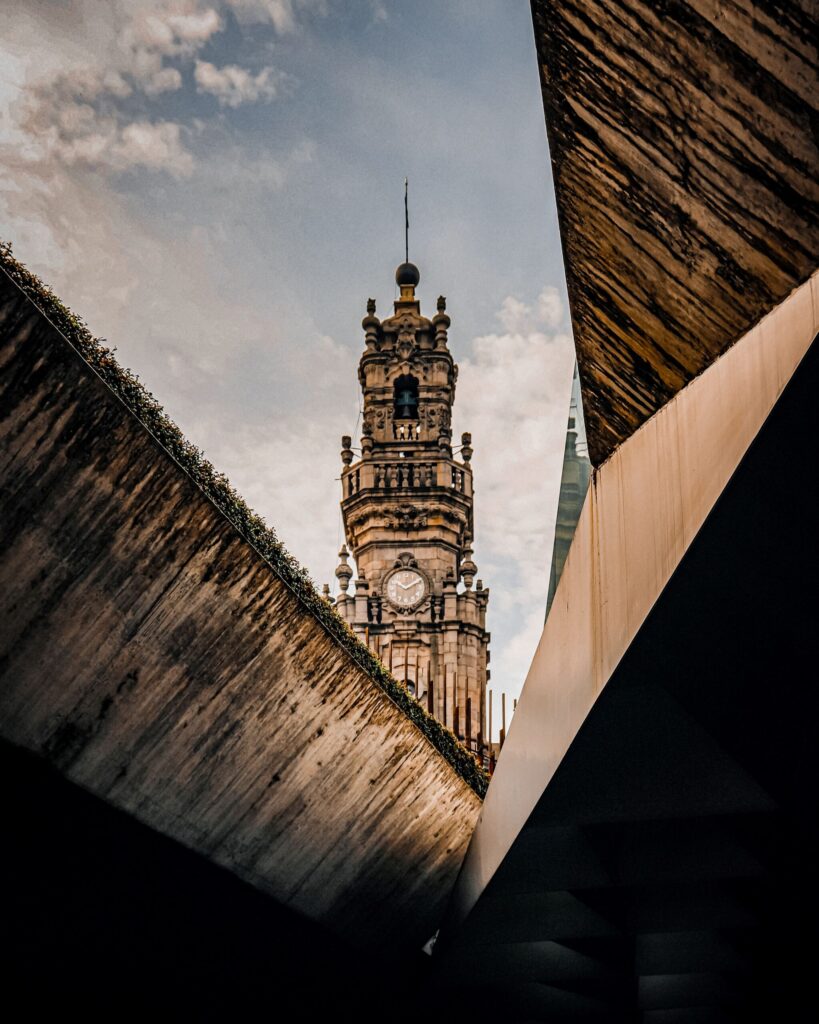
After lunch, I recommend you make your way to Clérigos Tower and Church, one of Porto’s most recognizable sights. Climbing the 225 steps to the top of the baroque bell tower is worth it for the panoramic views of the city’s rooftops and the Douro River stretching out in the distance.
From there, walk to Livraria Lello, the famous bookshop that’s just as beautiful as people say. The stained-glass ceiling, spiral staircase, and wooden bookshelves make it feel more like a museum than a store. It can be crowded, so I’d suggest buying a ticket in advance. I purchased a book and the entrance fee goes toward the purchase.

Porto is full of beautiful churches, and I spent the afternoon visiting a few, but depending on your pace and time of year visiting, you likely will not have time to see them all. Here are the most striking ones, choose a couple to visit:
- The Dual Churches of Carmelitas and Carmo stand side by side, divided by what’s supposedly Portugal’s narrowest house. One side is simple, the other grand, both worth stepping inside.
- Church of Saint Ildefonso, with its striking blue-tiled facade and dual bell towers
- Chapel of Souls, which is completely covered in blue and white azulejos, my guide told me there were over 16,000 tiles
- Saint Francis Church, is known for its dramatic gilded woodwork inside, and the only church that is not free to enter. However, ask any local what is the one church to visit, they will say Igreja de São Francisco.
When you are near the São Bento Train Station, be sure to step inside to admire the inside—its walls are covered with 20,000 blue-and-white azulejo tiles depicting moments from Portugal’s history.
Before dinner, I visited Bolsa Palace, a former stock exchange that now feels more like a royal palace. The highlight for me was the Arabian Room, with its intricate gold details and Moorish-inspired design—a completely unexpected find in Porto.
Evening: Dinner and Sunset Views
After a full day of walking, I was ready to sit down for a long, relaxed meal. I have a couple of recommendations for you: Ode or Casario. Or if you want to find your own place to eat walk along Rua das Flores, one of the oldest streets lined with cafes, restaurants and shops, two places I ate at are Traça and Catina 32.
To end the night, I walked to Miradouro da Vitória, a quiet viewpoint in the old Jewish Quarter with an open view over the Douro River, Vila Nova de Gaia, and the rooftops of Porto. It’s not the most polished miradouro, but that’s part of its charm.
Day 2 – Exploring Vila Nova de Gaia
Morning: Porto Cathedral & Ribeira Promenade
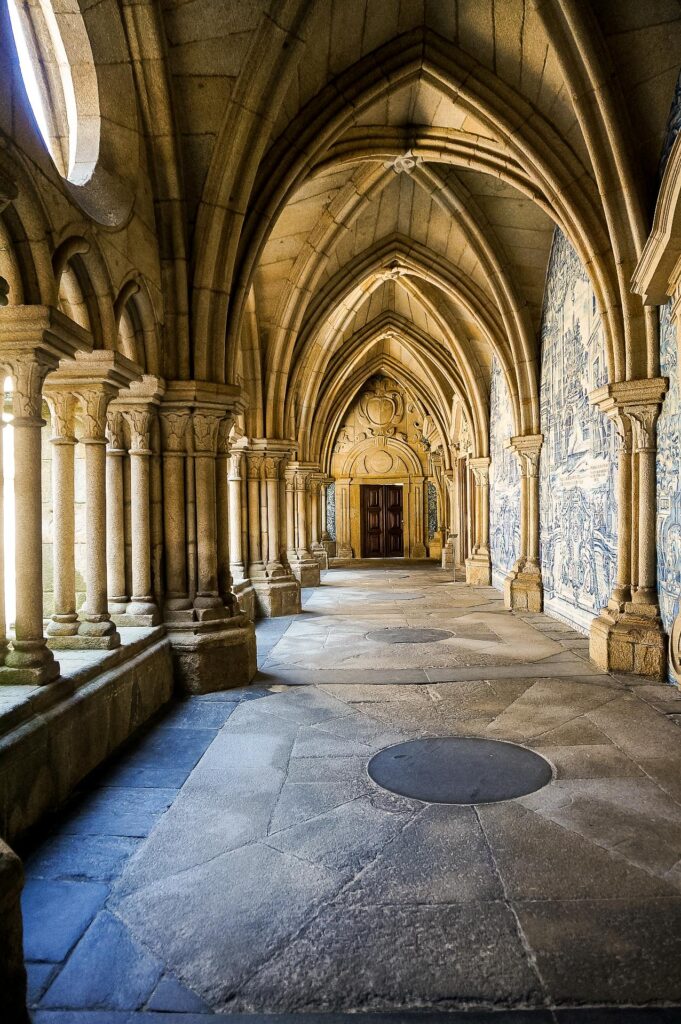
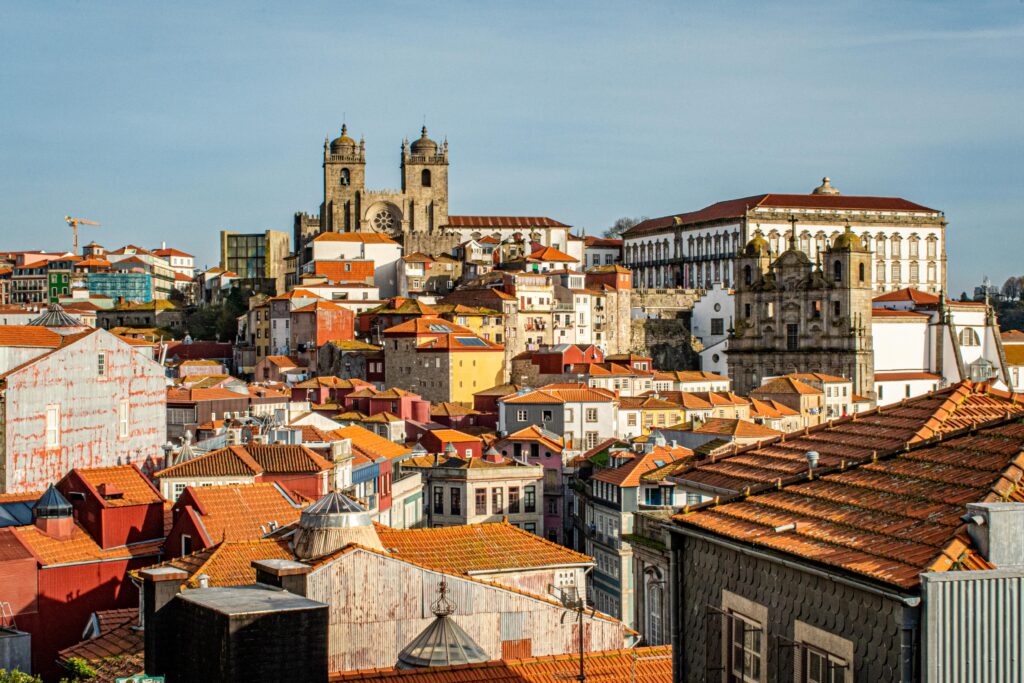
I started my second day in Porto at Sé do Porto, the city’s cathedral. Perched on a hill, it has a fortress-like exterior, but the real beauty is in the details—the Gothic cloisters lined with blue-and-white azulejos and the panoramic terrace with sweeping views of Porto’s rooftops. I took my time wandering through, letting the stillness of the space sink in before heading back into the lively streets.
From there, I made my way down to the Ribeira Promenade, Porto’s most picturesque riverside neighbourhood. With its colourful, slightly weathered buildings, laundry hanging from balconies, and boats bobbing in the Douro, Ribeira feels like a postcard coming to life. I walked along the waterfront, stopped for a tea and pastel de nata, and watched the slow rhythm of the river—one of those simple travel moments that stays with you.
If you visit here in the afternoon and evening, it is a much different vibe. It’s one full of energy and people. It’s filled with traditional taverns serving Porto classics like Francesinha—a sandwich filled with a mixture of meats including ham, steak, and pork, topped with a fried egg, and melted cheese.
Sure, it’s a bit touristy. But don’t let that deter you from exploring it.
Afternoon: Dom Luís I Bridge, World of Wine & Wine Tasting
Crossing the Dom Luís I Bridge is a must in Porto. This double-deck metal bridge, designed by a student of Gustave Eiffel, connects Porto with Vila Nova de Gaia. I walked across the lower level first, taking in the view of the colourful houses stacked along the riverbank.
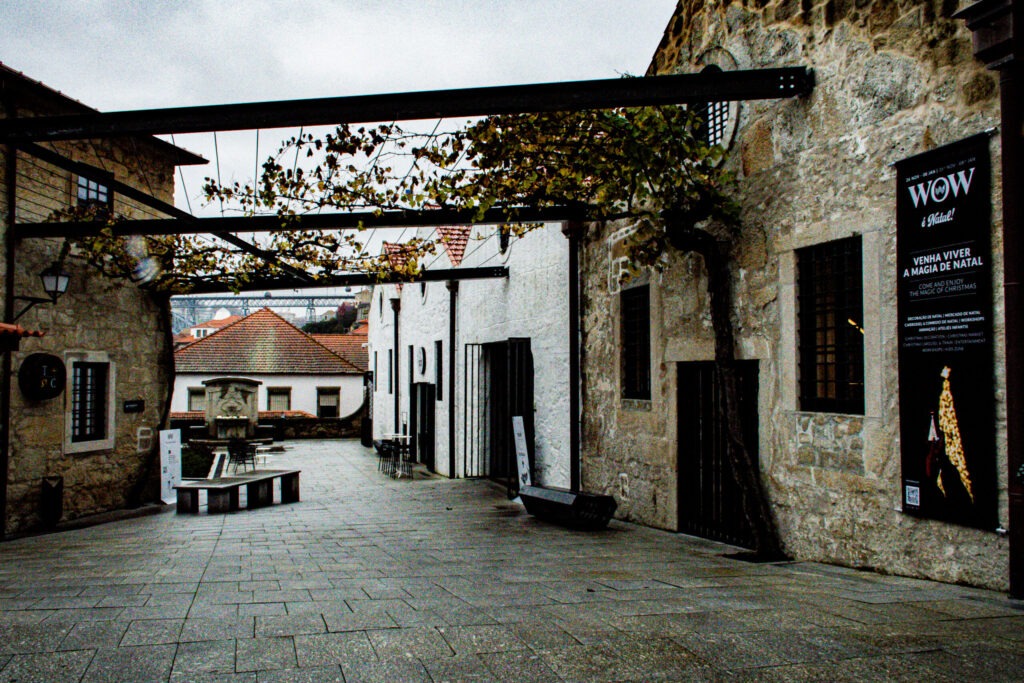
On the other side of the river, I visited the World of Wine (WOW), a cultural district dedicated to all things Portuguese food, wine, history, and craftsmanship. There are multiple museums, but I chose one focused on the history of Portuguese wine production, which gave me great context before heading to a tasting.
No visit to Porto is complete without a proper Port wine tasting. Vila Nova de Gaia is home to famous wine cellars like Graham’s, Taylor’s, and Sandeman, each offering guided tastings and cellar tours. I chose a tasting flight that included tawny, ruby, and white port, letting the flavours unfold as I sat back and enjoyed the slower pace of the afternoon.
Pre-booking or a reservation is required to experience this, so I recommend these three options:
- Cálem Cellar: the tour includes a wine tasting of a white port and a Special Reserve Tawny port while listening to a live Fado music show
- Burmester Cellar Tour: a tour includes 2-3 wine tastings, plus chocolate pairing
- Fonseca Port Wine Cellars: this tour includes a tasting of signature Bin 27 port wine
Evening: Dinner & Sunset at Jardim do Morro
For dinner, I stayed on the Gaia side, where you can find plenty of riverside restaurants, or I returned to WOW and chose from one of the many restaurants. 1828 was my choice, although my husband was tempted to try the “best pizza in Porto” at PIP, but it was a bit too family-oriented for our dinner experience. Root & Vine is also a great option, it’s an all-vegetarian menu, and I dined there for lunch during our 5 days in Porto.
Afterward, I made my way up to Jardim do Morro, a hilltop park just across the bridge, to watch the sunset. As the sky turned orange and pink over Porto’s skyline, I sat on the grass alongside locals and travellers, taking in the moment. There’s something about ending the day with a view like this that makes a city feel even more special.
Two days in, and Porto was already winning me over.
Day 3 – A Day in the Douro Valley

Morning & Afternoon: Douro Valley Wine Tour
You can’t visit Porto without exploring Douro Valley—it’s a must! The rolling hills of the Douro Valley’s renowned wine region are incredibly scenic. Joining a small group tour made the experience effortless—I could just sit back, enjoy the scenery, and let someone else handle the logistics.
The day was a perfect mix of vineyard visits, wine tastings, and slow drives through terraced hills that have been producing wine for centuries. Between sips of rich reds and smooth ports, I learned about the region’s winemaking traditions, enjoyed a leisurely lunch, and even took a boat ride along the Douro River.
If you have the time, this trip is well worth it, read about my full Douro Valley experience.
Evening: Dinner & Sunset at Crystal Palace Gardens
Back in Porto, I ended my trip with a late dinner at Antiqvvm near where I was staying. It’s a bit of a splurge, but as your last night, it will be well worth it.
For my final sunset, I walked from the restaurant to Palácio de Cristal Gardens, a beautiful green space with some of the best panoramic views in Porto. As the sun dipped behind the hills, casting a golden glow over the river, I took a deep breath, letting the past three days in Porto settle in. It had been everything I hoped for—unhurried, welcoming, and full of moments I wanted to hold onto just a little longer.
Final Thoughts
Porto is no longer Portugal’s quiet second city—it’s becoming one of Europe’s most sought-after destinations. And it’s easy to see why once you’ve experienced it for yourself.
If you are planning a trip to Portugal and want even more inspiration, visit my Experience Portugal page that has a full listing of articles.