Rome is not an easy city to choose a place to stay—and that’s exactly why this matters.
If you’re searching for where to stay in Rome, you’re not looking for a generic list. You’re trying to avoid the wrong neighbourhood, the wrong street, the wrong kind of experience.
I’ve visited Rome many times over the past decade, staying for days and weeks at a time. I’ve made good choices. I’ve made frustrating ones. I’ve learned that where you stay in Rome shapes how the city feels to you.
That’s why I want to share my experience—grounded in return visits, slow travel, and lived experience. I’ll walk you through Rome’s neighbourhoods honestly, with trade-offs, context, and clarity—so you can choose a base that supports how you want to experience the city.
This post may contain affiliate links, meaning I get a commission if you decide to purchase something through the links, at no additional cost to you. Read my Affiliate Disclosure.
Before You Choose Where to Stay in Rome, Ask Yourself This
Before looking at neighbourhood names or hotel photos, pause.
Rome rewards clarity. It punishes assumptions.
Start here.
- How many days are you staying?
A short stay demands the right location. A longer one allows for flexibility. - Is this your first visit, or a return?
First-time Rome is about orientation. Returning to Rome is about choosing a new (or favourite area). - Do you want to walk everywhere—or live a few streets back?
Central streets are efficient. Side streets are quieter. You rarely get both. - Can you tolerate crowds outside your door?
In Rome, crowds don’t disappear at night. They shift. It’s important to know the areas in Rome that never sleep. - Hotel or vacation rental?
One offers ease. The other offers a sense of living. - How do you like to spend your evenings?
Quiet dinners. Long walks. Aperitivo nearby. Or early nights.
These are the questions that now guide every Rome stay I plan—especially for clients. I start by taking the budget out of the equation and asking one thing instead: what do you value most from your stay?
The right neighbourhood usually reveals itself from there.

A Truth About Staying in Rome (That Most Guides Skip)
Rome is not an easy city when it comes to accommodation.
And anyone who tells you otherwise hasn’t stayed long enough.
Value is inconsistent. Prices are high. Quality varies wildly. Two places on the same street can feel like different cities entirely.
Design-forward spaces do exist—but you have to look for them. Really look. Rome is traditional by nature. That’s part of its charm. It’s also part of the challenge if you care about light, layout, and quiet.
And more than almost any city I know, location matters here. A few streets can change everything—noise, crowds, walkability, even how your mornings begin.
Where you stay in Rome doesn’t just determine where you sleep.
It shapes your pace. Your patience. Your relationship with the city.
Get it right, and Rome feels good.
Get it wrong, and even the most beautiful days feel heavy.

Rome Neighbourhoods: How to Choose the Right Base
Over time, I’ve learned that staying “central” means very different things depending on the street, the hour, and how you like to travel. These are the neighbourhoods I return to—not because they are perfect, but because they support how you move through the city, not just what you see.
Centro Storico – For First-Timers and Short Stays (1–2 Nights)

Centro Storico makes sense when time is limited. For first-time visitors or very short stays, there is comfort in stepping outside and immediately recognizing where you are. The Pantheon, Piazza Navona, and the Trevi Fountain are all within walking distance, and that proximity removes friction from an already overwhelming city.
What I appreciate most here are the margins of the day. Early mornings, when delivery trucks hum and streets are still quiet. Late evenings, when the crowds thin and the city softens again. In those hours, Centro Storico can feel almost intimate.
From Personal Experience:
The trade-offs are real. Prices are high. Noise is constant. Crowds never fully disappear. I still choose this area for one- or two-night stays, but only with the intention of staying on quieter side streets, in upper-floor apartments or well-insulated hotels that allow me to retreat when needed.
Campo de’ Fiori & The Jewish Quarter – Central, Lived-In, Grounded

These two neighbourhoods sit at the heart of Rome without feeling like they exist solely for visitors. They are central, yes—but they still follow a local feel. Mornings begin early. Lunch is unhurried. Evenings unfold slowly.
Campo de’ Fiori is best experienced during the day. The market brings movement and energy that is infectious. Nearby streets feel real, and not simply staged for us visitors.
The Jewish Quarter is quieter, more contained, and deeply rooted in Rome’s culinary and cultural history. Food here is not a trend; it’s tradition.
My Personal Take:
I love staying in this area for the ease it offers without the constant performance of more touristed streets. Long lunches and dinners happen naturally. Evening walks feel calm but alive. You are close to the Tiber River. This suits travellers who want to feel part of the city rather than pass through it. Those seeking nightlife or silence may find it less comfortable.
Trastevere – Romantic, Lively, and Often Misunderstood
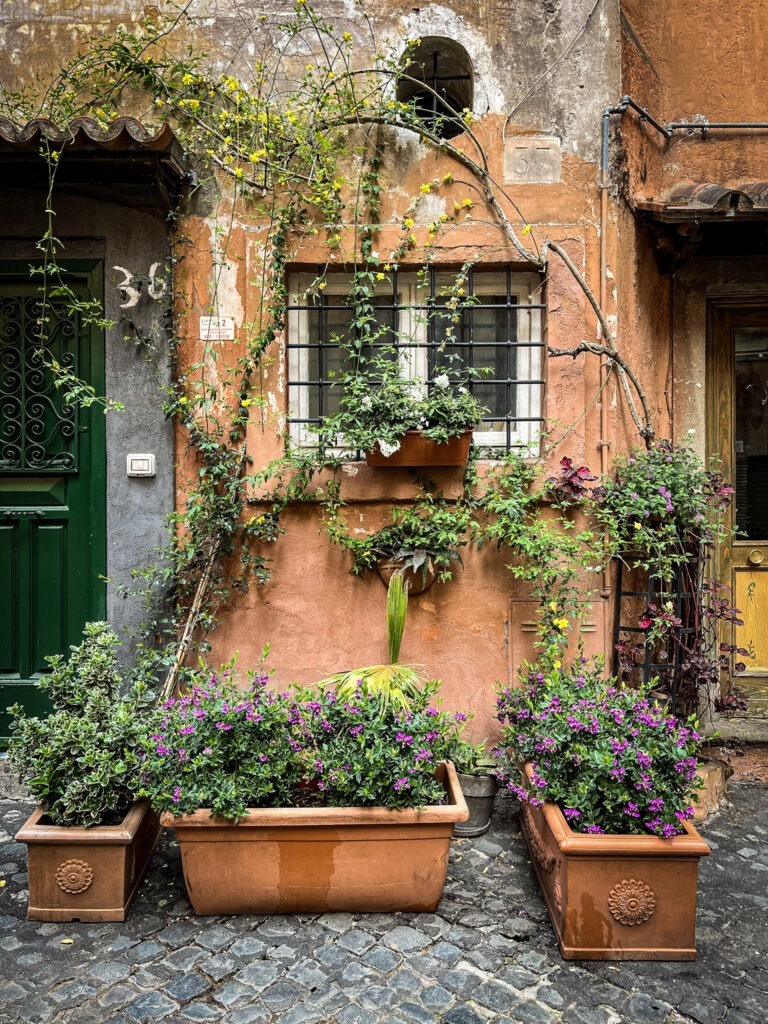
Trastevere is often described as charming, and it is, but charm comes with consequences. This is a neighbourhood with a strong identity, a loyal local population, and an undeniable pull in the evenings. Streets fill quickly. Restaurants get busy. The energy is contagious.
What’s less often discussed is how that energy carries into the night and spills into the early morning. Noise is unavoidable. Cleanup happens late. Trastevere is not a neighbourhood that rests easily.
My Personal Take:
I find it works best along its edges—closer to the river, or tucked into quieter pockets where the pace is gentler. For travellers who value atmosphere and don’t mind a bit of chaos, it can be deeply enjoyable. For those seeking rest, it requires careful placement.
Monti – Creative, Walkable, and Evolving

Monti has changed noticeably over the past decade. Once quietly local, it has grown into one of Rome’s more creative neighbourhoods, drawing independent shops, cafés, and a younger crowd. It’s budget-friendly too.
Its proximity to the main train station and the Colosseum makes it appealing, especially for travellers who want to stay central without being surrounded by Rome’s iconic sights.
From Personal Experience:
What I appreciate about Monti is its walkability and scale. It’s easy to navigate, easy to settle into, and offers enough separation from the busiest corridors of the city.
It works particularly well for return visitors—those who already know Rome’s landmarks and want a neighbourhood that feels current, curious, and lived-in.
Testaccio – For Food Lovers and Repeat Visitors
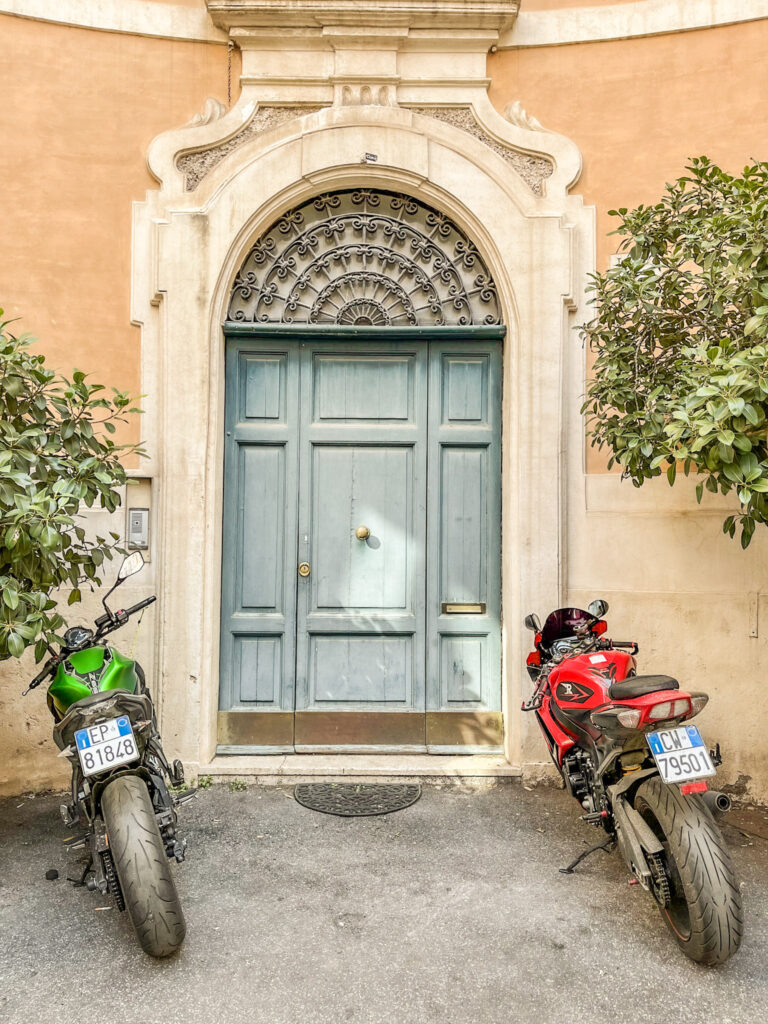
Testaccio is not a neighbourhood for first-time visitors based on its location to the historic centre. This is where Rome’s food culture lives day to day, where markets, trattorias, and routine define the experience. Locals come to dine here.
Staying here means stepping outside the tourist bubble entirely. You’ll eat well without searching, and it makes it convenient for those late-night dining experiences that are close to your accommodations.
My Travel Take:
I recommend Testaccio for slower travellers, longer stays, and anyone comfortable navigating a city without visual cues or obvious highlights. It’s typically not a polished part of Rome, but it’s deeply rewarding. If you’re looking to live Rome, not visit it, Testaccio makes sense.
Borgo – Quiet, Intimate, and Surprisingly Central

Borgo sits in the shadow of the Vatican, yet feels removed from its intensity. During the day, the streets absorb the flow of visitors. In the evenings, they empty. What remains is a calm, almost residential pocket of the city. It has a very villagey feel.
From Personal Experience:
Borgo is often overlooked. It shouldn’t be. I’m drawn to Borgo for its quiet nights and beautiful walks along the river. It suits early risers, travellers who value stillness, and anyone who wants proximity without immersion. It’s understated, but that’s exactly its appeal.
The Neighbourhoods That I Don’t Recommend (And Why)

There are parts of Rome I’m careful about recommending—not because they’re without merit, but because they’re often suggested for the wrong reasons.
Esquilino (Particularly around Termini Train Station)
This is where many tour groups and booking sites funnel travellers who want convenience or chain hotels near the train station. On paper, it makes sense.
The area attracts budget and young travellers, but many streets feel rough and neglected, with visible garbage and little sense of care.
It’s removed from Rome’s historic core, and for female solo travellers especially, it can feel uncomfortable at all times of the day, but especially at night.
It’s affordable, yes—but gritty, disconnected, and not how I would want someone to experience Rome for the first time.
Prati

The Prati neighbourhood is the exact opposite. It’s elegant, orderly, and beautiful in its own right, with wide boulevards and refined architecture. It’s also expensive and notably removed from historic Rome.
I wouldn’t recommend staying here on a first visit or short trip. That said, for return visitors staying a week or longer—those who don’t mind walking or using transit—it can be a lovely base.
I often spend long afternoons here, and it’s an area I love to visit, and plan to stay in myself on a future trip. The key is timing and intention.
In Rome, a “good” neighbourhood is never universal. Context matters more than convenience.
What I Would Not Do When Choosing Where in Rome to Stay
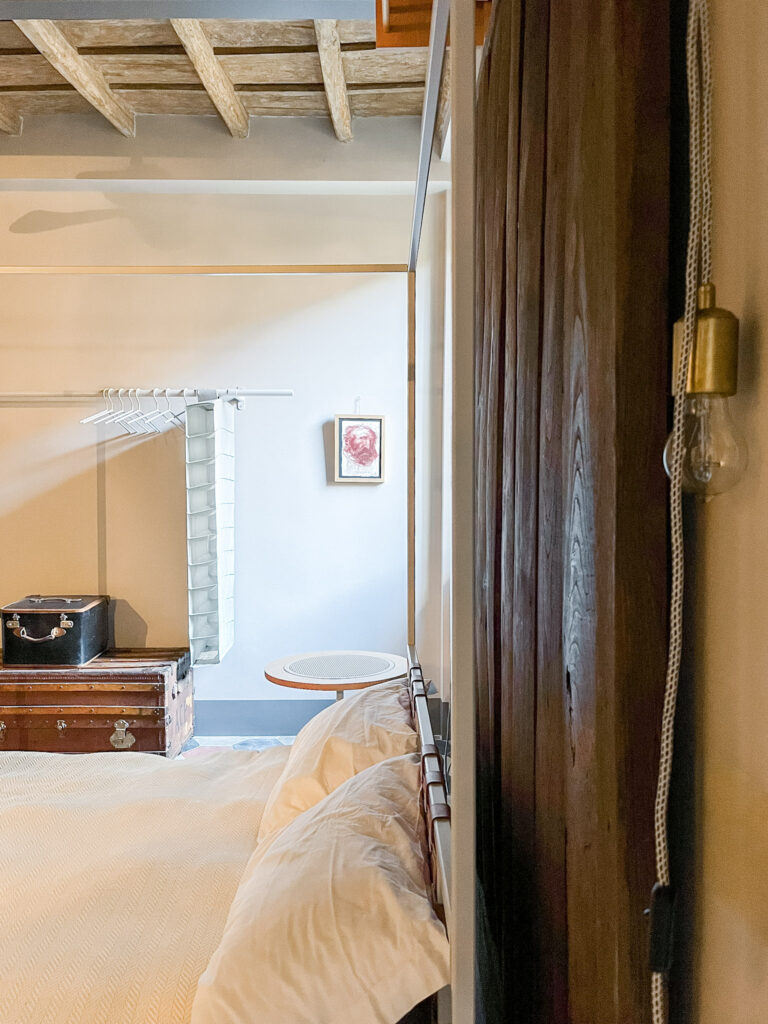
I’ve learned these lessons the hard way.
I would not chase “best value” at the expense of location. A cheaper stay in Rome is that way for a reason. A constant feeling of being removed from the city you came to experience. An inability to relax at the end of a long day.
I would not book near landmarks without researching the exact street. Proximity does not equal quality. Some of the most exhausting stays I’ve had were just steps from famous sites, where crowds never thin and noise carries late into the night.
I would not ignore street-level noise. Rome is lively, but there’s a difference between atmosphere and disruption. Bars below your window. Scooters at all hours. Late-night voices echoing off stone. It adds up.
And I would not book too late and settle. Waiting to book often means choosing from what’s left, not what’s right.
The Bottom Line: Where to Stay in Rome
There is no perfect neighbourhood in Rome. Every area comes with trade-offs—noise or distance, cost or convenience, beauty or calm. What matters is choosing a place that supports how you want to move through the city, not just where you want to sleep.
The right choice depends on your pace, your tolerance for crowds, and the kind of days you want to have. Rome rewards intention. When you stay somewhere that aligns with your travel style, the city feels lighter. More generous. Easier to love.
If you’d like help planning a Rome trip that reflects how you travel—or want personalized accommodation recommendations based on experience—I offer thoughtful trip planning support. It’s grounded in return visits.
Sometimes the difference between a good trip and a memorable one is simply choosing the right place to begin.