

Is Rome worth visiting? My answer is yes—but it depends on how you go about it.
Rome is a city of contradictions: ancient history and overflowing crowds, quiet piazzas and streets packed with tourists.
I’ve visited several times over the past decade, and each trip has taught me something new about the city—and about myself as a traveller.
Rome rewards those who slow down, wander without a schedule, and notice the small, everyday moments that bring the city to life.
It can also frustrate if you expect to see it all in a day or chase only the highlights.
I want to share why Rome is worth a visit, and also why it sometimes wears me down, and how to decide if a visit is right for you.
This post may contain affiliate links, meaning I get a commission if you decide to purchase something through the links, at no additional cost to you. Read my Affiliate Disclosure.
Why I Keep Coming Back to Rome

People often ask me why you should visit Rome. They expect a list: the Colosseum, the Vatican, a gelato on the Spanish Steps.
But that’s not what I say.
I tell them this: Rome isn’t a place you tick off. It’s a place you feel.
There’s a certain pace here. Slow. Undeniable. A conversation between past and present that never ends. You don’t visit Rome for what’s in the guidebooks—you visit for what’s in the spaces between.
I love walking the streets no one mentions. I love that you don’t need a museum to see history—it’s on every corner. The elegance of the fountains—from Piazza Navona to hidden neighbourhood gems—stops me in my tracks every time.
I love weekends in Rome, when locals outweigh tourists. Walking along the Tiber, I watch runners and cyclists. In parks, families gather, couples stroll, and children play. Outside churches and cathedrals, I see rituals of devotion that have endured for centuries.
I sit in local restaurants at midday and watch extended families linger over food and conversation. These are the moments that make me love Rome.
Returning to familiar streets, I notice subtle changes—a new café here, a restored fountain there—and it reminds me why I come back.
Rome isn’t just a city. It’s a way of life that you admire, a feeling you carry long after you leave. And that, I promise, is reason enough.
The Parts of Rome That Still Take My Breath Away
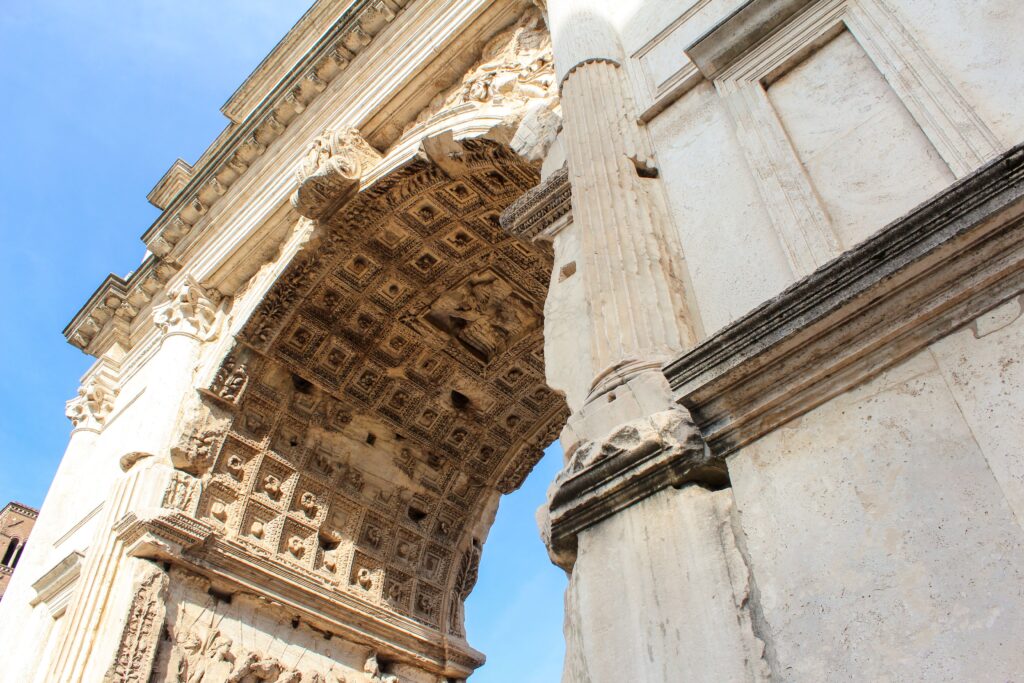
Walking Through Ancient Rome
The Colosseum, the Forum, the Pantheon—they aren’t relics. They’re storytellers.
The Colosseum, built in 80 AD, once held over 50,000 spectators. Today, it stands as one of Italy’s UNESCO World Heritage Sites. Not because it’s ancient—but because it still stirs something in us. Awe. Reverence. Stillness.
Steps away, the Roman Forum unspools like an open-air museum. Once the heart of Roman public life—markets, speeches, trials—its crumbling columns echo the birth of Western civilization. The Pantheon, nearly 2,000 years old, with its perfect dome, is a temple, a church, a miracle of engineering and light.
For a taste of ancient Rome, I walk Via Appia Antica, past ruins, vineyards, and aqueducts. This is where “all roads lead to Rome” began. Rome isn’t preserved behind glass. You walk through it, around it, inside it. The past isn’t past here.
The Vatican: A City Within a City
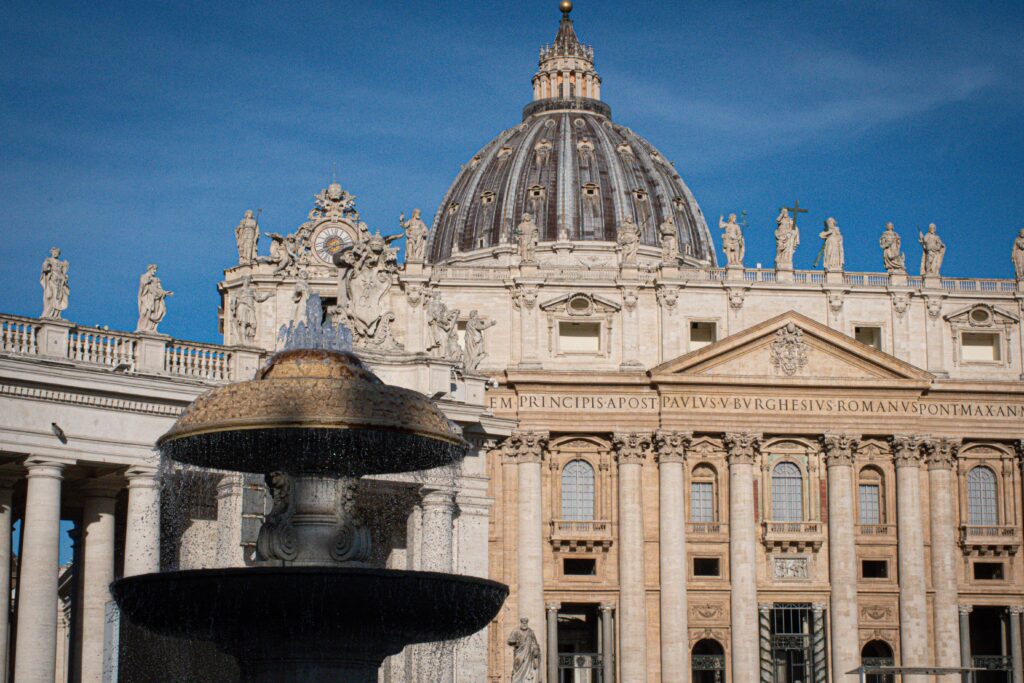
The Vatican is, for many, the reason Rome makes the list at all. Even if you’re not religious, visiting Vatican City is something to experience.
It’s a place that holds some of the most extraordinary art and architecture in the world.
Start at the Vatican Museums. Over 1,200 rooms and corridors filled with sculpture, tapestries, maps, and more. But what you’re really moving toward is the Sistine Chapel.
Step inside, and everything stops.
Michelangelo’s ceiling—painted over four years, while standing—is a universe above you. Look for The Creation of Adam. And don’t miss The Last Judgment behind the altar. It’s overwhelming. As it should be.
And I understand why. St. Peter’s Basilica is overwhelming in scale and beauty.
But for me, the experience is brief. Powerful, yes. Transformative, no. It’s a place you witness more than feel—crowded, controlled, tightly timed. I’m glad I’ve seen it. Once was enough. What stays with me longer are the quieter churches scattered across the city, where faith feels lived rather than staged.
Beautiful, Sacred Spaces That Still Slow Me Down
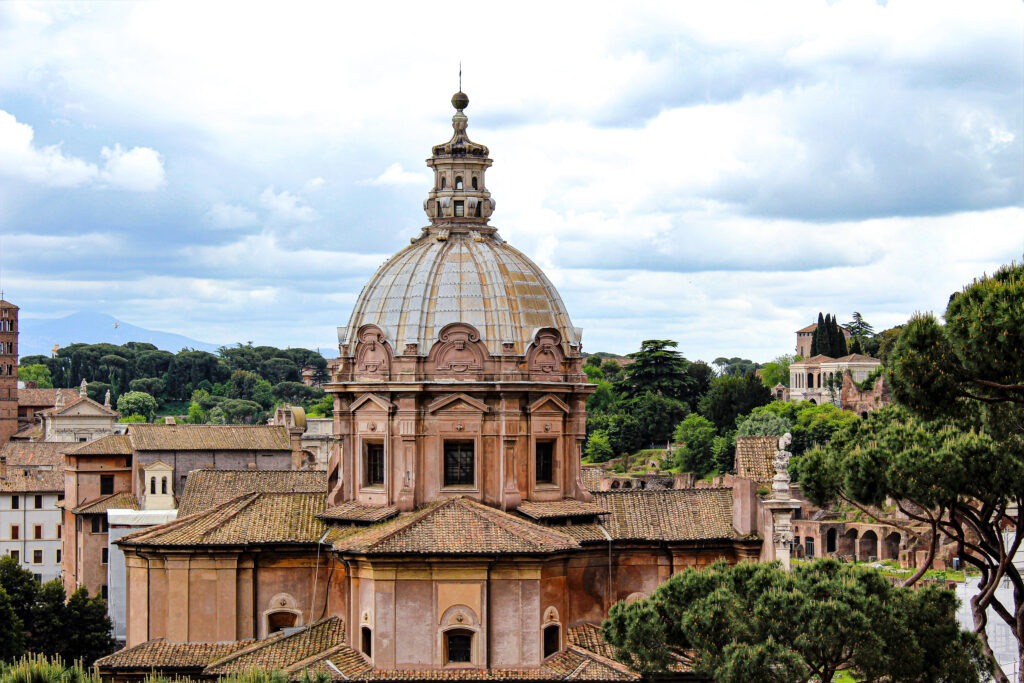
Step inside Basilica di Santa Maria Maggiore, gilded with the first gold from the New World. Climb the Spanish Steps to Trinità dei Monti, simple and serene above the city noise.
In San Luigi dei Francesi, Caravaggio waits in a side chapel. San Giovanni in Laterano—Rome’s cathedral, older than St. Peter’s—offers soaring silence and few tourists.
Then lose yourself in cloisters and hidden gardens: Chiostro di San Paolo fuori le Mura, or the secret courtyard at Santa Maria in Trastevere.
The Heart of Rome Lives in Its Piazzas and Its Fountains

Then there are the bursts of life—the piazzas. Piazza Navona, Piazza di Spagna, Piazza di Trevi, Campo de’ Fiori. Rome isn’t a city of straight lines. It opens in pockets, in moments. Every detail slows you down.
Many feature grand fountains. They aren’t just decorative—they’re essential.
In Piazza Navona, Bernini’s Fountain of the Four Rivers feels theatrical, almost defiant. At Trevi, the scale still surprises me, even when I avoid the crowds and pass through.
But it’s the smaller fountains that stop me most—the ones tucked into neighbourhood corners, feeding birds, cooling air, marking time. Water spills, trickles, murmurs.
In a city built on stone, the fountains soften everything. They invite you to pause. To stand still. To listen.
Rome doesn’t rush you—but its fountains remind you to slow down.
Rome Is a City You Taste

Rome is a city you taste as much as you see. You’ll never eat a tomato the same way again. Or pasta. Or bread. Or artichokes so crisp they shatter between your teeth.
I remember my first cacio e pepe, over a decade ago, in a tiny trattoria with no name. The pasta arrived steaming, glossy, and simple—just cheese, pepper, and water clinging like silk. I didn’t speak. I just closed my eyes. Now, it’s my ritual. My first dish every time I return.
The Jewish Quarter during the Carciofi alla Giudia Festival is another memory I revisit every spring. Deep-fried artichokes, music spilling into the streets, the scent of crisped olive oil hanging in the air. I sit outside at Nonna Betta or Sora Margherita, order the artichokes twice—once alla giudia, once alla romana—and understand the devotion baked into centuries of tradition.
And gelato. Not all gelato is created equal. Avoid towering, neon displays. Look for muted tones. Real gelato lives in metal tins with lids. My favourites? Gelateria del Teatro near Piazza Navona and Fatamorgana.
Rome hits all the senses—sight, sound, smell, touch, taste. And it’s in these small, sensory moments that the city still takes my breath away.
Why Rome Can Be Hard to Love Today
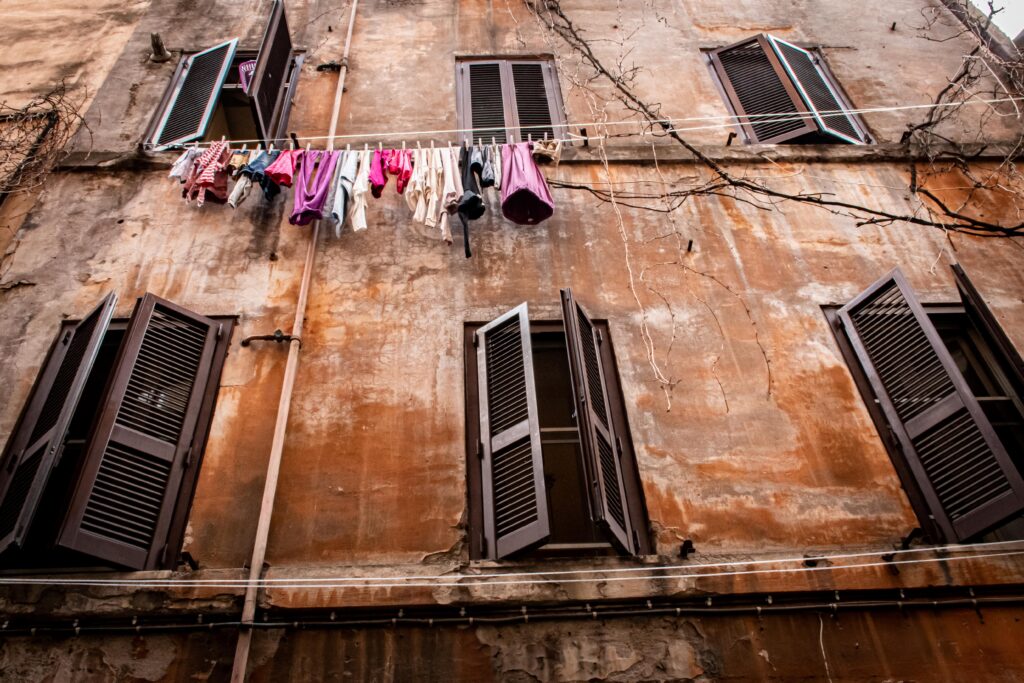
I’ve never been someone who loves crowds. I wasn’t on my first visit to Rome over a decade ago, and I’m even less tolerant of them now. My first impression back then was the same one I still have today: crowded. Chaotic. Hard to breathe in.
Rome has always drawn visitors, but in recent years the volume feels relentless. There is no real shoulder season anymore. Every month feels busy. Some feel unmanageable. You have to arrive with managed expectations, or the city can wear you down quickly.
There’s a tension here—between historic beauty and tourist fatigue. Museums are packed. Streets that once felt quiet now feel congested. Restaurants are overrun. And some mornings, the city feels gritty in ways that are hard to ignore.
I remember walking through Trastevere early one morning, before the city had been cleaned. The streets were littered with garbage from the night before. For early risers—like me—it can be jarring. This is the Rome you don’t see on Instagram.
I’ve left Rome feeling overwhelmed. Longing for solitude. And that’s hard to admit, because I want to love this city more easily than I do. There are parts of it I deeply love—but it’s not a place I immediately settle into.

I also struggle with accommodations. Much like elsewhere in Italy, many hotels and apartment rentals lean traditional. I have to search—really search—for design-forward spaces that feel right. And the cost-to-value ratio in Rome can feel unrealistic. You pay a premium for the right neighbourhood, location, and design.
Rome also demands planning. You need to pre-book the Colosseum, the Vatican, and many restaurants. Spontaneity comes at a cost here. And there’s a difference between eating local and eating well. Too many restaurants cater to tourists, serving watered-down versions of Roman food.

This is a city where research matters. Where trusting people who’ve been before makes all the difference. If you like to travel with no plans, full flexibility, and zero structure, Rome may disappoint you. Not because it isn’t extraordinary—but because it asks more from you than most cities do.
The Bottom Line: Is Rome Worth A Visit?
Yes. But only if you understand what you’re walking into.
Rome is extraordinary. It’s layered, historic, deeply alive. It offers moments that stay with you long after you leave. It also asks for patience. Planning. Intention. Crowds, chaos, and compromise are part of the experience now.
For me, Rome isn’t an easy love. It’s a complicated one. I return for the rhythm, the rituals, the quiet corners that still exist if you know where to look. Rome is worth visiting if you’re willing to slow down, step away from the obvious, and let the city meet you on its own terms.
If you want help planning a Rome trip that reflects how you actually travel—not a checklist, not a highlight reel—I offer trip planning rooted in lived experience. Built for travellers who want something personal. Thoughtful. Unrushed.
Because Rome gives the most to those who arrive knowing what they’re looking for.


