

Choosing where to stay in Milan is less about finding a hotel and more about choosing the kind of experience you want to have in the city.
Milan is a city of neighbourhoods. Each one has its own character — elegant streets filled with galleries, lively canals where locals gather for aperitivo, quiet residential areas where daily life unfolds far from the crowds.
Over the years, I’ve learned that where you stay can completely shape how a city feels.
On my last visit to Milan, I chose a small studio apartment in Navigli, a district known for its historic canals and evening aperitivo culture. It turned out to be the perfect base — lively, atmospheric, and still close enough to explore the rest of the city easily.
But Navigli isn’t the only good option.
I’ll walk you through the neighbourhoods I considered planning my own stay, along with a few places that stood out during my search. By the end, you’ll have a clearer sense of the best part of Milan to stay that matches your travel style.
This post may contain affiliate links, meaning I get a commission if you decide to purchase something through the links, at no additional cost to you. Read my Affiliate Disclosure.
Quick Answer: Best Location to Stay in Milan, Italy
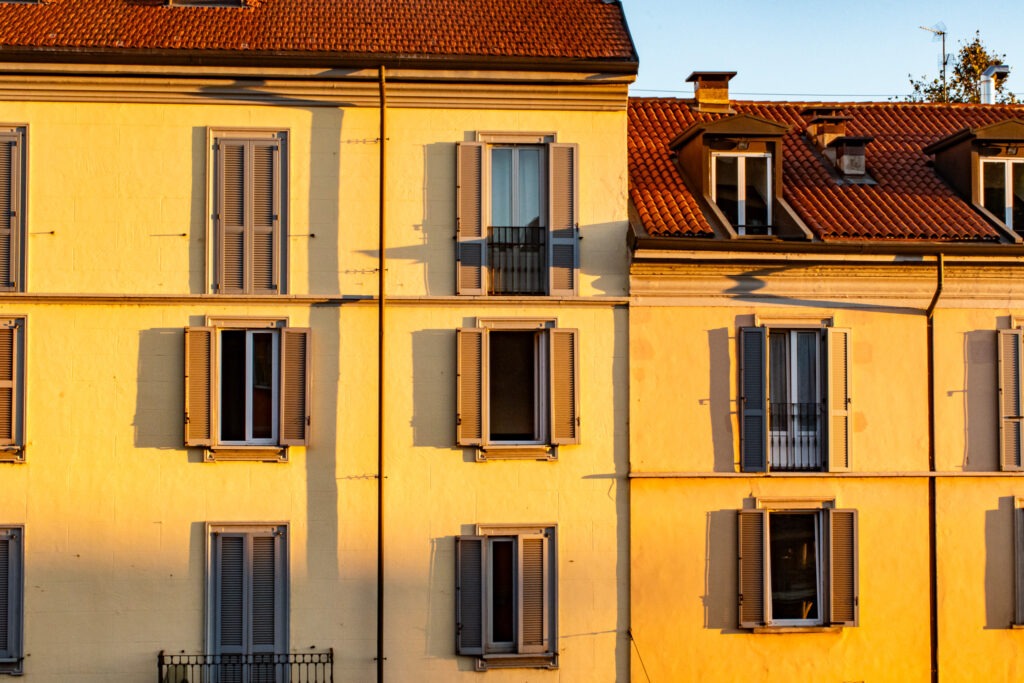
If you’re trying to quickly decide where to stay in Milan, these neighbourhoods offer some of the best experiences depending on your travel style.
| If you want… | Stay in… |
|---|---|
| The historic heart of Milan | Centro Storico |
| Elegant streets and art galleries | Brera |
| Canal views and lively aperitivo culture | Navigli |
| Luxury shopping and fashion | Quadrilatero d’Oro |
| A quieter neighbourhood near parks | Sempione or Porta Venezia |
Each of these neighbourhoods offers a slightly different experience of Milan. Below, I’ll walk you through the one I personally chose, along with other areas that make excellent bases for exploring the city.
How to Choose the Best Part of Milan to Stay

One of the most common questions I help travellers with when planning a trip to Milan is where they should stay.
On the surface, Milan looks compact. But the experience of the city can feel very different depending on the neighbourhood you choose. Some areas place you steps from the Duomo and major landmarks. Others offer a quieter, more residential atmosphere where you experience Milan the way locals do.
Over the years — both planning my own stays and helping clients design their trips — I’ve found that choosing the right neighbourhood usually comes down to three simple considerations.
| Consider This | Why It Matters |
|---|---|
| How many days you have in Milan | If you only have one or two days, staying near the historic centre makes sightseeing easier. With more time, neighbourhoods outside the centre often provide a more relaxed, local atmosphere. |
| Your travel style | Some travellers want to step outside their hotel and immediately see the Duomo. Others prefer quieter streets with neighbourhood cafés, markets, and restaurants. |
| Hotel or apartment stay | If you enjoy space, a kitchen, and the feeling of living in the city, an apartment can be a wonderful option. Hotels can be easier for shorter stays and offer more services. |
| Using Milan as a base | Milan is an excellent base for day trips to places like Lake Como, Parma, and Verona. If you plan several day trips, staying near a major train station can make early departures much easier. |
| Budget | Central districts such as Brera or the historic centre tend to be more expensive. Neighbourhoods slightly outside the centre often offer better value while still being well connected by metro or tram. |
| Neighbourhood atmosphere | Some areas of Milan are lively late into the evening (like Navigli), while others are quieter and more residential. Choosing the atmosphere you prefer can shape the entire rhythm of your stay. |
When I plan my own trips, I often start by mapping the places I most want to visit — museums, neighbourhoods, restaurants, and markets — and then choosing a neighbourhood that places me within walking distance of several of them.
This simple step can dramatically improve your experience of the city. Instead of constantly crossing Milan, you begin to settle into a neighbourhood and experience the city at a slower pace.
It’s the same approach I use when helping travellers plan their trips.
Choosing the right neighbourhood — and the right type of accommodation — can make a remarkable difference in how a city feels. A well-located apartment or hotel often turns Milan from a place you simply visit into a place you temporarily live.
If you’d like help narrowing down the best area to stay in Milan, I also work with travellers through my trip planning services, helping them choose neighbourhoods, accommodations, and itineraries that fit their travel style.
Where I Stayed in Milan
When I visit a city like Milan, I usually try to stay in a neighbourhood where I can experience the city beyond its major landmarks — somewhere that still feels like a lived-in part of the city.
For this trip, I chose to stay in Navigli, a district known for its historic canals and lively aperitivo culture. It turned out to be one of the most atmospheric areas of Milan I experienced.
Navigli — My Personal Choice in Milan

What drew me to Navigli was the presence of the canals themselves. Milan isn’t typically thought of as a canal city, but along Naviglio Grande, the water quietly shapes the character of the neighbourhood.
In the early morning, Navigli felt almost still. I would walk along the canal before the cafés filled and before the evening crowds arrived. The reflections of the buildings on the water, the soft morning light, and the quiet streets created a completely different atmosphere from the Milan many visitors see during the day.
By late afternoon, the neighbourhood began to change. Tables appeared along the canal, locals gathered for aperitivo, and the energy slowly built as the evening approached. It’s a place where people linger — with a drink, conversation, and small plates — long before dinner begins.
And later at night, when many visitors had already left, the canal lights reflecting on the water gave the neighbourhood a different kind of beauty altogether.
I was in Milan for several days that extended over the weekend. In Navigli, the last weekend of every month, they hold a large flea market (on Saturday) and antique market (on Sunday). This was an absolute bonus time to visit and to stay in this part of Milan.
During my stay, I also enjoyed exploring the small restaurants tucked along the canals. El Brellin and 28 Posti were two memorable meals that added to the feeling that Navigli was more than just a nightlife district — it was a neighbourhood where people genuinely gather.
My apartment overlooked the canal, which made the experience even more special. In the morning, it felt peaceful and residential, and after a full day exploring Milan, it was a quiet retreat to return to.
For travellers concerned about nightlife noise, it’s worth noting that while Navigli becomes lively in the evenings, I personally didn’t find it disruptive. That said, accommodations directly on the canal may feel busy for very light sleepers.
From Navigli, I often chose to walk into central Milan, which I found entirely manageable and enjoyable. For many travellers, however, the nearby metro and tram connections make getting around the city easy, especially if you have limited days in Milan.
If you enjoy neighbourhoods with atmosphere, local restaurants, and a strong sense of place, Navigli can be a wonderful base in Milan.

Other Great Areas to Stay in Milan
While Navigli was my personal choice, Milan has several excellent neighbourhoods depending on the type of experience you want during your stay.
Some travellers prefer to stay close to Milan’s historic landmarks. Others are drawn to artistic districts filled with galleries and cafés, or quieter neighbourhoods that feel more residential.
Here are a few areas I considered while planning my own trip — along with a carefully selected place to stay in each.
Brera — Milan’s Most Elegant Neighbourhood
If you’re drawn to beautiful streets, art galleries, and a refined atmosphere, Brera is one of the most elegant neighbourhoods in Milan.
This district has long been considered the artistic heart of the city. Its narrow streets are lined with small galleries, independent boutiques, and restaurants that feel distinctly Milanese rather than touristy.
Brera is also wonderfully walkable. From here, you’re within easy reach of many of Milan’s major sights, including the Duomo, Sforza Castle, and Parco Sempione. Yet the neighbourhood itself maintains a quieter charm that makes it pleasant to return to after a day of exploring.
For travellers who appreciate art, architecture, and a slightly more refined atmosphere, Brera can be a wonderful place to stay for a few days in Milan.

Centro Storico — Best for First-Time Visitors
If it’s your first time visiting Milan, staying in Centro Storico places you within walking distance of many of the city’s most famous landmarks.
This is where you’ll find the Duomo, Galleria Vittorio Emanuele II, and La Scala, along with some of Milan’s most beautiful historic streets.
The main advantage of staying here is convenience. If your time in Milan is short — perhaps just a day or two — being able to step outside and immediately begin exploring can be incredibly helpful.
The trade-off, of course, is that the historic centre is also the busiest part of the city. During peak hours, it can feel crowded, and accommodations here often come at a higher price.
Still, for travellers who want to immerse themselves in the historic heart of Milan, this location is hard to beat.

Quadrilatero d’Oro — Milan’s Luxury Shopping District
For travellers interested in fashion and design, Quadrilatero d’Oro sits at the centre of Milan’s world-famous luxury shopping district.
This elegant area is home to many of the city’s most prestigious fashion houses and designer boutiques, along with beautifully maintained streets and historic buildings.
Even if shopping isn’t your primary focus, staying here places you in one of Milan’s most polished and architecturally refined neighbourhoods. It’s also within easy walking distance of the Duomo and several major museums.
Accommodations here tend to be among the most expensive in the city, but for travellers who enjoy style, elegance, and Milan’s fashion culture, it offers a unique experience.

Sempione — A Relaxed Area Near Milan’s Largest Park
If you enjoy green space and quieter surroundings, the Sempione district offers a more relaxed atmosphere while still being close to many of Milan’s key attractions.
Located beside Parco Sempione, this neighbourhood feels slightly removed from the busiest tourist areas. The park itself is one of the most pleasant places in Milan for a walk, and nearby landmarks like Sforza Castle and the Arco della Pace add to the area’s appeal.
Staying here allows you to balance city exploration with moments of calm — something I often appreciate after a full day of sightseeing.

Porta Venezia — Art Nouveau Architecture and Local Life
Porta Venezia offers a slightly different side of Milan — one that feels more residential while still being full of character.
The neighbourhood is known for its beautiful Art Nouveau buildings, independent cafés, galleries, and proximity to Giardini Pubblici Indro Montanelli, one of the city’s most pleasant green spaces.
It’s also home to one of Milan’s most vibrant cultural communities, giving the district a lively and inclusive atmosphere.
While it sits slightly outside the historic centre, Porta Venezia is still well connected by metro and tram, making it an appealing option for travellers who prefer a neighbourhood that feels a little more local and less tourist-focused.

Best Areas to Stay in Milan for Different Travel Styles
Every neighbourhood in Milan has a slightly different personality. While the areas above are all excellent places to stay, the best choice often depends on the type of experience you want during your trip.
Here are a few simple ways to think about Milan’s neighbourhoods when deciding where to stay.
| Travel Style | Recommended Area |
|---|---|
| First-time visitors | Centro Storico — Staying in the historic centre places you within walking distance of Milan’s most famous landmarks, including the Duomo, La Scala, and Galleria Vittorio Emanuele II. |
| Art and culture lovers | Brera — Known for its galleries, charming streets, and proximity to the Pinacoteca di Brera, this neighbourhood has one of the most elegant and artistic atmospheres in Milan. |
| Atmosphere and local life | Navigli — Milan’s canal district offers one of the most atmospheric neighbourhood experiences in the city, with cafés, restaurants, and a vibrant aperitivo culture along the water. |
| Luxury shopping and fashion | Quadrilatero d’Oro — Milan’s famous fashion district, home to designer boutiques, elegant streets, and some of the city’s most refined architecture. |
| Quieter neighbourhood stays | Sempione or Porta Venezia — Both neighbourhoods offer a more residential atmosphere while still being well connected to Milan’s historic centre and major sights. |
When I’m planning my own stays in European cities, I often choose neighbourhoods that allow me to experience everyday life alongside the main sights. For me, that usually means somewhere I can walk to cafés in the morning, wander nearby streets without a strict itinerary, and return to a neighbourhood that still feels local in the evening.
Milan is a city that rewards that slower approach.
Choosing the right neighbourhood doesn’t just determine where you sleep — it shapes how the city reveals itself during your visit.
Areas That May Not Be the Best Place to Stay in Milan
There are a few districts that may not be the most convenient base for travellers visiting the city for the first time.
The areas below can still be interesting to visit, but they may not offer the same experience when it comes to staying overnight.
- Porta Nuova is Milan’s modern financial district, known for its modern contemporary architecture and glass skyscrapers. The area feels polished and impressive, but it has a more corporate atmosphere than many visitors expect when staying in Milan. Stay here only if you are doing business in Milan.
- Isola has developed into one of Milan’s most creative and trendy neighbourhoods, with independent cafés, street art, and a lively local energy. It’s a fun area to explore, particularly for its restaurants and creative scene. However, its location is slightly outside the historic centre and not ideal for first-time visitors to the city.
- Porta Romana is a pleasant residential neighbourhood with elegant buildings and a relaxed pace of life. While it offers a more local feel, travellers looking for atmosphere and evening energy often find the nearby Navigli a better choice for a short stay in Milan.
My Final Perspective on Where to Stay in Milan
Choosing where to stay isn’t just a practical decision — it shapes how the city unfolds during your visit.
Stay near the Duomo, and you’ll step straight into Milan’s grand historic centre. Choose Brera, and you’ll wake up among galleries and elegant streets. Stay in Navigli, as I did, and you’ll atmosphere at your doorstep.
After more than three decades travelling through Europe — and many return visits to Italy — I’ve learned that the right neighbourhood often becomes one of the most memorable parts of a trip.
If you’re planning a trip to Milan and feeling unsure which area or accommodation would suit you best, I also help travellers design thoughtful European itineraries through my custom trip planning services.
Together we can choose the right neighbourhood, find accommodations that match your travel style, and create a trip that allows you to experience Milan — and the rest of Italy — at a slower, more meaningful pace.


