Three days in Florence is enough — if you structure it intentionally.
I’ve returned to Florence again and again over the past decade, both for myself and while planning trips for clients. The difference between a trip that feels rushed and one that feels unforgettable isn’t the number of museums you stack into a schedule. It’s how you pace the city.
Florence is compact, yes. But it is emotionally dense. Renaissance art, quiet cloisters, long Tuscan lunches, golden evening light along the Arno — it accumulates quickly.
With 3 days in Florence, you have just enough time to see the essentials properly, and then choose how you want to deepen the experience: stay within the city and go deeper, immerse yourself in food and culture, or step into Tuscany for a day.
I’ll show you how to do it without turning Florence into a checklist.
This post may contain affiliate links, meaning I get a commission if you decide to purchase something through the links, at no additional cost to you. Read my Affiliate Disclosure.
Is Three Days in Florence Enough — or Will It Feel Rushed?
Yes — this is enough time.
But only if you stop trying to “complete” the city.
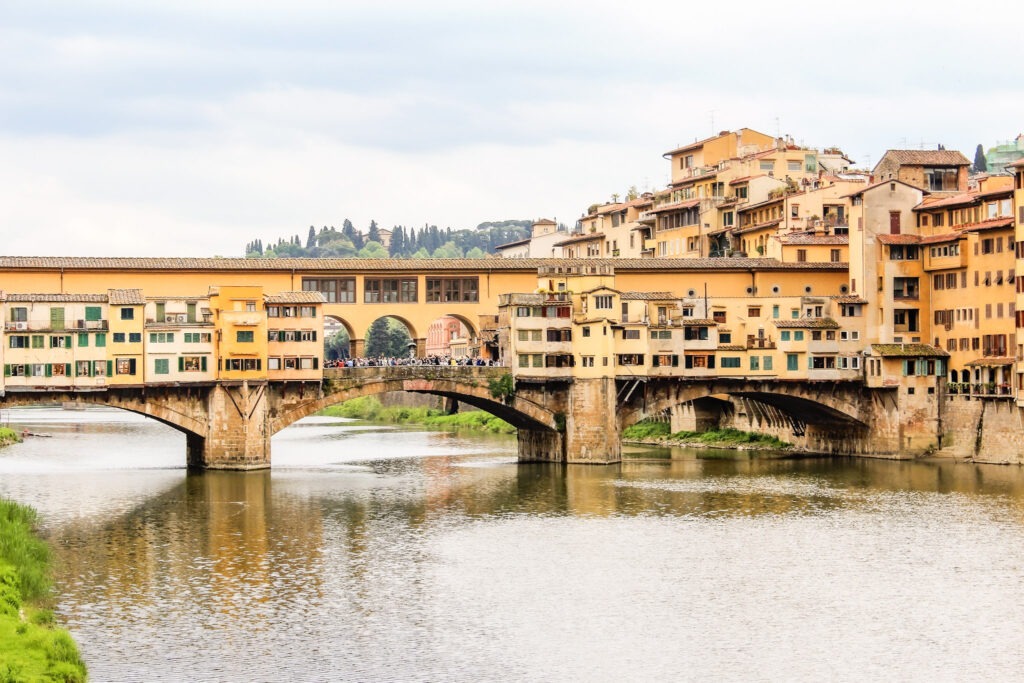
What surprised me on my first visit was how small Florence actually is. You can cross the historic centre in under 30 minutes. Walk the same streets twice in one day, and they already feel familiar. By day three, the city begins to soften. You recognize corners. You anticipate views. You know which bridge you prefer at sunset.
The rhythm matters.
Mornings feel hushed and almost sacred. Midday compresses — crowded piazzas, museum queues, heat. Evenings open again. The Arno reflects a softer light. The Renaissance façades turn gold.
The mistake I see most often when travellers plan a Florence 3-day itinerary is the obligation. They feel they must go inside the Duomo. They must stack the major museums. They must add Venice for the day. It becomes this heightened sense of, “I may never come back to Italy, so I want to see as much as I can.” Sound familiar?
When I design itineraries for clients, I always protect one open window of time — usually mid to late afternoon. It’s when I encourage them to step away from the dense historic core. Cross the river. Sit on a step with a gelato. Wander without a target. Let the end of an Italian workday end around them. Watch locals gather for an aperitivo. Join them in their rituals. I also try to protect the pace of their trip, depending on how many days they are in Tuscany in total.
Without margin, Florence can feel rushed, no matter how long you stay. Overall, three days for most travellers works as part of a broader Italy itinerary.
The Foundation: What Your First Two Days Should Accomplish
Before you think about what to do in Florence in 3 days, your first two days need intention.
Arrival day is not for conquering the city. It’s for easing into it.
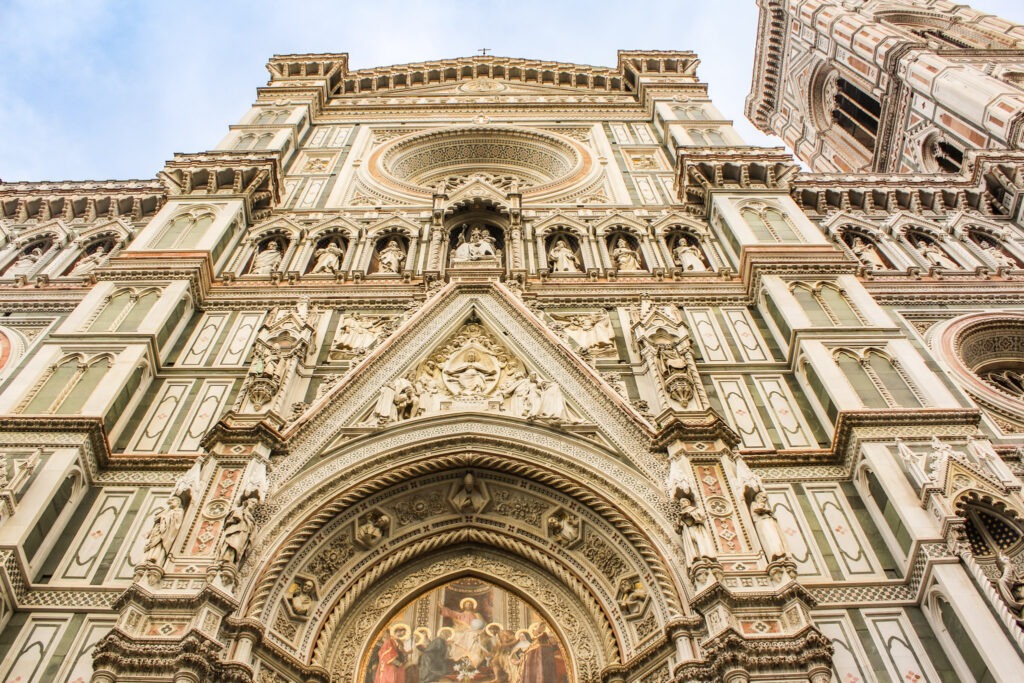
Florence is small. You don’t need to rush. Walk until you recognize a street. Let yourself turn a corner and unexpectedly meet the Duomo — perhaps along Via dello Studio — rather than marching toward it with Google Maps open. Cross the bridge and wander in Santo Spirito or the Oltrarno. Get lost on purpose.
Choose one anchor for later in the day. That might be a museum. It might simply be sitting in Piazza della Signoria as the light shifts. But choose one thing — not five.
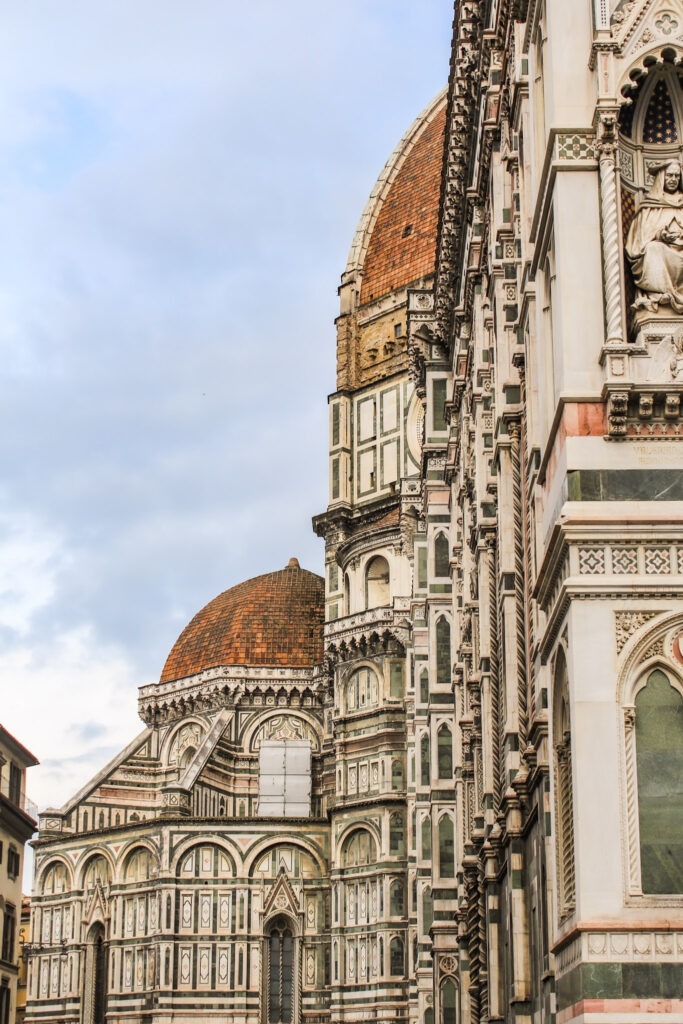
Day two is different. This is when I protect the Duomo in the morning. Early light. Fewer crowds. The cathedral feels architectural instead of chaotic. You do not have to go inside to appreciate it. Stand in the piazza. Walk around it slowly. Ask yourself whether entering aligns with your interests — or obligation. If it does, it warrants pre-booking in advance.
The same is true for museums. On a three-day Florence itinerary, I recommend one major museum. Two, if art and architecture are your primary reasons for visiting. Otherwise, see the replica of David in Piazza della Signoria, enjoy it in the open air, and spend your time outside.
Skip the leather markets. They cater to tourists, and much of what’s sold there is not the quality you imagine. If you want leather, step into a proper shop a few streets away. Look for “Made in Italy.” I still wear the jacket I bought in Florence over twelve years ago. It cost more, but was worth it.
And reserve dinner.
The best trattorias are small and intimate. Locals know to book ahead. The restaurants that always have walk-in tables usually rely on passersby. Choose at least one meal carefully. Make it your anchor. For higher-end restaurants, consider lunch instead — and let the evening meal be lighter, spontaneous, and relaxed.
Once these two days are structured with intention, your third day becomes something different entirely. It becomes a choice — not an attempt to catch up.
For a detailed breakdown of how I structure those first two days — with pacing, timing, and anchor strategy — read my 2-Day Florence guide.
How to Choose the Right Third Day in Florence
I’ve never regretted staying longer in Florence.
What I have seen — both personally and when planning trips for clients — is that day three is where itineraries either deepen… or scatter.
This is often the moment travellers feel the urge to “add” something dramatic. Not because they should — but because they can.
But it isn’t about squeezing more in. It’s about choosing what would make the experience feel whole.
Instead of asking, What else should I see?
Ask, What do I want more of?
When I build itineraries, I use a simple decision framework that protects energy, interest, and pace.
Here’s a simple way to think about it:
| If you’re feeling… | Consider… |
|---|---|
| Inspired by art and architecture | Going deeper inside Florence |
| Overstimulated by crowds | Slowing down in a quieter neighborhood |
| Curious about Tuscany’s landscapes | A focused wine or countryside experience |
| Wanting to see another side of Italy | An easy train day trip to a nearby city |
| Hungry for connection | A food- or craft-based immersive experience |
There is no “correct” third day.
That’s the point.
This is the same philosophy behind my Unrushed Itinerary Method — a framework I use to help travellers build trips around clarity instead of obligation. The structure gives you freedom. Not the other way around.
Once you decide what you need more of — depth, quiet, countryside, immersion — your third day becomes intentional.
Four Thoughtful Ways to Spend Your Third Day
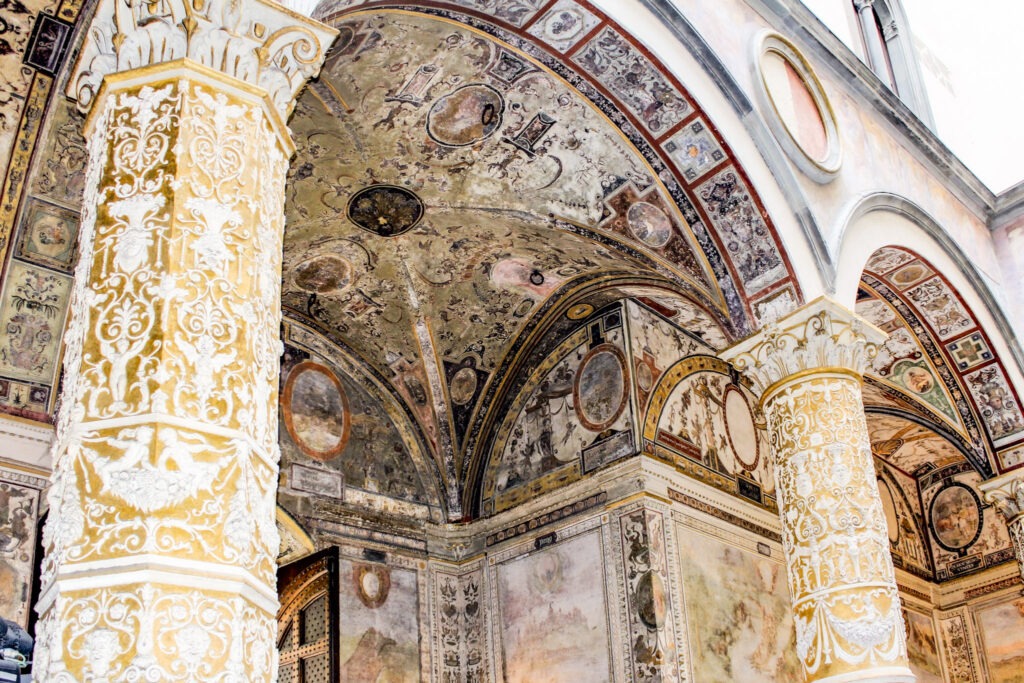
Option 1: Stay in Florence — But Go Deeper
If you came to Florence to get to know the city better, lean into that.
This is the day to explore new aspects of the city. Climb to San Miniato al Monte in the morning for quiet views over the rooftops. Wander through the Boboli Gardens. Visit a food market like Mercato Centrale or Mercato di Sant’Ambrogio.
Step into smaller churches where the art is just as powerful — but without the pressure of a timed ticket. Florence has several free museums and churches that allow you to go deeper without expanding your budget. Basilica di Santo Spirito. Orsanmichele. San Salvi, if you’re willing to venture slightly outward.
Option 2: A Tuscan Experience — Wine, Hills, or Cinque Terre
If you’re craving landscape, day three is the perfect time to step beyond the city.
The Tuscan countryside is easily accessible from Florence — whether by organized small-group tour or private driver. Chianti vineyards, hill towns, long vineyard lunches. This is where the pace naturally slows.
For travellers who prefer something coastal, Cinque Terre is also possible as a guided day trip. It’s a longer day — but seamless when logistics are handled for you.
There is no shame in choosing a well-run group tour. In fact, for a single day, it often removes stress and allows you to simply experience.
If you’re considering Tuscany and want to go it alone, take the train to Arezzo. It’s less well known compared to other Tuscan towns, but it is famous in its own right for hosting the largest antique market on the first weekend of the month, and some of the best frescoes in churches.
I’ve written detailed guides for some experiences you might be interested in:
- What to do in Arezzo for the day
- Wine tours in Tuscany
- The easiest way to get to Montepulciano from Florence
- Cinque Terre day trip
Option 3: An Easy Train Day Trip — Another Side of Italy
Florence’s train connections make it remarkably easy to see a different side of Italy.
Under the terracotta porticos of Bologna, the Renaissance polish of Florence gives way to something earthier and more lived-in in less than 40 minutes away. Fewer monument clusters, more daily life. Come to Bologna for the day for the food — tagliatelle al ragù, tortellini in brodo — and for the pleasure of wandering beneath covered walkways.
Smaller, elegant, and often overlooked, Modena feels refined and relaxed and is only an hour away. Its cathedral square is compact and striking. This is the place for balsamic vinegar tastings, slow lunches, and home to the luxury car market.
Yes, Pisa is famous for one thing. But most will tell you, there is more to do than visit its UNESCO-listed leaning tower. Along the Arno, Pisa becomes surprisingly calm.
Often bypassed entirely, Pistoia is the closest and offers a slower Tuscan atmosphere. Its piazzas feel local. Its cathedral square is beautiful. You may hear more Italian than English. There is no checklist energy here — just space.
Option 4: A Cultural Immersion
If what you’re really craving is connection, choose immersion. The best way to understand Italy is through its food culture.
A cooking class. A market visit. A long meal in someone’s home. Hours spent around a table connecting over food and conversation.
This is where platforms like Eatwith become powerful. You’re not just booking a meal — you’re booking a curated experience focused on connection and culture, with a local.
For travellers who want Florence to feel personal, this can become the most memorable part of the trip.
Designing a Florence Trip That Feels Like Yours
Your time in Florence is not about coverage; it’s about pace.
When you structure your time intentionally — ease into arrival, protect your mornings, choose one anchor per day, reserve a meaningful meal, and decide your third day based on how you actually feel — the experience hits differently.
Over the past decade of travelling to Italy and designing itineraries for clients, I’ve learned this: the difference between a trip that feels rushed and one that lingers has very little to do with how many places you visit. It has everything to do with how well the trip reflects you.
If you want a fully personalized Florence itinerary — with accommodation recommendations, pacing strategy, and curated experiences — I offer bespoke trip planning services designed around this exact philosophy.
If you prefer to build it yourself, my Unrushed Itinerary Method walks you through the same decision-making framework I use with clients. It’s structured, but flexible. Guided, but personal.
Either way, Florence doesn’t need more from you. It simply needs your attention — and enough time to unfold.