I’ve visited Cologne three times now, and each time I arrive, something in me settles. The city feels familiar in a way I can’t quite explain. When people ask about Cologne attractions, they often expect a polished storybook town. Cologne isn’t that. It’s lived-in. A little rough around the edges. And that’s exactly why I return.
On this visit, I slowed down. I wandered without a plan. I let the city show itself in small moments—the quiet corners behind the cathedral, the soft curve of the Rhine just after sunrise, the simple comfort of a Brauhaus where locals talk over Kölsch.
I am going to share the attractions in Cologne that matter. The ones that reveal the city’s history, heart, and vibe. The ones that make Cologne worth knowing, not just seeing.
This post may contain affiliate links, meaning I get a commission if you decide to purchase something through the links, at no additional cost to you. Read my Affiliate Disclosure.
The Top Cologne Attraction: The Kölner Dom

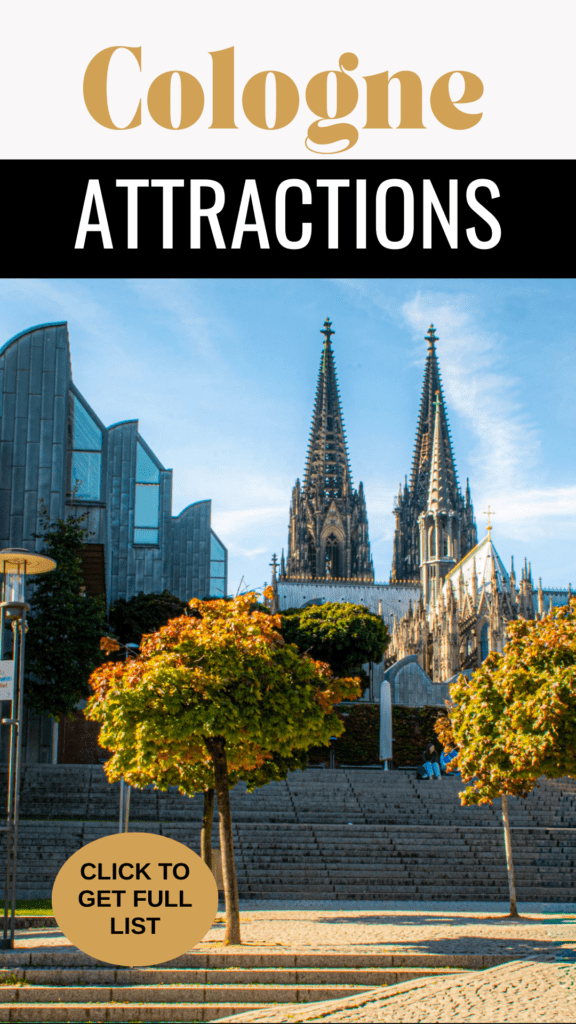
The Cologne Cathedral is the attraction everyone comes to see, and for good reason. It’s one of the most impressive Gothic cathedrals in Europe, and standing beneath its twin spires feels almost unreal.
Construction began in 1248 and continued—on and off—for over 600 years. When it was finally completed in the 19th century, it became the tallest building in the world. Today, it remains Germany’s most visited landmark.
Inside, travellers can expect soaring vaulted ceilings, intricate stained glass, and a quiet reverence that contrasts with the busy square outside.
The highlight is the Shrine of the Three Kings, a gilded reliquary said to hold the remains of the Magi.
Don’t rush here, as there are so many details to soak in and absorb. This UNESCO Heritage Site can’t be missed; expect to spend about an hour.
If you have the energy, climbing the south tower rewards you with panoramic city views. The steps are steep and narrow, but worth it.
Cologne Attractions for Culture Lovers
Culture sits at the heart of Cologne. Museum Ludwig is the city’s standout cultural attraction. Its collection of modern and contemporary art is one of the best in Europe, with famous Pop Art pieces, an impressive selection of Picasso works, and rotating exhibitions that keep every visit fresh.
The building itself is attractive, and the galleries are spacious enough that I never feel rushed. I recommend you give yourself a couple of hours here.
For something different, the Farina-Haus, birthplace of Eau de Cologne, gives culture lovers a look at the city’s perfumery history. The tour is short, informative, and surprisingly engaging. I appreciate how clearly they explain the craft behind scent-making and why Cologne became known for fragrance in the first place.
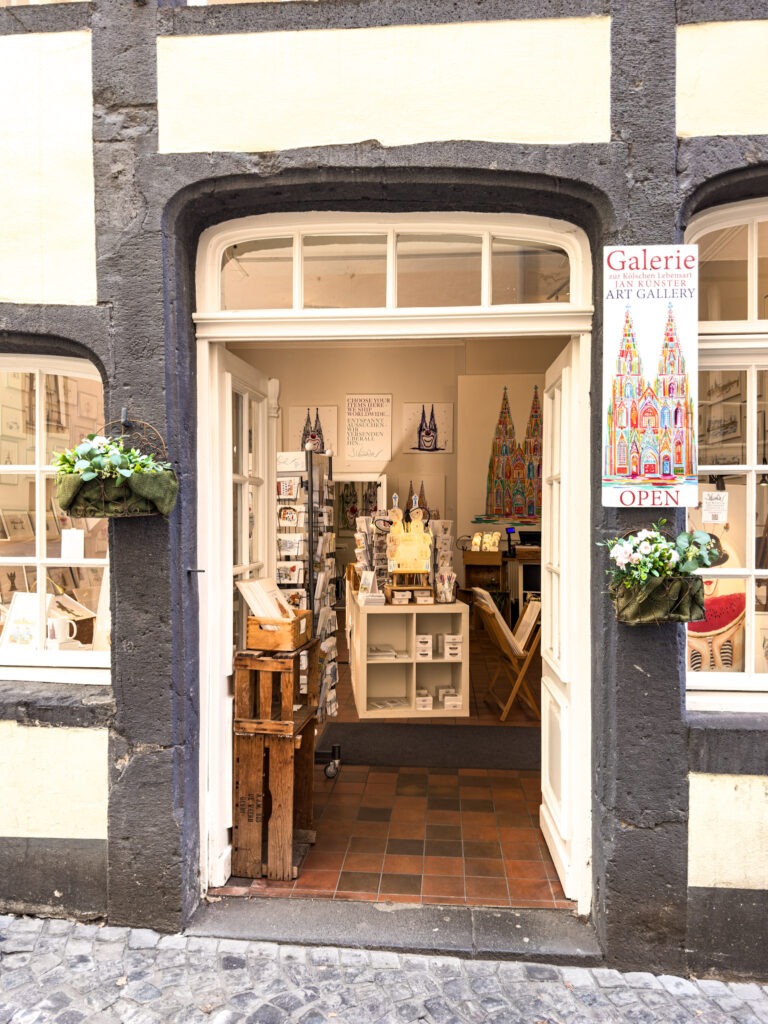
If you prefer smaller cultural experiences, Cologne’s independent galleries offer a quieter, more intimate way to connect with local creativity. I like stepping into these spaces without any agenda, letting them find me, rather than the other way around. One such one that I enjoyed was the Jan Künster Gallerie in Old Town.
Attractions in Cologne for History Lovers
Cologne’s history runs deep, and I feel it most clearly in the places where the past still shapes the present. Roman Cologne is a remarkable starting point.
The city was once an important Roman outpost, and traces of that world are still visible. Even with the Roman-Germanic Museum undergoing renovations (and closed temporarily during my visit), you normally can view mosaics, statues, and everyday objects that bring ancient life into focus.
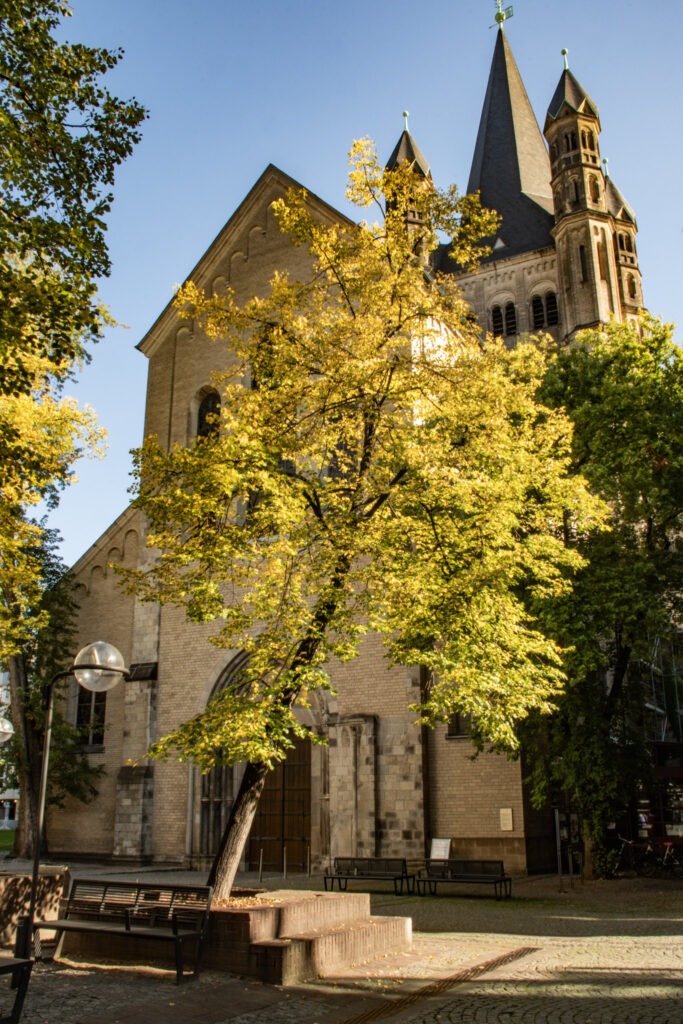
Just beyond the Roman layers, Cologne’s medieval heritage adds another dimension. Many churches were rebuilt after the war. My favourite that I return to every time I’m in Cologne is the Great St. Martin Church.
History lovers will also appreciate how clearly WWII left its mark on Cologne. Entire streets were rebuilt, yet some fragments remain as reminders of the city’s wartime experiences. Walking through these areas gives a sense of how Cologne had to rebuild itself—physically and emotionally—after near-complete destruction. I find these contrasts compelling because they show how the old and new coexist.
Cologne Attractions for Slow Travellers
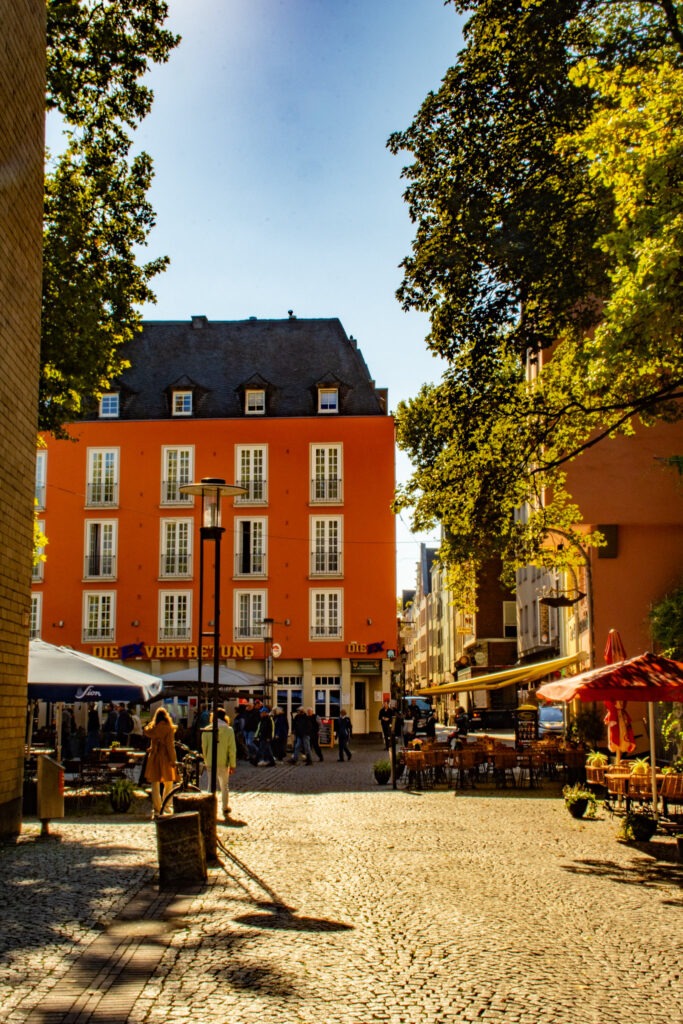
Cologne is a city that reveals itself gently when you allow the pace to drop.
As a slow traveller, I look for places where I can linger, observe, and settle into the vibe of daily life. One of my favourite experiences is simply walking along the Rhine promenade, on both sides.
Especially on a nice day, the wide path is full of locals walking or riding their bikes. There are long stretches where you can sit, watch the water move, and boats glide by. It’s an easy place to spend an hour without realizing it.
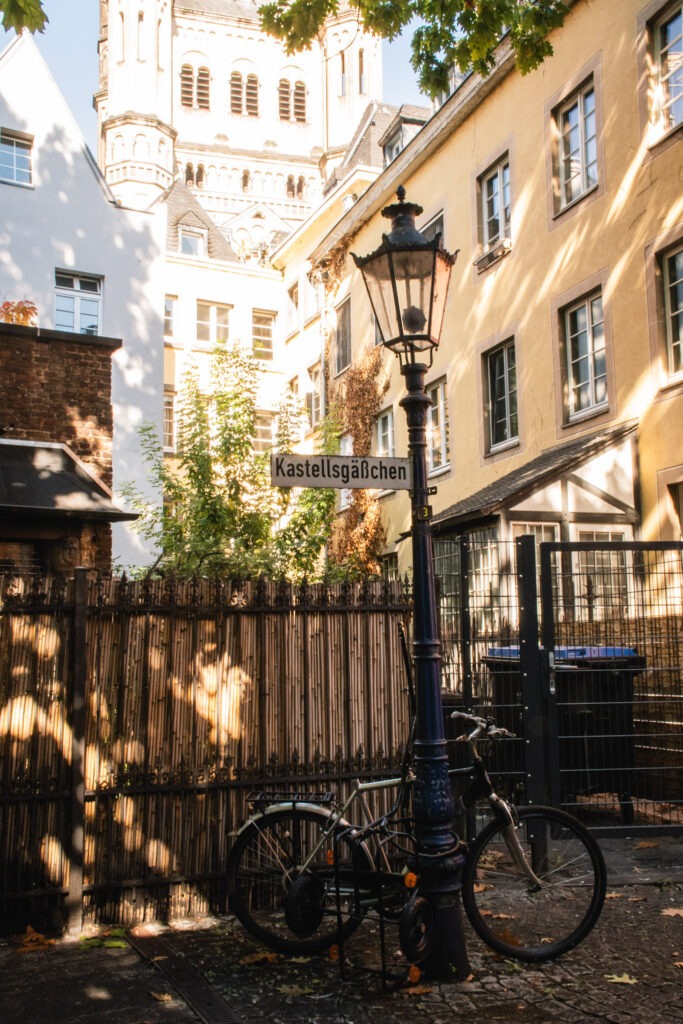
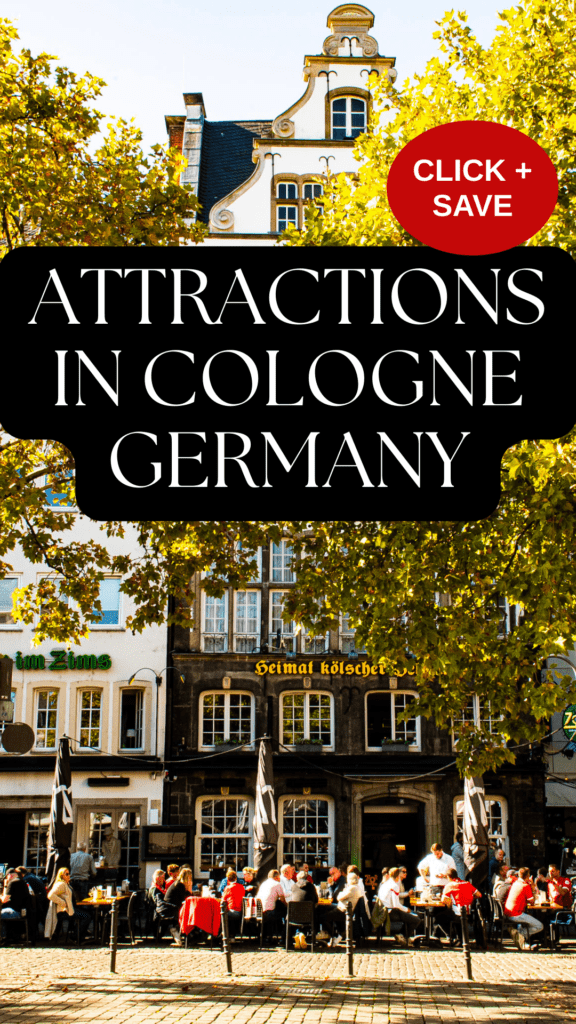
I also love exploring the Old Town. The narrow lanes feel different when they’re quiet. I love ducking into tiny passages that open up into hidden courtyards that only the locals seem to know about.
You notice the textures of the buildings, the curve of an old archway, the soft colours of the facades, and the unexpected bronze statues that are found in the most surprising ways.
Another slow-travel moment I return to is crossing the Hohenzollern Bridge on foot. I love walking passed the thousands of love locks, the open views of the cathedral rising above the skyline, and locals zipping by on bikes.
Attractions That Families Will Love
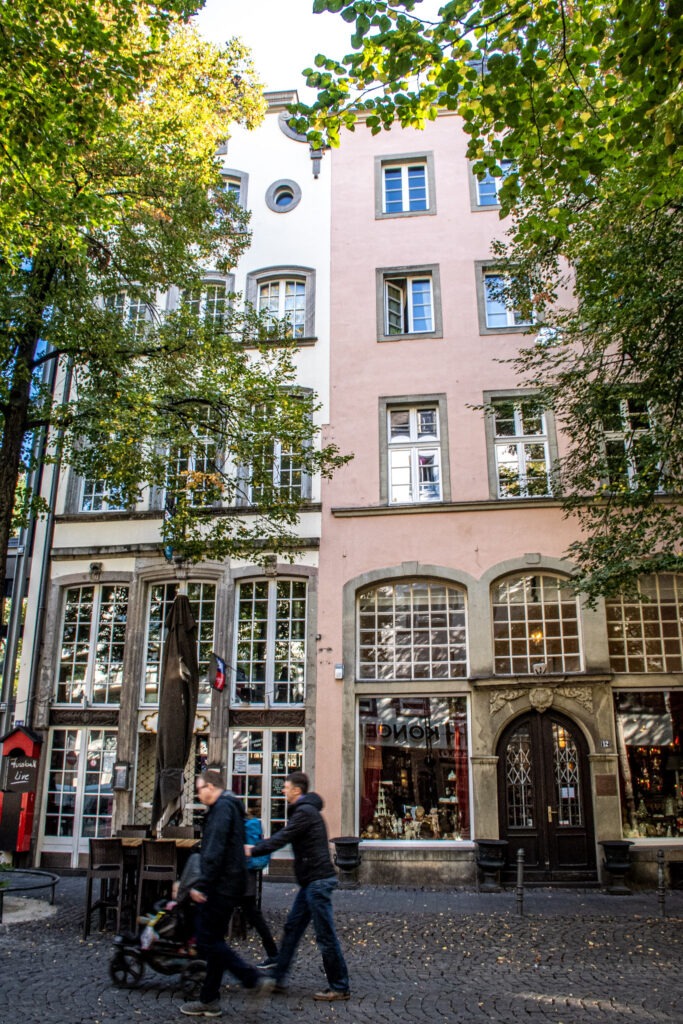
The Cologne Zoo is one of the most popular family-friendly stops in the city. It’s large enough to fill half a day, yet manageable for younger children. I visited here on my first family trip. Families often appreciate how close it is to the botanical garden, making it simple to extend the outing without extra transit time.
For something both fun and educational, the Chocolate Museum is an easy win. Children love watching the chocolate production line in real time, and adults enjoy learning about the history of cacao and chocolate making. The tasting station is always a highlight.
The green spaces around Rheinpark offer shaded paths for strollers and playgrounds that keep kids entertained while parents relax with a view of the Rhine. Locals come here to relax, and joining them, even briefly, will make you feel part of the city rather than just a visitor.
Neighbourhoods Worth Exploring
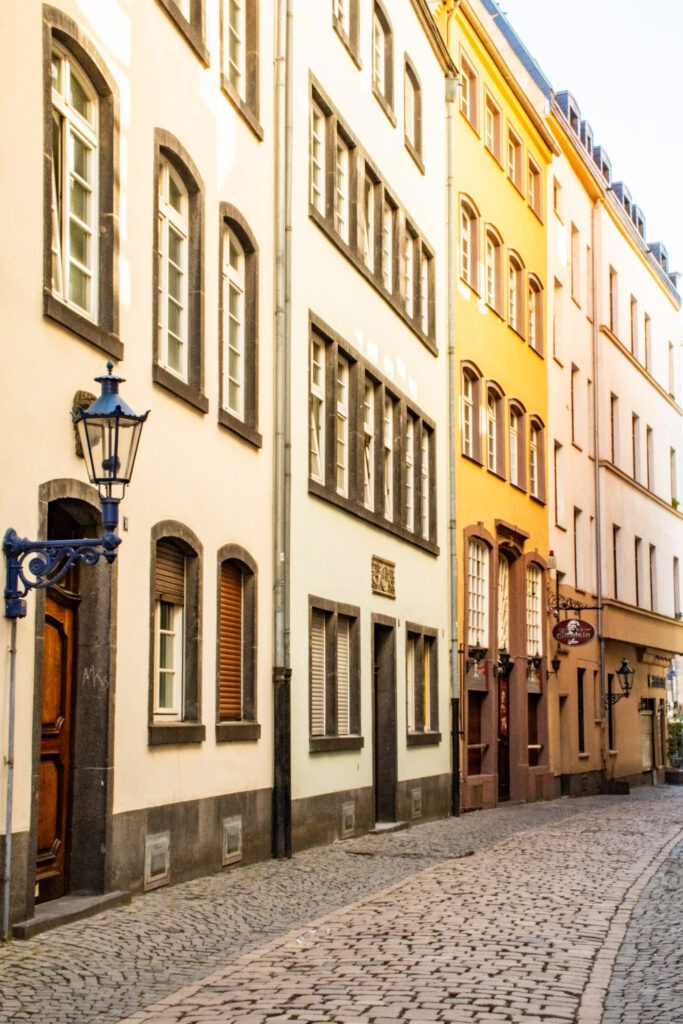
Cologne’s neighbourhoods each carry a different mood, and exploring them gives a fuller sense of the city. Ehrenfeld reminds me of Berlin. It’s known for its street art, creative energy, and independent cafés. The neighbourhood feels youthful and expressive, and I like wandering here when I want a more modern, alternative side of Cologne. It’s also a great place to browse small shops and get a feel for local life.
The Belgian Quarter (Belgisches Viertel) has a softer, more polished charm. Its boutiques, cafés, and tree-lined streets make it easy to spend an afternoon drifting between shops and coffee stops. The neighbourhood feels stylish but relaxed, and it’s one of the best places to experience Cologne at a slower pace, especially if you enjoy people-watching.
Across the Rhine, Deutz offers a quieter perspective. It’s less touristy, and from the riverfront, you get some of the best views of the cathedral and Old Town. This is a great spot for photographers to come. It’s also where you’ll find the KölnTriangle tower, which offers a beautiful vantage point over the city.
Final Thoughts
There’s no need to rush from one landmark to the next. I’ve found that the most memorable visits come when I choose two or three attractions that truly interest me and immerse myself fully in them.
For travellers who want a stress-free, meaningful experience, I always recommend planning your itinerary around what excites you most rather than what’s “supposed” to be visited. This approach transforms Cologne from a checklist of sights into a personal journey.
If you’d like help designing a tailored itinerary for Cologne or a wider Germany trip, I offer personalized trip planning services that focus on slow travel, local experiences, and the attractions that matter most to you.