

Before boarding the rack railway to Vall de Núria, I spent a quiet morning wandering through the village of Queralbs.
Tucked into the Catalan Pyrenees, it felt like time moved differently there—slower, softer. I remember the sound of my footsteps on stone, the way the narrow streets curved without warning, and how the mountains framed every view.
Queralbs wasn’t a planned stop, just a place I passed through, but it left an impression. If you’re headed to Núria, it’s worth pausing here. The stillness of this alpine village is a perfect launching off point before heading deeper into the mountains.
This post may contain affiliate links, meaning I get a commission if you decide to purchase something through the links, at no additional cost to you. Read my Affiliate Disclosure.
Where is Queralbs?

Queralbs is a tiny mountain village in the Catalan Pyrenees, in the province of Girona. It’s tucked into the valley just before the entrance to Vall de Núria, making it the last stop accessible by car or regular train. That means this village is entirely pedestrian-only.
From there, the only way to reach Núria is on foot or by taking the rack railway. I had passed through Ribes de Freser on my way up from Barcelona on a group tour to go hiking in Vall de Nuria and decided to pause in Queralbs before continuing.

It felt like a natural place to stop—not just geographically, but mentally too. The village is perched at around 1,200 metres above sea level, with views that remind you just how close you are to nature.
A Bit of History
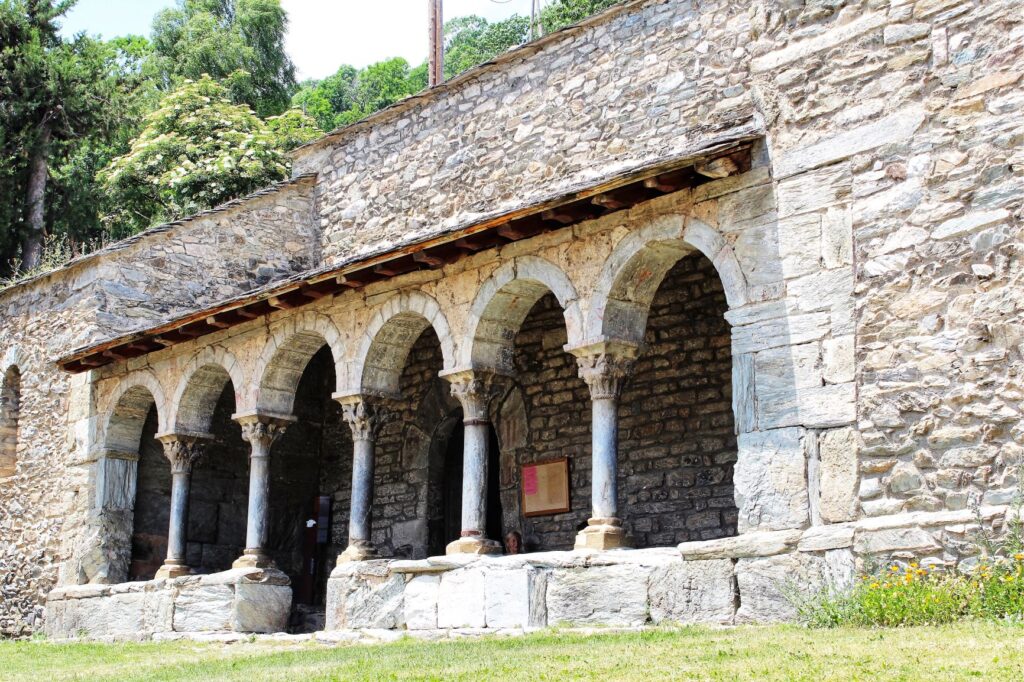
Queralbs might be small, but it has roots that run deep. The village is first mentioned in documents dating back to the 10th century, and as I wandered the quiet lanes, I could feel the age in the stone walls and narrow paths.
The Church of Sant Jaume, with its Romanesque architecture and sculpted doorway, has stood here for centuries and is still in use today.
Back in the day, Queralbs was an important point along the pilgrimage route to the sanctuary in Vall de Núria. Farmers, shepherds, and travellers would pass through on their journey, much like we still do now—only at a slower pace, and maybe with a few more camera stops. Today, Queralbs is home to fewer than 200 people who live here year-round.
My First Impressions

The moment I got out of the minivan in Queralbs, everything felt quieter—like the mountains had pressed a finger to their lips. The village itself is small, but every inch of it invites you to look closer.
All the buildings are made from the same local stone, giving the whole place a kind of unity. It looks like it’s been that way for years, yet it is a newly developed village. It’s just…consistent, solid, timeless. I especially loved the bursts of colour—roses, pink and red, climbing up the stone walls, softening the edges. Some grew wild, others clearly tended to with care.

There was a gentleness to the way the village was kept, as if it hadn’t been built so much as coaxed into the mountainside.
Why It’s Ideal for Slow Travellers

Queralbs doesn’t rush you. It doesn’t ask anything of you, really, except to be present. That’s what makes it such a beautiful place for slow travel. It’s walkable in under an hour, yet I found myself pausing constantly—watching how the light hit the rooftops, listening to birdsong, or following a trail of roses just to see where it led.
There’s nothing here, no must-see attraction that demands your attention. Instead, it’s the kind of place where the absence of activity becomes the attraction. You slow down, not because you have to, but because it feels natural to do so. And that, to me, is the whole point of travelling this way.
This is the ultimate, quiet escape from the overtourism you’ll experience in Barcelona.
What to See and Do in Queralbs

There isn’t a long list of sights in Queralbs—but that’s part of its charm. The village itself is the main attraction.
I wandered slowly through its narrow alleys, noticing how the stone homes all seemed to lean into each other like old friends. Wooden shutters, small balconies, and those ever-present climbing roses gave each corner a soft, lived-in feel.
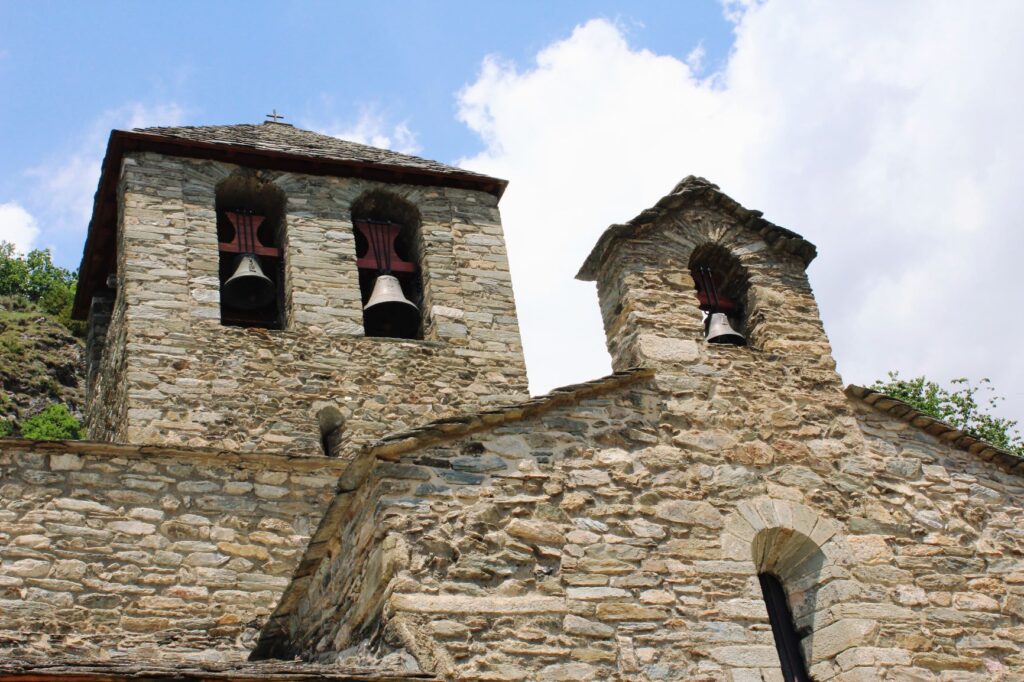
Don’t miss the Church of Sant Jaume, a Romanesque gem with carved stone details that speak to its age and importance on the old pilgrimage route. The church bells still ring out on the hour and echo throughout the village – ding, dang, dong.
If you have time, take a short walk up one of the nearby trails; even a 10-minute walk offers sweeping mountain views and the chance to feel a little more tucked into the landscape. Look out for the remaining historic walls of Castell de Queralbs- an ancient castle as you take in the views.
How to Get There

Getting to Queralbs is surprisingly easy, especially if you’re already planning a trip to Vall de Núria.
From Barcelona, I took a small group tour that included a stop in a charming town called Vic before arriving in Querabls. Then it was free time to explore the village before getting on the rack railway to the final destination of Vall de Nuria.
Check out the tour I took that included a stop in Queralbs.
But if you want to venture on your own, take the train from Barcelona to Ribes de Freser—a journey that takes around two hours. From there, you can hop on the Cremallera de Núria (the rack railway) that winds up the mountain, stopping in Queralbs before continuing to Núria.
Tips for Visiting Queralbs, Spain

If you’re visiting in summer, be prepared for much cooler temperatures than what you might experience in Barcelona. Arrive early to maximize your full day—perfect before a hike or a trip up to Núria. Summer is best for walking trails and enjoying the lush, green scenery.
In winter, Queralbs becomes a snowy gateway for skiers heading to Vall de Núria. Just be prepared for colder temps and a very different feel—quieter, but beautifully still.
You don’t need a full day here. An hour is enough to wander, grab a drink, and soak in the atmosphere. But if you’re someone who likes to linger with your camera or journal, you might stay longer without even realizing it.
Final Thoughts
Queralbs may be a brief stop on the way to Vall de Núria, but it’s one of those places that stays with you long after you’ve gone.
If you enjoy slow travel stories and thoughtful tips like this, join my complimentary weekly newsletter for inspiration straight to your inbox.


