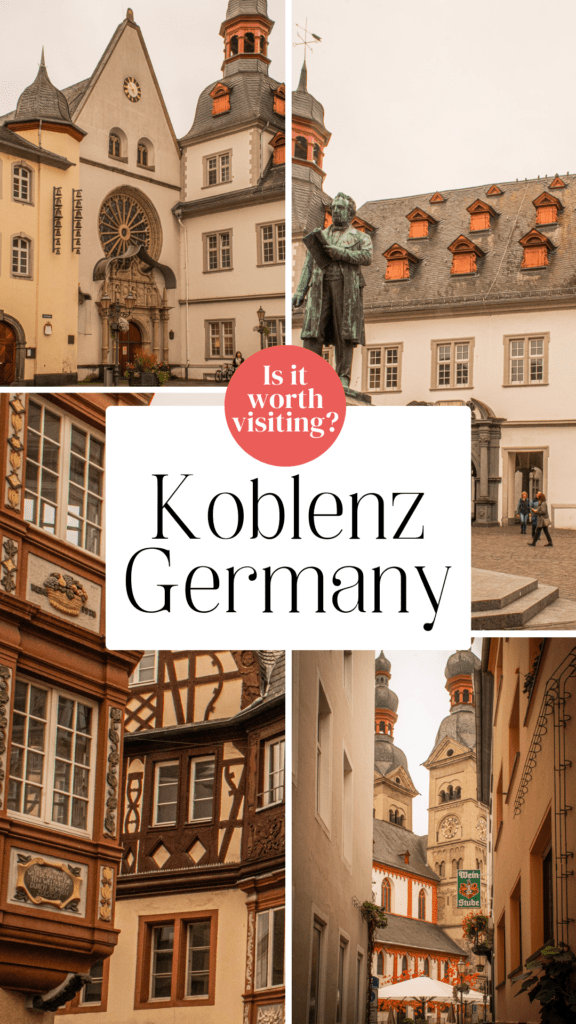
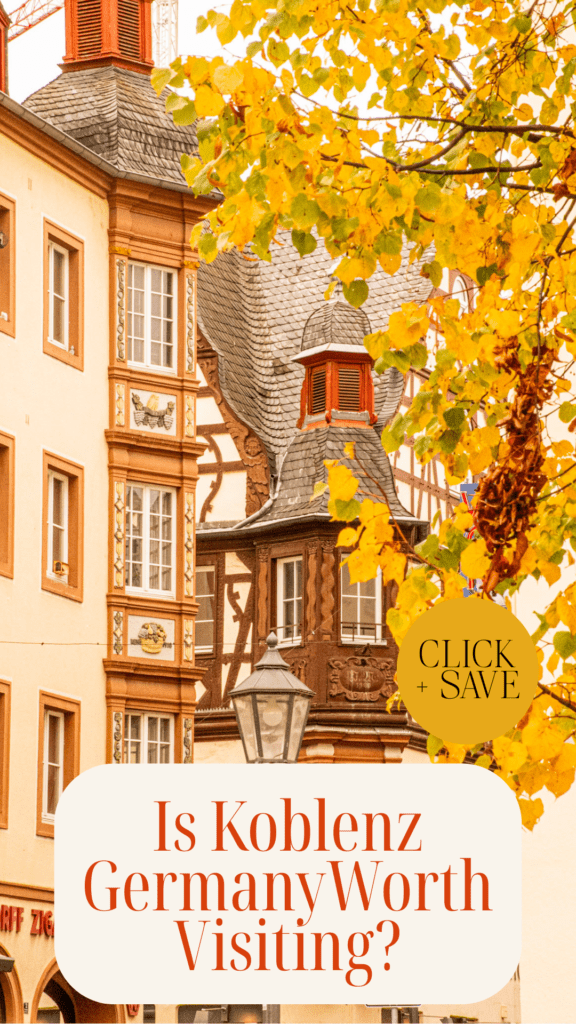
I arrived in Koblenz expecting something smaller. After weeks of moving through the Rhine and Moselle—staying in quieter places like the nearby Andernach and a winery near Bernkastell-Kues—it felt different the moment I stepped in. Broader streets. More people. A steady rhythm of movement rather than stillness.
Koblenz sits at the meeting point of two rivers, and there’s an undeniable energy to that. It’s well-connected, easy to navigate, and filled with things to see. I understood immediately why it appears on so many itineraries.
But travel, for me, isn’t only about what’s easy.
So, is Koblenz worth visiting? Yes—for many travellers, it makes perfect sense. But whether it’s a place you’ll truly enjoy depends on how you like to experience a destination.
This post may contain affiliate links, meaning I get a commission if you decide to purchase something through the links, at no additional cost to you. Read my Affiliate Disclosure.
Is Koblenz Worth Visiting? My Honest Answer
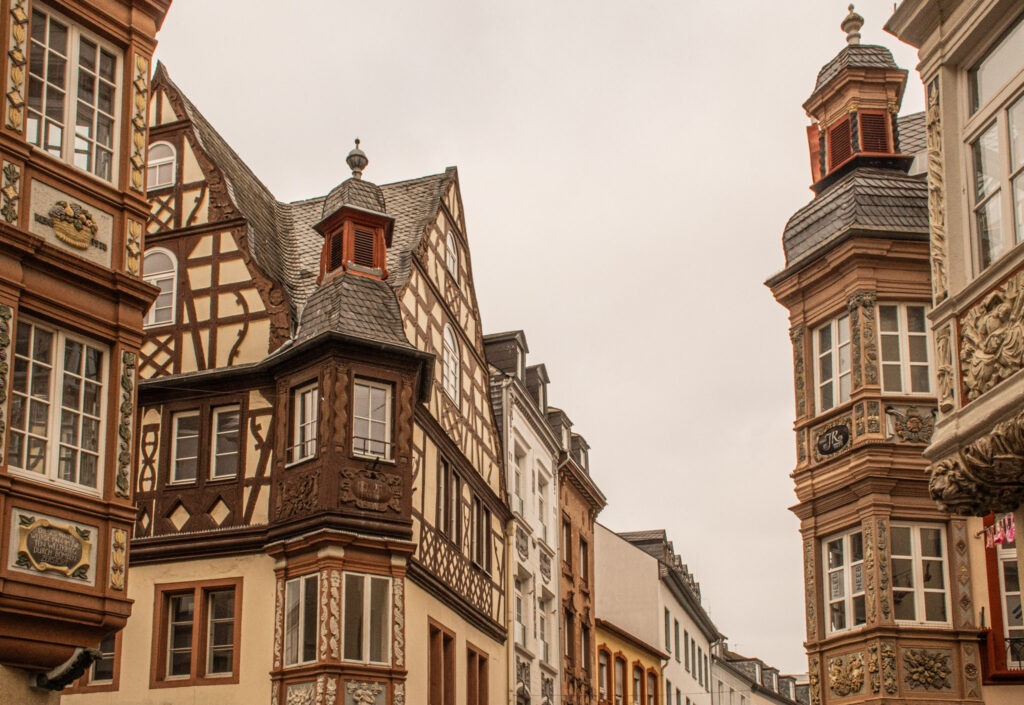
Yes—if it’s your first time exploring the Rhine and Moselle.
Yes—if you value convenience, choice, and easy access to both rivers.
But…
For me, Koblenz felt more like a hub than a place I wanted to linger. It surprised me in its scale. Larger than I expected. Busier, too. There’s a steady flow of people, and much of it feels designed to support that movement.
It has everything you might need—transport connections, restaurants, attractions—but that comes with a trade-off. It leans more toward a tourism-forward experience than the quieter towns nearby.
It’s the Heidelberg of the Rhine.
Well-loved. Easy to include. But not where I found myself truly loving after I left.
What Koblenz Does Well (And Why People Love It)
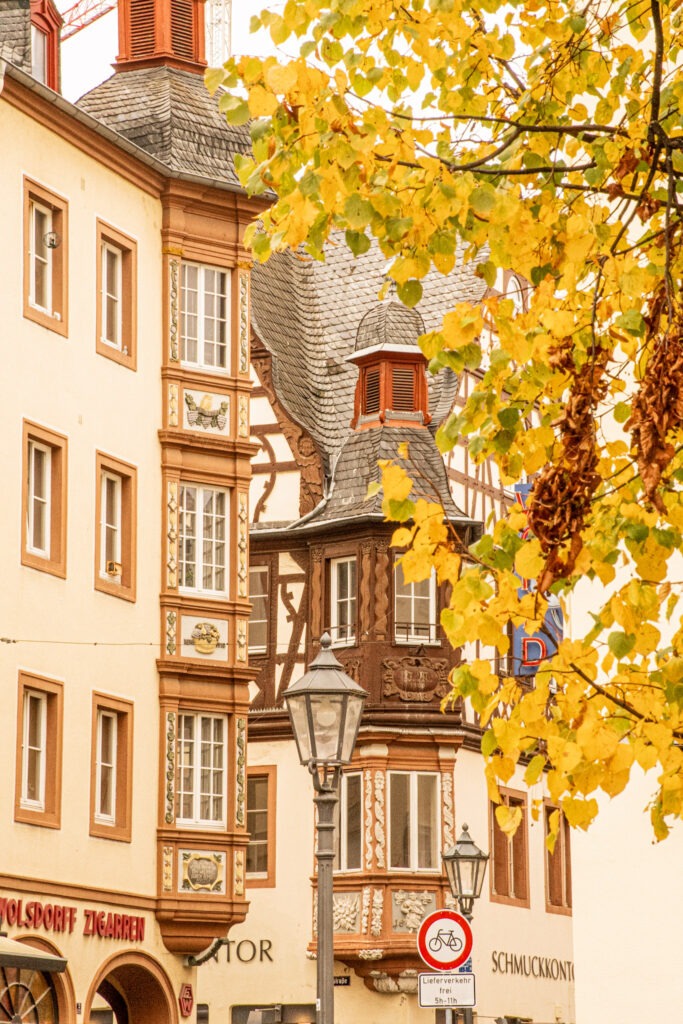
Koblenz is visually striking in a way that’s hard to ignore. Where the Rhine and Moselle rivers meet at Deutsches Eck, there’s a sense of scale you don’t get in smaller towns. Wide views. Open sky. Movement in every direction.
Deutsches Eck is worth seeing—but it’s not the most beautiful view along the Rhine.
There are also plenty of things to do in Koblenz, especially if you’re only here for a day. You can take the cable car across the Rhine to Ehrenbreitstein Fortress, walk along the river promenades, or spend time moving between viewpoints. It offers more than just visiting a scenic Old Town, a variety without requiring much effort.
And that’s part of its appeal—it’s easy.
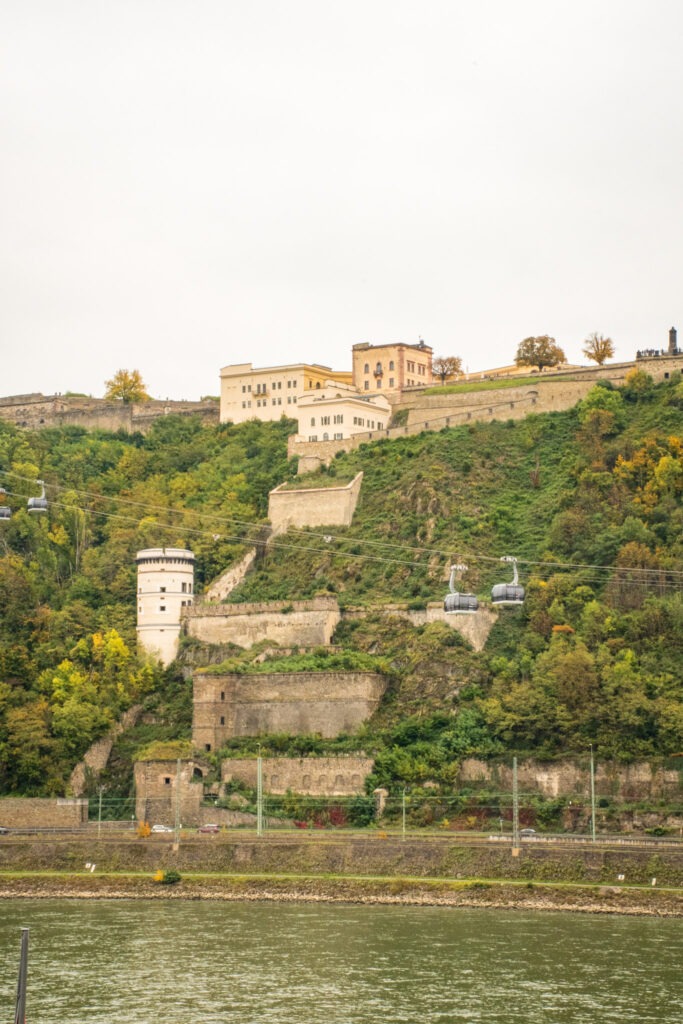
Transport connections are seamless. Trains arrive from every direction. Accommodation is plentiful. Restaurants are varied. English is being spoken. If you’re planning a Rhine itinerary and want one place that simplifies logistics, Koblenz does that well.
It also works as a base for Rhine travel, giving you access to both rivers without needing to move frequently.
I understand why so many itineraries include Koblenz. It makes planning easy.
Koblenz also has a depth that’s easy to overlook if you move through it quickly. It’s one of the oldest cities in Germany, shaped over centuries by its position at the meeting of two rivers. You see it in the layers—the fortress above, the historic squares, the sense that this has long been a place of connection and movement.
For some travellers, that history adds weight to the experience.
Why Koblenz Wasn’t My Favourite
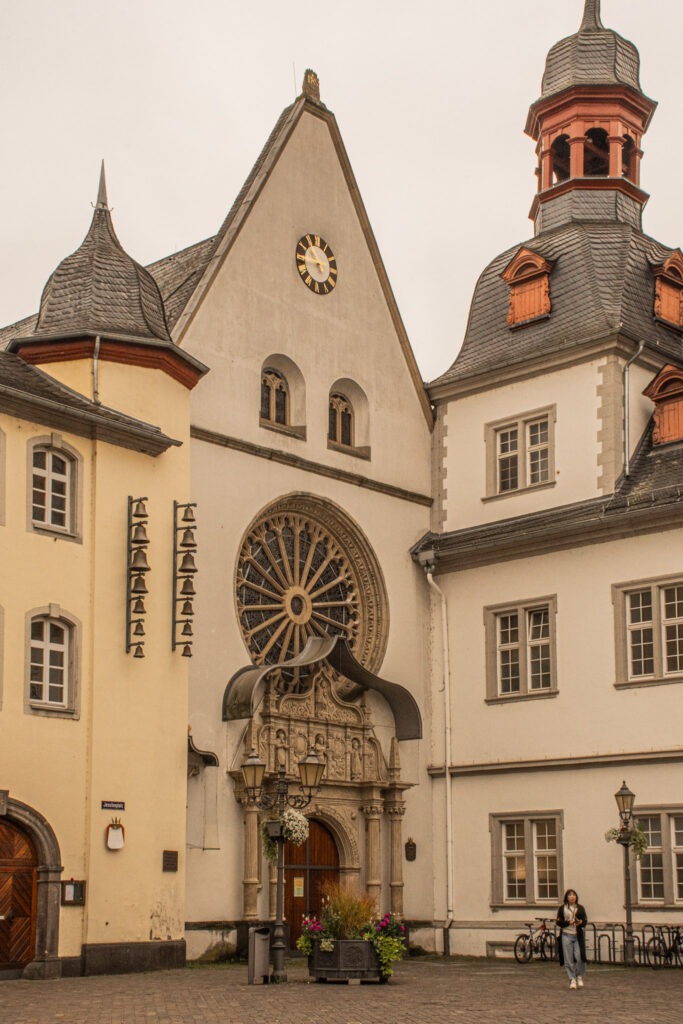
I arrived expecting something closer to the smaller Rhine towns I had been moving through. Instead, Koblenz felt bigger than I wanted. More spread out. Less intimate.
It wasn’t crowded in the way major European cities can be—I travelled in October, when things are already quieter—but there was still a noticeable shift. I heard more English as I passed by other travellers. That subtle detail changes the atmosphere. It signals a place that’s well-established on the tourist path.
And if it felt like that in October, I could easily imagine how much busier it becomes in peak season.
Places like Cochem and Rüdesheim can feel busy too, but Koblenz carries that energy differently. It feels more structured around movement—people arriving, passing through, moving on—rather than settling in.
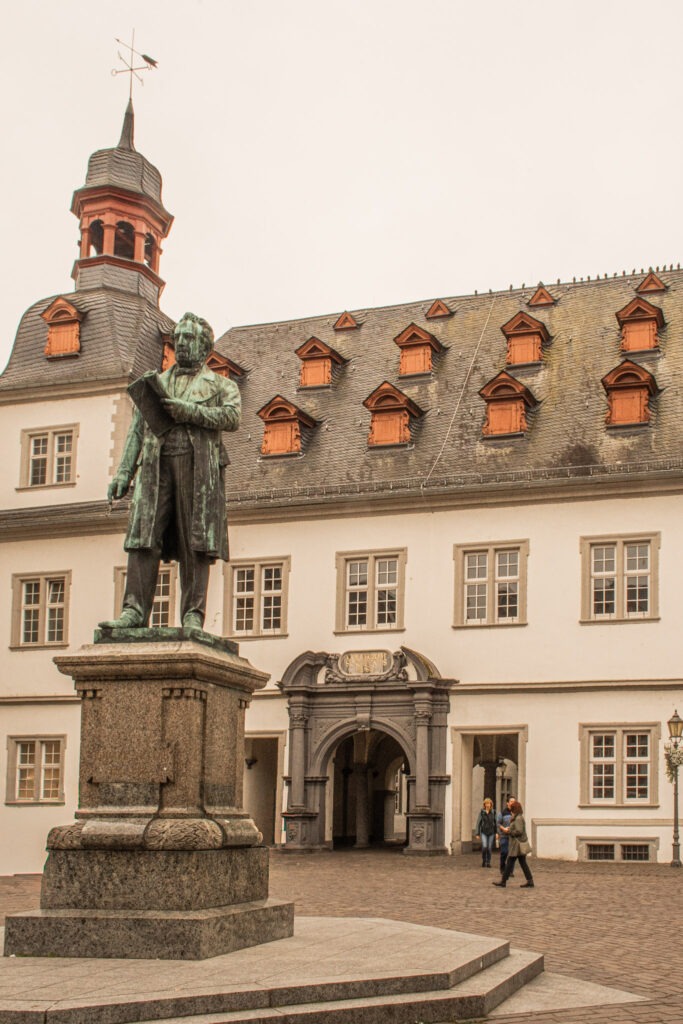
I tend to look for places where I see German travellers choosing to be. It’s a quiet form of validation. It tells me the experience still belongs, at least in part, to the place itself. In Germany, especially, I like to speak as much German as I can. When someone asks if I live there, I take it as a small sign that I’ve stepped just slightly outside the role of a visitor.
Koblenz didn’t quite give me that feeling.
If I’m being honest, the views from Deutsches Eck didn’t stay with me in the way I expected. You see the meeting of the rivers clearly, but it feels more expansive than atmospheric.
I found myself drawn more to the stretches of the Rhine where the landscape begins to narrow—where castles sit above the river, and vineyards follow the curves of the valley. Places like the section between St. Goar and Bacharach, or along the Moselle near Beilstein, felt more visually memorable to me.
I’m glad I went. I spent a full day and saw what I came to see. But it wasn’t where I found myself wanting to stay longer.
Koblenz vs Other Rhine & Moselle Towns
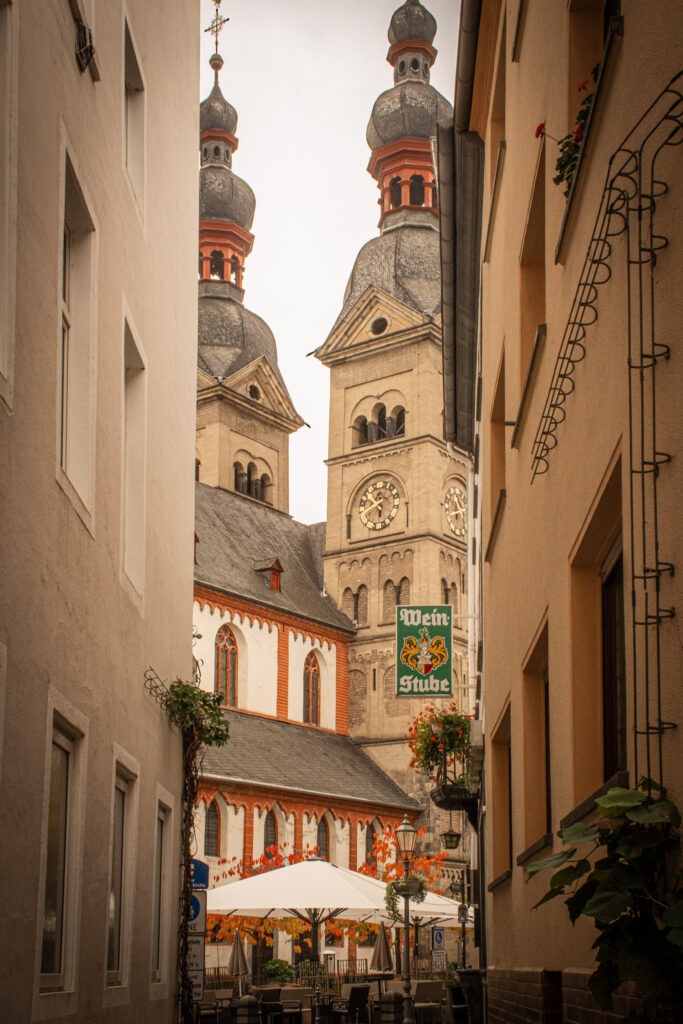
When I think about Koblenz, I don’t think about it in isolation. I think about it in contrast to the other places I moved through along the Rhine and Moselle—because that’s how most travellers experience it too.
Each place offers something slightly different. The question isn’t which is better. It’s which one matches how you want to travel.
Koblenz vs Cochem:
Cochem feels smaller, more storybook at first glance. The castle, the curve of the Moselle—it draws you in quickly. But it can feel concentrated, especially in the Old Town. Koblenz, by comparison, gives you more space to move. More options. Less charm, but more breathing room.
Koblenz vs Bacharach:
Bacharach is the kind of place I tend to linger. Quiet streets. Half-timbered houses. A rhythm that slows you down without asking. Koblenz doesn’t offer that same intimacy. It feels more like a waypoint than a pause.
Koblenz vs Rüdesheim:
Rüdesheim has a similar energy to Koblenz in that it’s firmly on the tourist trail. Lively, social, easy to enjoy. But it leans more into the experience—wine, music, atmosphere. Koblenz feels more functional. You pass through it as much as you stay.
Koblenz vs Trier:
Trier shifts the focus entirely. It’s not about the river—it’s about history. Roman ruins, layers of time, a different kind of depth. If Koblenz is about location and access, Trier is about substance and story.
For me, this is where Koblenz finds its place. Not the most memorable stop for me—but one that helps the rest of the region make sense.
Who Should Visit Koblenz (And Who Might Skip It)

Koblenz is worth visiting if you want a trip that feels easy to move through.
If this is your first time in the Rhine or Moselle, it gives you a clear starting point. You arrive, and everything is already set up for you.
It also works if you prefer having options—more places to stay, more restaurants to choose from, more ways to shape your day without needing to plan too carefully.
But you might skip Koblenz if you’re drawn to places that feel quieter and more intimate. Or, this is a repeat trip in this area.
And if your itinerary already includes towns like Cochem or Rüdesheim, you may find that Koblenz doesn’t offer a noticeably different experience.
I don’t think Koblenz is the mistake. I think choosing only Koblenz might be.
FAQ About Koblenz, Germany
How much time do you need in Koblenz?
A full day is enough to see Koblenz at a comfortable pace. You can walk through the Old Town, spend time at Deutsches Eck, and take in the views without rushing. If you’re using it as a base, two nights gives you flexibility for nearby day trips.
Is Koblenz a good base for the Rhine or Moselle?
Koblenz is one of the most convenient bases in the region. Trains connect easily in all directions, and you have access to both the Rhine and Moselle. It works well if you value flexibility—but if you prefer a quieter, more immersive stay, smaller towns may suit you better.
Is Koblenz or Cochem better to visit?
It depends on what you’re looking for. Koblenz offers more space, variety, and convenience, while Cochem feels smaller and more atmospheric. If you’re drawn to charm and scenery, Cochem stands out. If you prefer options and ease, Koblenz makes more sense.
What are the main things to do in Koblenz?
The best things to do in Koblenz include visiting Deutsches Eck, where the Rhine and Moselle meet. From there, you can take the cable car across the river to Ehrenbreitstein Fortress for wide views over the valley. Walking along the river promenades and through the Old Town is just as much a part of the experience.
Is Koblenz worth a day trip from Cologne?
Yes, Koblenz makes an easy day trip from Cologne—it’s only about an hour by train, with frequent direct connections. You can see the main highlights in a single day, making it a simple way to experience the Rhine without changing your base.
Is Koblenz Worth Including on a Rhine River Trip?
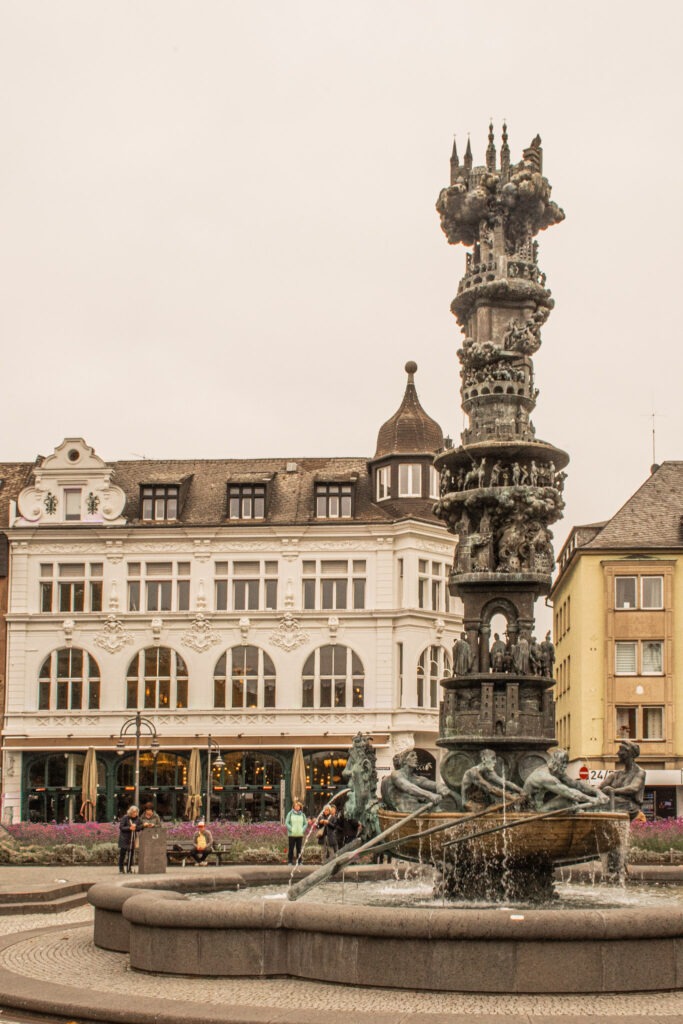
Koblenz is a place many travellers genuinely enjoy—and I understand why. It’s well-positioned, easy to navigate, and gives you access to both the Rhine and Moselle without overcomplicating your plans. If you’re building a first itinerary through this region, it fits neatly.
But after decades of travelling through Germany—returning again and again, living here twice, and spending extended time along both rivers—I’ve learned to look at places a little differently.
Not just what’s worth seeing, but how it fits into the rhythm of a trip.
Koblenz works best when you use it with intention. As a short stop. As a transition point. As a way to connect places that offer a quieter, more grounded experience.
And that’s the reassurance I would offer you:
You’re not making a mistake by including Koblenz.
The real difference comes in how you structure your time around it.
If you’re drawn to a slower, more thoughtful way of moving through Europe, I share more of that approach in my newsletter—along with the places I return to, and how I build itineraries for clients that feel as good as they look on paper.